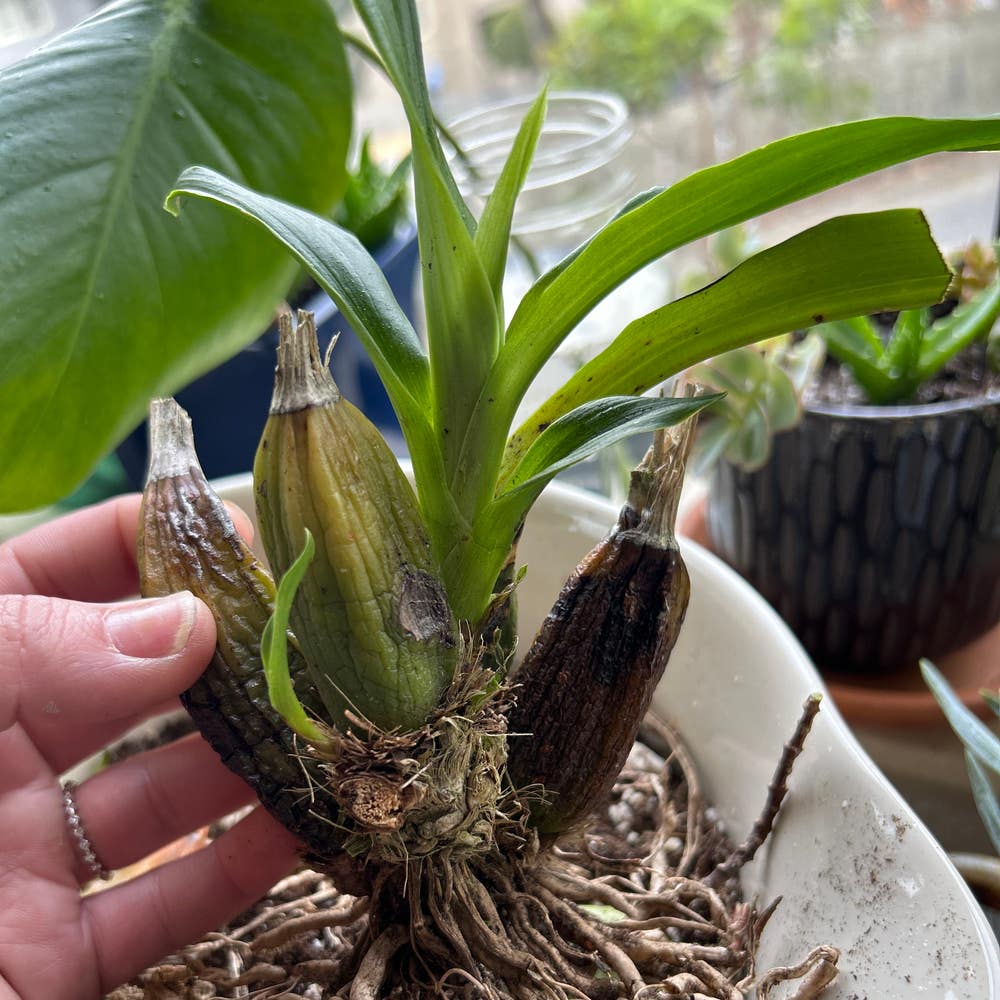
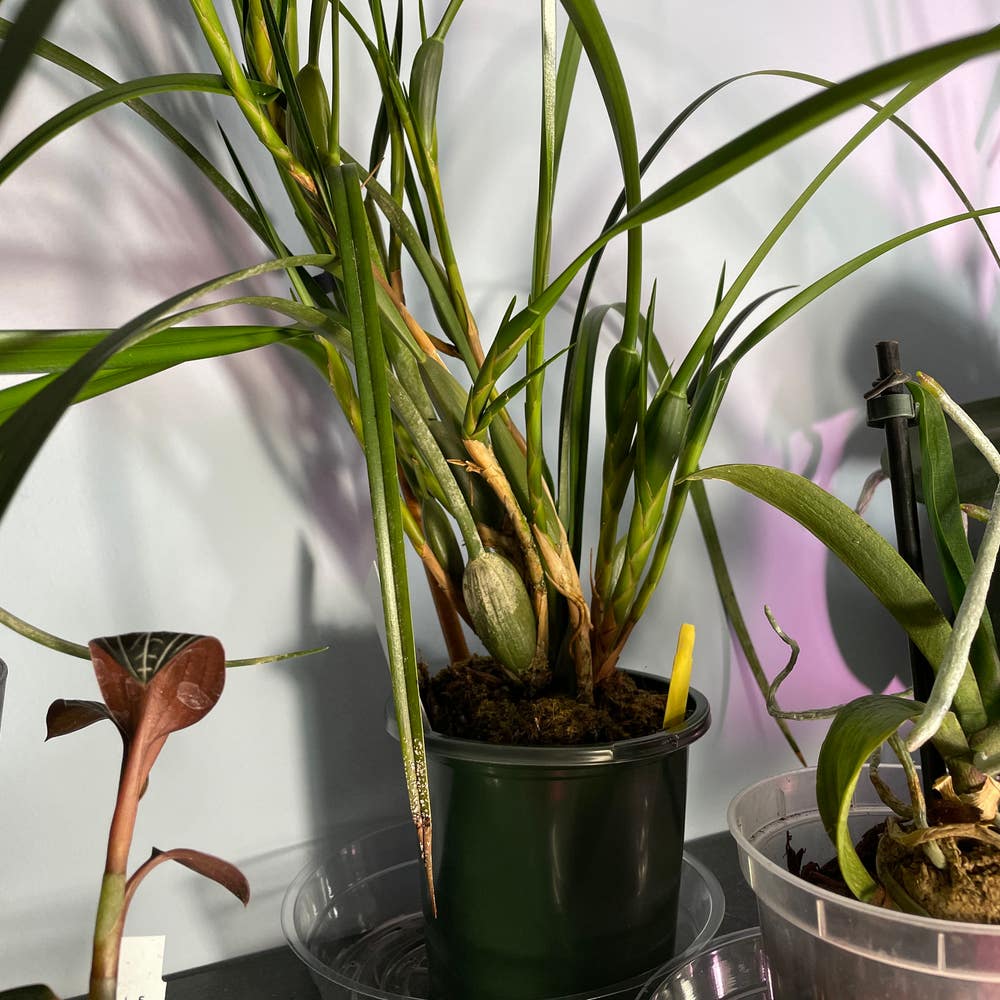
🌸 Introduction to Eulophia venulosa
Eulophia venulosa
By the Greg Editorial Team
Feb 27, 2025•11 min read
This article was created with the help of AI so we can cover more plants for you. May contain errors. See one? Report it here.
Unlock the beauty of Eulophia venulosa 🌺 with easy care tips that ensure a vibrant, thriving garden! 🌱
- 🌞 Eulophia venulosa needs 4-8 hours of sunlight for optimal growth.
- 🌱 Well-draining, loamy soil with pH 6.0-7.0 is essential for healthy plants.
- 🐝 Attracts pollinators like bees and butterflies, enhancing garden biodiversity.
How to Grow
Choosing a Location 🌞
Eulophia venulosa thrives in full sun to partial shade, requiring about 4 to 8 hours of sunlight daily. This plant prefers warm climates, ideally flourishing in temperatures between 20°C to 30°C (68°F to 86°F).
Soil Preparation 🌱
For optimal growth, use well-draining, loamy soil. Aim for a slightly acidic to neutral pH, ideally between 6.0 and 7.0, and ensure good drainage to prevent root rot.
Planting Techniques 🌿
When planting, dig a hole 2 to 3 inches deep. Space the plants 12 to 18 inches apart to allow for their natural growth.
Watering Requirements 💧
Keep the soil consistently moist but avoid waterlogging. Regular watering is essential, and using a drip irrigation system or watering at the base helps prevent wetting the foliage.
Fertilizing Schedule 🌼
Utilize a balanced NPK fertilizer, such as 10-10-10. Fertilize every 4 to 6 weeks during the growing season to support healthy growth.
Pruning and Ongoing Care ✂️
Regularly deadhead spent flowers to encourage more blooms. Additionally, check for pests and diseases frequently, adjusting care as needed to keep your plant healthy.
This comprehensive guide to growing Eulophia venulosa sets you up for success. Next, let’s explore how to propagate this beautiful plant effectively.
Propagation
🌱 Seed Propagation
To propagate Eulophia venulosa from seeds, start by sowing them in well-draining soil. Keep the soil moist and maintain a warm environment, as this is crucial for successful germination.
Germination typically takes about 2-4 weeks. Patience is key here, as watching those little sprouts emerge can be quite rewarding!
🥔 Division of Tubers
Another effective method for propagation is through the division of tubers. The best time to do this is in early spring or fall when the plant is not actively growing.
Carefully separate the tubers and replant them immediately to ensure they establish well in their new location. This method not only helps in propagation but also rejuvenates the plant for better growth.
As you explore propagation, remember that both methods can lead to healthy, vibrant plants. Whether you choose seeds or tubers, each approach offers a unique way to expand your Eulophia venulosa collection.
Next, let’s dive into the lifecycle of this fascinating plant!
Lifecycle
Lifecycle Overview 🌱
Eulophia venulosa undergoes a fascinating lifecycle that includes several distinct stages: seed germination, seedling stage, vegetative growth, flowering, and seed production. This plant can thrive for several years when provided with optimal conditions.
Time to Maturity ⏳
It typically takes about 1-2 years for Eulophia venulosa to reach its full size. During this time, the plant develops its unique characteristics and prepares for its stunning blooms.
Growth Rate 📈
The growth rate of Eulophia venulosa is moderate, influenced by factors such as soil quality, light, and water availability. With the right care, you can expect a healthy and vibrant plant that adds beauty to your garden.
This lifecycle not only highlights the resilience of Eulophia venulosa but also emphasizes the importance of proper care throughout its stages. Understanding these phases can help you nurture this remarkable plant effectively.
Next, let’s explore the size of Eulophia venulosa and what to expect as it matures.
Size
Mature Dimensions 🌱
Eulophia venulosa reaches a mature height of 30-60 cm (12-24 inches) and spreads 30-45 cm (12-18 inches) wide. This compact size makes it an excellent choice for various garden settings.
Growth Rate and Size Variability 📈
The growth rate of Eulophia venulosa is moderate, heavily influenced by soil quality and care practices. Size can vary based on growing conditions, such as light exposure and water availability, so providing optimal conditions is key to achieving its full potential.
In summary, understanding the size and growth characteristics of Eulophia venulosa helps in planning your garden layout effectively. Next, we will explore the root system of this fascinating plant and its implications for overall health and growth.
Roots
Characteristics of the Root System 🌱
Eulophia venulosa boasts a tuberous root system, which is essential for storing nutrients and water. These roots can extend 12-18 inches deep, allowing the plant to access moisture and nutrients from the soil.
The roots also spread horizontally, providing stability and support for the plant as it grows. This adaptability is crucial for thriving in various soil conditions.
Common Root-Related Issues ⚠️
One of the most common issues faced by Eulophia venulosa is root rot, which occurs due to overwatering. Symptoms include mushy roots and wilting leaves, signaling that the plant is struggling.
Another problem is becoming rootbound, which happens when the roots fill the pot. This condition leads to stunted growth and poor water absorption, making it vital to monitor root health regularly.
Visual Cues for Healthy vs. Unhealthy Roots 👀
Healthy roots are typically firm, white, and spread evenly throughout the soil. These indicators show that the plant is thriving and well-nourished.
In contrast, unhealthy roots present as dark, mushy, or foul-smelling, often indicating rot. Recognizing these signs early can help you take action to save your plant.
Understanding the root system of Eulophia venulosa is essential for successful cultivation. By keeping an eye on root health, you can ensure your plant remains vibrant and flourishing.
Benefits
Unique Ornamental Appeal 🌺
Eulophia venulosa stands out in any garden with its striking flowers. Their unique shape and vibrant colors can serve as a focal point, adding visual interest to your landscape.
Drought-Tolerant 💧
Once established, this plant is drought-tolerant, making it a low-maintenance choice. It reduces your water needs, allowing you to enjoy a beautiful garden without constant upkeep.
Attracts Pollinators 🐝
Eulophia venulosa is a magnet for pollinators like bees and butterflies. By planting it, you enhance garden biodiversity and support local ecosystems, which is a win-win for nature lovers.
Cultural Significance 📜
In some regions, Eulophia venulosa holds cultural significance in traditional medicine. Its historical uses add depth to its appeal, connecting your garden to a broader narrative.
Habitat for Beneficial Insects 🐞
This plant provides a habitat for beneficial insects, contributing to a balanced garden ecosystem. By fostering these creatures, you promote natural pest control and a healthier garden environment.
These benefits make Eulophia venulosa not just a beautiful addition to your garden but also a practical choice for sustainable gardening. Next, let’s explore the best companion plants to pair with this stunning species for optimal growth and health.
Companion Plants
🌱 Explanation of Companion Planting Benefits
Companion planting is a fantastic way to enhance your garden's diversity. It not only improves pest management but also promotes overall plant health, creating a thriving ecosystem.
🌼 List of Compatible Companion Plants
When growing Eulophia venulosa, consider these compatible companions:
- Marigolds: These vibrant flowers act as natural pest deterrents.
- Lavender: Not only does it attract pollinators, but it also adds a lovely fragrance to your garden.
- Native Wildflowers: These plants support local ecosystems and provide habitat for beneficial insects.
🚫 Plants to Avoid Near
While planning your garden, steer clear of heavy feeders like tomatoes. They may compete for nutrients, potentially stunting the growth of your Eulophia venulosa.
By choosing the right companions, you can create a harmonious garden that flourishes together. Next, let’s explore the toxicity of Eulophia venulosa for humans and pets.
Toxicity to Humans
Safety of Eulophia venulosa for Humans 🌿
Eulophia venulosa is generally safe for humans, as it is not classified as toxic by major poison control centers or health organizations.
However, minor issues can arise, such as mild skin irritation or digestive discomfort if consumed in large quantities.
While this plant is considered safe, it's wise to exercise caution with any plant. If you experience unusual symptoms after contact or ingestion, seeking medical advice is always a good idea.
In summary, enjoy the beauty of Eulophia venulosa, but stay informed and cautious to ensure a safe experience.
Transition to Next Section 🐾
Now that we’ve covered its safety for humans, let’s explore how Eulophia venulosa interacts with our furry friends—specifically, its toxicity to dogs.
Toxicity to Dogs
Safety of Eulophia venulosa for Dogs 🐶
Eulophia venulosa is generally safe for dogs, as it is not listed as toxic by major pet poison control centers and veterinary organizations. However, if ingested in large quantities, it may cause mild gastrointestinal upset.
To ensure your dog's safety, it's wise to keep the plant out of their reach and monitor their behavior around it. While Eulophia venulosa is considered safe, always stay vigilant and consult a veterinarian if you notice any unusual symptoms after contact or ingestion.
Monitoring Your Pet 👀
Observing your dog's interactions with plants can help prevent any potential issues. If your furry friend shows interest in Eulophia venulosa, redirect their attention to safer alternatives.
Creating a pet-friendly garden involves understanding which plants are safe and which ones to avoid. By being proactive, you can enjoy the beauty of Eulophia venulosa while keeping your pet healthy and happy.
This awareness not only protects your dog but also enhances your gardening experience. Now, let's explore how Eulophia venulosa interacts with our feline friends.
Toxicity to Cats
Safety of Eulophia venulosa for Cats 🐱
Eulophia venulosa is considered safe for cats, as it is not listed as toxic by major pet poison control centers and veterinary organizations. However, if ingested in large quantities, mild gastrointestinal upset may occur.
Proper Placement and Monitoring 🛋️
To ensure safety, keep Eulophia venulosa out of reach of your feline friends. It's wise to monitor their behavior around the plant, as curiosity can sometimes lead to nibbling.
Consult a Veterinarian 🩺
While this plant is generally safe, always consult a veterinarian if you notice any unusual symptoms after your cat has been around it. Staying informed and cautious can help keep your pets healthy and happy.
Problems
Common Problems Faced When Growing 🌱
Growing Eulophia venulosa can be rewarding, but it comes with its share of challenges. Understanding these common problems will help you maintain a healthy plant.
Incorrect Watering 🚰
Watering is crucial for Eulophia venulosa. Overwatering can lead to root rot, while underwatering causes wilting and stress.
Incorrect Light Conditions 💡
Light conditions play a significant role in plant health. Insufficient light can result in leggy growth, whereas too much direct sunlight can scorch the leaves.
Diseases 🦠
Fungal diseases can be a concern for Eulophia venulosa. Watch out for powdery mildew and rust, which can affect the foliage and overall vigor of the plant.
Leaf Issues 🍃
Leaf color can be a telltale sign of plant health. Yellowing leaves often indicate nutrient deficiencies or overwatering, signaling the need for immediate attention.
By keeping an eye on these potential problems, you can ensure your Eulophia venulosa thrives. Next, let’s explore the pests that might disrupt its growth.
Bugs
Potential Pest Issues 🐞
Eulophia venulosa is generally resilient but can face pest challenges. Keeping an eye out for common pests can help maintain the health of your plant.
Spider Mites 🕷️
These tiny pests can be a nuisance. Look for fine webbing and stippled leaves; treating them with insecticidal soap can effectively manage their population.
Scale Insects 🐢
Scale insects can be identified by raised bumps on the stems. You can remove them manually or apply horticultural oil for effective control.
Mealybugs ☁️
Mealybugs appear as cotton-like masses on leaves. Treat them with neem oil or insecticidal soap to keep your plant safe.
Aphids 🐜
These small green or black insects can quickly multiply. Control them with water sprays or insecticidal soap to prevent damage.
Whiteflies 🕊️
Whiteflies are tiny white insects found on the undersides of leaves. Using yellow sticky traps can help control their numbers effectively.
Monitoring your Eulophia venulosa for these pests will help ensure it thrives. Regular checks and prompt action can make all the difference in keeping your plant healthy and vibrant.
What Eats
🦌 Common Animals That May Damage
Eulophia venulosa can attract various animals that may cause damage.
- Deer: Look for chewed leaves and broken stems as signs of their presence.
- Rabbits: They leave behind cleanly cut stems and missing foliage.
- Squirrels: Signs include dug-up tubers and damaged flowers.
- Birds: These creatures may peck at flowers or seeds.
- Rodents: Evidence includes burrowing and nibbling on roots.
🕵️♂️ Signs of Animal Presence and Damage
Identifying animal visitors is crucial for protecting your plants.
Keep an eye out for droppings, tracks, or chewed plant parts. These indicators can help you determine which animals are causing the damage.
🚫 Deterrent Methods for Protecting the Plant
Preventing damage from these animals can be achieved through various methods.
- Chemical methods: Use commercial repellents to deter larger animals effectively.
- Organic methods: Plant strong-smelling herbs, like mint, around Eulophia venulosa to naturally repel pests.
By employing these strategies, you can safeguard your plants and enjoy their beauty without the worry of unwanted visitors.
⚠️ Safety First
This content is for general information and may contain errors, omissions, or outdated details. It is not medical, veterinary advice, or an endorsement of therapeutic claims.
Always consult a qualified healthcare professional before using any plant as food, medicine, or supplement.
Never eat any plant (or feed one to pets) without confirming its identity with at least two trusted sources.
If you suspect poisoning, call Poison Control (800) 222-1222, the Pet Poison Helpline (800) 213-6680, or your local emergency service immediately.
Spotted an error? Please report it here.
Cultivating Eulophia venulosa 🌼 is a breeze when you leverage Greg's tailored care tips and watering reminders to help your garden thrive beautifully!