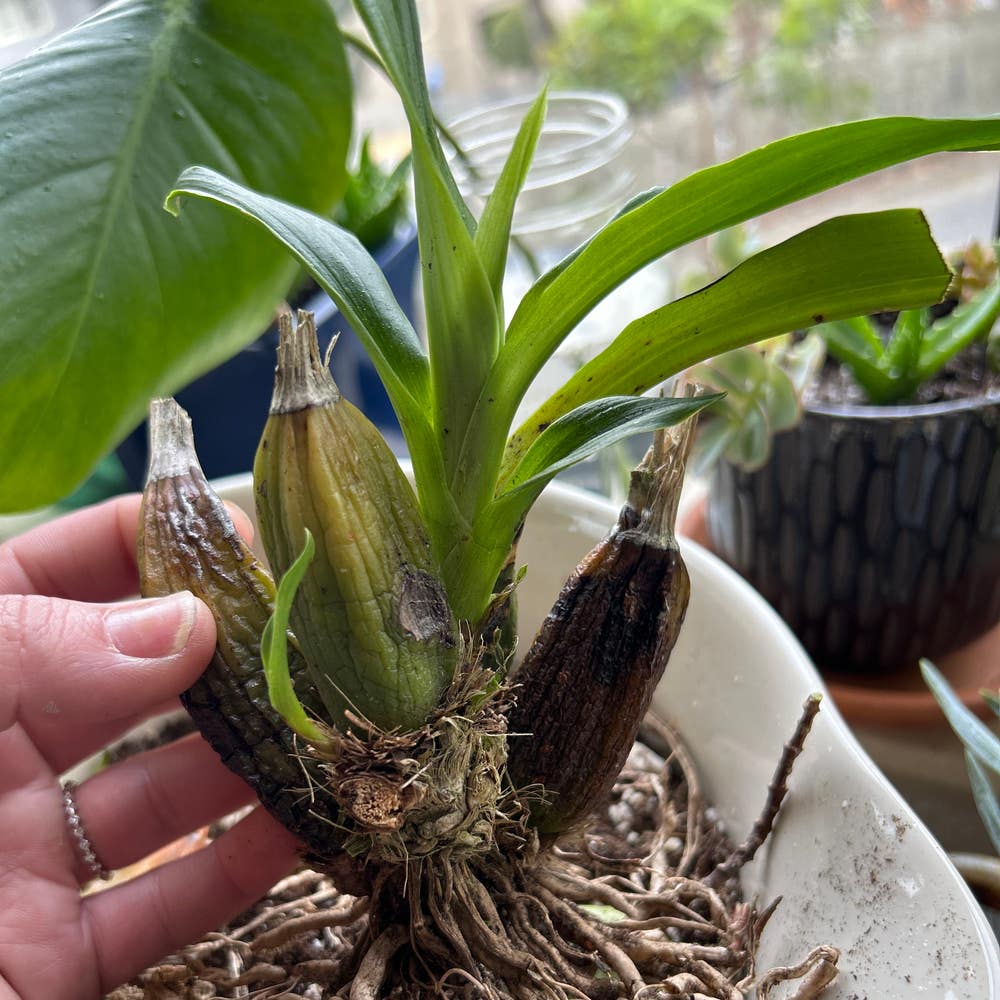
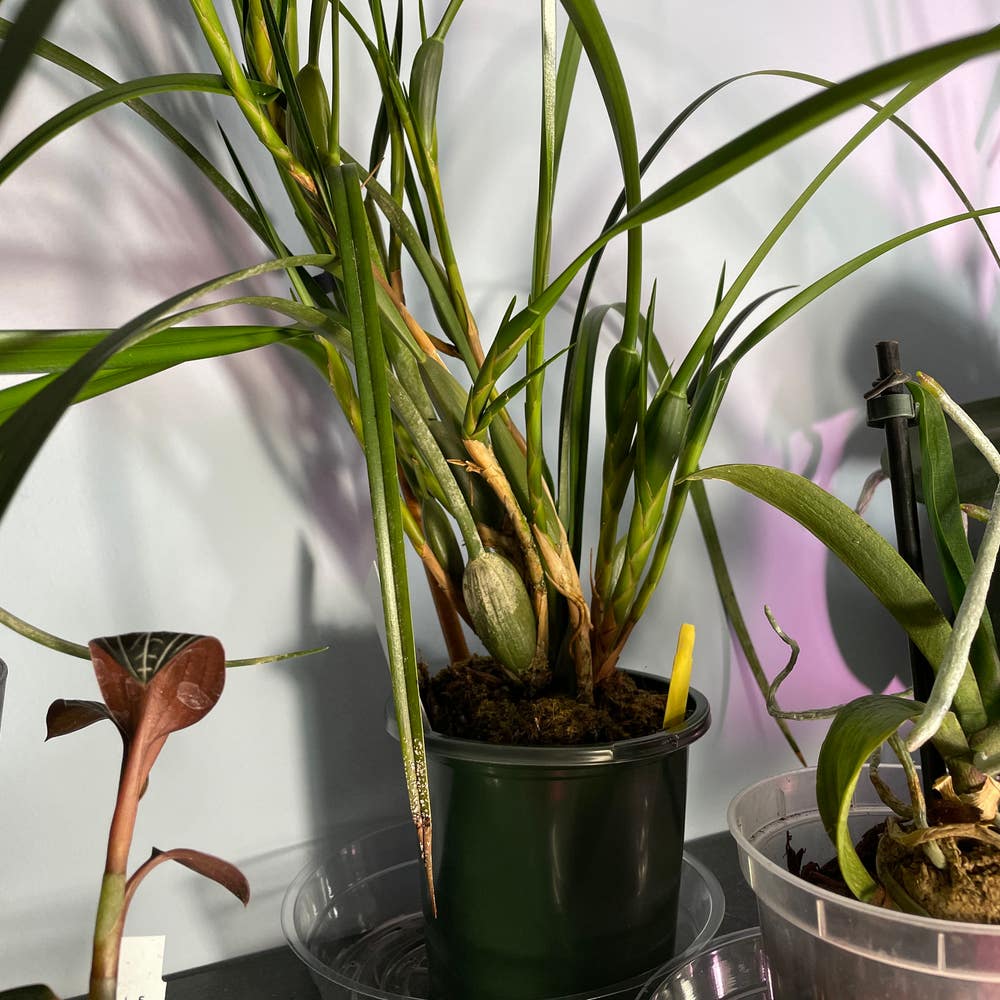
Ultimate Guide to Eulophia venosa
Eulophia venosa
By the Greg Editorial Team
Feb 27, 2025•13 min read
This article was created with the help of AI so we can cover more plants for you. May contain errors. See one? Report it here.
- 🌞 Eulophia venosa thrives in full sun but tolerates partial shade for versatility.
- 🌱 Well-draining, fertile soil with pH 6.0-7.0 is essential for optimal growth.
- 💧 Consistent moisture is key; water regularly but avoid overwatering to prevent root rot.
How to Grow
🌞 Choosing a Location
When growing Eulophia venosa, light conditions are crucial. This plant thrives in full sun but can also tolerate partial shade, making it versatile for various garden settings.
Consider whether you’re planting outdoors or in containers. Outdoor settings provide natural drainage and space, while containers allow for mobility and controlled conditions.
🌱 Soil Preparation
Eulophia venosa prefers a well-draining, fertile soil mix. Aim for a blend that retains moisture without becoming soggy.
The ideal pH for this plant ranges from slightly acidic to neutral, specifically between 6.0 and 7.0. Testing your soil can help ensure optimal growth.
🌿 Planting Techniques
When planting, ensure you dig a hole deep enough to accommodate the roots without crowding. Spacing is also important; aim for at least 12 to 18 inches between plants to allow for growth.
The best time to plant is during the spring when temperatures are mild and conditions are favorable for root establishment.
💧 Watering Requirements
Eulophia venosa needs consistent moisture, so water regularly to keep the soil damp but not waterlogged. This balance is key to preventing root rot.
Watch for signs of overwatering, such as yellowing leaves, or underwatering, indicated by wilting. Adjust your watering schedule accordingly.
🌼 Fertilizing Schedule
Use a balanced NPK fertilizer or one specifically designed for orchids. This will provide the necessary nutrients for healthy growth.
Fertilize every 4 to 6 weeks during the growing season to support vigorous development.
✂️ Pruning Methods
Pruning is essential for maintaining the health of your Eulophia venosa. Remove dead or damaged foliage to encourage new growth and improve air circulation.
The best time to prune is in early spring before new growth begins. This helps the plant focus its energy on producing fresh leaves and flowers.
🔍 Ongoing Care Tips
Regularly monitor your plant for pests and diseases. Early detection is crucial for effective management.
Adjust your care routine with the seasons. For instance, reduce watering in the winter months when the plant is dormant, and increase it during the growing season for optimal health.
With these guidelines, you’re well on your way to successfully growing Eulophia venosa. Next, let’s explore how to propagate this beautiful plant for even more blooms!
Propagation
🌱 Seed Propagation
Collecting seeds from Eulophia venosa is straightforward. Wait until the seed pods turn brown and dry, then gently harvest them.
For sowing, use a well-draining seed-starting mix. Optimal conditions for germination include warm temperatures and indirect sunlight, ideally around 70°F (21°C).
✂️ Division of Rhizomes
Timing is crucial when dividing rhizomes. The best practice is to do this in early spring before new growth begins.
To properly separate and replant rhizomes, carefully dig them up, ensuring minimal damage. Cut the rhizomes into sections, each with at least one growing bud, and replant them in fresh soil.
🪴 Offsets and Bulb Propagation
Offsets are small bulbs that develop around the main plant. Identifying these offsets is key to successful propagation.
When planting offsets, ensure they are placed at the same depth as they were growing. Water them lightly and provide a warm, shaded area to encourage root development.
With these methods, you can easily expand your Eulophia venosa collection and enjoy its beauty in multiple locations. Next, let’s explore the lifecycle of this fascinating plant.
Lifecycle
Lifecycle Stages 🌱
Eulophia venosa progresses through distinct stages from seed or cutting to maturity. Each stage is crucial for the plant's overall health and development.
Germination Process 🌱
Germination typically occurs within 2 to 4 weeks under optimal conditions. Ensure a warm, moist environment to encourage sprouting.
Seedling Stage 🌱
During the seedling stage, young plants develop their first true leaves and establish roots. Provide consistent moisture and indirect light to support healthy growth.
Vegetative Growth 🌱
In the vegetative phase, Eulophia venosa focuses on leaf production and root expansion. This stage requires ample nutrients and water to promote vigorous growth.
Flowering Phase 🌸
Flowering usually occurs in late spring to early summer, depending on environmental conditions. Ensure the plant receives full sun to encourage abundant blooms.
Seed Production 🌱
After flowering, the plant produces seeds, typically in late summer. This process is vital for the continuation of the species and can occur several times a year.
Lifespan and Growth Timeline ⏳
Eulophia venosa can take 2 to 3 years to reach full maturity. Growth rates vary based on care and environmental factors, with optimal conditions leading to faster development.
As you nurture your Eulophia venosa through its lifecycle, keep an eye on its needs at each stage. This attention will ensure a thriving plant that rewards you with beauty and resilience. Next, let’s explore the size of this remarkable plant and how it can fit into your garden.
Size
Mature Height and Spread 🌱
Eulophia venosa typically reaches a mature height of 12 to 24 inches, with a spread of about 12 to 18 inches. This makes it a versatile choice for various garden settings, whether as a focal point or part of a mixed planting.
Growth Rate Specifics 📈
The growth rate of Eulophia venosa can vary based on several factors. Key influences include light exposure, soil quality, and watering practices, all of which can accelerate or slow down its development.
Size Variability Based on Conditions 🌍
Growing conditions play a significant role in determining the size of Eulophia venosa. For instance, plants in full sun with well-draining, nutrient-rich soil tend to grow larger compared to those in shaded or poor soil environments.
Understanding these aspects can help you optimize your growing conditions for the best results. As you prepare to cultivate this beautiful plant, keep in mind how these factors can influence its overall size and health.
Roots
Root System Characteristics 🌱
Eulophia venosa features a unique root system composed of fleshy, water-storing roots. This adaptation allows the plant to thrive in various conditions, particularly in drier environments.
Depth and Spread of Roots 📏
Typically, the roots of Eulophia venosa can extend to a depth of about 12 inches, depending on soil conditions. In well-draining soil, the spread can reach up to 18 inches, providing ample support for the plant.
Growth Patterns 🌿
As the plant matures, its roots develop and expand, forming a robust network. This growth pattern is crucial for nutrient absorption and stability, allowing the plant to flourish.
Common Root-Related Issues ⚠️
Root rot is a prevalent issue for Eulophia venosa, often caused by overwatering or poorly draining soil. Other common problems include pests that can damage the root system, leading to stunted growth.
Identifying Healthy vs. Unhealthy Roots 🔍
Healthy roots are firm and white or light tan in color, indicating vitality. In contrast, unhealthy roots may appear dark, mushy, or have a foul odor, signaling potential rot or disease.
Recognizing Rootbound Plants 🪴
Rootbound conditions occur when the roots have filled the pot, restricting growth. Signs include stunted growth, yellowing leaves, and roots growing out of drainage holes; solutions involve repotting into a larger container to allow for further expansion.
Transitioning from understanding roots, let's explore the numerous benefits Eulophia venosa brings to gardens and ecosystems.
Benefits
Top 5 Benefits 🌟
Eulophia venosa is not just a plant; it’s a vibrant addition to any garden. Its aesthetic appeal can transform outdoor spaces, offering lush greenery and striking blooms that catch the eye.
Another significant advantage is its ability to attract pollinators. Bees and butterflies are drawn to its flowers, enhancing biodiversity and supporting local ecosystems.
Drought resistance is another standout feature. Thanks to its fleshy roots, Eulophia venosa can thrive in dry conditions, making it a resilient choice for gardeners in arid climates.
Culturally, this plant holds significance in various regions. It’s often celebrated in traditional practices and local folklore, adding depth to its presence in gardens.
Lastly, there are potential medicinal uses associated with Eulophia venosa. While research is ongoing, some cultures utilize it for its health benefits, showcasing its versatility beyond mere decoration.
These benefits make Eulophia venosa a remarkable choice for both novice and experienced gardeners. With its beauty, ecological contributions, and cultural importance, it’s a plant worth considering for your garden.
Next, let’s explore the concept of companion planting and how Eulophia venosa can thrive alongside other plants.
Companion Plants
🌱 Concept of Companion Planting
Companion planting is all about creating a harmonious garden ecosystem. By pairing Eulophia venosa with compatible plants, you can enhance growth, deter pests, and improve overall health.
🌼 Best Companion Plants
Here are some excellent companions for Eulophia venosa:
- Marigolds: These vibrant flowers repel nematodes and other pests.
- Basil: Known to enhance flavor and growth of nearby plants while deterring certain insects.
- Nasturtiums: They attract beneficial insects and can act as a trap crop for aphids.
🚫 Plants to Avoid
While some plants thrive together, others can hinder growth. Avoid planting Eulophia venosa with:
- Fennel: It can inhibit the growth of nearby plants.
- Potatoes: They may compete for nutrients and space.
- Cabbage family: These can attract pests that might also target Eulophia.
By choosing the right companions, you can create a thriving garden that benefits both your Eulophia venosa and its neighbors. Next, let’s explore the potential toxicity of this plant to humans and pets.
Toxicity to Humans
Eulophia venosa is not classified as toxic by major health organizations, making it a safe choice for gardens and homes. However, like with any plant, there can be minor issues related to contact or ingestion.
⚠️ Potential Issues
While serious reactions are rare, some individuals may experience mild skin irritation or gastrointestinal discomfort if ingested. It’s always wise to exercise caution and monitor for any unusual symptoms.
🛡️ General Precautions
If you or someone else experiences adverse reactions, seek medical advice promptly. Remember, it’s better to be safe than sorry when it comes to plant interactions.
As you explore the fascinating world of Eulophia venosa, keep in mind the importance of understanding plant safety. This knowledge not only enhances your gardening experience but also ensures a healthy environment for everyone.
Next, let’s delve into the toxicity of Eulophia venosa for our furry friends, particularly dogs.
Toxicity to Dogs
Eulophia venosa is not listed as toxic by major pet poison control centers, making it a relatively safe choice for dog owners. However, it's important to note that excessive consumption can lead to minor issues, so moderation is key.
🏡 Introducing Eulophia venosa to Your Home
When bringing Eulophia venosa into a home with dogs, it's wise to monitor their behavior around the plant. Observe how your dog interacts with it, especially during the initial introduction.
🚨 Signs of Potential Issues
If you notice any unusual symptoms, such as vomiting or lethargy, consult a veterinarian. Keeping an eye on your furry friend will help ensure a harmonious coexistence with your new plant.
In summary, while Eulophia venosa poses minimal risk to dogs, being proactive and observant can help prevent any potential issues. Next, let’s explore its toxicity to cats and what you should know.
Toxicity to Cats
Eulophia venosa is not listed as toxic by major pet poison control centers, making it a relatively safe choice for cat owners. However, it's essential to be aware that excessive consumption of any plant can lead to minor issues.
👀 Monitoring Behavior
When introducing Eulophia venosa into your home, keep an eye on your cat's behavior. Observe how they interact with the plant, especially if they show interest in nibbling on its leaves.
🐾 Tips for Safe Introduction
- Placement: Position the plant in an area that's less accessible to your cat.
- Distraction: Provide alternative plants or toys to divert their attention.
- Observation: Regularly check for any signs of discomfort or unusual behavior.
By taking these precautions, you can enjoy the beauty of Eulophia venosa while ensuring your feline friend remains safe and healthy. Transitioning to a plant-friendly environment can be rewarding, so stay vigilant and enjoy your gardening journey!
Problems
🐛 Common Problems
Eulophia venosa, while a resilient plant, can face several challenges. Here are the top five common issues you might encounter:
- Overwatering: This can lead to root rot, a serious condition that can kill your plant.
- Underwatering: Insufficient moisture can cause wilting and stunted growth.
- Pest Infestation: Common pests like aphids and spider mites can damage foliage.
- Nutrient Deficiency: Lack of essential nutrients can result in yellowing leaves and poor growth.
- Fungal Diseases: Conditions like leaf spot can affect the plant's health and appearance.
🔍 Identifying Symptoms and Causes
Recognizing the symptoms of these problems is crucial for timely intervention.
- Overwatering: Look for yellowing leaves and a mushy root system.
- Underwatering: Signs include drooping leaves and dry soil.
- Pest Infestation: Check for visible pests or webbing on the leaves.
- Nutrient Deficiency: Yellow leaves, especially older ones, indicate a lack of nutrients.
- Fungal Diseases: Dark spots or mold on leaves are red flags.
🛠️ Solutions for Each Problem
Addressing these issues promptly can help revive your Eulophia venosa.
- Overwatering: Allow the soil to dry out and ensure proper drainage.
- Underwatering: Increase watering frequency, ensuring the soil remains consistently moist.
- Pest Infestation: Use insecticidal soap or neem oil to treat affected areas.
- Nutrient Deficiency: Apply a balanced fertilizer to replenish nutrients.
- Fungal Diseases: Remove affected leaves and apply a fungicide if necessary.
By staying vigilant and addressing these common problems, you can keep your Eulophia venosa thriving. Next, let’s explore the potential pest issues that may arise.
Bugs
🐛 Potential Pest Issues
Eulophia venosa, while generally resilient, can face pest challenges. Understanding its resistance and susceptibility is key to maintaining a healthy plant.
🔍 Identification of Pests
Common pests that may affect Eulophia venosa include aphids, spider mites, and mealybugs. Regular inspections can help catch these invaders early.
💥 Damage Caused by Pests
Each pest brings its own set of problems. Aphids can cause leaf curling, spider mites lead to stippling and webbing, while mealybugs create a sticky residue and can weaken the plant.
🧪 Treatment Options
Managing pest issues effectively involves several strategies. Consider using insecticidal soap for soft-bodied pests, neem oil for broader protection, and introducing beneficial insects like ladybugs to keep populations in check.
By staying vigilant and proactive, you can ensure your Eulophia venosa thrives despite potential pest challenges. Next, let’s explore what animals might be interested in munching on your plant.
What Eats
🐇 Common Animals
Eulophia venosa can attract a variety of animals that may munch on its foliage. Common culprits include rabbits, deer, and various insects like caterpillars and beetles.
🕵️♂️ Signs of Animal Presence
To identify if animals are causing damage, look for specific signs. Chewed leaves, droppings near the plant, and tracks in the soil can indicate which animals are visiting your garden.
⚠️ Types of Damage Caused
Damage from these animals can range from minor leaf nibbling to significant defoliation. Insects may leave behind holes or skeletonized leaves, while larger animals can uproot or severely stress the plant.
🛡️ Deterrent Methods
To protect your Eulophia venosa, consider both chemical and organic deterrents. Chemical repellents can be effective, but natural options like planting strong-smelling herbs or using physical barriers such as fences can also keep these pests at bay.
By being proactive and observant, you can safeguard your plants from unwanted visitors. This not only helps maintain their health but also enhances your gardening experience.
⚠️ Safety First
This content is for general information and may contain errors, omissions, or outdated details. It is not medical, veterinary advice, or an endorsement of therapeutic claims.
Always consult a qualified healthcare professional before using any plant as food, medicine, or supplement.
Never eat any plant (or feed one to pets) without confirming its identity with at least two trusted sources.
If you suspect poisoning, call Poison Control (800) 222-1222, the Pet Poison Helpline (800) 213-6680, or your local emergency service immediately.
Spotted an error? Please report it here.
Cultivate a thriving Eulophia venosa 🌱 with Greg's tailored care reminders and expert tips, ensuring your garden flourishes while attracting pollinators and enhancing biodiversity!