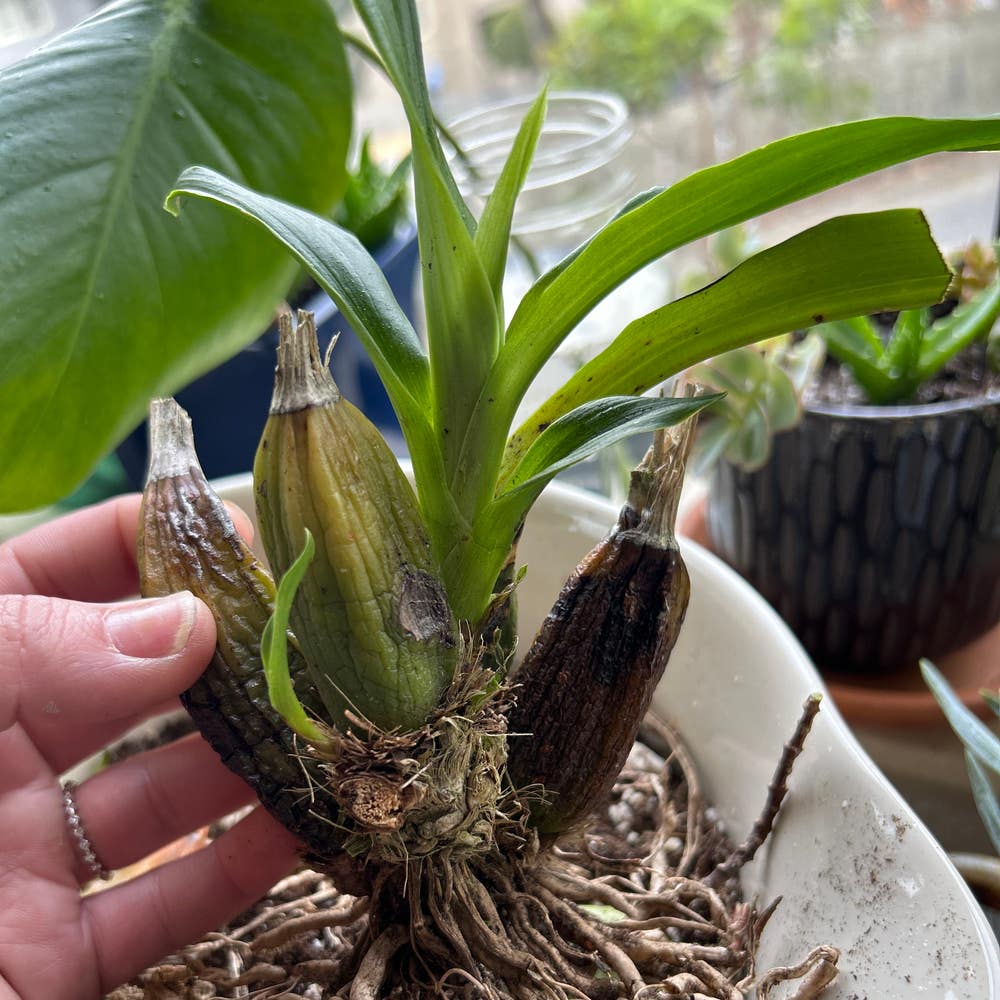
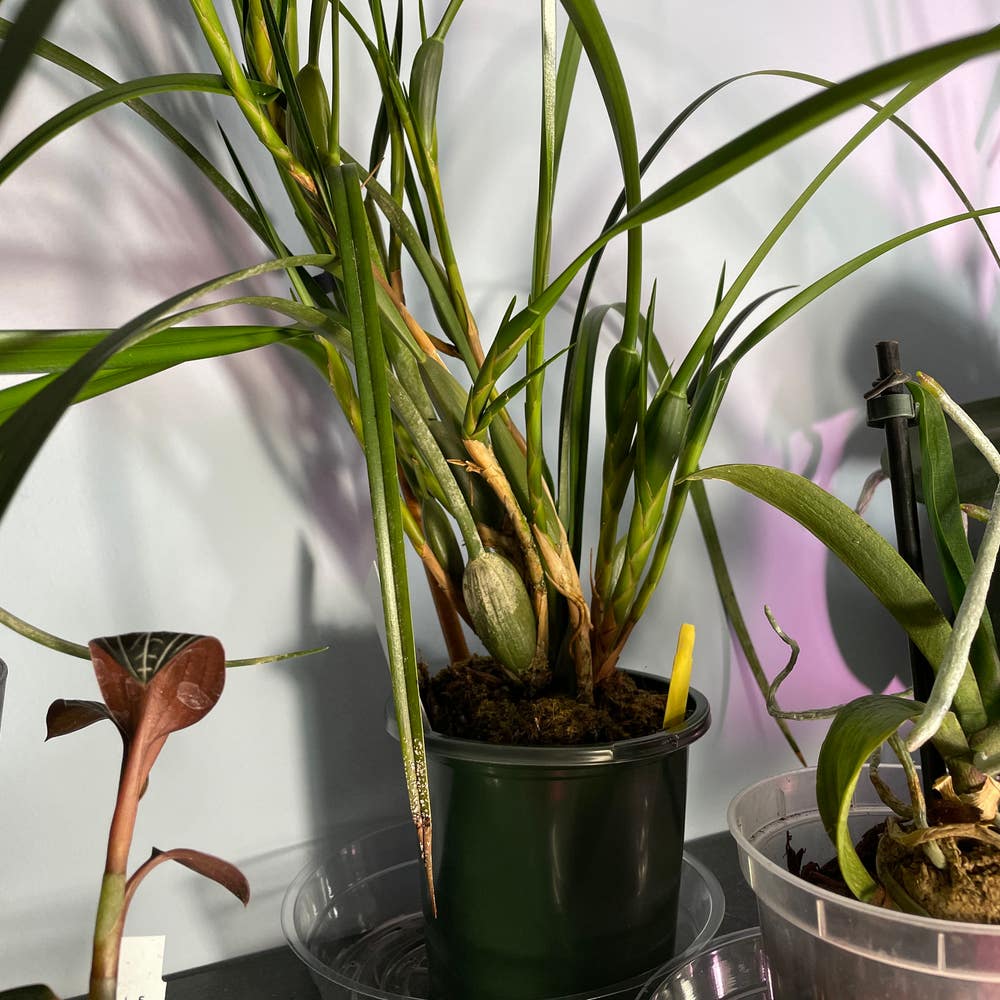
Overview of Eulophia ustulata
Eulophia ustulata
By the Greg Editorial Team
Feb 27, 2025•12 min read
This article was created with the help of AI so we can cover more plants for you. May contain errors. See one? Report it here.
- 🌞 Eulophia ustulata thrives in bright, indirect light but adapts to various conditions.
- 🌱 Use well-draining, slightly acidic soil for optimal growth and health.
- 💧 Maintain consistent moisture to prevent root rot; avoid overwatering or underwatering.
How to Grow
Choosing a Location 🌞
Eulophia ustulata thrives in bright, indirect light but can adapt to partial shade or full sun. When deciding between outdoor and container growing, consider that containers offer flexibility in placement, while outdoor settings provide natural conditions that can enhance growth.
Soil Preparation 🌱
For optimal growth, use well-draining, fertile soil enriched with organic matter. Aim for a slightly acidic to neutral pH level, ideally between 6.0 and 7.0, to support healthy root development.
Planting Techniques 🌿
When planting, ensure that the roots are adequately covered without being buried too deep. Additionally, provide enough spacing between plants to promote airflow and prevent overcrowding.
Watering Requirements 🚰
Keep the soil consistently moist, but avoid waterlogging, which can lead to root rot. Be vigilant for signs of overwatering, such as yellowing leaves, or underwatering, indicated by wilting.
Fertilizing Schedule 🍽️
During the growing season, use a balanced fertilizer to nourish your Eulophia ustulata. Monthly feedings will support active growth and flowering, ensuring your plant remains vibrant.
Pruning Methods ✂️
Prune your plant after flowering to encourage fresh growth. Focus on removing any dead or damaged leaves to maintain its health and appearance.
Ongoing Care Tips 🛡️
Regularly monitor your plant for pests and diseases, adjusting care as needed with the changing seasons. Staying proactive will help you maintain a thriving Eulophia ustulata in your garden.
With these foundational care tips, you're well on your way to cultivating a healthy Eulophia ustulata. Next, let's explore the various methods of propagation to expand your collection!
Propagation
🌱 Seed Propagation
To propagate Eulophia ustulata from seeds, start by collecting mature seeds from the plant. Prepare a suitable medium, such as a mix of peat and perlite, and then sow the seeds, ensuring they are lightly covered.
For optimal germination, maintain warm temperatures and humidity levels. This will create a conducive environment for the seeds to sprout, typically within 2-4 weeks.
✂️ Division of Rhizomes
Dividing rhizomes is an effective way to propagate Eulophia ustulata. The best time for this is in spring or fall when the plant is actively growing.
Carefully separate the rhizomes, ensuring each piece has roots attached, and replant them in well-draining soil. This method not only increases your plant count but also rejuvenates older plants.
🌼 Offsets and Bulb Propagation
Offsets are another propagation method for Eulophia ustulata. Look for new growth around the base of the plant, which indicates potential offsets ready for separation.
To propagate via offsets, gently detach them from the parent plant and replant them in suitable soil. This method is straightforward and can quickly expand your collection of these beautiful orchids.
With these propagation techniques, you can enjoy the beauty of Eulophia ustulata in multiple locations, enhancing your garden's diversity and charm. Next, let's explore the lifecycle of this fascinating plant.
Lifecycle
Overview of Lifecycle Stages 🌱
Eulophia ustulata is a perennial plant, meaning it lives for multiple years. This longevity allows it to thrive in various environments, adapting to seasonal changes.
Germination Process 🌱
Seeds of Eulophia ustulata typically germinate within 2-4 weeks. This quick turnaround sets the stage for a vibrant life cycle.
Seedling Stage 🌱
During the seedling stage, the plant develops true leaves and establishes its root system. This is a crucial phase for building a strong foundation for future growth.
Vegetative Growth 🌱
In the vegetative growth phase, Eulophia ustulata focuses on leaf development and root expansion. This is when the plant gathers energy and nutrients to prepare for flowering.
Flowering Phase 🌸
Flowers usually appear in late spring to summer, showcasing the plant's beauty. This phase is not just about aesthetics; it plays a vital role in reproduction.
Seed Production 🌱
After flowering, seed pods develop and mature. This process ensures the continuation of the species and provides opportunities for propagation.
Lifespan and Growth Rate 🌱
With proper care, Eulophia ustulata can live several years. Its growth rate is moderate, with full maturity typically reached in 2-3 years, making it a rewarding addition to any garden.
This lifecycle overview highlights the resilience and adaptability of Eulophia ustulata. Understanding these stages can help you provide the best care for your plant, ensuring it thrives for years to come. Next, let’s explore how to effectively propagate this beautiful perennial.
Size
Mature Height and Spread 🌱
Eulophia ustulata typically reaches a height of 30-60 cm (12-24 inches). This moderate size makes it an excellent choice for both garden beds and container arrangements.
Growth Rate and Size Variability 📈
Several factors can influence the size of Eulophia ustulata. Light exposure, watering practices, and soil quality all play crucial roles in determining how robust your plant will grow.
In optimal conditions, you can expect a healthy, thriving plant. Conversely, neglecting any of these factors may result in stunted growth or smaller plants.
Understanding these variables can help you create the perfect environment for your Eulophia ustulata to flourish. As you cultivate this beautiful plant, keep an eye on its growth patterns to ensure it reaches its full potential.
Next, we will explore the fascinating root system of Eulophia ustulata and how it supports its overall health.
Roots
🌱 Root System Characteristics
Eulophia ustulata features a unique root system composed of fleshy, water-storing roots that are rhizomatous. This adaptation allows the plant to thrive in various conditions, making it resilient and drought-tolerant.
📏 Depth and Spread of Roots
Typically, the roots can extend 30-45 cm (12-18 inches) deep. This depth provides stability and access to moisture, essential for the plant's growth.
⚠️ Common Root-Related Issues
One of the most common problems is root rot, which occurs due to overwatering. Signs of this issue include mushy roots that can lead to the plant's decline if not addressed promptly.
🔍 Identifying Healthy vs. Unhealthy Roots
Healthy roots are firm and exhibit a white or light tan color. In contrast, unhealthy roots appear dark, mushy, or may even emit a foul smell, indicating a need for immediate intervention.
🌿 Recognizing Rootbound Plants
If you notice roots growing out of drainage holes or circling the pot, your Eulophia ustulata may be rootbound. The solution is simple: repot the plant into a larger container to give it room to grow and thrive.
Understanding the root system of Eulophia ustulata is crucial for its care. By monitoring root health and addressing issues early, you can ensure your plant remains vibrant and healthy. Next, let’s explore the benefits of growing this fascinating plant.
Benefits
Top 5 Benefits 🌟
1. Aesthetic Appeal
Eulophia ustulata boasts striking flowers that can elevate the beauty of any garden. Their vibrant colors and unique shapes make them a standout choice for plant enthusiasts.
2. Pollinator Attraction
This plant plays a vital role in supporting local ecosystems. By attracting bees and butterflies, it helps promote biodiversity and encourages a thriving garden environment.
3. Drought Tolerance
Thanks to its unique root system, Eulophia ustulata can survive in dry conditions. This resilience makes it an excellent choice for gardeners in areas with limited water resources.
4. Cultural Significance
In some regions, Eulophia ustulata is valued for its traditional medicinal uses. This cultural connection adds depth to its appeal, making it more than just a pretty plant.
5. Versatile Growing Conditions
Eulophia ustulata adapts well to various light and soil types. Whether in bright sunlight or partial shade, this plant can thrive, making it a flexible option for diverse gardening setups.
These benefits make Eulophia ustulata a fantastic addition to any garden, combining beauty, ecological importance, and adaptability. As we explore further, you'll discover how to propagate and care for this remarkable plant.
Companion Plants
🌱 Concept of Companion Planting
Companion planting is all about creating a harmonious garden ecosystem. By pairing plants that benefit each other, you can enhance garden diversity and improve pest management.
🌼 Best Companion Plants
When growing Eulophia ustulata, consider these excellent companions:
- Other Orchids: They share similar care requirements and thrive in similar environments.
- Ferns: Their lush foliage provides a beautiful contrast and helps maintain humidity.
- Shade-Tolerant Plants: These can fill in spaces without competing for light, ensuring a balanced garden.
🚫 Plants to Avoid
While some plants work well together, others can create competition for resources or attract pests. Avoid planting Eulophia ustulata near:
- Aggressive Weeds: They can outcompete your orchids for nutrients and water.
- Heavy Feeders: Plants that require a lot of nutrients may deplete the soil, leaving your orchids struggling.
- Pest-attracting Plants: Certain flowers can draw in unwanted insects, putting your Eulophia at risk.
By choosing the right companions, you can create a thriving garden that supports your Eulophia ustulata and enhances its beauty. This thoughtful approach not only benefits your plants but also contributes to a healthier garden ecosystem overall.
Toxicity to Humans
Eulophia ustulata is generally safe and is not listed as toxic by major poison control centers. This means you can enjoy its beauty without worrying about severe health risks.
However, it's worth noting that consuming large quantities may lead to mild skin irritation or digestive discomfort.
Always exercise caution when handling any plant and seek medical advice if you experience unusual symptoms after contact or consumption.
Staying informed helps you appreciate this unique plant while ensuring your safety.
Toxicity to Dogs
Eulophia ustulata is generally safe for dogs, as it is not listed as toxic by major pet poison control centers. This means you can enjoy this beautiful plant without worrying too much about your furry friends.
However, it's important to note that if dogs consume large quantities, they may experience mild gastrointestinal upset. Keep an eye on your pets and ensure they don't munch on the leaves or flowers excessively.
🐶 Tips for Safe Plant Placement
To minimize any risk, consider these tips:
- Location: Place Eulophia ustulata in areas that are less accessible to your dog. Elevated pots or hanging baskets can be effective.
- Monitoring: Regularly observe your dog's behavior around the plant. If they show interest in chewing, it might be best to relocate the plant.
By taking these precautions, you can enjoy the beauty of Eulophia ustulata while keeping your canine companions safe. Now, let’s explore how this plant interacts with cats.
Toxicity to Cats
Eulophia ustulata is generally safe for cats, as it is not listed as toxic by major pet poison control centers. This means you can enjoy this beautiful plant without worrying too much about your feline friends.
However, if your cat decides to nibble on the leaves, there could be minor issues. Eating large quantities may lead to mild gastrointestinal upset, so it's best to keep an eye on their behavior around the plant.
🐱 Tips for Cat Owners
To ensure a harmonious relationship between your cat and Eulophia ustulata, consider these simple tips:
Proper Placement: Position the plant in areas that are less accessible to your cat. High shelves or hanging planters can work wonders.
Monitoring Behavior: Keep an eye on your cat's interactions with the plant. If they show excessive interest, it might be time to relocate it.
By following these guidelines, you can enjoy the beauty of Eulophia ustulata while keeping your curious cat safe.
As we move forward, let’s explore how to manage potential problems that may arise with this lovely plant.
Problems
Common Problems 🌱
Growing Eulophia ustulata can be rewarding, but it’s not without its challenges. Understanding the common problems can help you keep your plant thriving.
Incorrect Watering 🚰
Watering is crucial for Eulophia ustulata. Overwatering can lead to root rot, where roots become mushy and dark, while underwatering causes the leaves to wilt and dry out.
Incorrect Light Conditions 💡
Light conditions play a significant role in plant health. Insufficient light can result in leggy growth and pale leaves, while excessive light may scorch the leaves, leading to brown tips and edges.
Diseases 🦠
Fungal diseases can be a concern for Eulophia ustulata. Powdery mildew appears as a white, powdery coating on leaves, while root rot can develop from overly wet soil conditions.
Leaf Issues 🍃
Leaf problems are often the first signs of distress. Yellowing leaves may indicate nutrient deficiencies or overwatering, while scorching can signal too much direct sunlight. Fuzzy growth on leaves often points to fungal infections.
By keeping an eye on these common issues, you can ensure your Eulophia ustulata remains healthy and vibrant. Next, let’s explore the potential pest problems that can affect your plant.
Bugs
🐞 Potential Pest Issues
Eulophia ustulata is generally considered to be pest-resistant, making it a resilient choice for gardeners. However, like any plant, it can still fall victim to certain pests if not monitored regularly.
🔍 Identification of Pests
Common pests that may target Eulophia ustulata include spider mites, aphids, and mealybugs. Each of these pests can cause significant damage if left unchecked, so it's essential to know what to look for.
⚠️ Damage Caused by Pests
Signs of infestation can vary but often include yellowing leaves, webbing (in the case of spider mites), and sticky residue from aphids. If you notice these symptoms, it’s a clear indication that your plant needs immediate attention.
🧴 Treatment Options
Managing pest issues effectively involves a few straightforward methods. You can start with insecticidal soap or neem oil, both of which are effective against a range of pests without harming the plant. Regularly inspecting your plant and maintaining good hygiene in your garden can also help prevent infestations.
By staying vigilant and employing these treatment options, you can keep your Eulophia ustulata thriving and beautiful. Next, let’s explore what animals might be interested in munching on this stunning plant.
What Eats Eulophia ustulata
🦌 Common Animals
Eulophia ustulata can attract a variety of hungry visitors. Common culprits include deer, rabbits, and squirrels, all of which may find the plant's foliage and flowers appealing.
👀 Signs of Animal Presence
To identify if animals are feasting on your Eulophia ustulata, look for specific signs. Tracks, droppings, and visible damage to the plant can indicate that wildlife is nearby.
🐾 Types of Damage Caused
Different animals tend to target various parts of the plant. Deer often munch on leaves and stems, while rabbits may nibble at the base, and squirrels might dig around the roots.
🚫 Deterrent Methods
Protecting your Eulophia ustulata from these hungry animals is essential. Here are some effective methods:
- Chemical Repellents: Use commercial sprays designed to deter animals.
- Organic Solutions: Consider natural deterrents like garlic or hot pepper sprays.
- Physical Barriers: Fencing or netting can provide a strong defense against larger animals.
By implementing these strategies, you can safeguard your Eulophia ustulata and enjoy its beauty without the worry of unwanted munchers.
⚠️ Safety First
This content is for general information and may contain errors, omissions, or outdated details. It is not medical, veterinary advice, or an endorsement of therapeutic claims.
Always consult a qualified healthcare professional before using any plant as food, medicine, or supplement.
Never eat any plant (or feed one to pets) without confirming its identity with at least two trusted sources.
If you suspect poisoning, call Poison Control (800) 222-1222, the Pet Poison Helpline (800) 213-6680, or your local emergency service immediately.
Spotted an error? Please report it here.
Help your Eulophia ustulata thrive 🌱 with Greg's customized watering alerts and fertilization reminders, ensuring your plant reaches its full potential in any lighting condition!