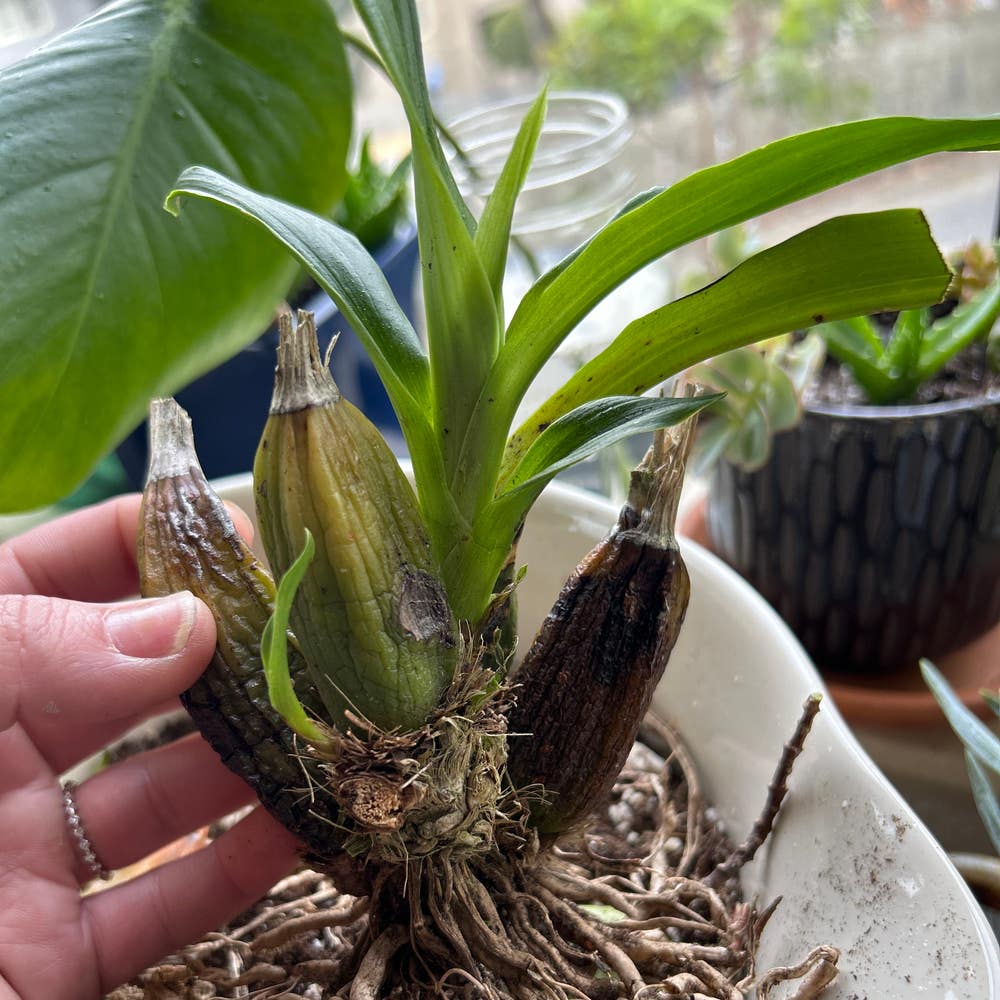
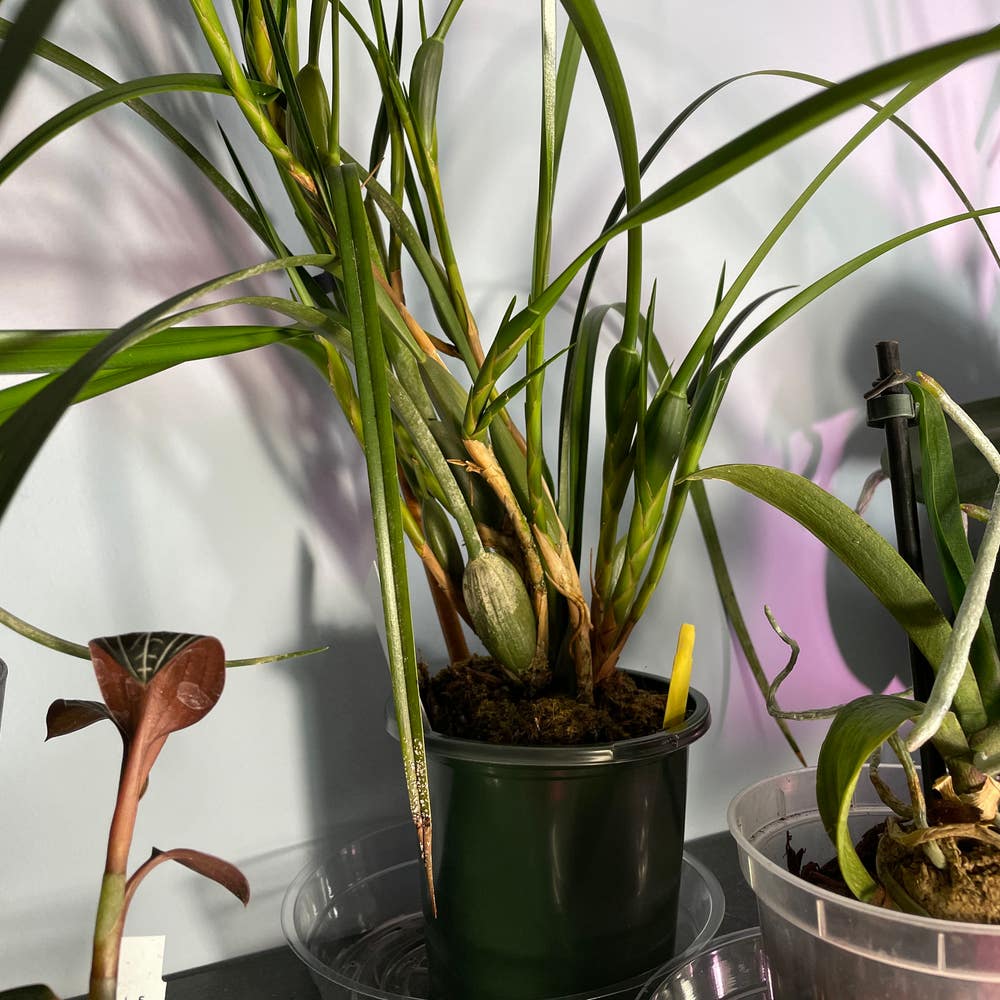
What You Should Know About Eulophia tuberculata
Eulophia tuberculata
By the Greg Editorial Team
Feb 27, 2025•12 min read
This article was created with the help of AI so we can cover more plants for you. May contain errors. See one? Report it here.
Unlock the secrets to thriving Eulophia tuberculata 🌿 and elevate your garden with this resilient beauty!
- 🌞 Eulophia tuberculata thrives in full sun to partial shade for optimal growth.
- 🌱 Use well-draining, fertile soil with a pH of 6.0 to 7.0 for planting.
- 🌿 Maintain consistent soil moisture to prevent root rot and ensure healthy growth.
How to Grow
Choosing a Location 🌞
Eulophia tuberculata thrives in full sun to partial shade. When deciding between outdoor and container growing, consider the space and light availability.
Soil Preparation 🌱
For optimal growth, use well-draining, fertile soil. Aim for a soil pH between 6.0 and 7.0, which is slightly acidic to neutral.
Planting Techniques 🌿
When planting tubers, ensure they are buried 2-3 inches deep. Space them 12-18 inches apart to allow for healthy growth.
Watering Requirements 💧
Keep the soil consistently moist but avoid waterlogging. Watch for signs of overwatering, like yellowing leaves, or underwatering, which may cause wilting.
Fertilizing Schedule 🌼
Use a balanced NPK fertilizer to nourish your plants. Fertilize every 4-6 weeks during the growing season for best results.
Pruning Methods ✂️
Prune Eulophia tuberculata after flowering to promote new growth. Focus on removing any dead or damaged leaves to keep the plant healthy.
Ongoing Care Tips 🔍
Regularly monitor your plants for pests and diseases. Adjust your care routine based on seasonal changes to ensure optimal health.
Outdoor vs. Container Growing 🏡
Container growing offers mobility and a controlled environment, making it easier to manage conditions. However, outdoor planting requires careful attention to soil quality and drainage to support healthy growth.
With these guidelines, you're well on your way to successfully cultivating Eulophia tuberculata. Next, let's explore how to propagate this resilient plant for even more growth opportunities.
Propagation
🌱 Seed Propagation
Seed propagation is an exciting way to grow Eulophia tuberculata. Harvest seeds when they are fully mature, typically after flowering, and ensure you collect them at the right time to maximize germination rates.
For successful germination, maintain optimal conditions: temperatures between 70-75°F and consistent moisture. This will create a welcoming environment for your seeds to sprout.
✂️ Division of Rhizomes
Dividing rhizomes is another effective propagation method. The best time for this is early spring or fall when the plant is less active, ensuring minimal stress during the process.
To divide, carefully separate the rhizomes while keeping the roots intact. This technique encourages healthy growth and can lead to more robust plants.
🌼 Offsets and Bulb Propagation
Offsets are a great way to propagate Eulophia tuberculata. Look for healthy offsets that are at least a few inches tall and ready for separation.
When planting offsets, consider depth and spacing. Aim for a depth of about 2-3 inches and space them 12-18 inches apart to allow for optimal growth and airflow.
By mastering these propagation techniques, you can expand your Eulophia tuberculata collection and enjoy its beauty in various locations. Next, let’s explore the lifecycle of this fascinating plant.
Lifecycle
🌱 Lifecycle Stages
Eulophia tuberculata is a perennial plant, meaning it lives for multiple years, unlike annuals that complete their life cycle in one season. This longevity allows it to establish a robust root system and thrive in various environments.
🌱 Germination Process
Seeds of Eulophia tuberculata typically germinate within 2-4 weeks. For optimal germination, maintain warm temperatures and consistent moisture, creating a nurturing environment for the seeds to sprout.
🌱 Seedling Stage
Once germinated, seedlings take about 4-6 weeks to develop before they are ready for transplanting. During this stage, ensure they receive adequate light and moisture to promote healthy growth.
🌱 Vegetative Growth
The vegetative growth phase lasts around 3-4 months, during which the plant focuses on developing leaves and roots. This period is crucial for building the energy reserves needed for flowering.
🌱 Flowering Phase
Eulophia tuberculata usually flowers in late spring to early summer. The vibrant blooms not only enhance garden aesthetics but also attract pollinators, contributing to local biodiversity.
🌱 Seed Production
After flowering, the plant produces seed pods, which develop as the flowers fade. This process is essential for the continuation of the species, allowing new plants to emerge in subsequent seasons.
🌱 Lifespan and Growth Timeline
Under optimal conditions, Eulophia tuberculata can live for 3-5 years. It grows at a moderate rate, reaching full maturity in about 2-3 years, making it a rewarding addition to any garden.
This lifecycle overview highlights the resilience and beauty of Eulophia tuberculata, setting the stage for understanding its growing needs and benefits. Next, let’s explore how to effectively propagate this remarkable plant.
Size
Mature Height and Spread 🌱
Eulophia tuberculata typically reaches an average height of 1 to 3 feet. Its spread can range from 1 to 2 feet wide, making it a manageable addition to various garden spaces.
Growth Rate Specifics 📈
This plant exhibits a moderate growth rate, which can vary based on environmental conditions. Factors such as temperature, light, and moisture play significant roles in how quickly it develops.
Size Variability Based on Conditions 🌍
Several factors can influence the size of Eulophia tuberculata. Soil quality, moisture levels, and light exposure are crucial; optimal conditions will yield healthier and larger plants.
Understanding these aspects can help you create the best environment for your Eulophia tuberculata, ensuring it thrives and adds beauty to your garden. Next, let’s explore the fascinating process of propagation for this resilient plant.
Roots
Root System Characteristics 🌱
Eulophia tuberculata features a tuberous root system that is essential for its growth and stability. These roots typically extend 12-18 inches deep, allowing the plant to access nutrients and moisture effectively.
Growth Patterns 🌿
This plant exhibits seasonal growth, with active development primarily occurring in spring and summer. During these months, you can expect vigorous root expansion that supports overall plant health.
Common Root-Related Issues ⚠️
Root rot is a significant concern for Eulophia tuberculata, often caused by overwatering or poorly draining soil. Signs of root rot include a foul smell and mushy roots, which can be prevented by ensuring proper drainage and watering practices.
Identifying healthy roots is crucial for maintaining plant vitality. Healthy roots should be firm, white, and free from any unpleasant odors, while unhealthy roots may appear brown or black and feel soft.
Recognizing Rootbound Plants 🪴
A rootbound plant occurs when its roots circle the pot, limiting growth and nutrient absorption. Signs of a rootbound Eulophia tuberculata include stunted growth and water pooling on the surface after watering.
To remedy this issue, consider repotting the plant into a larger container. Timing is essential; early spring is ideal for repotting, allowing the plant to adjust and thrive in its new environment.
With proper care and attention to its root system, Eulophia tuberculata can flourish beautifully in your garden or home. Next, let’s explore the numerous benefits this plant offers to gardeners and the environment.
Benefits
Eulophia tuberculata offers a range of benefits that make it a fantastic addition to any garden. Here are the top five advantages:
1. Aesthetic Appeal 🌸
The attractive flowering spikes of Eulophia tuberculata can significantly enhance your garden's beauty. Their vibrant blooms create a stunning visual display that draws the eye and elevates the overall landscape.
2. Drought Tolerance 💧
Once established, this plant is drought-tolerant, which means it requires less water than many other garden varieties. This resilience not only saves you time on watering but also conserves water resources.
3. Biodiversity Support 🐝
Eulophia tuberculata plays a crucial role in supporting local biodiversity. Its flowers attract various pollinators, including bees and butterflies, which are essential for a healthy ecosystem.
4. Edible Tubers 🍽️
The tubers of Eulophia tuberculata are edible and can be incorporated into traditional dishes. This adds a unique culinary element to your gardening efforts, allowing you to enjoy homegrown produce.
5. Cultural Significance 🌍
In many regions, Eulophia tuberculata symbolizes resilience and beauty. Its cultural importance adds depth to your gardening experience, connecting you to traditions and stories that enrich your appreciation for this plant.
Incorporating Eulophia tuberculata into your garden not only beautifies your space but also contributes to environmental health and cultural richness. As we explore further, we’ll delve into companion planting, which can enhance the benefits of this remarkable plant even more.
Companion Plants
🌱 Concept of Companion Planting
Companion planting is a gardening strategy that enhances biodiversity and pest management. By selecting the right plants to grow together, you can create a more resilient garden ecosystem.
🌼 Best Companion Plants
Some of the best companions for Eulophia tuberculata include:
- Marigolds: These vibrant flowers repel pests and attract beneficial insects.
- Other Flowering Perennials: They can provide additional color and attract pollinators, enriching the garden environment.
🚫 Plants to Avoid
Be cautious of heavy feeders that might compete for nutrients. Plants like corn or tomatoes can overshadow Eulophia tuberculata, leading to stunted growth and poor health.
Incorporating companion plants not only boosts the health of your Eulophia tuberculata but also creates a lively and diverse garden space. As you plan your garden, consider these relationships to maximize your plants' potential.
Toxicity to Humans
Safety Overview 🌿
Eulophia tuberculata is generally considered safe and is not listed as toxic by major poison control centers. This makes it a great choice for gardens where safety is a priority.
Potential Minor Issues ⚠️
While it’s not toxic, consuming large quantities of the plant may lead to mild skin irritation or digestive discomfort. It's always wise to enjoy plants in moderation.
Cautionary Advice 🩺
If you experience unusual symptoms after contact or consumption, exercise caution and seek medical advice. Staying informed helps ensure a safe and enjoyable gardening experience.
Toxicity to Dogs
Safety Overview 🐶
Eulophia tuberculata is not considered toxic by major pet poison control centers. This means you can enjoy this beautiful plant without worrying about your furry friends facing serious health risks.
Potential Minor Issues 🤢
While generally safe, consuming large quantities of the plant may lead to mild gastrointestinal upset in dogs. It's always best to monitor your pet's behavior around new plants to ensure they don't indulge too much.
Tips for Introducing to Homes with Dogs 🏡
To keep your dog safe, place Eulophia tuberculata out of reach of curious noses. Additionally, keep an eye on your dog's interactions with the plant to catch any unusual behavior early on.
With these precautions in mind, you can enjoy the beauty of Eulophia tuberculata while ensuring your dog's safety. Next, let’s explore how this plant interacts with our feline friends.
Toxicity to Cats
🛡️ Safety Overview
Eulophia tuberculata is not listed as toxic by major pet poison control centers. This means that, generally, your feline friends can coexist with this plant without significant risk.
⚠️ Potential Minor Issues
However, it's worth noting that excessive consumption may lead to mild gastrointestinal upset. While it's not a serious concern, it's always good to keep an eye on your cat's behavior.
🐾 Tips for Introducing to Homes with Cats
To ensure a safe environment, consider keeping Eulophia tuberculata elevated or out of reach. This simple step can prevent curious cats from nibbling on the leaves.
Additionally, monitor your cat's interactions with the plant. Observing their behavior can help you catch any unusual reactions early on.
With these precautions, you can enjoy the beauty of Eulophia tuberculata while keeping your feline companions safe. Now, let’s explore the common problems that can arise when caring for this plant.
Problems
Common Problems 🌱
Growing Eulophia tuberculata can be rewarding, but it comes with its share of challenges. Understanding these common problems can help you maintain a healthy plant.
Incorrect Watering 🚰
Watering is crucial for Eulophia tuberculata. Overwatering can lead to root rot, while underwatering may cause wilting.
Signs of Overwatering:
- Yellowing leaves
- Moldy soil surface
Signs of Underwatering:
- Drooping leaves
- Dry, cracked soil
Incorrect Light Conditions 💡
Light plays a vital role in plant health. Insufficient light can stunt growth, while excessive light may scorch the leaves.
Symptoms of Insufficient Light:
- Leggy growth
- Pale leaves
Symptoms of Excessive Light:
- Leaf scorch
- Faded colors
Incorrect Temperature 🌡️
Temperature extremes can stress your plant. Eulophia tuberculata thrives in moderate conditions.
Effects of Temperature Extremes:
- Cold stress can cause leaf drop.
- Heat stress may lead to wilting and browning.
Diseases 🦠
Fungal diseases can be a significant threat. Common issues include powdery mildew and root rot.
Powdery Mildew:
- White, powdery spots on leaves
- Reduced growth and vigor
Root Rot:
- Dark, mushy roots
- Stunted growth and wilting
Leaf Issues 🍃
Leaf problems can indicate underlying issues. Identifying these symptoms early can save your plant.
Identifying Scorching:
- Brown, crispy leaf edges
- Often caused by too much sun or heat
Identifying Yellowing:
- General yellowing may indicate nutrient deficiencies or overwatering.
Identifying Fuzzy Growth:
- Fuzzy growth can signal fungal infections or pests.
By keeping an eye on these common problems, you can ensure your Eulophia tuberculata thrives. Next, let's explore how to effectively manage pests that may threaten your plant's health.
Bugs
🐞 Potential Pest Issues
Eulophia tuberculata can face various pest challenges, impacting its health and growth. Understanding pest resistance and susceptibility is crucial for effective management.
🔍 Identification of Pests
Common pests that may target Eulophia tuberculata include:
- Spider mites: Tiny, web-spinning pests that thrive in dry conditions.
- Mealybugs: White, cottony masses that suck sap from the plant.
- Aphids: Small, green or black insects that cluster on new growth.
⚠️ Damage Caused by Pests
Pest infestations can lead to several symptoms, including:
- Yellowing leaves: Often a sign of sap-sucking pests.
- Stunted growth: Resulting from nutrient depletion.
- Webbing: A clear indicator of spider mite presence.
🧪 Treatment Options
Managing pests effectively involves a mix of organic and chemical treatments. Here are some options:
- Insecticidal soap: A gentle yet effective way to eliminate soft-bodied insects.
- Neem oil: A natural pesticide that disrupts the life cycle of pests.
- Chemical insecticides: Use as a last resort, ensuring they are safe for your plant and environment.
By staying vigilant and employing these strategies, you can keep your Eulophia tuberculata thriving and pest-free. Next, let’s explore what animals might be interested in munching on your plants.
What Eats
🦌 Common Animals
Eulophia tuberculata can attract a variety of hungry critters. Common visitors include deer, rabbits, squirrels, and rodents, all of which may find the plant's foliage and tubers quite appealing.
🕵️♂️ Signs of Animal Presence
To determine if animals are munching on your plants, look for specific signs. Tracks, droppings, and visible feeding damage can indicate which animals are visiting your garden.
🐾 Types of Damage
Different animals tend to target various parts of the plant. Deer often nibble on leaves and stems, while rabbits and squirrels may dig up tubers or munch on young shoots.
🚫 Deterrent Methods
Protecting your Eulophia tuberculata from these hungry visitors can be achieved through several methods. Consider using chemical repellents or organic options like garlic spray to keep them at bay.
Additionally, physical barriers such as fencing or netting can provide effective protection against larger animals. By employing these strategies, you can enjoy your plants without the worry of them becoming a snack.
With the right precautions, your garden can thrive, free from the nibbling of unwanted guests.
⚠️ Safety First
This content is for general information and may contain errors, omissions, or outdated details. It is not medical, veterinary advice, or an endorsement of therapeutic claims.
Always consult a qualified healthcare professional before using any plant as food, medicine, or supplement.
Never eat any plant (or feed one to pets) without confirming its identity with at least two trusted sources.
If you suspect poisoning, call Poison Control (800) 222-1222, the Pet Poison Helpline (800) 213-6680, or your local emergency service immediately.
Spotted an error? Please report it here.
Grow your Eulophia tuberculata like a pro 🌱 with Greg's tailored care reminders and expert tips to keep it thriving and deliciously rewarding!