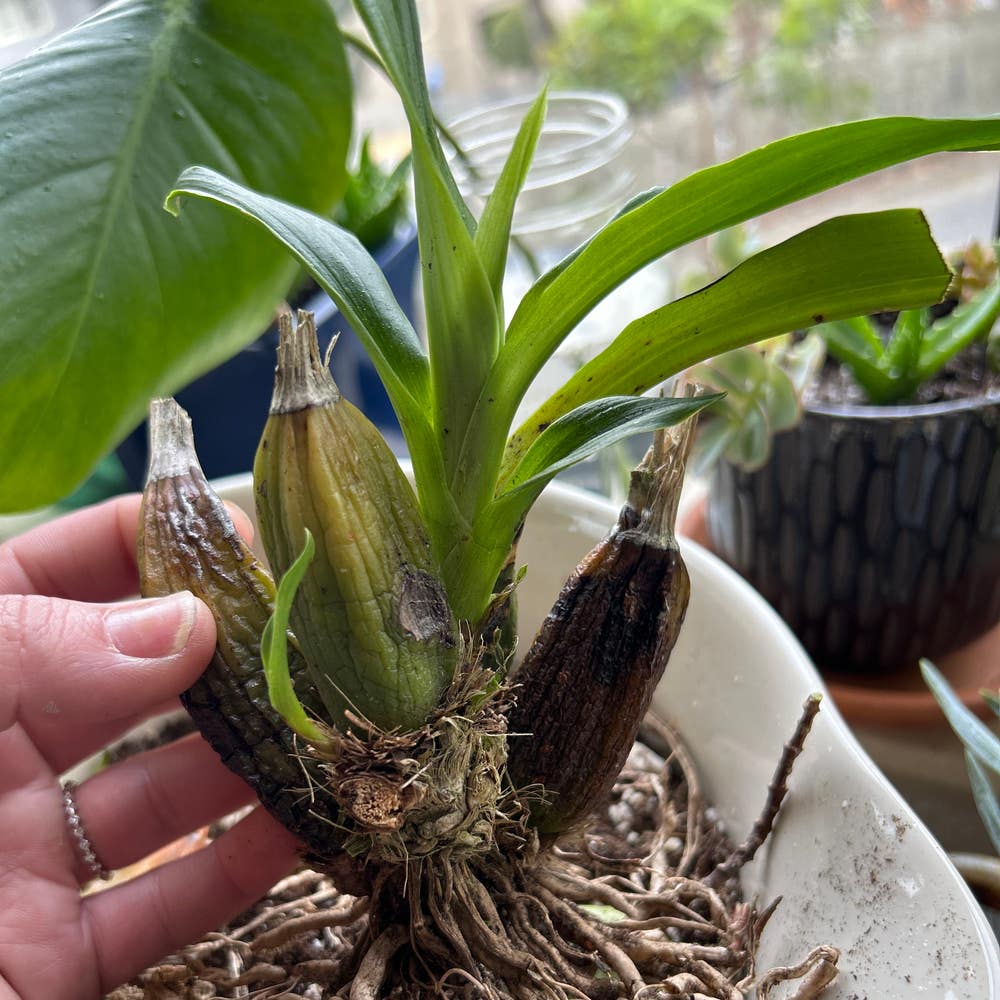
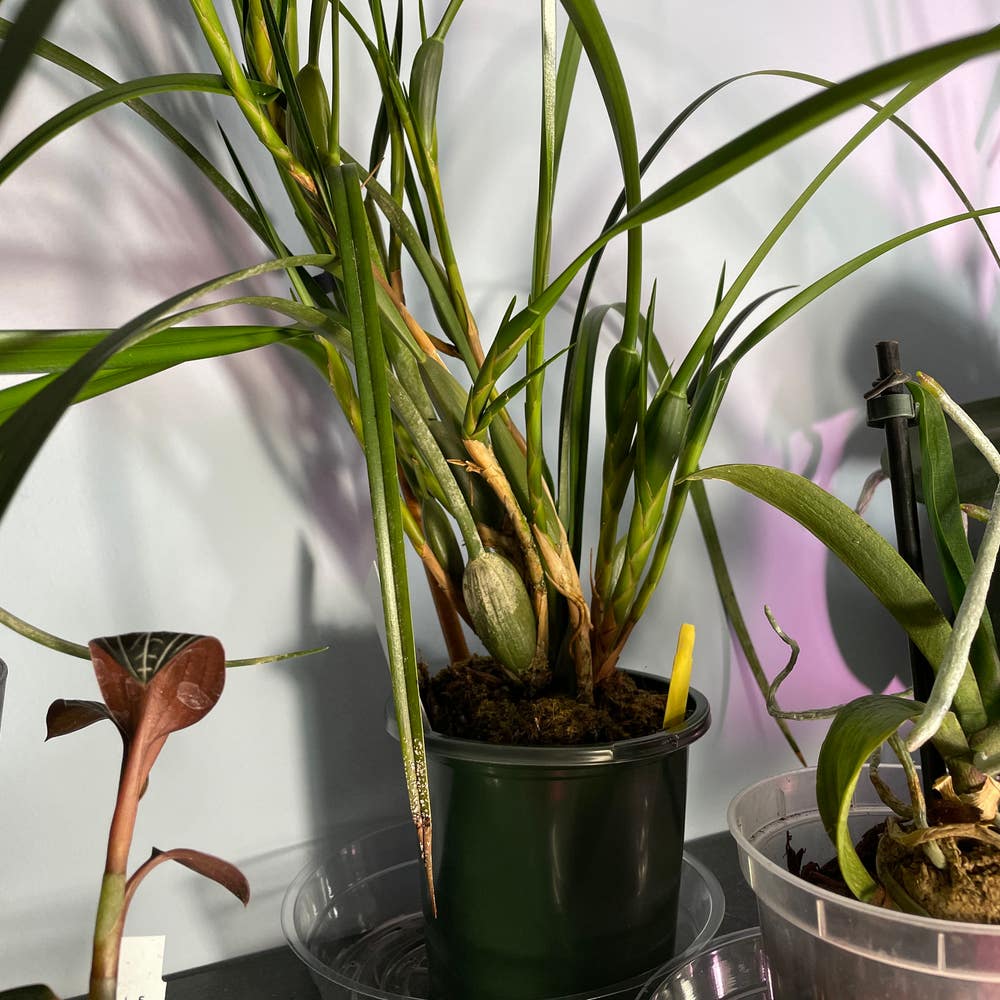
🌸 Overview of Eulophia thomsonii
Eulophia thomsonii
By the Greg Editorial Team
Feb 27, 2025•12 min read
This article was created with the help of AI so we can cover more plants for you. May contain errors. See one? Report it here.
- 🌱 Eulophia thomsonii thrives in partial shade but adapts to various light conditions.
- 🌿 Use well-draining, nutrient-rich soil with a pH of 6.0 to 7.0 for optimal growth.
- 💧 Regular watering is essential; keep soil moist without waterlogging to prevent wilting.
How to Grow
Choosing a Location 🌳
Eulophia thomsonii thrives in partial shade but can adapt to various light conditions. When deciding between outdoor or container growing, consider your available space and the local environment.
Soil Preparation 🏞️
For optimal growth, use well-draining, nutrient-rich soil. Aim for a pH level between 6.0 and 7.0, which is slightly acidic to neutral.
Planting Techniques 🌱
Plant your Eulophia thomsonii tubers 2-3 inches deep to ensure stability. Space them 12-18 inches apart to promote healthy growth and airflow.
Watering Requirements 💧
Regular watering is essential to keep the soil moist without causing waterlogging. Watch for signs of overwatering, like yellowing leaves, or underwatering, indicated by wilting.
Fertilizing Schedule 🌾
Utilize a balanced NPK fertilizer to nourish your plants. Apply it every 4-6 weeks during the growing season for best results.
Pruning Methods ✂️
Prune your Eulophia thomsonii after flowering to encourage fresh growth. Focus on removing dead or damaged leaves and spent flowers to keep the plant healthy.
Ongoing Care Tips 🔍
Keep an eye out for pests and diseases that may affect your plants. Adjust your care routine based on seasonal changes to ensure optimal health and growth.
With these guidelines, you’re well on your way to cultivating a thriving Eulophia thomsonii. Next, let’s explore how to propagate this beautiful plant effectively.
Propagation
🌱 Seed Propagation Steps
Collecting seeds from Eulophia thomsonii is best done when the seed pods are dry and brown. This timing ensures that the seeds are mature and ready for germination.
For germination, aim for optimal conditions: a temperature range of 70-75°F and consistent moisture. Keeping the seeds in a warm, humid environment will help them sprout effectively.
Once seedlings have developed a few true leaves, it's time to transplant them. Choose a cloudy day or late afternoon to minimize stress, and ensure the new location has well-draining soil.
🥔 Division of Tubers for Propagation
The best time to divide tubers is in early spring, just as new growth begins. This timing allows the plant to recover quickly and thrive in its new setup.
To safely separate tubers, gently dig around the base and carefully pull them apart, ensuring each piece has roots attached. Avoid damaging the tubers to promote healthy growth.
When replanting, place the tubers 2-3 inches deep and space them 12-18 inches apart. This spacing allows for optimal growth and air circulation.
With these propagation techniques, you can expand your Eulophia thomsonii collection and enjoy their beauty in multiple locations. Next, let’s explore the lifecycle of this fascinating plant and what to expect as it grows.
Lifecycle
Lifecycle Stages 🌱
The lifecycle of Eulophia thomsonii begins with germination, which typically occurs within 2-4 weeks under optimal conditions. Seeds require warmth and consistent moisture to sprout successfully.
Once germinated, the plant enters the seedling stage, characterized by the development of true leaves and a sturdy root system. During this phase, it's crucial to provide adequate light and moisture to support healthy growth.
As the plant transitions into vegetative growth, it focuses on expanding its foliage and root system. Regular watering and nutrient-rich soil will help the plant thrive during this critical stage.
Flowering usually occurs in late spring to early summer, depending on environmental conditions. Adequate sunlight and proper care will encourage vibrant blooms, adding beauty to your garden.
After flowering, Eulophia thomsonii produces seeds, which can be collected for propagation. This process typically happens in late summer, allowing for the continuation of the plant's lifecycle.
Duration Until Maturity ⏳
Eulophia thomsonii takes approximately 2-3 years to reach full maturity. Patience is key, as this moderate growth rate allows the plant to establish a robust structure.
Growth Speed and Lifespan 🌿
With a moderate growth speed, Eulophia thomsonii is a perennial plant that can last several years. Its longevity makes it a rewarding addition to any garden, providing beauty and interest season after season.
In summary, understanding the lifecycle of Eulophia thomsonii helps in providing the right care at each stage. This knowledge sets the foundation for successful growth and flourishing blooms, leading us to explore the next topic: the size of this captivating plant.
Size
Mature Height and Spread 🌱
Eulophia thomsonii typically reaches a mature height of 1 to 2 feet. Its average spread ranges from 1 to 1.5 feet, making it a compact yet visually appealing addition to your garden.
Growth Rate and Time to Full Size ⏳
This plant has a moderate growth rate, taking approximately 2 to 3 years to achieve its full size. Patience is key, as the wait will reward you with a robust and healthy plant.
Size Variability Based on Growing Conditions 🌍
The size of Eulophia thomsonii can vary significantly based on its growing conditions. Factors such as light exposure, soil quality, and water availability all play crucial roles in determining how large your plant will grow.
In optimal conditions, you can expect a more vigorous growth, while less favorable environments may stunt its development. Understanding these variables can help you create the best possible conditions for your Eulophia thomsonii.
As you plan your garden, consider how these size factors will influence your overall design. Transitioning to the next section, let's explore the fascinating root system of this resilient plant.
Roots
Characteristics of the Root System 🌱
Eulophia thomsonii features a tuberous root system that excels at storing nutrients and water. This adaptation allows the plant to thrive in varying conditions, making it a resilient choice for gardeners.
Root Depth and Spread 📏
Typically, the roots extend 6-12 inches deep into the soil. They can spread wider than the plant's canopy, providing stability and access to essential nutrients.
Common Root-Related Issues and Solutions ⚠️
Root rot is a common concern for Eulophia thomsonii, often caused by overwatering. Signs include a foul smell and discolored roots; prevention involves ensuring well-draining soil and proper watering practices.
Squishy roots are another indicator of poor health, often signaling excessive moisture. If you notice this, it’s crucial to adjust your watering routine and improve drainage.
Identifying Healthy vs. Unhealthy Roots 🔍
Healthy roots should be firm, white or light tan in color, and have a fresh smell. In contrast, unhealthy roots may appear dark, mushy, or emit a foul odor, indicating a need for immediate attention.
Recognizing and Addressing Rootbound Conditions 🪴
If you see roots growing out of the drainage holes, your plant may be rootbound. To remedy this, consider repotting the plant into a larger container or performing root pruning to encourage healthier growth.
Understanding the root system of Eulophia thomsonii is essential for successful cultivation. With proper care, you can ensure your plant thrives and flourishes, leading to a vibrant garden display.
Next, let’s explore the benefits of growing this unique plant and how it can enhance your gardening experience.
Benefits
Top 5 Benefits of Growing Eulophia thomsonii 🌸
Eulophia thomsonii offers a range of benefits that make it a fantastic addition to any garden. Here are the top five reasons to consider growing this beautiful plant.
1. Attractive Flowers
The stunning blooms of Eulophia thomsonii can significantly enhance your garden's aesthetics. Their vibrant colors and unique shapes draw the eye, making them a focal point in any landscape.
2. Drought-Resistant Qualities
Thanks to its tuberous root system, this plant exhibits remarkable drought resistance. It stores water and nutrients, allowing it to thrive even in less-than-ideal conditions.
3. Cultural Significance
Eulophia thomsonii holds cultural importance in various traditional medicine practices. Its historical uses add depth to your gardening experience, connecting you to nature and heritage.
4. Supports Local Biodiversity
By attracting pollinators like bees and butterflies, this plant plays a vital role in supporting local biodiversity. A garden filled with Eulophia thomsonii contributes to a healthier ecosystem.
5. Low Maintenance Requirements
For busy gardeners, Eulophia thomsonii is a low-maintenance option. Its resilience and adaptability mean you can enjoy its beauty without constant care.
Incorporating Eulophia thomsonii into your garden not only beautifies your space but also supports the environment and requires minimal effort. Next, let’s explore the fascinating world of companion planting and how it can enhance your gardening experience.
Companion Plants
🌱 Explanation of Companion Planting
Companion planting is a gardening strategy that involves growing different plants together for mutual benefits. This practice enhances garden diversity, improves pest management, and can even boost crop yields.
🌼 Best Companion Plants
When selecting companion plants for Eulophia thomsonii, consider those with similar care needs. Some excellent options include:
- Marigolds: These flowers deter pests and attract beneficial insects.
- Basil: Known to repel harmful insects while enhancing the flavor of nearby plants.
- Nasturtiums: They act as a trap crop, luring pests away from more valuable plants.
🚫 Plants to Avoid
Not all plants play nicely together. Avoid planting Eulophia thomsonii with species that compete for resources or attract pests. For instance:
- Cabbage family: These can attract aphids, which may spread to your orchids.
- Mint: It can be invasive and may outcompete your Eulophia for nutrients and space.
By carefully selecting companion plants, you can create a thriving garden ecosystem that benefits all your plants. This thoughtful approach not only enhances the health of your Eulophia thomsonii but also contributes to a more vibrant garden overall.
Next, let's explore the common problems you might face while growing this beautiful orchid.
Problems
Common Problems Faced 🌱
Incorrect Watering
Watering can make or break your Eulophia thomsonii. Symptoms like wilting or yellowing leaves often signal that something's off.
- Causes: This can stem from either overwatering or underwatering.
- Solutions: Adjust your watering frequency to find that sweet spot.
Incorrect Light Conditions
Light is crucial for healthy growth. If you notice leggy growth or scorched leaves, your plant might be getting too much or too little sunlight.
- Causes: Too much direct sunlight or insufficient light can lead to these issues.
- Solutions: Relocate your plant to a more suitable light condition.
Incorrect Temperature
Temperature extremes can stunt growth or cause leaf drop. If your Eulophia is struggling, check the temperature around it.
- Causes: Exposure to extreme temperatures can be detrimental.
- Solutions: Provide shade during hot spells or insulation during cold snaps.
Diseases
Fungal diseases like powdery mildew, rust, and black rot can plague your plant. Look for signs of fungal growth on leaves.
- Common Issues: These diseases thrive in poor air circulation.
- Solutions: Improve air circulation and consider applying fungicides to combat these issues.
Growth Problems
If your plant isn't growing, flowering, or appears leggy, it might be time to reassess your care routine.
- Symptoms: Lack of growth or flowering can indicate underlying issues.
- Causes: Nutrient deficiencies or inadequate care practices are often to blame.
- Solutions: Adjust your fertilization and overall care practices to encourage healthy growth.
By staying vigilant and responsive to these common problems, you can ensure your Eulophia thomsonii thrives beautifully. Next, let's explore the potential pest issues that could threaten your plant's health.
Bugs
🐛 Potential Pest Issues
Eulophia thomsonii can face various pest challenges, but it generally shows resilience against many common insects. However, some pests can still pose a threat, so it's essential to stay vigilant.
🔍 Identification and Damage Caused by Pests
Spider Mites
- Signs: Look for fine webbing and stippled leaves.
- Damage: These pests weaken the plant, leading to reduced growth.
- Treatment: Increase humidity around the plant and apply miticides to control the infestation.
Scale Insects
- Signs: Sticky residue and visible scale on stems are telltale indicators.
- Damage: Scale insects can reduce the plant's vigor and hinder photosynthesis.
- Treatment: Use neem oil or insecticidal soap to eliminate these pests effectively.
Mealybugs
- Signs: Cotton-like masses on leaves signal their presence.
- Damage: They can stunt growth and cause leaf drop.
- Treatment: Manual removal is effective, along with insecticidal soap for thorough treatment.
Aphids
- Signs: Curling leaves and sticky residue are common symptoms.
- Damage: Aphids weaken the plant, making it more susceptible to other issues.
- Treatment: Introduce beneficial insects or apply insecticidal soap to manage their population.
Whiteflies
- Signs: Tiny white insects on the undersides of leaves indicate an infestation.
- Damage: They cause yellowing leaves and reduced plant vigor.
- Treatment: Use yellow sticky traps and insecticidal soap to control whitefly populations.
By keeping an eye out for these pests and understanding their signs and impacts, you can help ensure your Eulophia thomsonii thrives. Next, let’s explore what animals might pose a threat to your plants and how to protect them.
What Eats
🦌 Common Animals That May Damage
Eulophia thomsonii can face threats from various wildlife. Understanding these potential pests is crucial for maintaining healthy plants.
🐇 Signs of Animal Presence and Types of Damage
Deer
Deer are notorious for browsing on leaves and stems. Their feeding can lead to significant defoliation, leaving your plants vulnerable.
- Deterrent methods: Consider installing fencing or using repellents to keep deer at bay.
Rabbits
Rabbits can cause severe leaf loss by cleanly cutting leaves and stems. Their nibbling can quickly turn a thriving plant into a skeleton.
- Deterrent methods: Physical barriers like wire mesh can effectively deter these furry intruders.
Squirrels
Squirrels may not seem like a major threat, but they can chew on stems and disturb the soil. This behavior can lead to root damage and plant instability.
- Deterrent methods: Traps and repellents can help manage squirrel populations around your garden.
Birds
Birds can peck at leaves and flowers, causing aesthetic damage and reducing flowering. Their presence can be a nuisance, especially in a blooming garden.
- Deterrent methods: Using netting or reflective objects can discourage birds from feasting on your plants.
Rodents
Rodents, including mice and voles, can burrow and gnaw on roots. This damage can lead to root deterioration and even plant death.
- Deterrent methods: Traps and habitat modification can help keep rodents away from your precious plants.
By being aware of these common threats and their signs, you can take proactive steps to protect your Eulophia thomsonii. Keeping a watchful eye will ensure your garden remains vibrant and healthy.
⚠️ Safety First
This content is for general information and may contain errors, omissions, or outdated details. It is not medical, veterinary advice, or an endorsement of therapeutic claims.
Always consult a qualified healthcare professional before using any plant as food, medicine, or supplement.
Never eat any plant (or feed one to pets) without confirming its identity with at least two trusted sources.
If you suspect poisoning, call Poison Control (800) 222-1222, the Pet Poison Helpline (800) 213-6680, or your local emergency service immediately.
Spotted an error? Please report it here.
Grow your Eulophia thomsonii effortlessly 🌱 with Greg's tailored watering alerts and expert care tips to help you nurture this stunning plant to its full potential!