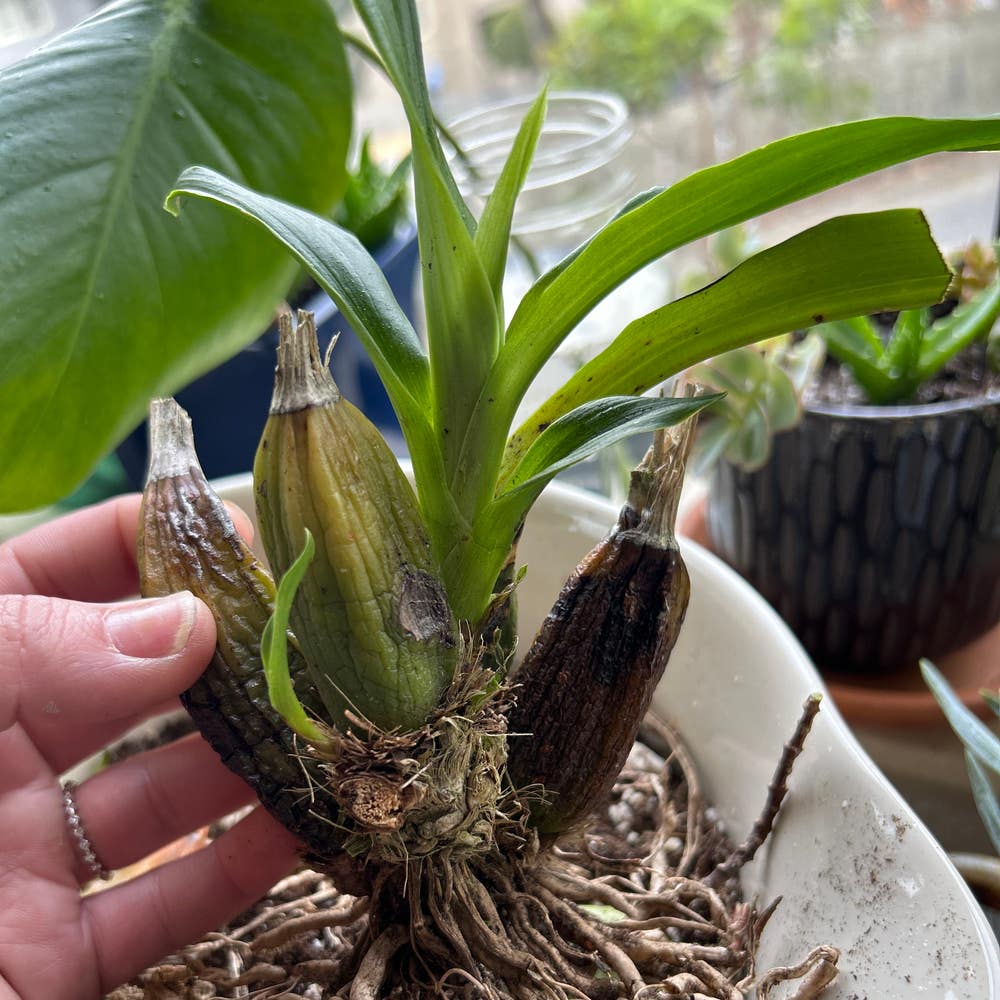
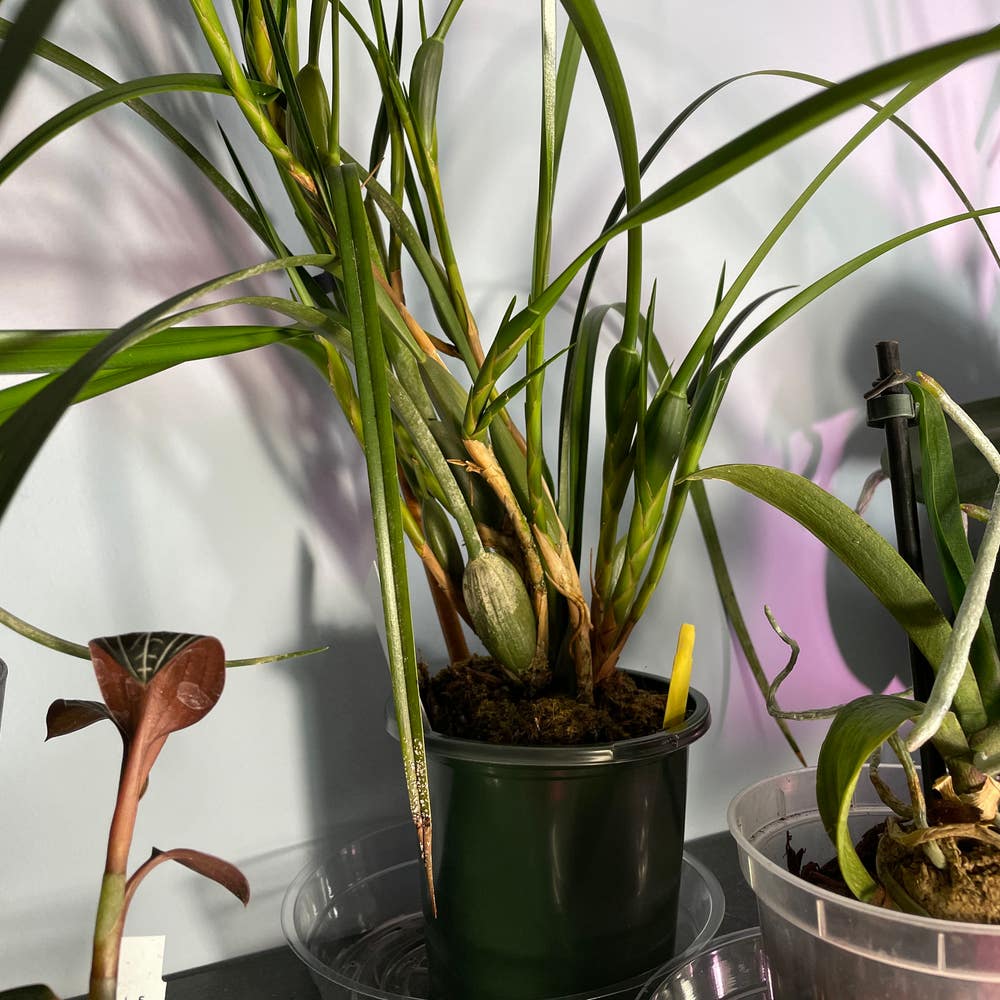
What is a Eulophia thollonii? Complete Guide 🌸
Eulophia thollonii
By the Greg Editorial Team
Feb 27, 2025•12 min read
This article was created with the help of AI so we can cover more plants for you. May contain errors. See one? Report it here.
Elevate your garden effortlessly with Eulophia thollonii, a stunning plant that thrives with minimal care! 🌱
- 🌞 Eulophia thollonii thrives in shaded to partially sunny spots for optimal growth.
- 🌡️ Ideal temperature is 60°F to 75°F; maintain humidity at 50%-70% for health.
- 🌱 Well-draining soil is crucial; avoid root rot by monitoring moisture levels.
How to Grow
🌍 Choosing the Right Location
Light Requirements
Eulophia thollonii thrives in shaded to partially sunny locations. This balance ensures the plant receives enough light without being scorched.
Temperature Preferences
For optimal growth and flowering, maintain a temperature range between 60°F to 75°F (15°C to 24°C). This moderate climate supports healthy development.
Humidity Levels
Humidity plays a crucial role in the health of Eulophia thollonii. Aim for humidity levels around 50% to 70% to promote lush growth.
🌱 Soil Preparation
Soil Type
A well-draining soil is essential for Eulophia thollonii. This prevents waterlogging, which can lead to root rot.
Soil pH
The preferred pH range for optimal growth is between 6.0 and 7.0. This slightly acidic to neutral range supports nutrient availability.
Drainage Considerations
Good drainage is vital to prevent root rot. Ensure that the planting area has adequate drainage systems in place.
🌿 Planting Techniques
Planting Depth
When planting, aim for a depth of about 2 to 3 inches. This depth allows for proper root establishment.
Spacing
Maintain ideal spacing of 12 to 18 inches between plants. This spacing promotes healthy growth and airflow.
💧 Watering Requirements
Frequency
Water Eulophia thollonii every 1 to 2 weeks, depending on soil moisture. Adjust based on seasonal changes and humidity levels.
Method
Use a watering method that ensures even moisture without over-saturating the soil. Drip irrigation or a gentle spray works best to avoid both over and underwatering.
🌼 Fertilizing Schedule
Type of Fertilizer
Recommended fertilizers include a balanced, slow-release formula. This provides essential nutrients throughout the growing season.
Timing
Fertilize Eulophia thollonii every 4 to 6 weeks during the growing season. This timing supports robust growth and flowering.
✂️ Pruning and Ongoing Care
When to Prune
Prune Eulophia thollonii after flowering to encourage new growth. This timing helps the plant focus energy on developing fresh foliage.
How to Prune
Use clean, sharp tools to make precise cuts. Focus on removing dead or damaged leaves to promote overall plant health.
With these guidelines, you can cultivate a thriving Eulophia thollonii. Next, let’s explore how to propagate this beautiful plant for even more growth opportunities.
Propagation
🌱 Seed Propagation
Germinating seeds of Eulophia thollonii can be a rewarding experience. Start by soaking the seeds in water for 24 hours to soften the outer shell, which helps improve germination rates.
Next, prepare a seed tray filled with a well-draining potting mix. Plant the seeds about 1/4 inch deep and water them gently to avoid displacing the seeds.
For optimal germination, maintain a temperature between 70°F to 80°F (21°C to 27°C) and keep the soil consistently moist but not soggy. A humidity dome can help retain moisture until the seeds sprout, which typically takes 2 to 4 weeks.
✂️ Division of Established Plants
Dividing established Eulophia thollonii plants is best done in early spring before new growth begins. This timing allows the plant to recover quickly and thrive after division.
To divide, carefully remove the plant from its pot or the ground, taking care not to damage the roots. Gently separate the root ball into smaller sections, ensuring each division has healthy roots and at least one growing shoot.
Replant the divisions in well-draining soil, spacing them appropriately to allow for future growth. Water them thoroughly and place them in a shaded area until they establish themselves.
With these propagation techniques, you can expand your Eulophia thollonii collection and enjoy the beauty of this unique plant in multiple locations. Next, let’s explore the lifecycle of this fascinating species.
Lifecycle
🌱 Lifecycle Stages
The lifecycle of Eulophia thollonii begins with either seeds or cuttings. Each stage, from germination to maturity, is crucial for the plant's development.
⏳ Germination Process and Timeline
Seeds typically take about 2 to 4 weeks to germinate under optimal conditions. This timeframe can vary based on temperature and moisture levels.
🌿 Seedling Stage Characteristics
During the seedling stage, expect small, tender leaves to emerge. These seedlings require careful attention to ensure they establish strong roots.
🌳 Vegetative Growth Phase
In the vegetative growth phase, Eulophia thollonii shows vigorous growth. This stage is characterized by the development of lush foliage and a robust root system.
🌸 Flowering Period and Seed Production
Flowering usually occurs in late spring to early summer. This is when the plant produces stunning blooms, followed by seed production.
📏 Lifespan and Growth Rate Specifics
Eulophia thollonii can live for several years, often reaching a lifespan of 5 to 10 years. Its growth rate is moderate, with plants typically reaching maturity within 2 to 3 years.
This lifecycle overview highlights the essential phases of Eulophia thollonii, setting the stage for understanding its growth requirements and care. Next, we will explore the plant's size and how it can vary based on growing conditions.
Size
Mature Height and Spread 🌱
Eulophia thollonii typically reaches a height of 12 to 24 inches and can spread about 12 to 18 inches wide when fully mature. This compact size makes it an excellent choice for both garden beds and container planting.
Growth Rate and Time to Reach Full Size ⏳
Under optimal conditions, Eulophia thollonii can take approximately 2 to 3 years to reach its full size. This moderate growth rate allows for steady development without overwhelming the surrounding landscape.
Size Variability Based on Growing Conditions 🌍
The size of Eulophia thollonii can vary significantly based on environmental factors. Key influences include light exposure, soil quality, and watering practices, all of which can either enhance or limit its growth potential.
Understanding these size characteristics can help you plan your garden layout effectively. With the right care, this plant can thrive and add beauty to your space.
Next, let’s explore the fascinating lifecycle of Eulophia thollonii, from seed germination to maturity.
Roots
Characteristics of the Root System 🌱
Eulophia thollonii features a fibrous root system, which is essential for its stability and nutrient uptake. This type of root structure allows the plant to efficiently absorb water and minerals from the soil.
The typical root depth ranges from 12 to 18 inches, while the spread can extend up to 24 inches. This depth and spread help the plant anchor itself firmly, ensuring it can thrive in various conditions.
Common Root-Related Issues ⚠️
Root rot is a common issue for Eulophia thollonii, often caused by overwatering or poorly draining soil. Symptoms include yellowing leaves, wilting, and a foul smell emanating from the roots.
To prevent root rot, ensure proper drainage and allow the soil to dry out between waterings. Monitoring moisture levels is key to maintaining healthy roots.
Another concern is rootbound conditions, which occur when roots grow too densely in their container. This can lead to stunted growth and nutrient deficiencies.
Visual Cues for Healthy vs. Unhealthy Roots 👀
Healthy roots are typically white or light tan and firm to the touch. In contrast, unhealthy roots may appear brown or black, mushy, and emit an unpleasant odor.
Regularly checking the root system can help you catch issues early. If you notice any signs of distress, it’s time to take action.
Solutions for Root Problems 🛠️
To resolve root rot, carefully remove the plant from its pot and trim away any affected roots. Repot the plant in fresh, well-draining soil to promote recovery.
For rootbound plants, consider dividing the roots or repotting into a larger container. This will give the roots more space to grow and access nutrients effectively.
By staying vigilant and addressing root issues promptly, you can ensure your Eulophia thollonii remains healthy and vibrant. Next, let’s explore the benefits of cultivating this unique plant.
Benefits
Top 5 Benefits 🌟
Cultivating Eulophia thollonii offers several unique advantages. Here are the top five benefits that make this plant a great addition to your garden:
- Aesthetic Appeal: With its striking flowers and lush foliage, Eulophia thollonii enhances the beauty of any landscape.
- Low Maintenance: This plant is relatively easy to care for, making it perfect for both novice and experienced gardeners.
- Biodiversity Support: By planting Eulophia thollonii, you contribute to local biodiversity, providing habitat for various pollinators.
- Medicinal Properties: Some cultures utilize parts of this plant for traditional medicinal purposes, adding to its value.
- Soil Improvement: Its root system can help improve soil structure, promoting healthier garden conditions.
Cultural Significance and Symbolism 🌍
Eulophia thollonii holds a special place in various cultures. In some traditions, it symbolizes resilience and beauty, reflecting the plant's ability to thrive in diverse environments.
Additionally, it is often associated with renewal and growth, making it a popular choice for celebrations and ceremonies. Understanding these cultural connections can deepen your appreciation for this remarkable plant.
As you explore the benefits of Eulophia thollonii, consider how it can enrich not only your garden but also your connection to nature and culture.
Next, let's delve into the fascinating world of companion planting and discover which plants thrive alongside Eulophia thollonii.
Companion Plants
🌱 Explanation of Companion Planting
Companion planting is a gardening strategy that involves growing different plants together for mutual benefits. This practice enhances garden diversity, promotes healthy growth, and can even deter pests.
🌿 List of Compatible Companion Plants
When cultivating Eulophia thollonii, consider pairing it with these compatible plants:
- Ferns: They provide shade and maintain moisture in the soil.
- Hostas: Their broad leaves create a microclimate that benefits Eulophia.
- Shade-loving herbs: Such as mint and chives, which can thrive in similar conditions.
These companions not only coexist well but also contribute to a vibrant garden ecosystem.
🚫 Plants to Avoid
While some plants thrive alongside Eulophia thollonii, others can hinder its growth. Avoid planting with:
- Heavy feeders: Such as tomatoes and corn, which compete for nutrients.
- Invasive species: Like mint (if not contained), which can overwhelm Eulophia.
- Plants requiring full sun: They can outcompete Eulophia for light.
Choosing the right companions is crucial for a flourishing garden. By understanding which plants to pair and which to avoid, you can create a thriving environment for your Eulophia thollonii.
Next, let’s explore the common problems you might face while growing this unique plant.
Problems
Common Problems Faced 🌱
Eulophia thollonii can encounter several issues that may affect its health. Recognizing the signs of an unhealthy plant is crucial for timely intervention.
Identification and Causes of Issues 🔍
Incorrect Watering
Overwatering can lead to yellowing leaves and wilting, while underwatering often results in dry, crispy foliage. Monitoring soil moisture is key to preventing these symptoms.
Incorrect Light Conditions 💡
If your plant is not receiving enough light, you might notice leggy growth or pale leaves. Conversely, too much direct sunlight can scorch the leaves, causing browning edges.
Incorrect Temperature 🌡️
Temperature fluctuations can stress the plant, leading to drooping or stunted growth. Eulophia thollonii prefers stable conditions, so keep it in a consistent environment.
Diseases 🦠
Fungal issues like powdery mildew and blight can manifest as white spots or dark patches on leaves. These diseases thrive in humid conditions, making prevention essential.
Root Problems 🌿
Symptoms of root rot include mushy roots and a foul smell, while unhealthy roots may show stunted growth. Regularly inspecting the root system can help catch these issues early.
Solutions for Each Identified Problem 🛠️
To resolve overwatering, allow the soil to dry out between waterings and ensure proper drainage. For underwatering, increase watering frequency while checking soil moisture levels.
If light conditions are inadequate, consider relocating the plant to a brighter spot, but avoid direct sunlight. For too much light, use sheer curtains to filter the rays.
Maintain a stable temperature by placing the plant away from drafts and heat sources.
To combat diseases, ensure good air circulation and avoid overhead watering. If fungal issues arise, treat with appropriate fungicides.
For root problems, repot the plant in fresh, well-draining soil and trim away any rotten roots. Regular maintenance and observation can prevent many of these common issues.
By staying vigilant and proactive, you can keep your Eulophia thollonii thriving and vibrant. Next, let’s explore the fascinating world of pests that may pose a threat to your plant.
Bugs
🐛 Potential Pest Issues
Eulophia thollonii is relatively pest-resistant, making it a resilient choice for gardeners. However, vigilance is key, as even the hardiest plants can attract unwanted visitors.
🔍 Identification and Damage Caused by Common Pests
Common pests that may target Eulophia thollonii include:
- Spider Mites: These tiny pests suck sap from leaves, leading to stippling and yellowing.
- Scale Insects: They appear as small, brownish bumps on stems and leaves, causing wilting and stunted growth.
- Mealybugs: These white, cottony pests cluster in leaf axils, draining nutrients and weakening the plant.
Each of these pests can significantly affect the health of your Eulophia thollonii if not addressed promptly.
🧪 Effective Treatment Options
To manage pest infestations effectively, consider these treatments:
- Insecticidal Soap: This is a gentle yet effective option for controlling soft-bodied pests like mealybugs and spider mites.
- Neem Oil: A natural pesticide that disrupts the life cycle of pests, neem oil is great for preventing infestations.
- Regular Monitoring: Keep an eye on your plants; early detection is crucial for effective pest control.
By implementing these strategies, you can keep your Eulophia thollonii thriving and healthy. Next, let’s explore what animals might pose a threat to your plant.
What Eats
🦌 Common Animals That May Damage
Eulophia thollonii can attract a variety of hungry animals. Common culprits include deer, rabbits, and squirrels, all of which may nibble on the leaves or flowers, potentially stunting the plant's growth.
🕵️♂️ Signs of Animal Presence and Types of Damage
Recognizing signs of animal damage is crucial for timely intervention. Look for chewed leaves, broken stems, or footprints around the plant, which indicate that wildlife is taking an interest in your Eulophia thollonii.
🚫 Deterrent Methods
To protect your plant, consider both chemical and organic deterrent methods. Chemical repellents can be effective, but for a more natural approach, try using barriers like fencing or planting companion plants that animals dislike, ensuring your Eulophia thollonii remains safe and thriving.
With these strategies, you can enjoy the beauty of your Eulophia thollonii while keeping unwanted visitors at bay. Next, let’s explore the common problems that may arise in its care.
⚠️ Safety First
This content is for general information and may contain errors, omissions, or outdated details. It is not medical, veterinary advice, or an endorsement of therapeutic claims.
Always consult a qualified healthcare professional before using any plant as food, medicine, or supplement.
Never eat any plant (or feed one to pets) without confirming its identity with at least two trusted sources.
If you suspect poisoning, call Poison Control (800) 222-1222, the Pet Poison Helpline (800) 213-6680, or your local emergency service immediately.
Spotted an error? Please report it here.
Unlock the beauty of Eulophia thollonii 🌿 with Greg's custom watering plans and reminders, ensuring your plant thrives in its ideal conditions!