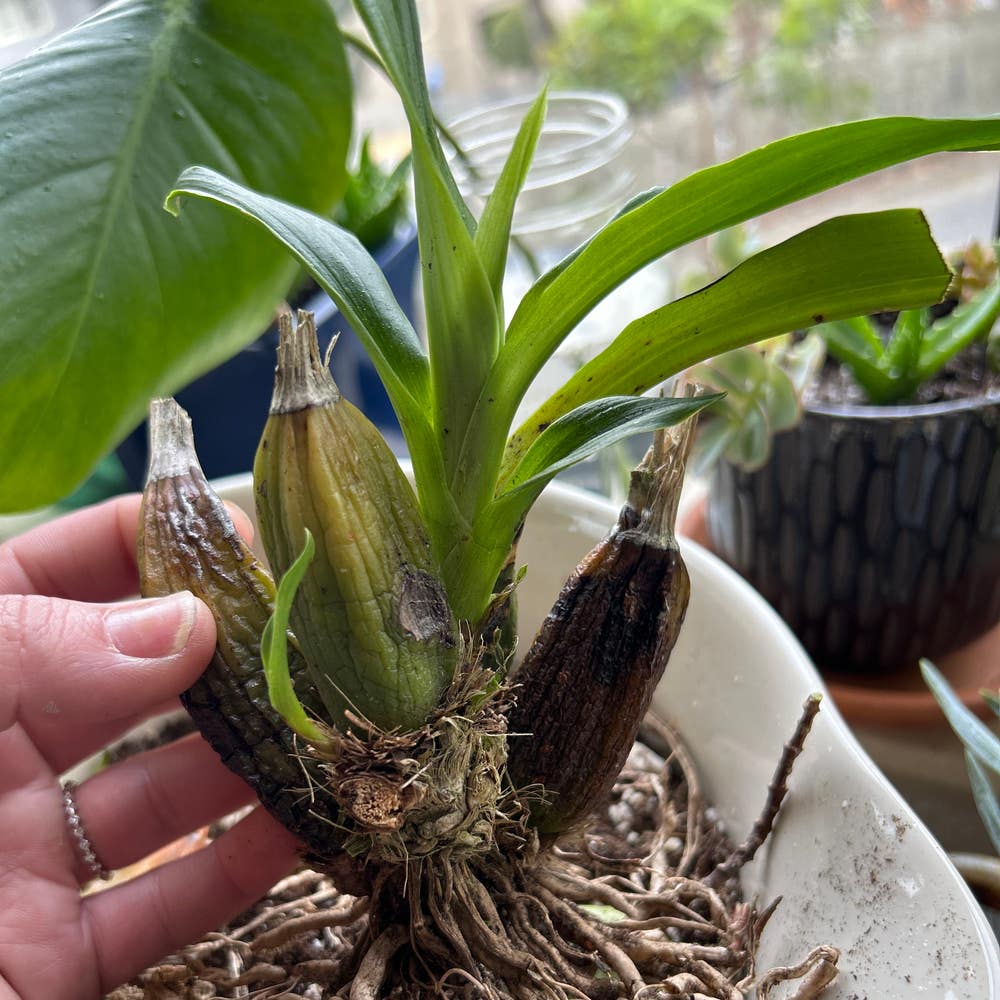
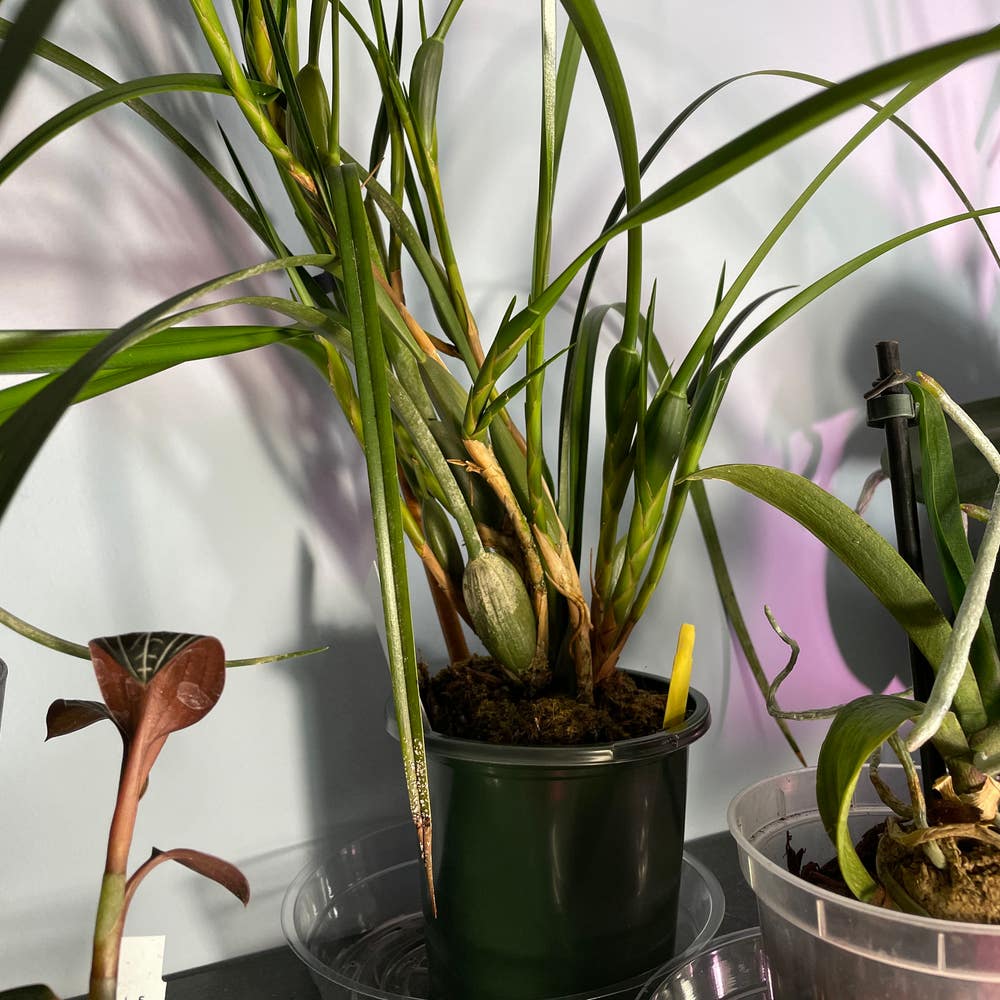
Understanding Eulophia tanganyikensis: The Basics 🌸
Eulophia tanganyikensis
By the Greg Editorial Team
Feb 27, 2025•11 min read
This article was created with the help of AI so we can cover more plants for you. May contain errors. See one? Report it here.
- 🌱 Eulophia tanganyikensis thrives in warm, humid environments with partial to full shade.
- 💧 Water every 1-2 weeks and use well-draining, organic-rich soil for optimal growth.
- 🌼 Regular care like deadheading and pest monitoring ensures healthy blooms and plant vitality.
How to Grow
Choosing a Location 🌳
Eulophia tanganyikensis thrives in partial shade to full shade, making it perfect for those shadier spots in your garden. It loves warm temperatures, ideally between 20°C to 30°C (68°F to 86°F), so keep it cozy!
High humidity is essential for this plant's health. If your environment is dry, consider using a humidifier or misting the plant regularly to keep it happy.
Soil Preparation 🌱
For optimal growth, use well-draining soil rich in organic matter. This ensures that the roots have the nutrients they need without sitting in excess water.
Aim for a slightly acidic to neutral soil pH, ideally between 6.0 and 7.0. Good drainage is crucial to prevent root rot, so make sure your soil mix allows for proper water flow.
Planting Techniques 🌼
When planting Eulophia tanganyikensis, place the tubers 2-4 inches deep in the soil. This depth helps protect them while allowing for healthy growth.
Space your plants 12-18 inches apart to give them room to flourish. This spacing promotes air circulation and reduces competition for nutrients.
Watering Requirements 💧
Keep the soil consistently moist but avoid waterlogging. Water your plant every 1-2 weeks, adjusting based on the weather and soil conditions.
Use a watering can or a hose with a gentle spray to avoid disturbing the soil. This method ensures that the moisture reaches the roots without causing any damage.
Fertilizing Schedule 🌿
A balanced, slow-release fertilizer is ideal for Eulophia tanganyikensis. This type of fertilizer provides nutrients over time, supporting steady growth.
Fertilize every 4-6 weeks during the growing season to keep your plant thriving. Regular feeding helps maintain its vibrant health and encourages blooming.
Pruning and Ongoing Care ✂️
To promote continuous blooming, remove spent flowers through deadheading. This simple act encourages the plant to produce more flowers.
Keep an eye on the leaves as well. Trim any yellowing or damaged leaves to foster healthy growth and maintain the plant's overall appearance.
With these tips, you’ll be well on your way to nurturing a thriving Eulophia tanganyikensis in your garden! Next, let’s explore how to propagate this beautiful plant for even more growth opportunities.
Propagation
🌱 Seed Propagation
To propagate Eulophia tanganyikensis from seeds, start by sowing them in a well-draining medium. Keep the soil moist and warm, as this creates the ideal environment for germination.
Seeds typically germinate within 2-4 weeks, so be patient and monitor their progress. This method is rewarding, as watching new life emerge can be quite fulfilling.
🪴 Division of Tubers
Dividing tubers is another effective propagation technique. The best time to do this is in early spring, just before new growth begins.
When dividing, carefully separate the tubers, ensuring that each division has roots and a growing point. This method not only helps in propagation but also promotes healthier plants by reducing overcrowding.
With these propagation techniques, you can expand your Eulophia tanganyikensis collection and enjoy its beauty in multiple spots around your garden. Next, let’s explore the lifecycle of this fascinating plant.
Lifecycle
Lifecycle Stages 🌱
Eulophia tanganyikensis undergoes a fascinating lifecycle that begins with germination. This stage transitions into the seedling phase, followed by vegetative growth, flowering, and ultimately, seed production.
The lifespan of this plant can extend for several years, making it a long-term addition to your garden. With a moderate growth rate, it typically reaches maturity in about 2-3 years, rewarding patience with beautiful blooms.
Growth Rate and Maturity 📈
Understanding the growth rate of Eulophia tanganyikensis is essential for gardeners. This plant's moderate pace means you'll see significant development over a few seasons, allowing you to plan your garden layout effectively.
As it matures, the plant not only enhances your garden's aesthetic but also contributes to local biodiversity. Embrace the journey of growth, and enjoy watching this unique species flourish in your care.
Size
🌱 Growth Habits
Eulophia tanganyikensis typically reaches a mature height of 1 to 2 feet, making it a manageable addition to any garden. Its spread can extend up to 1 foot wide, allowing it to fill space without overwhelming nearby plants.
📏 Size Variability
The size of Eulophia tanganyikensis can vary significantly based on several factors. Optimal conditions—such as adequate light, water, and nutrient-rich soil—can lead to larger, more robust plants, while less favorable conditions may result in smaller growth.
Understanding these growth habits helps you create the best environment for your Eulophia tanganyikensis. By ensuring it has the right conditions, you can enjoy its beauty and unique presence in your garden.
Roots
🌱 Root System Characteristics
Eulophia tanganyikensis features a tuberous root system that effectively stores nutrients and water. This adaptation allows the plant to thrive in varying conditions, making it a resilient choice for gardeners.
📏 Depth and Growth
The roots can extend between 6 to 12 inches deep, providing stability and access to moisture. This depth is crucial for the plant's overall health and growth.
⚠️ Common Issues
One common issue to watch for is root rot, which can occur from overwatering. It's essential to recognize rootbound plants; if you notice stunted growth or crowded roots, it’s time to repot and give them more space to flourish.
🛠️ Practical Tips
To maintain a healthy root system, ensure proper drainage in your planting medium. This simple step can prevent many problems and keep your Eulophia tanganyikensis thriving.
Understanding the root system is vital for successful cultivation. With the right care, these roots will support a vibrant and healthy plant, ready to showcase its beauty in your garden.
Next, let’s explore the benefits of growing Eulophia tanganyikensis and how it can enhance your gardening experience.
Benefits
Top 5 Benefits 🌟
Eulophia tanganyikensis offers a range of advantages for gardeners and plant enthusiasts alike. Here are the top five benefits of incorporating this unique plant into your garden.
Attractive Flowers
The stunning blooms of Eulophia tanganyikensis enhance garden aesthetics, adding vibrant colors and visual interest.Low Maintenance
This plant is low maintenance and adaptable to various conditions, making it an excellent choice for both novice and experienced gardeners.Supports Biodiversity
By attracting local pollinators, Eulophia tanganyikensis plays a vital role in supporting biodiversity within your garden ecosystem.Traditional Medicine Uses
In some cultures, this plant is utilized in traditional medicine, showcasing its versatility beyond mere decoration.Unique Addition
Adding Eulophia tanganyikensis to your plant collection promotes garden diversity, offering a unique specimen that stands out among more common varieties.
Incorporating Eulophia tanganyikensis into your gardening plans not only beautifies your space but also contributes positively to the environment. With its myriad benefits, this plant is a fantastic choice for anyone looking to enrich their garden.
Next, let’s explore the best companion plants that thrive alongside Eulophia tanganyikensis.
Companion Plants
Best Companions 🌱
Companion planting is a fantastic way to boost garden diversity and enhance plant health. By choosing the right partners for Eulophia tanganyikensis, you can create a thriving ecosystem that supports pest management and overall vitality.
Ideal Plant Partners 🌿
When selecting companions, consider plants that thrive in similar conditions. Ferns, hostas, and other shade-loving perennials are excellent choices. They share moisture and light requirements, making them perfect companions for your Eulophia tanganyikensis.
What to Avoid 🚫
While companion planting can be beneficial, it's crucial to avoid aggressive species. Plants that compete fiercely for nutrients and space can hinder the growth of Eulophia tanganyikensis. Stick to harmonious pairings to ensure a flourishing garden.
Benefits of Companion Planting 🌼
Incorporating companion plants not only enhances aesthetics but also promotes biodiversity. This practice can lead to healthier plants and a more resilient garden ecosystem. Embrace the synergy of nature by thoughtfully selecting companions for your Eulophia tanganyikensis.
By understanding the dynamics of companion planting, you can cultivate a vibrant garden that supports both your plants and local wildlife. Next, let’s explore the safety profile of Eulophia tanganyikensis regarding its toxicity to humans and pets.
Toxicity to Humans
Safety Profile 🛡️
Eulophia tanganyikensis is considered safe for humans, as it is not listed as toxic by major poison control centers. This means you can enjoy its beauty without worrying about harmful effects.
However, it's worth noting that minor skin irritation may occur with excessive handling. If ingested in large quantities, it could lead to mild digestive discomfort, so moderation is key.
In summary, this plant is a great addition to your garden, providing aesthetic appeal without significant health risks. Always handle with care, and you'll be able to appreciate its unique charm worry-free.
Next, let's explore how Eulophia tanganyikensis interacts with our furry friends, focusing on its safety profile for dogs.
Toxicity to Dogs
Safety Profile 🐶
Eulophia tanganyikensis is safe for dogs, according to veterinary organizations. This means you can enjoy your garden without worrying about your furry friends getting into trouble.
However, if your dog consumes large amounts of the plant, mild gastrointestinal upset may occur. It's always a good idea to monitor your dog's behavior around plants to ensure they don't munch too much.
In summary, Eulophia tanganyikensis poses no significant threat to dogs, making it a great addition to your pet-friendly garden. Now that you know about its safety for dogs, let’s explore how this plant interacts with cats.
Toxicity to Cats
Safety Profile 🐱
Eulophia tanganyikensis is safe for cats, according to major pet poison control centers. This means you can enjoy this beautiful plant without worrying about your feline friends.
While it's not toxic, keep an eye on your cat if they nibble on the leaves. Mild gastrointestinal upset may occur from excessive consumption, so it's best to monitor their behavior around the plant.
Practical Tips for Cat Owners 🏡
- Placement: Consider placing the plant in an area that's less accessible to your cat. This can help prevent any unwanted munching.
- Observation: If your cat shows interest, observe them for any signs of discomfort. Quick action can ensure their well-being.
With Eulophia tanganyikensis, you can enhance your garden's beauty while keeping your pets safe. Now, let’s explore how to tackle common issues that may arise with this plant.
Problems
Common Issues 🌱
Growing Eulophia tanganyikensis can be rewarding, but it's essential to be aware of common problems that may arise.
Incorrect Watering
Watering is crucial for plant health. If your plant is underwatered, you might notice wilting leaves, while overwatering can lead to yellowing leaves.
Incorrect Light Conditions
Light plays a significant role in growth. Leaf scorch is a sign of too much sun exposure, while leggy growth indicates insufficient light.
Diseases
Humidity can be a double-edged sword. While Eulophia tanganyikensis enjoys high humidity, it can also lead to fungal issues like powdery mildew. Ensure good air circulation to mitigate this risk.
By staying vigilant and addressing these common issues, you can help your Eulophia tanganyikensis thrive. Next, let’s explore the pest issues that can affect this beautiful plant.
Bugs
Pest Issues 🐜
Eulophia tanganyikensis is known for its resilience, making it generally pest-resistant. However, it can still fall victim to a few common pests that gardeners should watch for.
Common Pests
Spider Mites: These tiny pests thrive in dry conditions and can cause significant damage by sucking the sap from leaves. Look for fine webbing and stippled leaves as signs of their presence.
Mealybugs: Recognizable by their white, cottony appearance, mealybugs can cluster on stems and leaves. They weaken the plant by feeding on its sap, so it's crucial to act quickly if you spot them.
Aphids: These small, green insects can be found on new growth and undersides of leaves. They reproduce rapidly and can lead to stunted growth and leaf distortion.
Treatment Methods
Identifying these pests early is key to effective management. Here are some methods to treat infestations:
Insecticidal Soap: This is a safe and effective option for controlling soft-bodied insects like aphids and mealybugs. Spray directly on the pests for best results.
Neem Oil: A natural pesticide that disrupts the life cycle of many pests, neem oil can help manage spider mites and aphids. Apply it in the early morning or late evening to avoid leaf burn.
Regular Monitoring: Keep an eye on your plants and check for any signs of pest activity. Early detection can prevent larger infestations.
By staying vigilant and employing these treatment methods, you can keep your Eulophia tanganyikensis healthy and thriving. Next, let’s explore what animals might interact with this unique plant.
What Eats Eulophia tanganyikensis
🦌 Animal Interactions
Eulophia tanganyikensis can attract a variety of wildlife, which may lead to some unwanted damage. Common culprits include deer, rabbits, and squirrels, all of which may find the plant's foliage and flowers quite appealing.
👀 Signs of Damage
Keep an eye out for signs of animal activity. Chewed leaves and missing flowers are clear indicators that your plant has been visited by these hungry critters.
🛡️ Prevention Strategies
To protect your Eulophia tanganyikensis, consider using barriers or repellents. Fencing or netting can deter larger animals like deer, while natural repellents can help keep smaller pests at bay.
By being proactive, you can enjoy the beauty of your Eulophia tanganyikensis without the worry of it becoming a snack for local wildlife.
⚠️ Safety First
This content is for general information and may contain errors, omissions, or outdated details. It is not medical, veterinary advice, or an endorsement of therapeutic claims.
Always consult a qualified healthcare professional before using any plant as food, medicine, or supplement.
Never eat any plant (or feed one to pets) without confirming its identity with at least two trusted sources.
If you suspect poisoning, call Poison Control (800) 222-1222, the Pet Poison Helpline (800) 213-6680, or your local emergency service immediately.
Spotted an error? Please report it here.
Unlock the secrets to a thriving Eulophia tanganyikensis 🌿 with Greg's tailored care reminders and expert tips that will help your garden flourish!