Everything You Need to Know About Eulophia taiwanensis 🌸
Eulophia taiwanensis
By the Greg Editorial Team
Feb 27, 2025•10 min read
This article was created with the help of AI so we can cover more plants for you. May contain errors. See one? Report it here.
Elevate your garden's beauty with Eulophia taiwanensis—easy to grow and stunning! 🌺🌱
- 🌞 Eulophia taiwanensis needs 4-6 hours of sunlight for optimal growth.
- 💧 Water when the top inch of soil is dry to prevent root rot.
- 🌱 Fertilize every 4-6 weeks with balanced NPK for healthy development.
How to Grow
Choosing a Location 🌞
Eulophia taiwanensis thrives in moderate sunlight, requiring about 4-6 hours of direct light daily. It also prefers warm, humid environments, ideally with humidity levels between 60-80%.
Soil Preparation 🏜️
For optimal growth, use well-draining sandy or loamy soil. Aim for a soil pH that is slightly acidic to neutral, ideally between 6.0 and 7.0.
Planting Techniques 👩🌾
When planting, space your Eulophia taiwanensis plants 12-18 inches apart to allow for healthy growth. Ensure they are planted 1-2 inches below the soil surface for best results.
Watering Requirements 🚰
Water your plants when the top inch of soil feels dry to the touch. Use deep watering techniques to encourage strong root growth, ensuring the roots can access moisture effectively.
Fertilizing Schedule 🍽️
A balanced NPK fertilizer, such as 10-10-10, is ideal for Eulophia taiwanensis. Fertilize every 4-6 weeks during the growing season to provide essential nutrients for healthy growth.
With the right location, soil, and care, your Eulophia taiwanensis will flourish beautifully. Next, let’s explore how to propagate this stunning plant for even more growth opportunities.
Propagation
🌱 Seed Propagation
To propagate Eulophia taiwanensis from seeds, start by soaking them for 24 hours before planting. This simple step helps kickstart the germination process, which thrives in warm temperatures around 70°F (21°C) and high humidity.
✂️ Division of Rhizomes
Another effective propagation method is the division of rhizomes. The best time to do this is in early spring, just before new growth begins, ensuring the plant has the energy to recover quickly.
When dividing, carefully separate the rhizomes, making sure each piece has healthy roots attached. Replant them immediately to give them the best chance of thriving in their new location.
This hands-on approach not only multiplies your plants but also strengthens your connection to them. As you nurture these new growths, you'll witness the beauty of Eulophia taiwanensis flourish in your garden.
Ready to explore the lifecycle of this fascinating plant? Let's dive into its growth stages next!
Lifecycle
Growth Stages 🌱
Eulophia taiwanensis progresses through distinct stages: seed, seedling, vegetative growth, flowering, and seed production. Each phase is crucial for the plant's development and overall health.
Germination Time ⏳
Under optimal conditions, germination takes about 2-4 weeks. This period is vital for establishing a strong foundation for future growth.
Lifespan and Maturity 🌳
As a perennial, Eulophia taiwanensis can thrive for several years with proper care. It typically takes around 1-2 years to reach its full size, making patience a key virtue for gardeners.
Growth Rate 📈
The growth rate is moderate, featuring seasonal spurts that can surprise even seasoned plant enthusiasts. This rhythm allows for dynamic changes in your garden throughout the year.
Understanding the lifecycle of Eulophia taiwanensis equips you with the knowledge to nurture it effectively. Next, let’s explore how to manage its size and dimensions for optimal growth.
Size
Mature Dimensions 🌱
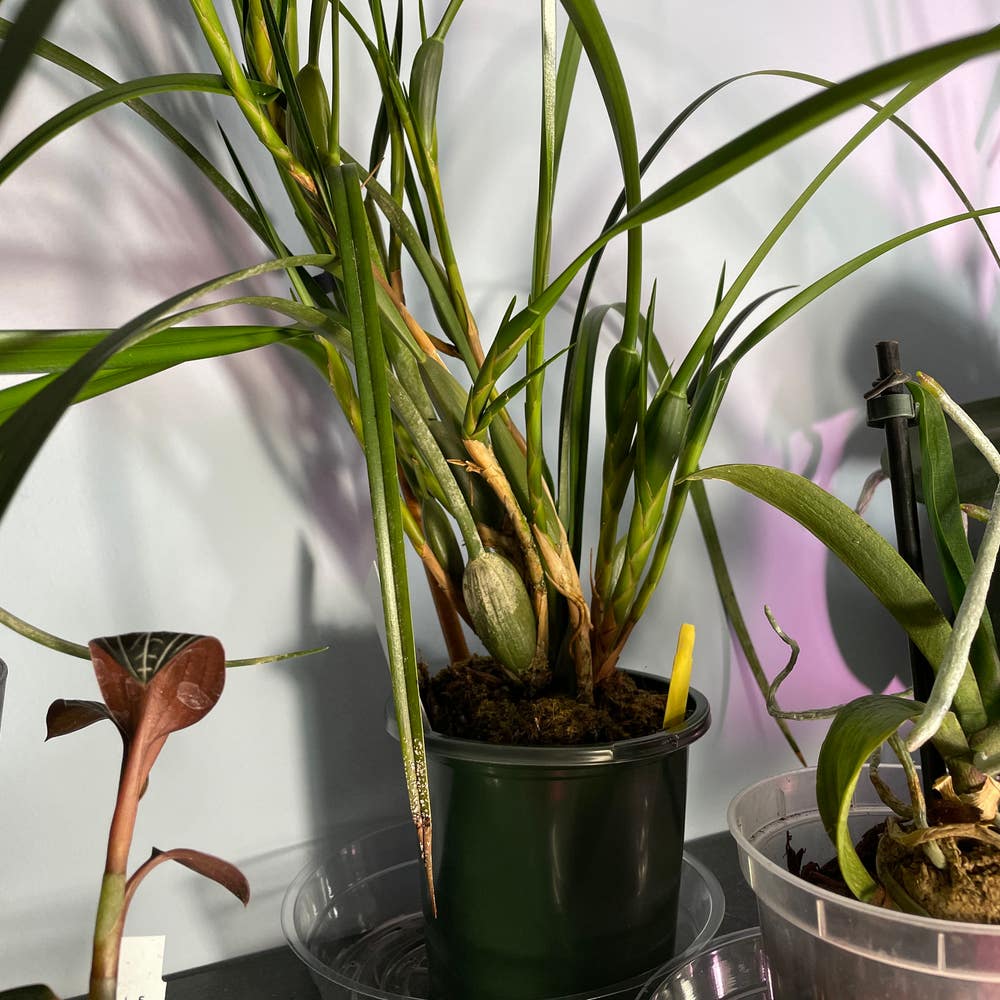
Eulophia taiwanensis reaches a mature height of 18-24 inches, making it a striking addition to any garden. Its spread typically ranges from 12-18 inches, allowing it to fill space without overwhelming neighboring plants.
Growth Rate 📈
The growth rate of Eulophia taiwanensis can vary significantly based on several factors. Key elements like soil quality, sunlight exposure, and watering practices all play a crucial role in determining how robust your plant will become.
In optimal conditions, you may notice your plants growing larger and more vibrant. Conversely, those in less favorable environments might not reach their full potential, highlighting the importance of proper care.
Understanding these aspects will help you create the best environment for your Eulophia taiwanensis, ensuring it thrives beautifully. Next, let's explore the fascinating lifecycle of this unique plant.
Roots
🌱 Root System Characteristics
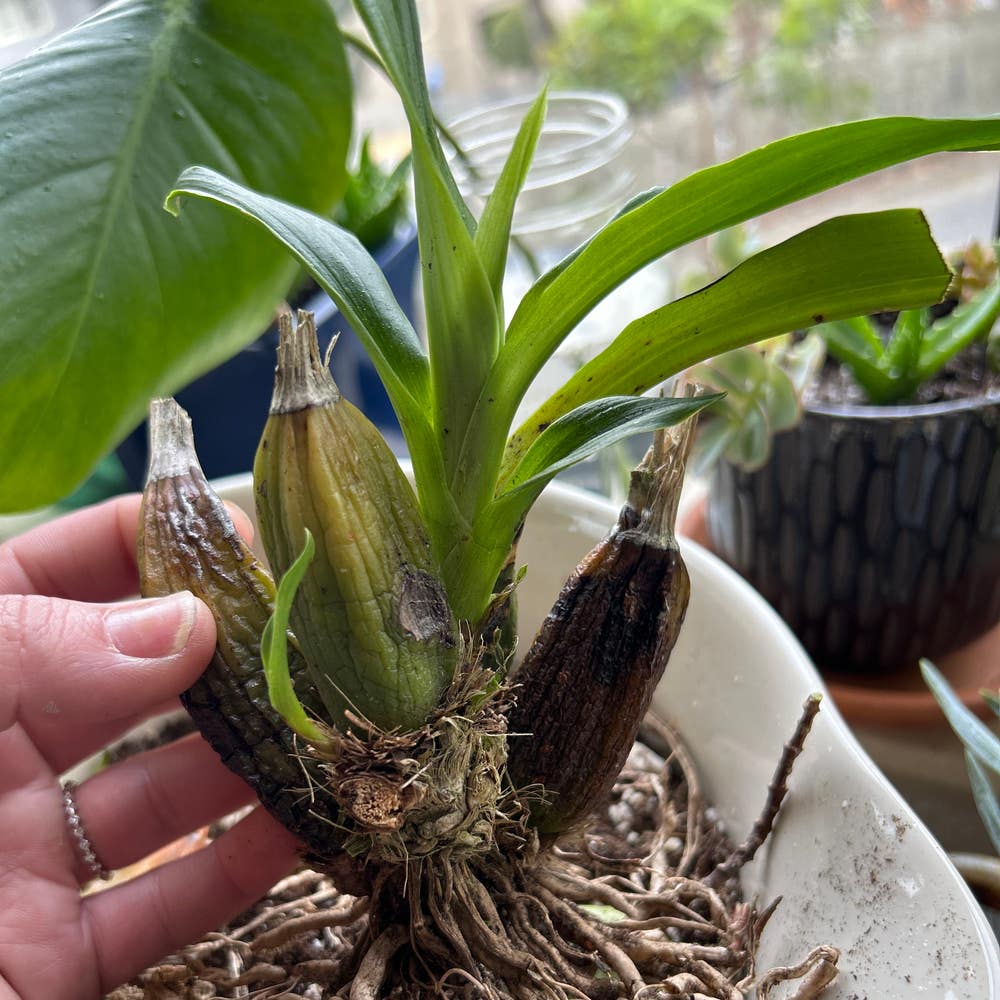
Eulophia taiwanensis features a rhizomatous root system, which allows it to store nutrients and water efficiently. Typically, the roots extend 6-12 inches deep and can spread laterally up to 18 inches, providing stability and access to nutrients.
⚠️ Common Root-Related Issues
One of the most common problems is root rot, often caused by overwatering. Symptoms include mushy roots that can lead to plant decline if not addressed promptly.
Another issue is being rootbound, which occurs when the roots fill the container. Signs of this condition include stunted growth and roots growing out of drainage holes.
🛠️ Tips for Managing Root Health
To prevent root rot, ensure your plant has proper drainage and avoid overwatering. Regularly check the soil moisture and allow the top inch to dry out before watering again.
Recognizing rootbound plants is crucial for their health. If you see roots protruding from the drainage holes, it may be time to repot into a larger container to give your plant room to thrive.
With these tips, you can maintain a healthy root system for your Eulophia taiwanensis, ensuring it grows strong and vibrant. Up next, we’ll explore the benefits this unique plant brings to your garden.
Benefits
Eulophia taiwanensis offers a range of benefits that make it a fantastic addition to any garden. Here are the top five reasons to consider this unique plant.
🌺 Unique Aesthetic Appeal
The orchid-like flowers of Eulophia taiwanensis are a visual treat. Their striking appearance can elevate the overall aesthetics of your garden, making it a focal point that draws the eye.
🐝 Attracts Pollinators
This plant is a magnet for pollinators, including bees and butterflies. By planting Eulophia taiwanensis, you contribute to a thriving ecosystem and support local wildlife.
🌱 Versatile Soil Adaptability
Eulophia taiwanensis is adaptable to various soil types. Whether you have sandy, loamy, or slightly acidic soil, this plant can thrive, making it a versatile choice for gardeners.
🌼 Enhances Garden Diversity
Incorporating Eulophia taiwanensis into your garden promotes biodiversity. A diverse garden is healthier and more resilient, benefiting both plants and wildlife.
🌿 Traditional Medicinal Uses
In some cultures, Eulophia taiwanensis is valued for its medicinal properties. While not widely studied, its traditional uses add another layer of interest to this remarkable plant.
These benefits make Eulophia taiwanensis not just a beautiful choice but also a practical one for any garden enthusiast. Ready to learn more about how to grow this stunning plant? Let's dive into the next section!
Companion Plants
🌱 Companion Planting Benefits
Companion planting is a fantastic way to enhance garden diversity and promote healthy growth. By choosing the right plants to grow alongside Eulophia taiwanensis, you can create a thriving ecosystem that benefits all your plants.
🌿 Compatible Companion Plants
When considering companions for Eulophia taiwanensis, think about shade-loving plants like ferns and hostas. These plants share similar care needs and can help repel pests, making them ideal partners in your garden.
🚫 Plants to Avoid
While some plants thrive together, others can compete for resources. Avoid heavy feeders like tomatoes, as they may drain nutrients from Eulophia taiwanensis, hindering its growth and overall health.
Transitioning to the next topic, understanding the potential toxicity of Eulophia taiwanensis is crucial for ensuring a safe gardening experience.
Toxicity to Humans
Safety Overview 🌿
Eulophia taiwanensis is generally safe for humans, as it is not listed as toxic by major poison control centers. However, it's wise to be cautious; consuming large quantities may lead to mild skin irritation or digestive discomfort.
Cautionary Measures ⚠️
If you experience any unusual symptoms after contact or consumption, seek medical advice promptly. Staying informed and cautious can help you enjoy this beautiful plant without worry.
Toxicity to Dogs
Safety Overview 🐶
Eulophia taiwanensis is not listed as toxic by major pet poison control centers. This means your furry friends can safely roam around it without immediate danger.
Potential Minor Issues ⚠️
However, if a dog consumes large quantities, it may experience mild gastrointestinal upset. It's always best to keep this plant out of reach to prevent any unwanted snacking.
Tips for Dog Owners 📝
Monitor your dog's behavior around the plant. If you notice any unusual symptoms, consult your veterinarian for guidance.
This plant can be a beautiful addition to your garden, but a little caution goes a long way in ensuring your pet stays happy and healthy.
Toxicity to Cats
Safety Overview 🐾
Eulophia taiwanensis is not listed as toxic by major pet poison control centers. This means your feline friends can safely roam around this plant without significant risk.
Potential Minor Issues 🤢
However, if a cat consumes large quantities, it may experience mild gastrointestinal upset. It's always best to keep an eye on your pet's behavior after they've been near the plant.
Tips for Pet Owners 🐱
To ensure safety, discourage your cat from nibbling on non-food plants. Providing plenty of engaging toys and cat-friendly plants can help redirect their attention.
By being proactive, you can enjoy the beauty of Eulophia taiwanensis while keeping your furry companions safe.
Problems
🌱 Common Problems with Eulophia taiwanensis
Growing Eulophia taiwanensis can be rewarding, but it's not without its challenges. Understanding common problems can help you keep your plants healthy and thriving.
💧 Incorrect Watering
Watering is crucial for plant health. Overwatering can lead to wilting and mushy roots, while underwatering results in dry, crispy leaves.
☀️ Incorrect Light Conditions
Light plays a vital role in growth. Too much sun can scorch leaves, while insufficient light may cause leggy growth as the plant stretches toward the light source.
🦠 Diseases
Fungal diseases can be a concern. Watch for powdery mildew, which appears as a white coating on leaves, and black rot, which can cause significant damage if not addressed promptly.
By staying vigilant and addressing these issues early, you can enjoy a flourishing Eulophia taiwanensis in your garden. Next, let’s explore how to manage pests that may threaten your plant's health.
Bugs
🐞 Potential Pest Issues
Eulophia taiwanensis can attract a few pesky bugs that may disrupt its growth. Understanding these potential pest issues is crucial for maintaining a healthy plant.
Spider Mites
Spider mites are tiny but can cause significant damage. Look for fine webbing on the leaves and stippled leaves, which indicate their presence.
Scale Insects
Scale insects can be sneaky, often appearing as small, sticky patches on the plant. They leave a sticky residue and can cause yellowing leaves, signaling that they need to be addressed.
Mealybugs
Mealybugs are another common pest, recognizable by their cotton-like masses on stems and leaves. These pests can weaken your plant, so it's essential to act quickly if you spot them.
🛠️ Managing Pest Problems
Regularly inspect your Eulophia taiwanensis for any signs of these pests. Early detection is key to preventing infestations that can harm your plant.
If you encounter any of these bugs, consider using insecticidal soap or neem oil as a treatment. These options are effective and less harmful to beneficial insects.
By staying vigilant and taking proactive measures, you can keep your Eulophia taiwanensis thriving and pest-free. Next, let’s explore what animals might be interested in munching on your plant.
What Eats
Common Animals 🦌
Eulophia taiwanensis can attract a variety of garden visitors, some of which may cause damage.
Deer: Look for signs like nibbled leaves and broken stems, indicating these graceful creatures have taken a liking to your plants.
Rabbits: Evidence of chewed foliage and stems can signal that rabbits are enjoying a snack in your garden.
Squirrels: These playful critters may dig around the base of the plant, potentially disrupting its growth.
Deterrent Methods 🚫
Protecting your Eulophia taiwanensis from these hungry animals is essential for its health.
Chemical methods: Consider using commercial repellents designed to deter deer, rabbits, and squirrels. These can be effective but may need reapplication after rain.
Organic methods: Planting deterrent species or using physical barriers can also help. For instance, surrounding your plants with thorny plants or using fencing can keep these pests at bay.
By being proactive, you can enjoy the beauty of Eulophia taiwanensis without the worry of unwanted munchers.
⚠️ Safety First
This content is for general information and may contain errors, omissions, or outdated details. It is not medical, veterinary advice, or an endorsement of therapeutic claims.
Always consult a qualified healthcare professional before using any plant as food, medicine, or supplement.
Never eat any plant (or feed one to pets) without confirming its identity with at least two trusted sources.
If you suspect poisoning, call Poison Control (800) 222-1222, the Pet Poison Helpline (800) 213-6680, or your local emergency service immediately.
Spotted an error? Please report it here.
Unlock the full potential of your Eulophia taiwanensis 🌱 with Greg's tailored watering alerts and care tips, ensuring it thrives in your garden!