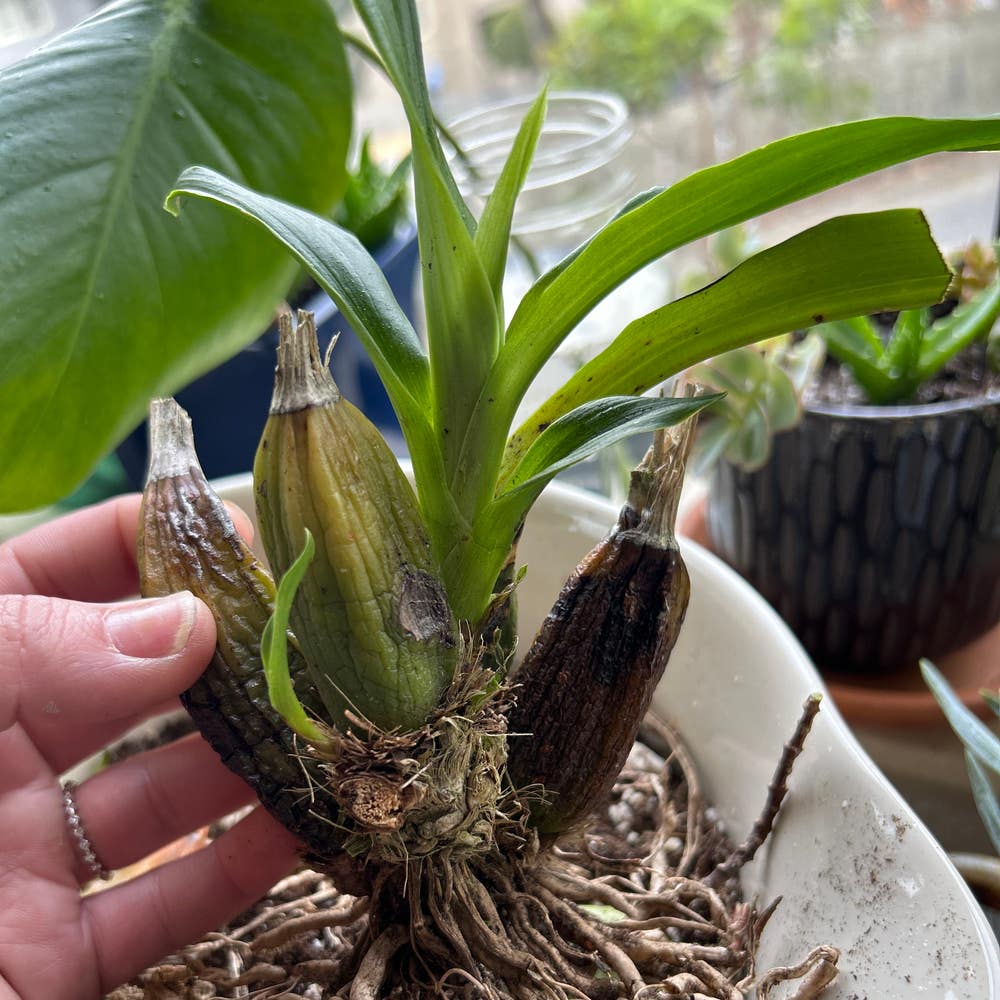
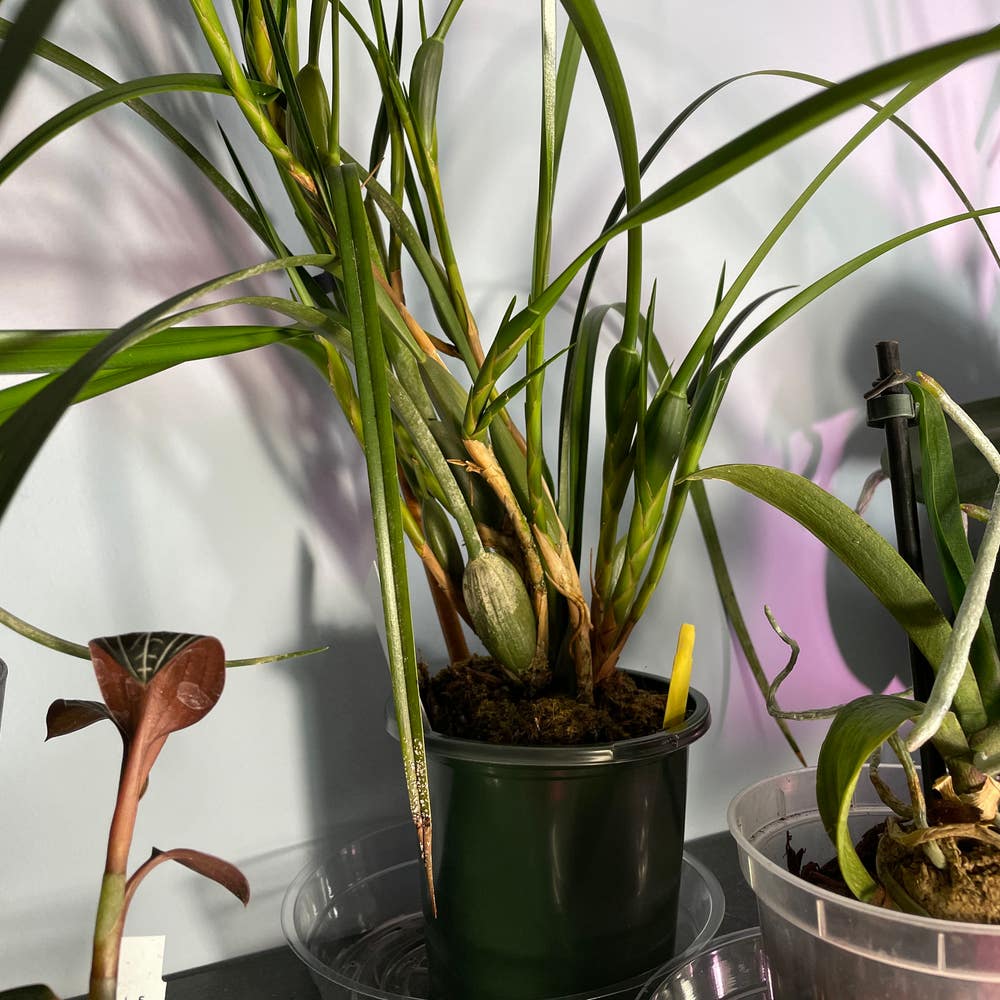
🌸 Introduction to Eulophia subulata
Eulophia subulata
By the Greg Editorial Team
Feb 27, 2025•10 min read
This article was created with the help of AI so we can cover more plants for you. May contain errors. See one? Report it here.
Elevate your garden with Eulophia subulata, a resilient orchid that thrives with minimal effort! 🌱
- 🌞 Eulophia subulata thrives in warm climates with temperatures between 20°C to 30°C.
- 🌱 Well-draining, organic-rich soil is essential for optimal growth and root health.
- 🌼 Prune after flowering to encourage new growth and maintain plant vitality.
How to Grow
🌍 Choosing a Location
Eulophia subulata thrives in a variety of light conditions, from partial shade to full sun. For optimal growth, aim for warm climates, ideally maintaining temperatures between 20°C to 30°C (68°F to 86°F).
🏗️ Soil Preparation
This orchid prefers well-draining soil rich in organic matter. A slightly acidic to neutral pH level, ranging from 6.0 to 7.0, is ideal for healthy growth.
🌱 Planting Techniques
When planting, ensure that the pseudobulbs are partially buried in the soil. Space them 12-18 inches apart to allow for optimal growth and airflow.
💧 Watering Requirements
Water Eulophia subulata when the top inch of soil feels dry to the touch. Deep watering encourages robust root growth, helping the plant thrive.
🌿 Fertilizing Schedule
Use a balanced orchid fertilizer, such as a 20-20-20 mix, to nourish your plant. Fertilize every 4-6 weeks during the growing season for best results.
✂️ Pruning Methods
Prune your Eulophia subulata after flowering to promote new growth. Focus on removing any dead or yellowing leaves to keep the plant healthy.
🛠️ Ongoing Care Tips
For container care, ensure that pots have adequate drainage holes to prevent waterlogging. If growing outdoors, regularly monitor for pests and diseases to maintain plant health.
With these guidelines, you can cultivate a thriving Eulophia subulata that adds beauty and interest to your garden. Next, let’s explore how to propagate this stunning orchid for even more growth opportunities.
Propagation
🌱 Seed Propagation Method
To propagate Eulophia subulata from seeds, create a warm, humid environment with ample light. Under these conditions, expect germination to take about 2 to 4 weeks.
✂️ Division Propagation Method
The best time to divide your plants is in spring or early summer. Carefully separate the pseudobulbs and replant them in fresh soil to encourage healthy growth.
🌿 Offsets Propagation Method
Look for new growth, or offsets, near the base of the plant as a sign that it's time to propagate. Gently detach these offsets and replant them in suitable soil to help them thrive.
With these propagation methods, you can expand your Eulophia subulata collection or share the beauty of this plant with friends. Next, let’s explore the lifecycle of this fascinating orchid.
Lifecycle
Lifecycle Stages 🌱
Eulophia subulata progresses through several distinct stages: germination, seedling, vegetative growth, flowering, and seed production. Each phase is crucial for the plant's development and contributes to its overall health and vitality.
Lifespan and Maturity ⏳
This resilient orchid can thrive for several years, especially when provided with optimal growing conditions. Typically, it takes about 2-3 years to reach maturity, allowing gardeners to enjoy its beauty relatively quickly.
Growth Speed ⚡️
Under favorable conditions, Eulophia subulata exhibits a relatively fast growth rate. This means that with the right care, you can witness its transformation from a seedling to a flowering plant in no time.
As you nurture this orchid through its lifecycle, you'll find that understanding its growth stages enhances your gardening experience. Next, let's explore how to size up your Eulophia subulata for optimal growth and health.
Size
Mature Height and Spread 🌱
Eulophia subulata typically reaches an average height of 30-60 cm (12-24 inches). Its spread usually ranges from 30-45 cm (12-18 inches), making it a compact yet striking addition to any garden.
Growth Rate Specifics 🚀
This plant exhibits a moderate to fast growth rate, depending on the conditions it’s grown in. With the right care, you’ll see it flourish quickly, adding vibrant life to your space.
Size Variability Based on Conditions ⚖️
Several factors can influence the size of Eulophia subulata. Soil quality, light exposure, and water availability all play crucial roles in determining how robust your plant will become.
Understanding these elements can help you optimize your growing conditions. By providing the right environment, you can encourage your Eulophia subulata to reach its full potential.
As you consider its size, think about how it will fit into your garden design. This plant can be a standout feature or a lovely complement to other flora.
Roots
Root System Characteristics 🌱
Eulophia subulata features a unique root system characterized by pseudobulbs and fibrous roots. This structure allows the plant to store water and nutrients effectively, supporting its growth.
Root Depth and Spread 🌍
Typically, the roots of Eulophia subulata are shallow, spreading horizontally rather than deep. This adaptation helps the plant efficiently absorb moisture and nutrients from the upper soil layers.
Common Root-Related Issues ⚠️
Root health is crucial for the overall vitality of Eulophia subulata.
- Root Rot: This common issue arises from overwatering and poor drainage, leading to unhealthy roots.
- Healthy Roots: Look for firm, white or light tan roots, indicating good health.
- Unhealthy Roots: Dark, mushy, or foul-smelling roots signal problems that need addressing.
Signs of a rootbound plant include roots growing out of drainage holes. If you notice this, it’s time to repot into a larger container to give your plant room to thrive.
Maintaining healthy roots is essential for the longevity and beauty of your Eulophia subulata. By monitoring root health and addressing issues promptly, you can ensure your plant remains vibrant and flourishing.
Next, let's explore the benefits of growing Eulophia subulata and why it deserves a spot in your garden.
Benefits
Top 5 Benefits of Eulophia subulata 🌸
Aesthetic Appeal
Eulophia subulata boasts striking flowers that can transform any garden into a vibrant display. Their unique beauty adds a touch of elegance and charm to your outdoor space.Pollinator Attraction
This orchid variety plays a vital role in supporting local ecosystems. By attracting bees and butterflies, it helps maintain biodiversity and promotes a healthy garden environment.Drought Tolerance
Thanks to its pseudobulbs, Eulophia subulata can store water efficiently. This resilience makes it an excellent choice for gardeners in dry conditions, ensuring it thrives even when rainfall is scarce.Cultural Significance
Beyond its beauty, Eulophia subulata holds value in traditional medicine and local customs. This connection to culture adds depth to its presence in gardens, making it more than just a plant.Versatile Growing Options
Whether you prefer garden beds or containers, Eulophia subulata adapts well to various growing environments. Its flexibility allows gardeners to enjoy its beauty in diverse settings.
These benefits make Eulophia subulata a fantastic addition to any garden, enhancing both aesthetics and ecological health. As we explore the next section, you'll discover how to propagate this remarkable plant and share its beauty with others.
Companion Plants
Best Companion Plants 🌱
Choosing the right companions for Eulophia subulata can enhance both its growth and aesthetic appeal. Ideal companions include ferns, shade-tolerant perennials, and other orchids that thrive in similar conditions.
These plants not only complement the beauty of Eulophia but also create a harmonious garden environment. However, it's best to avoid heavy feeders that compete for nutrients, as they can hinder the growth of your Eulophia.
Benefits of Companion Planting 🌼
Companion planting offers several advantages. It can improve soil health, attract beneficial insects, and provide natural pest control.
By selecting the right plants, you can create a thriving ecosystem that supports your Eulophia subulata. This approach fosters a vibrant garden that is both beautiful and resilient.
Final Thoughts on Companion Plants 🌿
Incorporating compatible plants can elevate your gardening experience. With the right companions, your Eulophia will flourish, adding charm and vitality to your outdoor space.
Next, let’s explore common problems that can arise while growing Eulophia subulata and how to tackle them effectively.
Problems
Common Problems 🌱
Eulophia subulata can face several challenges that may hinder its growth. Understanding these common problems is essential for maintaining a healthy plant.
Incorrect Watering 🚰
One of the most frequent issues is incorrect watering. Symptoms include wilting or yellowing leaves, which can indicate either overwatering or underwatering.
- Causes: Overwatering leads to root rot, while underwatering causes stress.
- Solutions: Adjust your watering frequency based on the moisture level of the soil. Always check the top inch of soil before watering.
Incorrect Light Conditions 💡
Light conditions play a crucial role in the plant's health. If you notice leggy growth or scorched leaves, it may be a sign of improper lighting.
- Causes: Too much light can scorch leaves, while too little light leads to weak growth.
- Solutions: Move your plant to a more suitable location that provides the right balance of light.
Temperature Issues 🌡️
Temperature fluctuations can also affect Eulophia subulata. Symptoms like stunted growth or leaf drop indicate that the plant is not happy with its environment.
- Causes: Extreme temperatures, whether too hot or too cold, can stress the plant.
- Solutions: Provide shade during hot spells and protection from cold drafts to maintain a stable environment.
Diseases 🦠
Fungal diseases can plague Eulophia subulata, particularly in humid conditions. Look for symptoms like powdery mildew on leaves.
- Causes: High humidity and poor air circulation create a breeding ground for fungi.
- Solutions: Improve airflow around the plant and apply fungicides if necessary to combat these issues.
Root Problems 🌿
Root health is vital for the overall well-being of your plant. Signs of trouble include root rot or squishy roots.
- Causes: Overwatering or poor drainage can lead to unhealthy roots.
- Solutions: Repot your plant in fresh, well-draining soil to promote healthy root growth.
By addressing these common problems, you can ensure that your Eulophia subulata thrives in your garden or home. Next, let’s explore how to effectively propagate this beautiful plant.
Bugs
🐞 Potential Pest Issues
Eulophia subulata is generally resilient against pests, but certain insects can still pose a threat. Keeping an eye out for these common pests is essential for maintaining the health of your plant.
🐜 Common Pests
Spider Mites
- Identification: Look for fine webbing on leaves, often a sign of infestation.
- Damage: These pests can cause leaf discoloration and eventual drop.
- Treatment: Increase humidity around the plant and apply miticides to combat the issue.
Scale Insects
- Identification: Small, hard bumps on stems and leaves indicate their presence.
- Damage: Scale insects weaken the plant and reduce its vigor.
- Treatment: Manual removal is effective, along with the application of insecticidal soap.
Mealybugs
- Identification: White, cottony masses on the plant signal a mealybug problem.
- Damage: They suck sap, leading to stunted growth.
- Treatment: Use alcohol swabs for removal and follow up with insecticidal soap.
Aphids
- Identification: These small, green or black insects are often found on new growth.
- Damage: Aphids distort leaves and hinder growth.
- Treatment: Neem oil or insecticidal soap can effectively eliminate them.
Whiteflies
- Identification: Tiny white insects that fly away when disturbed are a telltale sign.
- Damage: They cause yellowing leaves and reduced vigor.
- Treatment: Employ yellow sticky traps and insecticidal soap to manage their population.
By staying vigilant and addressing pest issues promptly, you can ensure your Eulophia subulata thrives. Next, let’s explore what animals might be interested in munching on your plants.
What Eats Eulophia subulata
🦌 Common Animals
Eulophia subulata can attract a variety of animals that may pose a threat to its health. Understanding these potential pests is crucial for maintaining the vitality of your plants.
Deer
Deer are notorious for browsing on leaves and stems. Their feeding can decimate your Eulophia subulata, so consider using fencing or repellents to deter them.
Rabbits
Rabbits love to munch on young plants, leaving behind chewed leaves and stems. Protect your plants with fencing or repellents to minimize damage.
Squirrels
Squirrels may dig around the base of your plants, disrupting roots and soil. Implement scare tactics or use repellents to keep these critters at bay.
Birds
Birds can peck at flowers and leaves, reducing flowering potential. To protect your plants, consider using netting or reflective objects to deter them.
Rodents
Rodents leave gnaw marks and burrowing signs, which can lead to root damage and plant instability. Traps and natural repellents can help manage these pests effectively.
Groundhogs
Groundhogs can take large bites from leaves and stems, potentially destroying young plants. Fencing and habitat modification are effective deterrent methods to keep them away.
By being proactive and aware of these common threats, you can better protect your Eulophia subulata and ensure its thriving growth. Next, let’s explore the companion plants that can enhance your garden’s ecosystem.
⚠️ Safety First
This content is for general information and may contain errors, omissions, or outdated details. It is not medical, veterinary advice, or an endorsement of therapeutic claims.
Always consult a qualified healthcare professional before using any plant as food, medicine, or supplement.
Never eat any plant (or feed one to pets) without confirming its identity with at least two trusted sources.
If you suspect poisoning, call Poison Control (800) 222-1222, the Pet Poison Helpline (800) 213-6680, or your local emergency service immediately.
Spotted an error? Please report it here.
Unlock the beauty of Eulophia subulata 🌺 with Greg's custom care reminders and tips, ensuring your orchid thrives and dazzles in your garden!