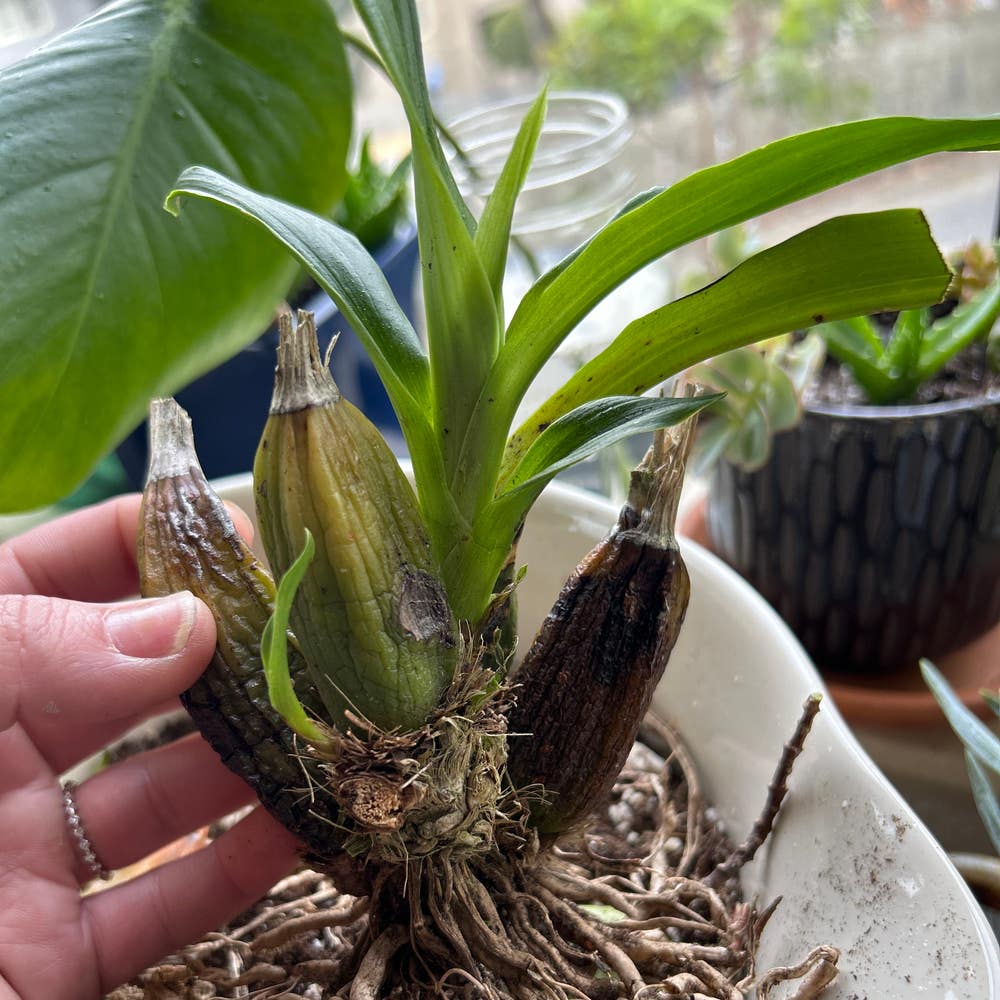
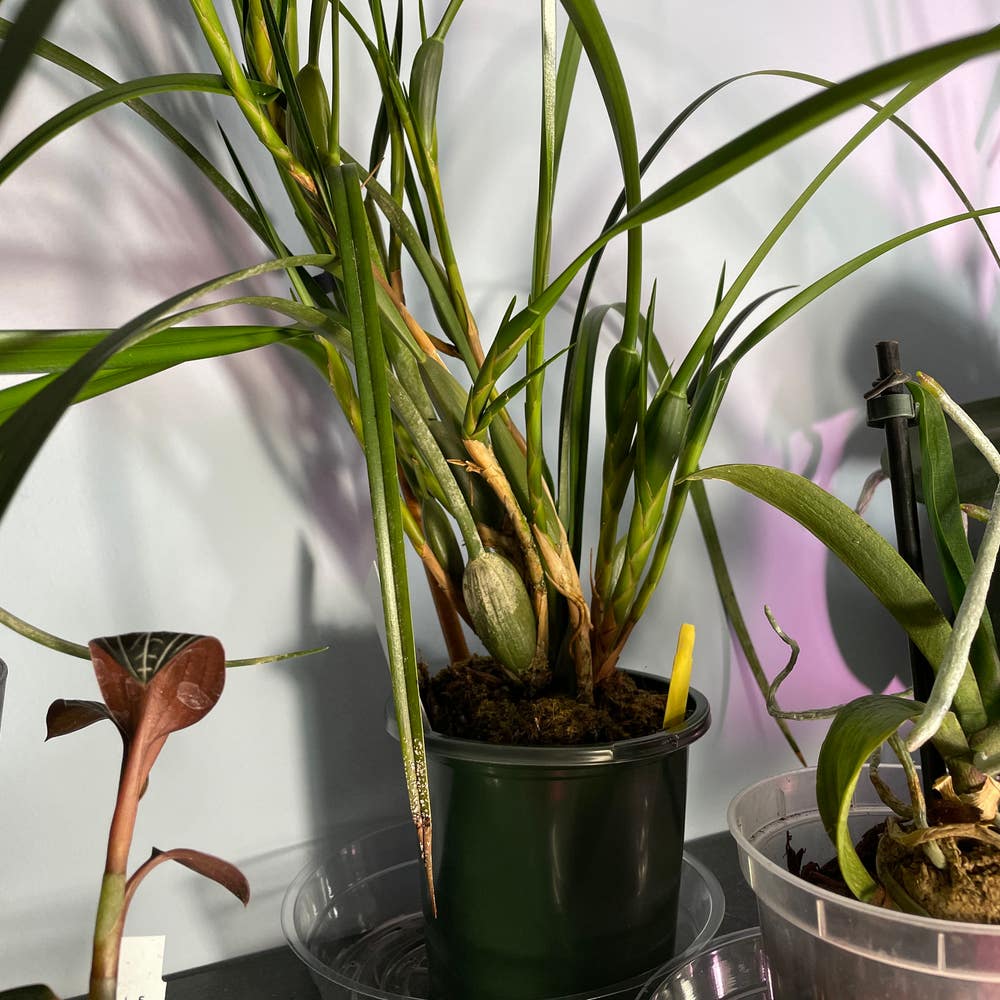
🌸 Understanding Eulophia subsaprophytica: The Basics
Eulophia subsaprophytica
By the Greg Editorial Team
Feb 27, 2025•12 min read
This article was created with the help of AI so we can cover more plants for you. May contain errors. See one? Report it here.
Elevate your garden with Eulophia subsaprophytica, a stunning orchid that thrives with minimal care! 🌱
- 🌞 Eulophia subsaprophytica thrives in partial shade; ensure filtered sunlight for optimal growth.
- 💧 High humidity is crucial for healthy development; keep soil consistently moist but not soggy.
- 🌱 Use well-draining, organic-rich soil with a pH of 6.0-7.0 for best results.
How to Grow
🌍 Choosing a Location
Eulophia subsaprophytica thrives in partial shade to filtered sunlight. This balance helps prevent leaf scorch while ensuring the plant receives enough light for healthy growth.
Humidity is another crucial factor. Maintaining moisture levels in the environment will promote robust development and flowering.
🏗️ Soil Preparation
For optimal growth, use well-draining soil rich in organic matter. This ensures that the roots can access nutrients without becoming waterlogged.
Aim for a slightly acidic to neutral soil pH, ideally between 6.0 and 7.0. This range supports nutrient availability and overall plant health.
🌱 Planting Techniques
When planting, position the pseudobulbs just below the soil surface. This depth allows for proper root establishment and moisture retention.
Space the plants 12-18 inches apart to give them room to grow. Adequate spacing prevents overcrowding and promotes airflow.
💧 Watering Requirements
Keep the soil consistently moist but avoid waterlogging. This balance is essential for preventing root rot and ensuring healthy growth.
Be vigilant for signs of overwatering, such as yellowing leaves, or underwatering, indicated by wilting. Adjust your watering routine accordingly.
🌿 Fertilizing Schedule
Use a balanced orchid fertilizer, such as a 20-20-20 formula. This type of fertilizer provides the necessary nutrients for vigorous growth.
Apply fertilizer every 4-6 weeks during the growing season. Regular feeding supports flowering and overall plant vitality.
✂️ Pruning Methods
Prune Eulophia subsaprophytica after flowering to encourage new growth. This timing helps the plant redirect energy into producing fresh foliage.
Focus on removing dead or damaged leaves and spent flower stalks. This practice keeps the plant healthy and promotes a tidy appearance.
🌼 Ongoing Care Tips
Choose pots with drainage holes to prevent water accumulation. Proper drainage is vital for maintaining healthy roots.
Adjust care seasonally to protect the plant from extreme temperatures. This proactive approach ensures your Eulophia subsaprophytica remains vibrant year-round.
With these guidelines, you'll be well on your way to nurturing a thriving Eulophia subsaprophytica. Next, let’s explore how to propagate this fascinating plant for even more growth opportunities.
Propagation
🌱 Seed Propagation
To successfully propagate Eulophia subsaprophytica from seeds, you'll need to create the right environment. This means providing warm temperatures and high humidity, which are crucial for germination.
Expect the seeds to germinate within 2-3 weeks under optimal conditions. Patience is key, as this process can be a bit slow but rewarding.
✂️ Division Propagation
Another effective method for propagation is division, which is best done in early spring before new growth begins. This timing ensures that the plant can recover quickly and thrive after being divided.
To divide, carefully separate the pseudobulbs from the main plant and replant them in suitable soil. This method not only helps in propagation but also encourages healthier growth for the parent plant.
With these propagation techniques, you can expand your Eulophia subsaprophytica collection and enjoy its beauty in multiple locations. Next, let’s explore the lifecycle of this fascinating plant.
Lifecycle
Lifecycle Stages 🌱
Eulophia subsaprophytica is classified as a perennial plant, meaning it lives for several years and can bloom multiple times throughout its life. This characteristic makes it a rewarding choice for gardeners looking for long-term beauty in their landscapes.
Germination Process 🌡️
For successful germination, Eulophia subsaprophytica requires warm temperatures and high humidity. These conditions typically foster a germination timeframe of about 2-3 weeks.
Seedling Stage 🌿
Once germinated, seedlings take approximately 6-12 months to mature before they are ready for transplanting. During this stage, they develop their initial root systems and foliage.
Vegetative Growth 🌳
As the plant enters vegetative growth, it focuses on developing pseudobulbs and lush foliage. This growth phase is crucial for establishing a strong foundation for future flowering.
Flowering and Seed Production 🌸
Flowering usually occurs in late spring to early summer, showcasing the plant's stunning blooms. After flowering, Eulophia subsaprophytica produces seeds, which are formed shortly after the flowers fade.
Lifespan and Growth Timeline ⏳
Under optimal conditions, Eulophia subsaprophytica can live for several years. Typically, it takes about 2-3 years for the plant to reach its full size and maturity, rewarding gardeners with its vibrant presence.
This lifecycle overview highlights the fascinating journey of Eulophia subsaprophytica, from seed to stunning perennial. Next, we will explore the plant's size and growth characteristics in detail.
Size
Mature Height and Spread 🌱
Eulophia subsaprophytica typically reaches a height of 12 to 24 inches, with a spread of 12 to 18 inches. This moderate size makes it an excellent choice for both garden beds and container planting.
Growth Rate and Size Variability 📈
The average growth rate of this orchid is moderate, but it can vary based on environmental conditions. Factors like light, water, and nutrient availability play a significant role in how quickly and robustly your plant grows.
Impact of Growing Conditions on Size 🌍
Growing conditions greatly influence the size of Eulophia subsaprophytica. Adequate light, consistent moisture, and rich, well-draining soil can enhance growth, while neglecting these factors may stunt its development.
Understanding these aspects of size will help you create the ideal environment for your Eulophia subsaprophytica. Next, we’ll explore the fascinating process of propagation to expand your collection.
Roots
🌱 Root System Characteristics
Eulophia subsaprophytica features a rhizomatous root system. This type of root structure is excellent for storing water and nutrients, ensuring the plant thrives in varying conditions.
📏 Depth and Spread of Roots
Typically, the roots extend 6-12 inches deep into the soil. They also spread laterally, allowing the plant to access a broader range of nutrients and moisture.
⚠️ Common Root-Related Issues
Root rot is a common concern for Eulophia subsaprophytica. Signs include a foul smell and mushy roots, often caused by overwatering or poor drainage.
👀 Identifying Healthy vs. Unhealthy Roots
Healthy roots are firm and exhibit a white color. In contrast, unhealthy roots may appear brown or black and feel soft to the touch.
🔒 Recognizing Rootbound Plants and Solutions
If you notice roots growing out of the drainage holes, your plant may be rootbound. To remedy this, consider repotting the plant into a larger container or pruning the roots to encourage new growth.
Understanding the root system of Eulophia subsaprophytica is crucial for its overall health. By keeping an eye on root conditions and addressing issues promptly, you can ensure your plant flourishes beautifully.
Next, let’s explore the benefits of growing this unique orchid.
Benefits
Top 5 Benefits 🌟
Eulophia subsaprophytica is not just a beautiful addition to your garden; it offers a range of benefits that make it a must-have for any plant enthusiast.
Aesthetic Appeal
The striking flowers of Eulophia subsaprophytica can transform any garden into a vibrant display of color. Their unique shapes and hues draw the eye, making them a focal point in landscaping.
Pollinator Attraction
This plant plays a crucial role in supporting local ecosystems. By attracting pollinators like bees and butterflies, it helps maintain biodiversity and promotes a healthy garden environment.
Low Maintenance
One of the best features of Eulophia subsaprophytica is its resilience. Once established, it requires minimal care, making it perfect for both novice and busy gardeners.
Unique Foliage
The plant's foliage adds texture and interest to your garden. Its lush leaves create a beautiful backdrop for other plants, enhancing the overall aesthetic.
Cultural Significance
Eulophia subsaprophytica holds symbolic meaning in various traditions. Its presence can add a layer of cultural richness to your garden, connecting you to nature and history.
These benefits make Eulophia subsaprophytica a valuable addition to any garden. Whether you're looking for beauty, ecological support, or low-maintenance options, this plant has it all.
Next, let's explore the concept of companion planting and discover which plants thrive alongside Eulophia subsaprophytica.
Companion Plants
🌱 Concept of Companion Planting
Companion planting is all about creating a harmonious garden environment. By pairing plants that support each other's growth, you can enhance overall health, manage pests naturally, and boost garden diversity.
🌼 Best Companion Plants
For Eulophia subsaprophytica, consider ferns and other shade-loving perennials. These companions thrive in similar light and moisture conditions, making them ideal partners that can also deter pests.
🚫 Plants to Avoid
Be cautious with plants that compete for resources or attract unwanted pests. Avoid aggressive growers or those with high water demands, as they can hinder the growth of your Eulophia subsaprophytica.
By choosing the right companions, you can create a thriving garden ecosystem that benefits all your plants. Next, let's explore the fascinating topic of toxicity and how Eulophia subsaprophytica interacts with pets and humans.
Toxicity to Humans
Eulophia subsaprophytica is not listed as toxic by major poison control centers, making it a safe choice for gardens and homes. However, it's wise to be aware of potential minor issues, such as mild skin irritation or digestive discomfort from excessive consumption.
👀 Monitoring for Symptoms
While serious reactions are rare, it's important to monitor for any unusual symptoms after contact or ingestion. Keeping an eye on how you or others react can help ensure a safe experience with this intriguing plant.
In summary, Eulophia subsaprophytica offers beauty without significant toxicity concerns. This makes it an excellent addition to your garden, allowing you to enjoy its unique characteristics without worry.
Next, let’s explore how this plant interacts with our furry friends, particularly dogs.
Toxicity to Dogs
Eulophia subsaprophytica is not listed as toxic by major pet poison control centers, making it a relatively safe choice for dog owners. However, like many plants, it can cause minor issues if consumed in excess, potentially leading to mild gastrointestinal upset.
🐶 Tips for Introducing to Homes with Dogs
When bringing Eulophia subsaprophytica into your home, consider proper placement to minimize any risk. Keep the plant out of reach of curious pups and monitor their behavior around it, ensuring they don’t nibble on the leaves.
🏁 Conclusion
By taking these simple precautions, you can enjoy the beauty of Eulophia subsaprophytica without worrying about your furry friends. Next, let’s explore how this plant interacts with cats and any potential concerns for our feline companions.
Toxicity to Cats
Eulophia subsaprophytica is not listed as toxic by major pet poison control centers, making it a safe choice for cat owners. However, it's wise to be cautious, as excessive consumption can lead to mild gastrointestinal upset.
🌿 Introducing Eulophia to Your Home
When bringing this plant into a home with cats, consider its placement carefully. Position it out of reach to prevent any curious nibbling.
👀 Monitoring Behavior
Keep an eye on your feline friends around the plant. If you notice any unusual behavior or symptoms, it’s best to consult a veterinarian for peace of mind.
This plant can be a beautiful addition to your space, and with a little care, you can enjoy its presence without worry. Next, let’s explore the common problems that might arise when caring for Eulophia subsaprophytica.
Problems
Common Problems 🌱
Growing Eulophia subsaprophytica can be rewarding, but it comes with its share of challenges. Understanding these common problems will help you maintain a healthy plant.
Incorrect Watering 🚰
Watering is crucial for your plant's health. Overwatering can lead to root rot, while underwatering may cause wilting and leaf drop.
Signs of Overwatering:
- Yellowing leaves
- Mushy roots
Signs of Underwatering:
- Dry, crispy leaves
- Wilting stems
Incorrect Light Conditions 💡
Light is another vital factor. Insufficient light can stunt growth, while too much direct sunlight can scorch the leaves.
Symptoms of Insufficient Light:
- Leggy growth
- Pale leaves
Symptoms of Excessive Light:
- Leaf burn
- Fading colors
Incorrect Temperature 🌡️
Temperature extremes can stress your Eulophia. Ideally, keep it in a stable environment to promote healthy growth.
Effects of Temperature Extremes:
- Cold stress can cause leaf drop
- Heat stress may lead to wilting
Diseases 🦠
Fungal diseases are a common issue for Eulophia subsaprophytica. Two prevalent problems are powdery mildew and root rot.
Common Fungal Issues:
- Powdery Mildew: White, powdery spots on leaves.
- Root Rot: Dark, mushy roots that smell foul.
Leaf Issues 🍃
Leaf problems can signal underlying issues. Identifying these symptoms early can save your plant.
Identifying Leaf Issues:
- Scorching: Brown tips indicate too much light or heat.
- Yellowing: Often a sign of nutrient deficiency or overwatering.
- Fuzzy Growth: Could indicate fungal infections.
By keeping an eye on these common problems, you can ensure your Eulophia subsaprophytica thrives. Next, let’s explore the fascinating world of pests that might threaten your plant's health.
Bugs
🐛 Potential Pest Issues
Eulophia subsaprophytica can face various pest challenges that may hinder its growth. Understanding the plant's resistance and susceptibility to pests is crucial for maintaining its health.
🔍 Identification and Damage
Common pests that may target your Eulophia include spider mites, aphids, and mealybugs. Look out for symptoms like leaf discoloration, wilting, and stunted growth, which indicate that your plant is under attack.
🧪 Effective Treatment Options
To combat these pests, consider both organic and chemical solutions. Neem oil and insecticidal soap are effective organic options, while chemical pesticides can provide a stronger defense when necessary. Always follow application instructions carefully to protect your plant and the surrounding environment.
By staying vigilant and addressing pest issues promptly, you can ensure your Eulophia thrives. Next, let’s explore what animals might pose a threat to your plant and how to deter them effectively.
What Eats
🦌 Common Animals
Eulophia subsaprophytica can attract a variety of hungry critters. The most common threats include deer, rabbits, squirrels, and rodents, all of which may find these plants irresistible.
🕵️♂️ Signs of Animal Presence and Damage
To protect your plants, it's crucial to recognize the signs of animal activity. Look for tracks, droppings, and chewed foliage, which indicate that your garden may be a dining spot for local wildlife.
🚫 Deterrent Methods
Preventing damage from these animals involves a mix of strategies. Consider using both chemical and organic control methods to safeguard your plants effectively.
- Chemical deterrents: These can include sprays that create an unpleasant taste or smell for animals.
- Organic options: Natural repellents like garlic or hot pepper sprays can be effective without harming the environment.
By implementing these deterrents, you can enjoy the beauty of Eulophia subsaprophytica without the worry of unwanted nibblers. As you cultivate your garden, stay vigilant and proactive to ensure your plants thrive.
⚠️ Safety First
This content is for general information and may contain errors, omissions, or outdated details. It is not medical, veterinary advice, or an endorsement of therapeutic claims.
Always consult a qualified healthcare professional before using any plant as food, medicine, or supplement.
Never eat any plant (or feed one to pets) without confirming its identity with at least two trusted sources.
If you suspect poisoning, call Poison Control (800) 222-1222, the Pet Poison Helpline (800) 213-6680, or your local emergency service immediately.
Spotted an error? Please report it here.
Unlock blooming success 🌼 with Eulophia subsaprophytica by using Greg's personalized care tips and watering reminders to keep your plant thriving all season long!