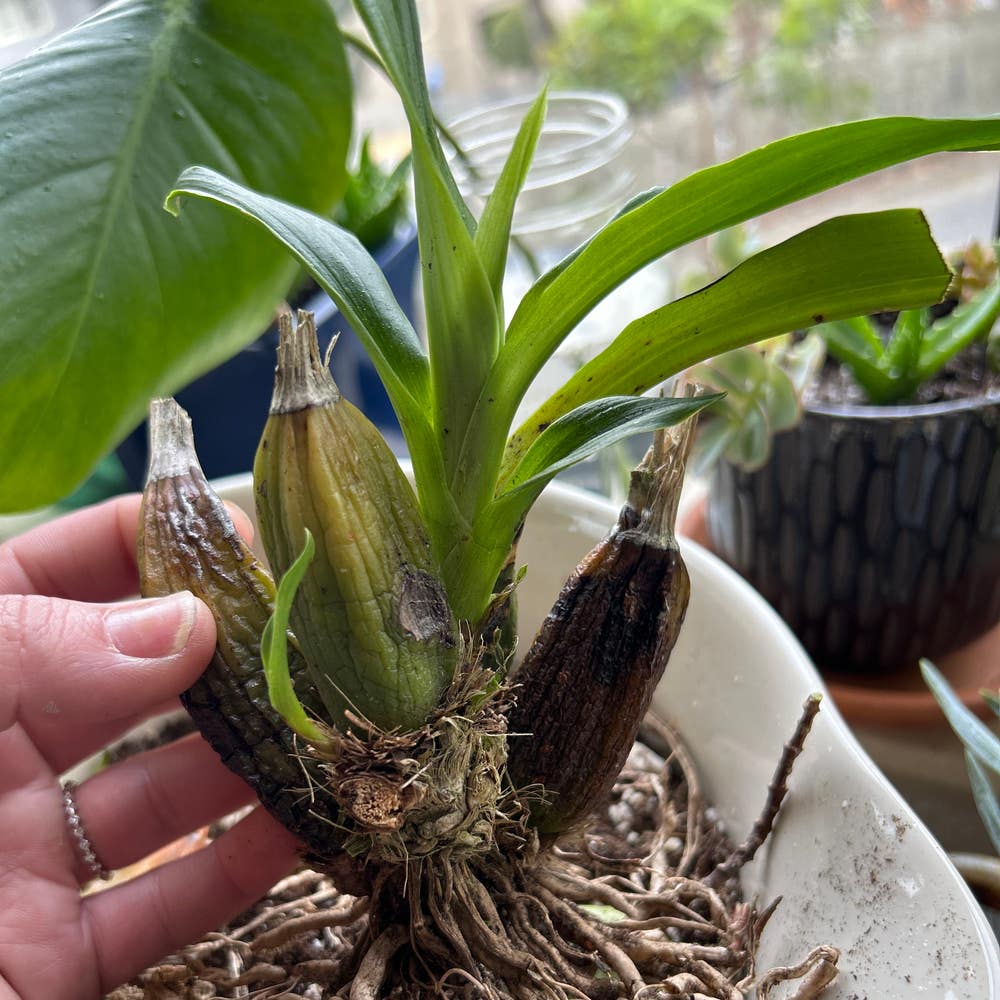
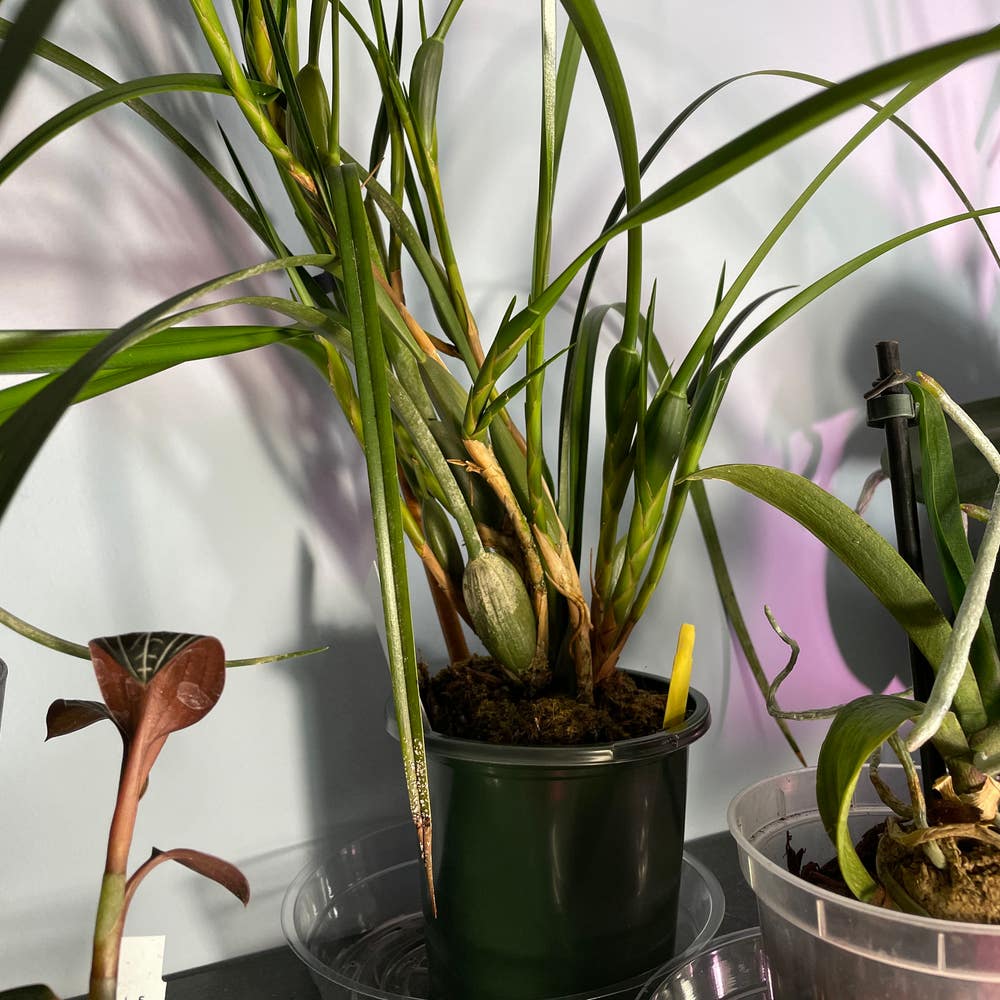
Overview of Eulophia streptopetala var. streptopetala
Eulophia streptopetala var. streptopetala
By the Greg Editorial Team
Feb 27, 2025•6 min read
This article was created with the help of AI so we can cover more plants for you. May contain errors. See one? Report it here.
Unlock vibrant blooms in your garden 🌼 with expert tips on growing Eulophia streptopetala effortlessly!
- 🌞 Eulophia thrives in full sun to partial shade with temperatures of 20-30°C.
- 🌱 Well-draining sandy loam is ideal for Eulophia; maintain pH 6.0 to 7.0.
- 💧 Water when top inch is dry; avoid overwatering to prevent yellow leaves.
How to Grow
Choosing the Right Location 🌞
Eulophia streptopetala var. streptopetala thrives in full sun to partial shade. Aim for temperatures between 20°C to 30°C (68°F to 86°F) and moderate humidity for optimal growth.
Soil Preparation 🏜️
For soil, select well-draining sandy loam or loamy soil. The ideal pH is slightly acidic to neutral, ranging from 6.0 to 7.0, ensuring good drainage to prevent root rot.
Planting Techniques 🌱
When planting, dig a hole 2-3 inches deep and space the plants 12-18 inches apart. The best time to plant is in spring, after the last frost has passed.
Watering Requirements 🚰
Water your Eulophia when the top inch of soil feels dry. Use deep watering techniques to promote robust root growth while avoiding waterlogging.
Fertilizing Schedule 🍽️
A balanced NPK fertilizer (10-10-10) works wonders for these plants. Fertilize every 4-6 weeks during the growing season to keep them healthy and thriving.
Pruning and Ongoing Care ✂️
Prune your plants after flowering to encourage new growth. Focus on removing dead or damaged leaves and spent flowers to maintain their vigor.
Outdoor vs. Container Growing Considerations 🏡
Growing outdoors is ideal for larger plants with plenty of space to spread. If using containers, ensure pots have drainage holes and monitor moisture levels closely to prevent overwatering.
Transitioning from growing techniques, let's explore propagation methods to expand your Eulophia collection.
Propagation
🌱 Seed Propagation
To start your Eulophia streptopetala var. streptopetala from seeds, soak them in water for 24 hours before planting. This simple step helps kickstart the germination process, setting the stage for healthy growth.
For optimal germination, provide a warm and humid environment. This creates the perfect conditions for your seeds to sprout and thrive.
✂️ Division of Rhizomes
Dividing rhizomes is best done in early spring when the plant is ready to grow. This timing ensures that the divided sections can establish themselves quickly.
When dividing, carefully separate the rhizomes and replant them immediately. This technique not only propagates your plant but also encourages vigorous growth.
🌿 Cuttings
Taking cuttings is another effective propagation method. Select healthy stems that are about 4-6 inches long for the best results.
Once you have your cuttings, place them in a moist potting mix. Keep the soil consistently damp until roots develop, and watch your new plants take off!
With these propagation techniques, you can expand your Eulophia collection and enjoy the beauty of these unique plants in your garden. Next, let’s explore the lifecycle of Eulophia streptopetala and understand its growth stages.
Lifecycle
Stages of Growth 🌱
Eulophia streptopetala var. streptopetala progresses through distinct stages: seed, seedling, vegetative growth, flowering, and seed production. As a perennial, it typically enjoys several years of growth, making it a rewarding addition to your garden.
Timeframe for Growth to Maturity ⏳
This plant takes about 2-3 years to reach full maturity. Its moderate growth rate can vary based on environmental conditions, such as light, water, and soil quality.
Understanding these stages and timeframes helps you set realistic expectations for your gardening journey. With patience and care, you’ll witness the beauty of this plant unfold over time.
Next, we’ll explore the size of Eulophia streptopetala var. streptopetala, including its mature height and spread.
Size
Mature Height and Spread 🌱
Eulophia streptopetala var. streptopetala typically reaches a mature height of 30 to 60 cm (12 to 24 inches). Its spread can extend up to 30 cm (12 inches) wide, making it a compact yet visually appealing addition to your garden.
Growth Rate and Factors Affecting Size 📈
This plant exhibits a moderate growth rate, which can be influenced by several factors including light, water, and soil quality. Variability in size is common, as optimal care and conditions can lead to more robust growth, while neglect may stunt its development.
Understanding these aspects of size will help you provide the best environment for your Eulophia streptopetala, ensuring it thrives beautifully in your space. Next, let’s explore the common problems you might encounter while growing this lovely plant.
Problems
Common Problems 🌱
Growing Eulophia streptopetala var. streptopetala can be rewarding, but it’s essential to watch for common issues that can hinder its health.
Incorrect Watering 🚰
Watering is a critical factor. Overwatering can lead to yellowing leaves, while underwatering causes wilting.
Incorrect Light Conditions ☀️
Light conditions also play a significant role in plant health. Too much sun can scorch the leaves, while insufficient light can result in leggy growth.
Diseases 🦠
Fungal diseases, such as powdery mildew, can affect your plant. Look for white spots on leaves as a telltale sign of this issue.
Root Problems 🥴
Root rot is another concern, often stemming from poor drainage or overwatering. Symptoms include a foul smell and mushy roots, which require immediate attention to save your plant.
Solutions 💡
To combat these problems, ensure proper watering techniques, monitor light exposure, and maintain good air circulation. Regularly inspect your plant for any signs of distress, and act quickly to address any issues that arise.
With a little care and attention, you can keep your Eulophia thriving and vibrant. Next, let’s explore how to propagate this beautiful plant effectively.
Bugs
🐛 Potential Pest Issues
Eulophia streptopetala var. streptopetala is generally pest-resistant, making it a resilient choice for gardeners. However, it can still fall prey to a few common pests that you should keep an eye out for.
- Common pests include spider mites, mealybugs, aphids, and whiteflies. Each of these can cause varying degrees of damage if not addressed promptly.
🔍 Identification and Treatment Options
Identifying pests early can save your plant from significant harm. Here’s how to spot and deal with the most common offenders:
Spider Mites
Look for fine webbing and stippled leaves, which are telltale signs of spider mite infestations. To treat them, apply insecticidal soap directly to the affected areas.
Mealybugs
These pests appear as cotton-like masses on stems and leaves. You can remove them by hand or treat the plant with neem oil for effective control.
Aphids
Aphids are small, green or black insects that cluster on new growth. They can be managed with insecticidal soap or by introducing natural predators like ladybugs.
By staying vigilant and addressing these pest issues promptly, you can ensure your Eulophia streptopetala thrives beautifully. Now, let’s explore how to protect your plant from animal intruders in the next section.
What Eats
Common Animals 🦌
Eulophia streptopetala var. streptopetala can attract a variety of hungry critters.
- Deer: Look for signs like chewed leaves and stems.
- Rabbits: They often nibble on the lower leaves, leaving telltale bite marks.
- Squirrels: These little diggers may disturb the soil around the plant's base.
Signs of Animal Presence and Damage 🐾
Identifying animal damage is crucial for protecting your plants.
Common signs include:
- Missing leaves, which indicate munching.
- Broken stems, often a result of rough handling.
- Disturbed soil, suggesting digging or burrowing activities.
Deterrent Methods 🚫
Keeping these pests at bay can be a challenge, but there are effective strategies.
- Chemical methods: Commercial repellents can deter animals but may require frequent reapplication.
- Organic methods: Consider planting deterrent species nearby or using physical barriers like fences to protect your plants.
By staying vigilant and employing these methods, you can help ensure your Eulophia thrives without unwanted visitors. Next, let’s explore the potential pest issues that can affect your plant’s health.
⚠️ Safety First
This content is for general information and may contain errors, omissions, or outdated details. It is not medical, veterinary advice, or an endorsement of therapeutic claims.
Always consult a qualified healthcare professional before using any plant as food, medicine, or supplement.
Never eat any plant (or feed one to pets) without confirming its identity with at least two trusted sources.
If you suspect poisoning, call Poison Control (800) 222-1222, the Pet Poison Helpline (800) 213-6680, or your local emergency service immediately.
Spotted an error? Please report it here.
Grow your Eulophia beautifully 🌱 with Greg's tailored care reminders and expert tips to ensure it thrives in your garden or home!