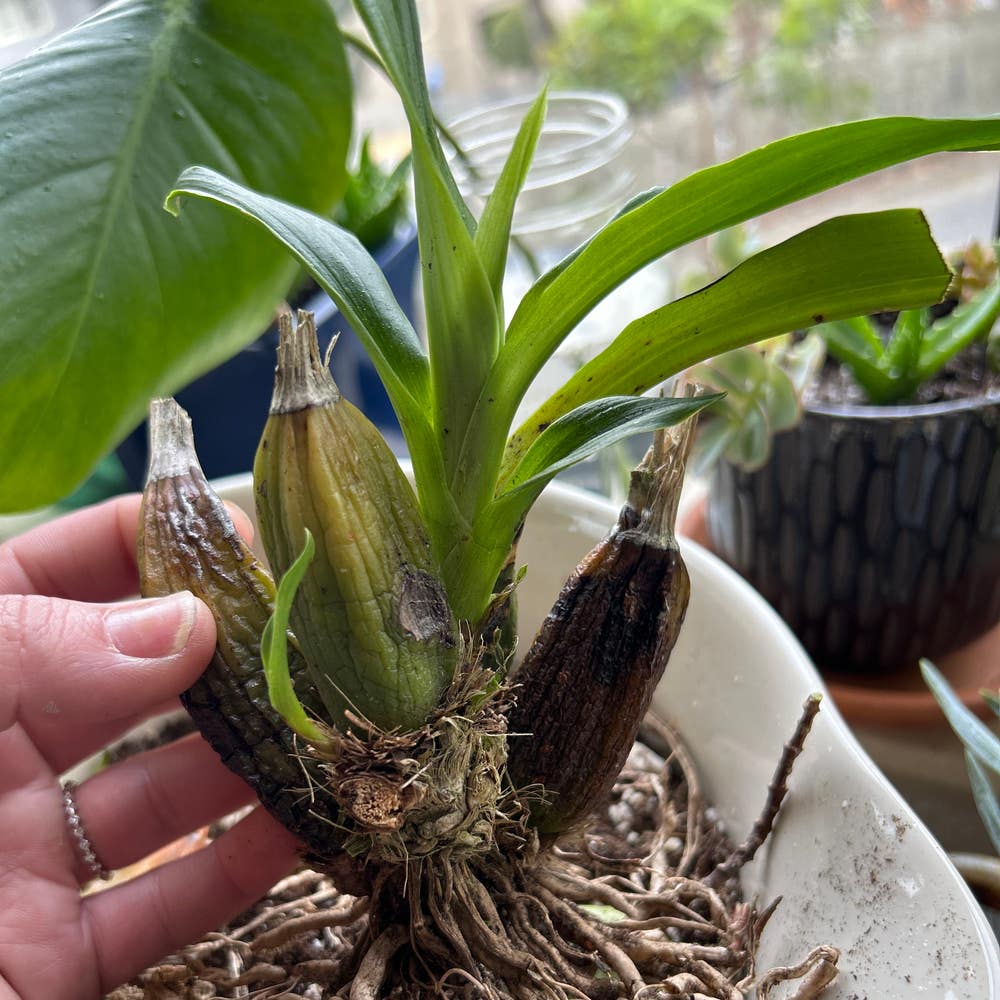
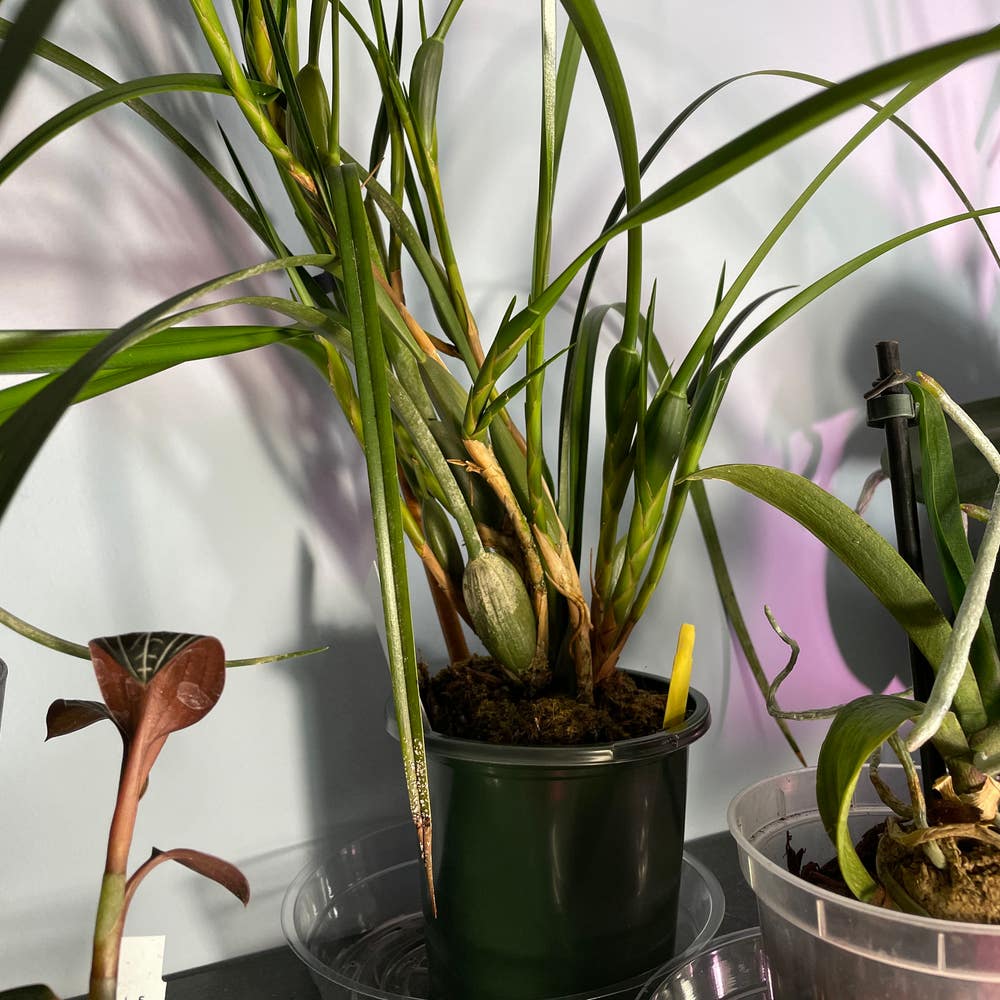
🌸 Introduction to Eulophia streptopetala var. stenophylla
Eulophia streptopetala var. stenophylla
By the Greg Editorial Team
Feb 27, 2025•11 min read
This article was created with the help of AI so we can cover more plants for you. May contain errors. See one? Report it here.
Discover how to effortlessly grow Eulophia streptopetala var. stenophylla for a vibrant garden display! 🌱
- 🌞 Eulophia streptopetala thrives in bright, indirect sunlight and prefers warm temperatures.
- 💧 Maintain humidity between 50%-70% and water only when the top inch is dry.
- 🌱 Use well-draining soil and fertilize every 4-6 weeks for optimal growth.
How to Grow
Choosing a Location 🌞
To thrive, Eulophia streptopetala var. stenophylla needs bright, indirect sunlight. Aim for temperatures between 20°C to 30°C (68°F to 86°F) and maintain humidity levels between 50% and 70%.
Soil Preparation 🌱
For soil, opt for a well-draining orchid mix or create a blend of peat, bark, and perlite. The ideal soil pH should be slightly acidic to neutral, ranging from 5.5 to 7.0.
Planting Techniques 🌿
When planting, ensure that the rhizomes sit just below the soil surface. For outdoor planting, space them 12-18 inches apart to allow for healthy growth.
Watering Requirements 🚰
Water your plant when the top inch of soil feels dry. Be cautious of overwatering; yellowing leaves and root rot are clear signs that you might be giving it too much water.
Fertilizing Schedule 🍽️
Use a balanced orchid fertilizer, such as a 30-10-10 mix, diluted to half strength. Fertilize every 4-6 weeks during the growing season to support robust growth.
Pruning Methods ✂️
Prune your Eulophia after flowering to promote new growth. Focus on removing dead or yellowing leaves and spent flower spikes to keep the plant healthy.
Ongoing Care 🛡️
Ensure your containers have drainage holes and use an appropriate potting mix. If growing outdoors, keep an eye out for pests and provide extra water during dry spells.
With these steps, you can cultivate a thriving Eulophia streptopetala var. stenophylla that will bring beauty to your garden. Next, let’s explore how to propagate this stunning plant for even more growth opportunities.
Propagation
Seed Propagation 🌱
To propagate Eulophia streptopetala var. stenophylla from seeds, you'll need to create a warm, humid environment with indirect light. Expect germination to take about 2-3 weeks, so patience is key during this stage.
Division of Rhizomes ✂️
Dividing rhizomes is best done in early spring when the plant is actively growing. Carefully separate the rhizomes, ensuring each piece has healthy roots to promote successful replanting.
Offsets and Cuttings 🌿
Offsets are new growths that emerge from the base of the plant, signaling it's time to propagate. For cuttings, use clean, sharp tools to take sections from healthy stems, ensuring a higher chance of successful rooting.
This propagation process allows you to expand your collection or share the beauty of Eulophia streptopetala var. stenophylla with friends. Next, let’s explore the lifecycle of this fascinating plant and how it develops over time.
Lifecycle
Lifecycle Overview 🌱
Eulophia streptopetala var. stenophylla undergoes several distinct stages throughout its lifecycle. These include seed germination, seedling development, vegetative growth, flowering, and seed production.
Lifespan ⏳
With proper care, this orchid variety can thrive for several years. Its longevity makes it a rewarding addition to any garden or indoor space.
Growth Timeline 📈
Typically, Eulophia streptopetala var. stenophylla reaches maturity within 2 to 3 years. This relatively quick growth allows gardeners to enjoy its beauty in a short timeframe.
As you nurture this plant through its lifecycle, you'll witness the fascinating transformation from seed to a vibrant flowering specimen. Each stage brings its own unique charm and challenges, making the journey all the more fulfilling.
Next, let's explore the size of this remarkable orchid and what you can expect as it grows.
Size
Mature Dimensions 🌱
Eulophia streptopetala var. stenophylla typically reaches an average height of 30-60 cm (12-24 inches). Its spread can range from 30-45 cm (12-18 inches), making it a compact yet striking addition to your garden.
Growth Rate and Size Variability 📈
Several factors can influence the growth rate of this orchid. Light, humidity, and soil quality play crucial roles in determining how large your plant will grow.
Size Variability 📏
It's important to note that size can vary significantly based on growing conditions. A well-cared-for plant in optimal conditions will flourish, while one in less favorable circumstances may not reach its full potential.
Understanding these dimensions and growth factors will help you create the ideal environment for your Eulophia streptopetala var. stenophylla. With the right care, you can enjoy a vibrant and healthy plant that enhances your space beautifully.
Next, let’s explore the root system characteristics that support this orchid's growth and health.
Roots
Root System Characteristics 🌱
Eulophia streptopetala var. stenophylla features a rhizomatous root system, which is excellent for storing nutrients and water. Typically, these roots extend to a depth of 15-30 cm (6-12 inches), depending on the soil conditions.
Common Root-Related Issues ⚠️
One of the most common problems is root rot, often caused by overwatering. Signs of this issue include mushy roots and wilting leaves, which can be alarming.
Healthy roots should be firm, white, and plump. In contrast, unhealthy roots appear dark, mushy, or shriveled, signaling that something is wrong.
Another issue to watch for is rootbound conditions. You can recognize this when roots start growing out of drainage holes or circling the pot, indicating that the plant needs more space to thrive.
Understanding these root characteristics and issues is crucial for maintaining the health of your Eulophia streptopetala var. stenophylla. Proper care will ensure your plant remains vibrant and flourishing.
Benefits
Top 5 Benefits 🌟
Aesthetic Appeal
Eulophia streptopetala var. stenophylla boasts unique flowers and striking foliage that can elevate the beauty of any garden. Their vibrant colors and intricate shapes make them a standout choice for plant enthusiasts.
Cultural Significance
This orchid variety holds cultural importance in various regions, often featured in traditional practices and ceremonies. Its presence can connect gardeners to their heritage and local customs.
Biodiversity
Incorporating Eulophia streptopetala var. stenophylla into your garden enhances biodiversity. This contributes to a healthier ecosystem, supporting various pollinators and wildlife.
Air Purification
Beyond their beauty, these orchids can help improve indoor air quality. They absorb toxins and release oxygen, making your living space feel fresher and more inviting.
Educational Value
Growing this orchid offers a fantastic opportunity to learn about orchid care and propagation. It encourages curiosity and hands-on experience, making it a perfect project for both novice and seasoned gardeners.
These benefits highlight why Eulophia streptopetala var. stenophylla is a valuable addition to any garden. As we explore further, let’s delve into the best companion plants that thrive alongside this stunning orchid.
Companion Plants
Best Companions 🌱
When growing Eulophia streptopetala var. stenophylla, consider pairing it with plants that share similar care requirements. Ferns and bromeliads are excellent companions, as they thrive in similar light and humidity conditions.
Other orchids can also make great neighbors, creating a vibrant display. However, steer clear of heavy feeders like tomatoes, which may compete for nutrients and hinder your orchid's growth.
Creating a Harmonious Garden 🌼
Choosing the right companion plants can enhance the overall health and aesthetics of your garden. By selecting plants that complement each other, you can create a thriving ecosystem that benefits all species involved.
Monitor your plants regularly to ensure they are coexisting well. This attention will help you spot any potential issues early and maintain a flourishing garden environment.
With the right companions, your Eulophia streptopetala var. stenophylla will not only thrive but also contribute to a diverse and beautiful garden landscape.
Toxicity to Humans
🛡️ Safety Overview
Eulophia streptopetala var. stenophylla is considered safe and is not listed as toxic by major health organizations. This means you can enjoy its beauty without worrying about severe health risks.
However, there are minor risks associated with this plant. Consuming large quantities may lead to mild skin irritation or digestive discomfort.
It's always wise to exercise caution with any plant. If you experience unusual symptoms after contact or consumption, seeking medical advice is a good practice.
By staying informed and cautious, you can appreciate the charm of Eulophia streptopetala var. stenophylla while ensuring your safety.
Toxicity to Dogs
Safety Overview 🐶
Eulophia streptopetala var. stenophylla is considered safe for dogs, as confirmed by various veterinary sources. This means you can enjoy this beautiful plant without worrying about your furry friends getting sick.
Mild Gastrointestinal Upset 🤢
While the plant isn't toxic, excessive consumption may lead to mild gastrointestinal upset in dogs. It's always a good idea to monitor your pet's behavior and health after introducing any new plant into your home.
Placement Considerations 📍
To ensure safety, keep Eulophia streptopetala out of reach of your dogs. This helps prevent any potential nibbling and allows you to enjoy your plant worry-free.
Monitoring Behavior 👀
Keep an eye on your dog's behavior around new plants. If you notice any unusual interest or chewing, it might be time to reposition your plant or provide distractions to keep your pup engaged elsewhere.
Transitioning to the next section, let's explore how Eulophia streptopetala interacts with our feline friends.
Toxicity to Cats
Safety Overview 🐾
Eulophia streptopetala var. stenophylla is considered safe for cats, according to pet poison control centers. This means you can enjoy this beautiful orchid without worrying about your feline friends getting sick.
Potential Risks ⚠️
While not toxic, consuming large quantities may lead to mild gastrointestinal upset. It's always a good idea to keep an eye on your cat's behavior around plants, just to be safe.
Plant Placement 🏡
To prevent any curious nibbling, position your Eulophia where cats can't easily access it. Observing your cat's interactions with new plants can help ensure a harmonious home environment.
Final Thoughts 🌼
Having Eulophia streptopetala var. stenophylla in your space can be a delightful addition, both aesthetically and botanically. Just remember to monitor your pets and enjoy the beauty of this orchid worry-free!
Problems
🌱 Common Issues with Eulophia streptopetala var. stenophylla
Growing Eulophia streptopetala var. stenophylla can be rewarding, but it’s essential to be aware of common problems that may arise.
💧 Incorrect Watering
Watering is crucial for plant health. Overwatering often leads to yellowing leaves, while underwatering results in dry, crispy foliage.
☀️ Incorrect Light Conditions
Light plays a significant role in growth. If your plant isn’t thriving, consider moving it to a brighter spot or providing some shade if it’s getting too much direct sunlight.
🍄 Fungal Diseases
Fungal issues can plague your plant if conditions aren’t ideal. To combat this, apply fungicides and ensure there’s adequate air circulation around your Eulophia.
🌿 Root Problems
Healthy roots are vital for overall plant health. Regularly inspect the roots, and if you notice any issues, repot your plant in fresh soil to encourage recovery.
By staying vigilant and addressing these common issues, you can help your Eulophia thrive and enjoy its beauty for years to come. Next, let’s explore the potential pest problems that could affect your plant.
Bugs
Potential Pest Issues 🐛
Eulophia streptopetala var. stenophylla is known for its moderate pest resistance, making it a resilient choice for your garden. However, like any plant, it can still attract some unwelcome guests.
Common Pests 🦠
The most common pests to watch out for include:
- Spider Mites: Tiny but troublesome, they can cause leaf discoloration.
- Mealybugs: These cotton-like pests suck sap and can weaken your plant.
- Aphids: Small and green, they cluster on new growth, leading to stunted development.
Treatment Options 🧪
If you notice any of these pests, don’t panic! There are effective organic treatment options available.
- Neem Oil: This natural pesticide disrupts the life cycle of pests without harming your plant.
- Insecticidal Soap: A gentle yet effective solution that suffocates soft-bodied insects.
Regularly inspecting your plant can help catch these pests early, ensuring your Eulophia stays healthy and vibrant.
Final Thoughts 💭
Maintaining vigilance against pests is key to enjoying the beauty of your Eulophia streptopetala var. stenophylla. With the right care and attention, you can keep your plant thriving and pest-free.
Next, let’s explore what herbivores might be lurking around your garden, looking to munch on your prized plant.
What Eats Eulophia
Common Herbivores 🐾
Eulophia streptopetala var. stenophylla can attract a variety of herbivores. Common culprits include deer, rabbits, squirrels, and rodents, all of which may find your beautiful plant irresistible.
Signs of Animal Presence 👀
Keep an eye out for telltale signs of these hungry visitors. Chewed leaves, droppings, and tracks around your plant can indicate that herbivores are enjoying a meal at your expense.
Deterrent Methods 🚫
To protect your Eulophia, consider implementing some deterrent methods. Chemical repellents can help keep these animals at bay, while physical barriers like fencing or netting can provide an extra layer of security.
By being proactive, you can enjoy the beauty of your Eulophia without the worry of it becoming a snack for local wildlife. Now that you’re aware of potential threats, let’s explore how to keep your plant thriving despite these challenges.
⚠️ Safety First
This content is for general information and may contain errors, omissions, or outdated details. It is not medical, veterinary advice, or an endorsement of therapeutic claims.
Always consult a qualified healthcare professional before using any plant as food, medicine, or supplement.
Never eat any plant (or feed one to pets) without confirming its identity with at least two trusted sources.
If you suspect poisoning, call Poison Control (800) 222-1222, the Pet Poison Helpline (800) 213-6680, or your local emergency service immediately.
Spotted an error? Please report it here.
Nurture your Eulophia streptopetala var. stenophylla to bloom beautifully 🌸 with Greg's custom watering alerts and expert care tips tailored just for your orchid!