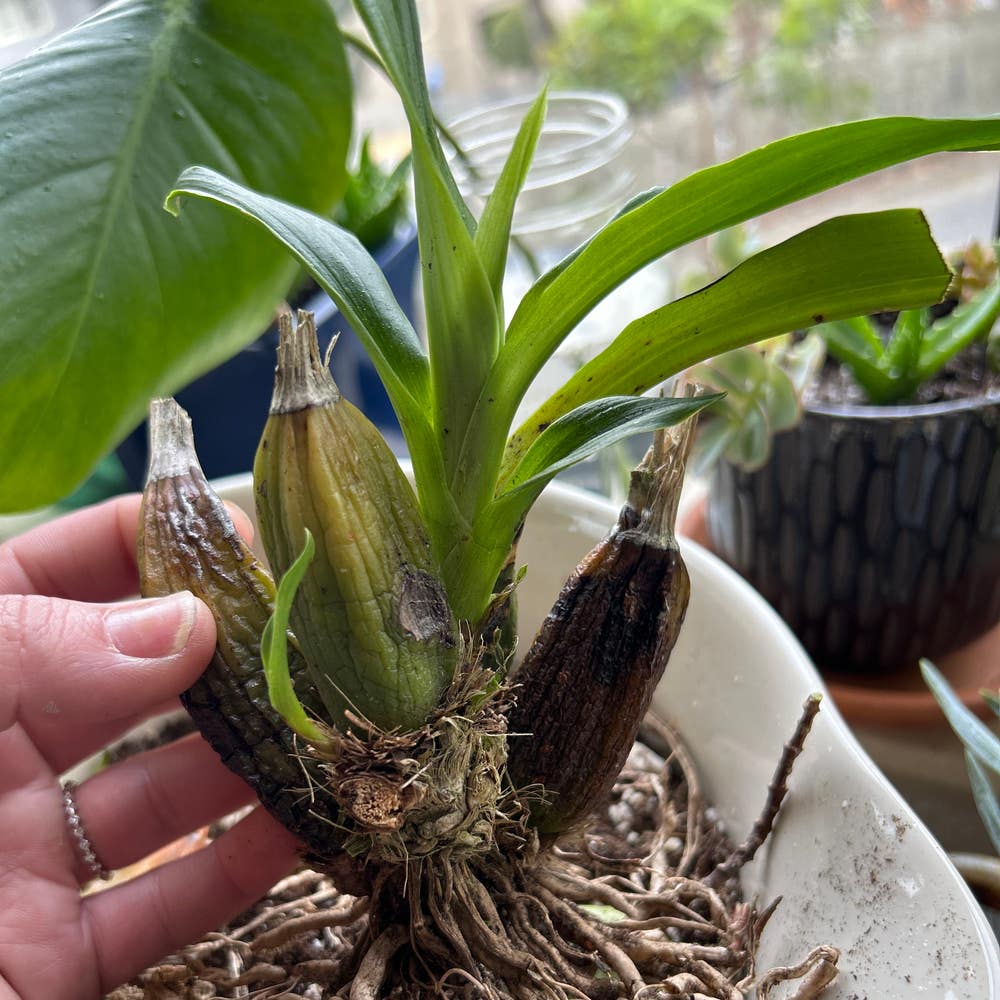
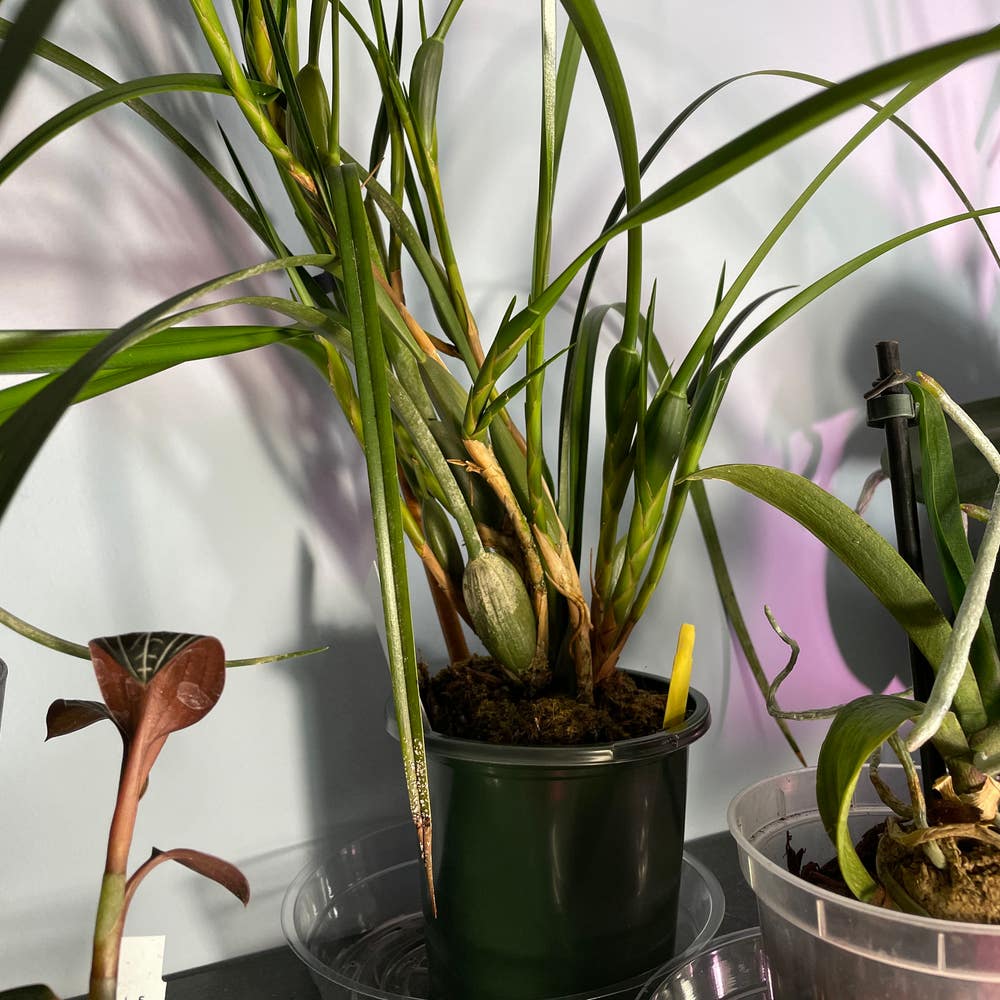
🌸 Ultimate Guide to Eulophia streptopetala var. rueppelii
Eulophia streptopetala var. rueppelii
By the Greg Editorial Team
Feb 27, 2025•10 min read
This article was created with the help of AI so we can cover more plants for you. May contain errors. See one? Report it here.
Unlock the beauty of Eulophia streptopetala var. rueppelii with easy care tips for a thriving garden! 🌿
- 🌞 Eulophia thrives in full sun to partial shade for optimal growth.
- 🌱 Use well-drained soil with pH 6.0 to 7.0 for planting success.
- 💧 Water carefully to prevent root rot; let soil dry slightly between waterings.
How to Grow
🌞 Choosing a Location
Eulophia streptopetala var. rueppelii thrives in full sun to partial shade. When deciding between outdoor and container growing, consider the plant's light needs and your available space.
🏗️ Soil Preparation
For optimal growth, use well-drained sandy or loamy soil. Aim for a slightly acidic to neutral pH, ideally between 6.0 and 7.0, and enhance drainage by adding organic matter.
🌱 Planting Techniques
When planting, dig a hole 2-3 inches deep. For outdoor planting, space the plants 12-18 inches apart to allow for healthy growth.
💧 Watering Requirements
Water your Eulophia regularly, allowing the soil to dry slightly between waterings. Watch for signs of overwatering, like yellowing leaves, or underwatering, indicated by wilting.
🌿 Fertilizing Schedule
Use a balanced orchid fertilizer (20-20-20) to nourish your plant. Fertilize every 4-6 weeks during the growing season for best results.
✂️ Pruning Methods
Prune your plant after flowering to promote new growth. Focus on removing dead or damaged leaves and spent flowers to keep it healthy.
🔍 Ongoing Care Tips
Keep an eye on moisture levels and adjust your watering routine as needed. For container plants, ensure proper drainage and consider repotting every 2-3 years to refresh the soil and space.
With these guidelines, you'll set your Eulophia streptopetala var. rueppelii up for success, ensuring it flourishes beautifully in your garden or home. Next, let's explore the exciting world of propagation techniques!
Propagation
🌱 Seed Propagation Steps
To propagate Eulophia streptopetala var. rueppelii from seeds, start by collecting mature seed pods after flowering.
Next, sow the seeds in a sterile, well-draining medium and maintain humidity and warmth for germination, ideally around 70°F (21°C).
✂️ Division Propagation Steps
For division propagation, carefully dig up the plant during its dormant period.
Separate the rhizomes, ensuring that each division has roots, and then replant them in prepared soil to encourage healthy growth.
🌿 Cutting Propagation Steps
Taking stem cuttings is another effective propagation method.
Select healthy cuttings that are 4-6 inches long during the growing season, apply rooting hormone, and plant them in a moist, well-draining medium.
Cover the cuttings with a plastic bag to maintain humidity until roots develop, ensuring a successful start for your new plants.
This propagation knowledge will help you expand your Eulophia collection, enhancing your garden's beauty and biodiversity. Next, let’s explore the lifecycle of this fascinating plant.
Lifecycle
Lifecycle Overview 🌱
Eulophia streptopetala var. rueppelii is a resilient perennial plant that thrives in various conditions. Under optimal circumstances, germination takes about 2-4 weeks, setting the stage for its growth journey.
Growth Duration ⏳
Once germinated, this plant typically requires 6-12 months to reach maturity. During this time, it develops its unique characteristics and prepares for its stunning display of flowers.
Flowering Period 🌸
Flowering usually occurs in late spring to early summer, showcasing the plant's vibrant blooms. This seasonal highlight not only adds beauty to your garden but also attracts pollinators.
Lifespan and Maturity 🎉
In ideal conditions, Eulophia streptopetala var. rueppelii can live for 5-10 years. It reaches full maturity in approximately 2 years, making it a rewarding addition to any garden.
Summary 📚
Understanding the lifecycle of this plant helps you provide the best care possible. With the right conditions, you can enjoy its beauty and benefits for years to come.
As we move on, let’s explore how to effectively propagate this stunning plant to share its beauty with others.
Size
Mature Height and Spread 🌱
Eulophia streptopetala var. rueppelii typically reaches a mature height of 12 to 24 inches. Its spread ranges from 12 to 18 inches, making it a compact yet striking addition to any garden.
Growth Rate Specifics ⏳
This plant exhibits a moderate growth rate, usually achieving its full size within about two years. With the right care, you can enjoy its beauty relatively quickly.
Size Variability Based on Conditions 🌍
The size of Eulophia streptopetala can vary significantly based on environmental factors. Soil quality, sunlight exposure, and watering practices all play crucial roles in determining how robust your plant will become.
Understanding these factors can help you optimize your growing conditions for the best results. As you nurture your plant, keep an eye on these elements to ensure it thrives.
With proper attention, you’ll be rewarded with a flourishing specimen that enhances your garden's aesthetics.
Roots
🌱 Root System Characteristics
Eulophia streptopetala var. rueppelii features a fascinating rhizomatous root system. These roots typically extend 6-12 inches deep and spread horizontally, allowing the plant to access nutrients and moisture effectively.
During the growing season, the roots are actively developing, but they may enter a dormant phase in winter. This adaptability helps the plant survive varying environmental conditions.
⚠️ Common Root-Related Issues
One of the most common issues faced by Eulophia streptopetala is root rot, often caused by overwatering. Signs of this problem include mushy roots and stunted growth, which can be alarming for any gardener.
Healthy roots should be firm, white, and crisp, while unhealthy roots appear dark, mushy, or even foul-smelling. It's crucial to monitor root health regularly to ensure your plant thrives.
Another concern is the plant becoming rootbound, which occurs when roots grow out of drainage holes. If you notice this, consider repotting or dividing the plant to give it more space to grow.
Understanding these root characteristics and potential issues will help you maintain a healthy Eulophia streptopetala var. rueppelii. With proper care, your plant can flourish and bring beauty to your garden.
Benefits
Top 5 Benefits 🌟
Eulophia streptopetala var. rueppelii offers a range of advantages that make it a standout choice for any garden.
Ornamental Appeal
Its unique flowers bring a splash of color and intrigue, enhancing the overall aesthetics of your garden.Pollinator Attraction
The blooms are a magnet for specific pollinators, which helps support local biodiversity and promotes a healthy ecosystem.Drought Resistance
With low water requirements, this plant is perfect for arid gardens, making it a sustainable choice for water-conscious gardeners.Versatility
Eulophia thrives in various light conditions, allowing it to adapt to different settings, whether in full sun or partial shade.Cultural Significance
This plant holds value in traditional practices and local folklore, adding a layer of cultural richness to your gardening experience.
Incorporating Eulophia streptopetala var. rueppelii into your garden not only beautifies the space but also contributes to environmental health and cultural appreciation. As you explore its benefits, you'll find that this plant is more than just a pretty face; it's a resilient and meaningful addition to your landscape.
Companion Plants
🌱 Companion Planting Concept
Companion planting is all about creating a harmonious garden ecosystem. By pairing plants that support each other, you can enhance diversity and improve pest management.
🌼 Best Companion Plants
When it comes to Eulophia streptopetala var. rueppelii, consider planting it alongside other drought-tolerant species. Succulents and certain herbs, like rosemary and thyme, make excellent companions.
These plants share similar care needs, which simplifies maintenance. Plus, their pest-repellent properties can help keep unwanted insects at bay.
🚫 Plants to Avoid
While companion planting can be beneficial, it's essential to avoid heavy feeders. These plants compete for nutrients, potentially stunting the growth of your Eulophia.
By selecting the right companions, you can create a thriving garden that showcases the beauty of Eulophia streptopetala var. rueppelii while promoting overall plant health.
Next, let’s explore common problems that may arise when growing this unique plant.
Problems
Common Problems 🌱
1. Incorrect Watering
Watering is crucial for the health of Eulophia streptopetala var. rueppelii. Underwatering leads to wilting, while overwatering causes yellowing leaves.
To fix this, adjust your watering frequency based on the moisture level of the soil. Always check the top inch of soil; if it feels dry, it’s time to water.
2. Incorrect Light Conditions
Light conditions can make or break your plant's growth. If your Eulophia appears leggy, it’s likely not getting enough light, while scorched leaves indicate too much direct sun.
To remedy this, relocate your plant to a spot with the right light exposure. Aim for a balance between full sun and partial shade.
3. Incorrect Temperature
Temperature extremes can stunt growth significantly. If your plant is struggling, check if it’s exposed to extreme heat or cold.
Providing shade during hot spells or protection during cold snaps can help maintain optimal growth conditions. Keeping your plant comfortable is key.
4. Diseases
Diseases like powdery mildew and root rot can threaten your plant's health. Signs of powdery mildew include white, powdery spots on leaves, while root rot manifests as mushy roots.
To combat these issues, improve air circulation around the plant and avoid overwatering. Healthy practices can prevent these diseases from taking hold.
5. Leaf Issues
Leaf problems can signal underlying issues. Yellowing leaves may indicate nutrient deficiencies or pests, while fuzzy growth could be a sign of mildew.
Inspect your plant regularly for pests and adjust your care practices accordingly. Staying vigilant can help you catch problems early and keep your plant thriving.
Conclusion 🌼
By addressing these common problems, you can ensure your Eulophia streptopetala var. rueppelii remains healthy and vibrant. Next, let’s explore potential pest issues that could also affect your plant’s well-being.
Bugs
🐜 Potential Pest Issues
Eulophia streptopetala var. rueppelii is generally pest-resistant, but it can still fall prey to a few unwelcome visitors. Keeping an eye out for these pests is essential to maintaining the health of your plant.
🔍 Identification of Pests
Common pests that may target your Eulophia include spider mites, aphids, and mealybugs. Each of these pests can cause significant damage if not addressed promptly.
⚠️ Damage Caused by Pests
Symptoms of pest infestations often include wilting, leaf discoloration, and stunted growth. If you notice these signs, it’s time to investigate further.
🧴 Treatment Options
To combat these pests, consider using neem oil or insecticidal soap, both of which are effective and eco-friendly solutions. Additionally, introducing beneficial insects can help keep pest populations in check naturally.
By staying vigilant and employing these treatment options, you can ensure your Eulophia remains healthy and vibrant. Now, let’s explore what animals might be interested in snacking on your plant.
What Eats Eulophia
🦌 Common Animal Threats
Eulophia streptopetala var. rueppelii faces threats from various animals, primarily deer, rabbits, and rodents. These creatures are often drawn to the plant's tender foliage and can cause significant damage if left unchecked.
🕵️♂️ Signs of Animal Presence
To identify if animals are feasting on your Eulophia, look for signs like chewed leaves and droppings scattered nearby. These indicators can help you determine which critters are visiting your garden.
⚠️ Types of Damage
The damage caused by these animals can range from leaf stripping to complete uprooting of the plant. Such destruction not only affects the plant's health but can also disrupt the overall aesthetic of your garden.
🚫 Deterrent Methods
To protect your Eulophia, consider using various deterrent methods.
Chemical Solutions
Commercial repellents can effectively keep animals at bay, creating an unwelcoming environment for them.
Organic Solutions
Alternatively, you can plant deterrent herbs or use physical barriers like fencing. These methods are eco-friendly and can blend seamlessly into your garden's design.
By being proactive and observant, you can safeguard your Eulophia from potential threats while enjoying its beauty in your garden. Now, let’s explore how to tackle common problems that may arise with this resilient plant.
⚠️ Safety First
This content is for general information and may contain errors, omissions, or outdated details. It is not medical, veterinary advice, or an endorsement of therapeutic claims.
Always consult a qualified healthcare professional before using any plant as food, medicine, or supplement.
Never eat any plant (or feed one to pets) without confirming its identity with at least two trusted sources.
If you suspect poisoning, call Poison Control (800) 222-1222, the Pet Poison Helpline (800) 213-6680, or your local emergency service immediately.
Spotted an error? Please report it here.
Cultivate a thriving Eulophia 🌼 with Greg's tailored care reminders and expert tips, ensuring your plant flourishes beautifully in your garden!