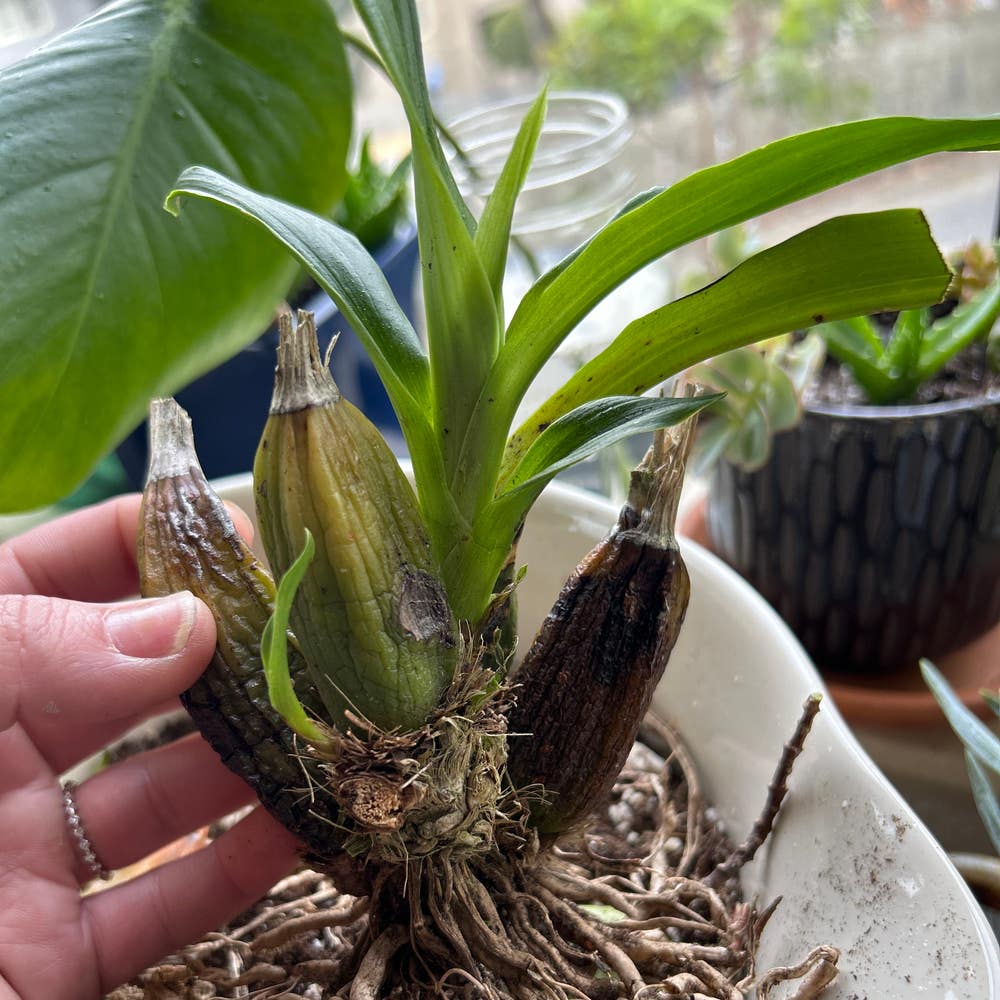
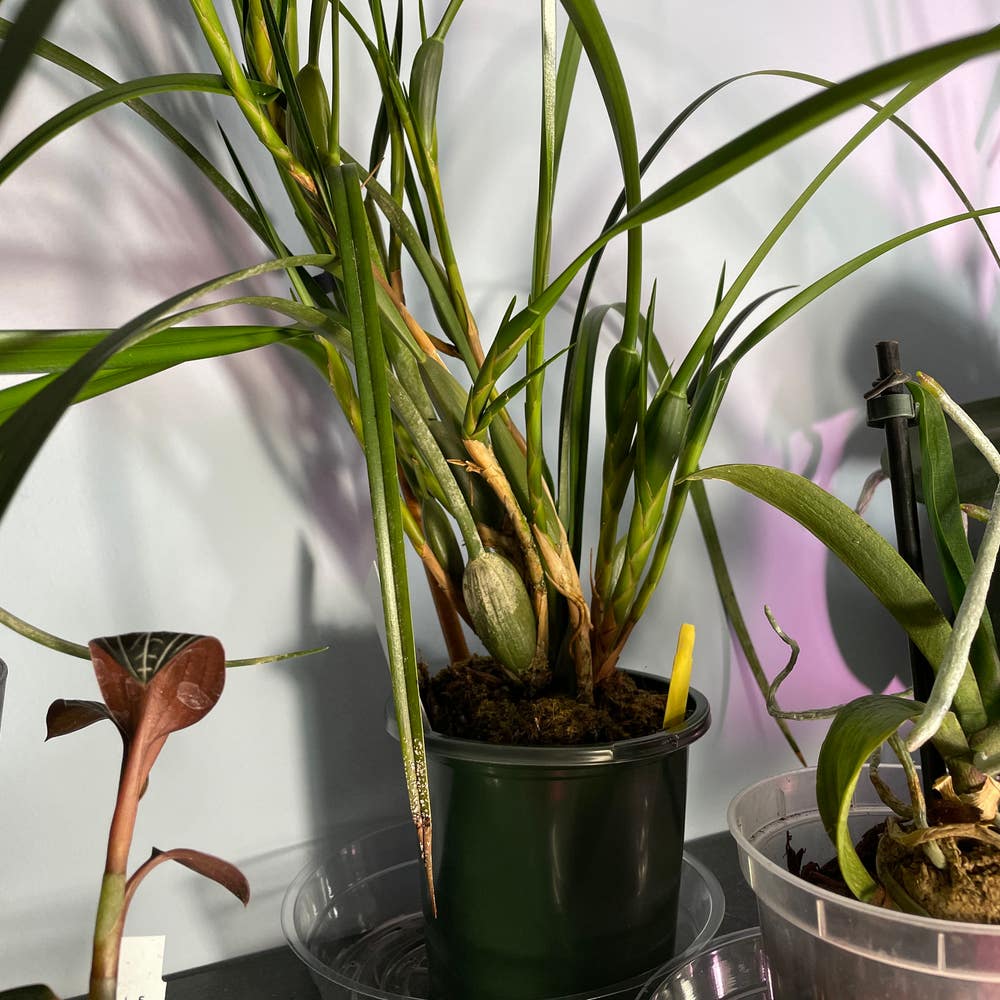
Eulophia spatulifera Explained: Key Information 🌸
Eulophia spatulifera
By the Greg Editorial Team
Feb 27, 2025•8 min read
This article was created with the help of AI so we can cover more plants for you. May contain errors. See one? Report it here.
Elevate your garden effortlessly with Eulophia spatulifera, a low-maintenance beauty that purifies air and attracts pollinators! 🌱
- 🌞 Eulophia spatulifera thrives in full sun to partial shade with warm temperatures.
- 💧 Maintain 50-70% humidity and well-draining soil for optimal growth.
- 🌼 Low maintenance and safe for pets, making it ideal for busy gardeners.
How to Grow
Choosing a Location 🌞
Eulophia spatulifera thrives in full sun to partial shade, making it versatile for various garden settings. Aim for warm temperatures between 20°C to 30°C (68°F to 86°F) and maintain moderate to high humidity levels of 50-70% for optimal growth.
Soil Preparation 🏞️
For soil preparation, select a well-draining mix rich in organic matter. The ideal soil pH ranges from slightly acidic to neutral, specifically between 6.0 and 7.0, to support healthy root development.
Planting Techniques 🌱
When planting, ensure the depth is about 2-3 inches to provide stability. Space the plants 12-18 inches apart to allow for adequate airflow, which is crucial for preventing diseases.
Watering Requirements 💧
Water your Eulophia spatulifera when the top inch of soil feels dry to the touch. Always water at the base of the plant to keep the foliage dry and reduce the risk of fungal issues.
Fertilizing Schedule 🌼
Use a balanced orchid fertilizer, such as a 20-20-20 mix, to nourish your plant. Fertilize every 4-6 weeks during the growing season to promote robust growth and flowering.
Pruning and Ongoing Care ✂️
Prune your Eulophia spatulifera after flowering to encourage new growth. Focus on removing dead or yellowing leaves and spent flower spikes to keep the plant healthy and vibrant.
This section sets the stage for understanding the care and maintenance of Eulophia spatulifera. Next, we’ll explore how to propagate this beautiful plant effectively.
Propagation
🌱 Methods of Propagation
Eulophia spatulifera can be propagated through two primary methods: seeds and division. Each method has its own unique steps and timing, making it essential to choose the right approach for your gardening needs.
📝 Step-by-Step Instructions for Each Method
🌾 Seeds
- Collect seeds from mature pods when they are dry and ready to release.
- Sow in a well-draining medium, ensuring the seeds are lightly covered.
- Maintain humidity and warmth to encourage germination, ideally in a warm spot or under a humidity dome.
✂️ Division
- Carefully dig up the plant during its dormant phase, taking care not to damage the roots.
- Separate into sections with roots, ensuring each division has healthy roots attached.
- Replant immediately in suitable soil to minimize shock and promote recovery.
⏰ Timing and Conditions for Successful Propagation
For optimal results, timing is crucial. The best time to sow seeds is in early spring, when conditions are warming up. For division, aim for late winter to early spring, just before the growing season kicks in. This timing ensures that your Eulophia spatulifera has the best chance to thrive in its new environment.
With these propagation techniques, you can expand your collection of Eulophia spatulifera or share them with fellow gardening enthusiasts. Next, let’s explore the numerous benefits this unique plant brings to your garden and home.
Benefits
Top 5 Benefits 🌟
Eulophia spatulifera is not just a pretty face in the garden; it offers a range of benefits that make it a worthwhile addition to any plant collection.
1. Aesthetic Appeal
With its unique spatula-shaped leaves and stunning flowers, this orchid is a visual delight. It can elevate the look of any space, whether indoors or in your garden.
2. Air Purification
This plant contributes to improved indoor air quality. By filtering out toxins, it helps create a healthier living environment.
3. Biodiversity
Eulophia spatulifera supports local ecosystems by attracting pollinators. Its presence can enhance biodiversity, making your garden a haven for various species.
4. Cultural Significance
In some cultures, this plant holds traditional importance. It’s fascinating how a single species can weave into the fabric of cultural practices.
5. Low Maintenance
Once established, Eulophia spatulifera requires minimal care. This makes it an ideal choice for busy plant lovers or those new to gardening.
Incorporating Eulophia spatulifera into your home or garden not only beautifies your space but also contributes positively to the environment. Next, let’s explore how to propagate this remarkable plant for even more benefits.
Companion Plants
🌱 Explanation of Companion Planting
Companion planting is a gardening strategy that enhances biodiversity, improves pest management, and promotes overall plant health. By pairing compatible plants, you can create a thriving ecosystem in your garden.
🌼 List of Compatible Companion Plants
When considering companions for Eulophia spatulifera, think about ferns, other orchids, and shade-tolerant perennials. These plants share similar care needs and can help repel pests, making them ideal partners.
🚫 Plants to Avoid
It's essential to steer clear of heavy feeders or aggressive growers that compete for nutrients. These plants can overshadow your Eulophia and hinder its growth, so choose companions wisely to ensure a harmonious garden environment.
By selecting the right companions, you can create a vibrant garden that not only looks beautiful but also supports the health of your Eulophia spatulifera. Next, let’s explore the plant's toxicity to humans, dogs, and cats to ensure a safe gardening experience.
Toxicity to Humans
Safety Overview 🛡️
Eulophia spatulifera is not listed as toxic by major poison control centers, making it a safe choice for your home. You can handle and even ingest it in small amounts without worry.
General Safety ⚠️
While this plant is generally safe, it's always wise to exercise caution with any plant. If you experience unusual symptoms after contact or ingestion, seek medical advice promptly.
Final Thoughts 🌿
Incorporating Eulophia spatulifera into your space can enhance your environment without the fear of toxicity. Enjoy the beauty and benefits of this unique plant while keeping safety in mind!
As we explore further, let's delve into the toxicity of Eulophia spatulifera for our furry friends.
Toxicity to Dogs
Safety Overview 🐶
Eulophia spatulifera is not listed as toxic by major pet poison control centers. This means it’s generally considered safe for dogs, posing minimal risk to their health.
Caution ⚠️
Even though this plant is deemed safe, it's wise to monitor your pets around any greenery. If you notice unusual symptoms, don't hesitate to consult a veterinarian for peace of mind.
Conclusion 🌼
Overall, Eulophia spatulifera can be a lovely addition to your home without worrying about your furry friends. Just keep an eye on them, and you can enjoy the beauty of this plant worry-free.
Next, let’s explore how this plant interacts with our feline companions.
Toxicity to Cats
Safety Overview 🐱
Eulophia spatulifera is not listed as toxic by major pet poison control centers. This means it's generally considered safe for cats, posing minimal risk.
General Safety 🐾
While the plant is safe, it's always wise to monitor your pets around any greenery. If you notice unusual symptoms in your cat, consult a veterinarian for peace of mind.
Cautionary Notes ⚠️
Even though Eulophia spatulifera is deemed safe, every cat is unique. Keeping an eye on their behavior around plants can help ensure their well-being.
This knowledge allows you to enjoy your plant without worry, creating a harmonious environment for both you and your feline friend.
Problems
Common Problems 🌱
Eulophia spatulifera can face several challenges that affect its growth.
Incorrect Watering: Overwatering leads to yellowing leaves, while underwatering causes wilting.
Incorrect Light Conditions: Too much sun can scorch leaves, whereas insufficient light results in leggy growth.
Diseases: Fungal issues like powdery mildew and root rot can occur if conditions are not ideal.
Leaf Issues: Look out for scorching, yellowing, or fuzzy growth on the leaves, which can indicate stress.
Solutions for Resolving Problems 💡
To keep your Eulophia spatulifera thriving, adjust your watering practices based on the moisture level of the soil.
Modify Light Exposure: Ensure the plant receives the right amount of light to prevent damage.
Treat Diseases: Use appropriate fungicides or cultural practices to combat any fungal issues.
By staying vigilant and responsive to these common problems, you can enjoy a healthy and vibrant plant.
Bugs
Potential Pest Issues 🐛
Eulophia spatulifera is generally known for its moderate pest resistance. However, it can still fall victim to a few common pests that may disrupt its growth.
Identification and Damage 🔍
Spider Mites: Look for fine webbing on the leaves and stippled discoloration. These tiny pests can quickly weaken your plant if not addressed.
Mealybugs: These appear as cotton-like masses on leaves and stems. They suck sap from the plant, leading to stunted growth and potential leaf drop.
Treatment Options 💊
To combat these pests, consider using neem oil or insecticidal soap. These treatments are effective against soft-bodied pests and are relatively safe for your plant.
Regular inspection is key. Catching infestations early can save your Eulophia from significant damage. Stay proactive, and your plant will thrive!
What Eats
Common Animals 🦌
Eulophia spatulifera can attract a variety of hungry critters.
- Deer: Look for chewed leaves and broken stems as telltale signs of their grazing.
- Rabbits: They often nibble on the lower leaves, leaving behind a distinct pattern of damage.
- Squirrels and Rodents: These little diggers may disturb the base of the plant or even munch on the roots.
Signs of Damage 🚨
Identifying damage early can save your plant from further harm.
- Tracks or Droppings: Keep an eye out for visible tracks or droppings near your Eulophia.
- Leaf and Stem Damage: Look for signs of feeding, such as ragged edges or missing sections on leaves and stems.
Deterrent Methods 🚫
Protecting your plant from these hungry visitors is essential for its health.
- Chemical Deterrents: Consider using commercial repellents or homemade solutions to keep pests at bay.
- Organic Control Methods: Fencing can be effective, or you might plant deterrent species nearby to create a natural barrier.
By being proactive and observant, you can help ensure your Eulophia spatulifera thrives despite the challenges posed by local wildlife. Next, let’s explore the common problems that can affect your plant and how to tackle them effectively.
⚠️ Safety First
This content is for general information and may contain errors, omissions, or outdated details. It is not medical, veterinary advice, or an endorsement of therapeutic claims.
Always consult a qualified healthcare professional before using any plant as food, medicine, or supplement.
Never eat any plant (or feed one to pets) without confirming its identity with at least two trusted sources.
If you suspect poisoning, call Poison Control (800) 222-1222, the Pet Poison Helpline (800) 213-6680, or your local emergency service immediately.
Spotted an error? Please report it here.
Elevate your garden with Eulophia spatulifera 🌿 and let Greg guide you with tailored care reminders to keep your plant thriving and your space vibrant!