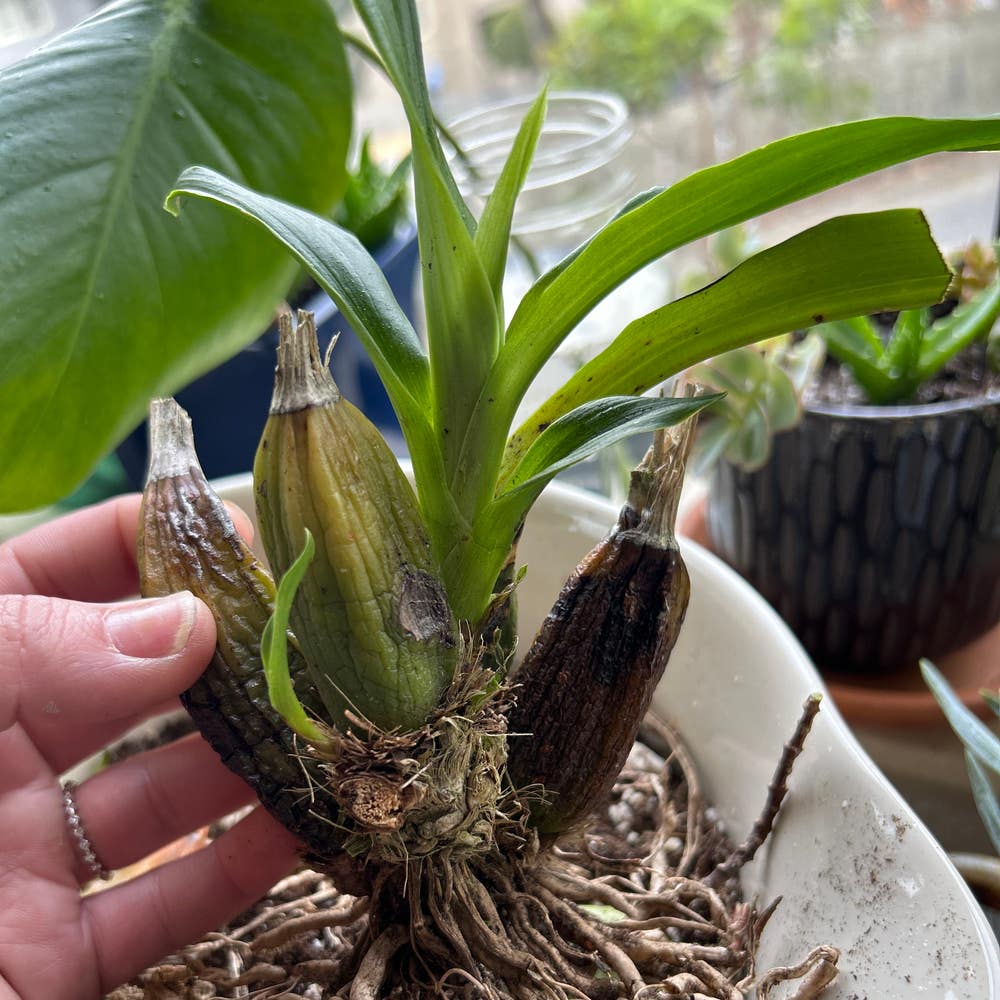
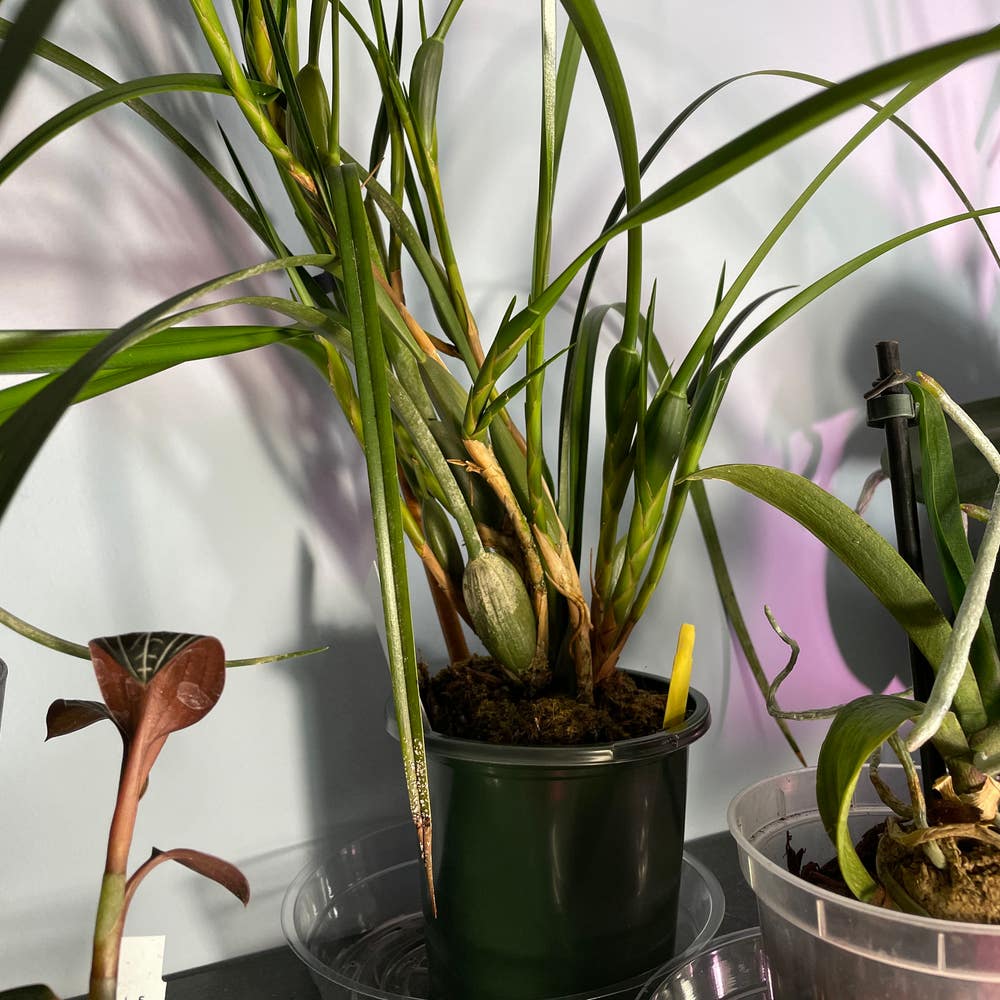
Introduction to Eulophia seleensis
Eulophia seleensis
By the Greg Editorial Team
Feb 27, 2025•10 min read
This article was created with the help of AI so we can cover more plants for you. May contain errors. See one? Report it here.
Elevate your garden with Eulophia seleensis, a stunning orchid that thrives in shade and attracts pollinators! 🌱🌼
- 🌱 Eulophia seleensis thrives in warm, humid, partial shade for optimal growth.
- 🌿 Well-draining, organic-rich soil is essential for healthy Eulophia seleensis development.
- 🐝 Supports ecosystems and attracts pollinators, enhancing garden biodiversity and beauty.
How to Grow
Choosing a Location 🌳
Eulophia seleensis thrives in partial shade, making it essential to avoid direct sunlight. This orchid prefers warm tropical conditions, ideally between 20°C to 30°C (68°F to 86°F), and requires moderate to high humidity for optimal growth.
Soil Preparation 🏞️
For soil preparation, choose a well-draining mix rich in organic matter. Aim for a slightly acidic to neutral pH, ideally between 6.0 and 7.0, and ensure good drainage to prevent root rot.
Planting Techniques 🌱
When planting, position the pseudobulbs just below the soil surface. It's crucial to allow 12-18 inches of space between plants to promote airflow and healthy growth.
Watering Requirements 💧
Water Eulophia seleensis regularly to keep the soil consistently moist but avoid waterlogging. Using a watering can or drip irrigation helps prevent wetting the foliage, which can lead to fungal issues.
Fertilizing Schedule 🌼
Utilize a balanced, water-soluble fertilizer, such as NPK 20-20-20, to nourish your plants. Fertilize every 4-6 weeks during the growing season to support robust growth.
Pruning Practices ✂️
Prune your Eulophia seleensis after flowering to encourage new growth. Focus on removing spent flower spikes and any dead or yellowing leaves to maintain plant health.
Ongoing Care 🔍
Regularly monitor your plants for signs of stress or nutrient deficiencies. Adjust your watering and fertilizing practices based on seasonal changes to ensure optimal growth throughout the year.
This section sets the foundation for successfully growing Eulophia seleensis. Next, we’ll explore how to propagate this beautiful orchid, ensuring you can expand your collection or share it with friends!
Propagation
🌱 Seed Propagation
To propagate Eulophia seleensis from seeds, start by sowing them in a sterile medium. Maintaining high humidity is crucial, as germination typically occurs within 2-4 weeks.
✂️ Division of Rhizomes
Dividing rhizomes is best done in spring or early summer. Carefully separate the rhizomes and replant them in well-prepared soil to ensure successful growth.
🪴 Offsets and Bulb Division
Offsets can be separated from the main plant with gentle care. Once detached, replant the bulbs in a new location that offers similar soil conditions for optimal growth.
This propagation process not only helps expand your collection but also ensures the health and vitality of your Eulophia seleensis. Next, let’s explore the lifecycle of this fascinating plant.
Lifecycle
Lifecycle Stages 🌱
Eulophia seleensis has a fascinating lifecycle that spans from seed germination to flowering in about 1-2 years. For seeds to sprout, they need warm temperatures and consistent moisture.
Seedling Stage Characteristics 🌿
During the seedling stage, the plant develops true leaves and establishes a robust root system. This foundational growth is crucial for its future health and vitality.
Vegetative Growth Phase 🌳
Following the seedling stage, Eulophia seleensis enters its vegetative growth phase. This period focuses on the growth of pseudobulbs and foliage, typically lasting several months.
Flowering Period and Seed Production 🌸
The flowering period occurs in late spring to early summer, showcasing beautiful blooms. After flowering, the plant produces seeds, continuing its lifecycle.
Lifespan and Growth Rate ⏳
With proper care, Eulophia seleensis can live for several years. It has a moderate growth rate, reaching full maturity in 1-2 years under ideal conditions.
This lifecycle not only highlights the plant's resilience but also its ability to thrive in various environments. Understanding these stages can help you provide the best care for your Eulophia seleensis, ensuring it flourishes beautifully.
Next, let’s explore the size of this remarkable plant and what influences its growth.
Size
Mature Height and Spread 🌱
Eulophia seleensis typically matures to a height of 18-24 inches and spreads about 12-18 inches wide. This size makes it a striking addition to any garden, providing a lush, tropical feel.
Growth Rate and Influencing Factors ⏳
The growth rate of Eulophia seleensis is moderate, influenced by several key factors. Light, water, and nutrient availability play crucial roles in determining how quickly your plant will thrive.
Size Variability 📏
It's important to note that size can vary significantly based on environmental conditions. Soil quality, watering practices, and light exposure all contribute to how robust your Eulophia seleensis will grow.
Understanding these aspects of size can help you create the ideal conditions for your plant. By optimizing its environment, you can enjoy a flourishing display of this beautiful orchid.
As we move forward, let's explore the fascinating root system of Eulophia seleensis and how it contributes to its overall health and growth.
Roots
Root System Characteristics 🌱
Eulophia seleensis features a rhizomatous root system, which allows it to spread and form clumps. This characteristic not only supports its growth but also enhances its resilience in various garden settings.
Root Depth and Spread 📏
The roots can extend several inches deep, with a spread of up to 12 inches. This depth and breadth help anchor the plant while providing access to nutrients and moisture.
Growth Patterns and Health Indicators 🩺
Healthy roots are typically firm and white, indicating good health. In contrast, brown or mushy roots are signs of distress, often linked to overwatering or poor soil conditions.
Common Root-Related Issues ⚠️
Root rot is a common issue caused by overwatering, making proper drainage essential. Additionally, a rootbound condition can occur when roots become tightly packed; repotting into a larger container can remedy this situation.
Visual Cues for Root Health 👀
To assess root health, look for white and firm roots as indicators of vitality. Unhealthy roots will appear brown, mushy, or may even emit a foul smell, signaling the need for immediate attention.
Understanding the root system of Eulophia seleensis is crucial for its overall health and growth. By monitoring root conditions and addressing any issues promptly, you can ensure your plant thrives beautifully.
Next, we will explore the numerous benefits of cultivating Eulophia seleensis in your garden.
Benefits
Top 5 Benefits 🌟
Eulophia seleensis is not just a beautiful addition to your garden; it offers a range of benefits that can enhance your gardening experience.
1. Aesthetic Appeal
The unique flowers of Eulophia seleensis add a striking visual element to any garden. Their vibrant colors and unusual shapes can transform a mundane space into a stunning floral display.
2. Pollinator Attraction
This plant plays a vital role in supporting local ecosystems. By attracting bees and butterflies, it helps maintain biodiversity and encourages pollination in your garden.
3. Cultural Significance
In various cultures, Eulophia seleensis is valued for its medicinal properties. This cultural connection adds depth to its presence in your garden, making it more than just an ornamental plant.
4. Environmental Benefits
Eulophia seleensis contributes to garden diversity, promoting a healthier ecosystem. Its presence can improve soil quality and provide habitat for beneficial insects.
5. Ornamental Value
With its striking appearance, Eulophia seleensis is ideal for ornamental gardening. It stands out in flower beds and can be a conversation starter among gardening enthusiasts.
Incorporating Eulophia seleensis into your garden not only enhances its beauty but also supports the environment and local wildlife. As we explore the next section on companion plants, consider how these benefits can be amplified by choosing the right plant partners.
Companion Plants
🌱 Companion Planting Benefits
Companion planting is a fantastic way to enhance your garden's growth and health. It promotes better pest management and increases overall garden diversity.
🌿 Best Companion Plants
When choosing companions for Eulophia seleensis, consider ferns, hostas, and other shade-loving plants. These companions thrive in similar light and moisture conditions, creating a harmonious garden environment.
🚫 Plants to Avoid
Be cautious of aggressive weeds or plants that require full sun. These can compete for resources and hinder the growth of your Eulophia seleensis.
Incorporating the right companions not only boosts your plant's health but also adds to the visual appeal of your garden. With thoughtful planning, you can create a thriving ecosystem that benefits all your plants.
Problems
Common Problems 🌱
Growing Eulophia seleensis can be rewarding, but it’s essential to be aware of potential issues that may arise. Here are some common problems to watch for.
Incorrect Watering 🚰
Watering is crucial for the health of your plant.
- Overwatered: If you notice yellowing leaves or root rot, you may be giving your plant too much water.
- Underwatered: Conversely, wilting and dry pseudobulbs indicate that your plant needs more moisture.
Light and Temperature Issues ☀️
Light and temperature play significant roles in the well-being of Eulophia seleensis.
- Incorrect light: Too much sun can cause leaf scorch, while insufficient light leads to leggy growth.
- Temperature stress: If temperatures drop too low, you might see leaves dropping off.
Diseases 🦠
Fungal diseases can pose a threat to your plant's health.
- Fungal issues: Conditions like powdery mildew and black rot can develop if air circulation is poor.
- Prevention: Ensure good airflow around your plant to minimize these risks.
Root Problems 🌿
Healthy roots are vital for a thriving Eulophia seleensis.
- Root rot: This condition, often caused by overwatering, can be avoided by ensuring proper drainage.
- Squishy roots: If you find mushy roots, it’s a sign of decay, and you should remove the affected areas promptly.
Leaf and Growth Issues 🍃
Your plant's leaves can provide insight into its overall health.
- Scorching: Excessive sunlight can lead to leaf scorching, so providing some shade is essential.
- Yellowing: If leaves turn yellow, it may indicate a nutrient deficiency or overwatering, both of which need addressing.
By staying vigilant and addressing these common problems, you can ensure that your Eulophia seleensis thrives in your garden. Next, let’s explore potential pest issues that could affect your plant’s health.
Bugs
Potential Pest Issues 🐜
Eulophia seleensis is generally a tough plant, boasting moderate pest resistance. However, it can still fall prey to a few common pests that may disrupt its growth.
Common Pests 🐞
- Spider mites: Look for fine webbing and stippled leaves as telltale signs of these tiny invaders.
- Scale insects: These pests leave behind sticky residue and can cause yellowing leaves.
- Mealybugs: Identified by their cotton-like masses on stems and leaves, mealybugs can be quite a nuisance.
Damage and Treatment 🛠️
Pest damage can manifest as leaf drop, stunted growth, and an overall decline in plant health.
To combat these issues, consider using:
- Insecticidal soap: Effective for a range of pests.
- Neem oil: A natural remedy that disrupts pest life cycles.
- Beneficial insects: Introducing ladybugs can help keep pest populations in check.
By staying vigilant and employing these treatments, you can keep your Eulophia seleensis thriving and beautiful. Next, let’s explore what animals might be eyeing your plant as a snack.
What Eats Eulophia seleensis
🦌 Common Animal Threats
Eulophia seleensis can attract a variety of hungry animals.
- Deer: Look for signs like chewed leaves and broken stems, which indicate their presence.
- Rabbits: These little nibblers often leave evidence of their appetite on the lower leaves.
- Squirrels: They may dig around the base of the plant, causing disruption.
🚨 Signs of Damage
Identifying damage early can save your plant from further harm.
- Chewed foliage: This is a clear sign that animals are feasting on your Eulophia.
- Uprooted plants: If your plant seems to have been disturbed, check for signs of digging.
- Trampled areas: Footprints or flattened grass around the plant can indicate animal activity.
🛡️ Deterrent Methods
Protecting your Eulophia seleensis from these threats is essential for its health.
- Chemical methods: Consider using commercial repellents designed to deter animals.
- Organic methods: Planting deterrent herbs can naturally keep pests away.
- Physical barriers: Fencing or netting can provide a solid defense against larger animals.
By staying vigilant and employing these strategies, you can help ensure your Eulophia seleensis thrives in your garden. Next, let’s explore common problems that may arise during its growth.
⚠️ Safety First
This content is for general information and may contain errors, omissions, or outdated details. It is not medical, veterinary advice, or an endorsement of therapeutic claims.
Always consult a qualified healthcare professional before using any plant as food, medicine, or supplement.
Never eat any plant (or feed one to pets) without confirming its identity with at least two trusted sources.
If you suspect poisoning, call Poison Control (800) 222-1222, the Pet Poison Helpline (800) 213-6680, or your local emergency service immediately.
Spotted an error? Please report it here.
Nurture your Eulophia seleensis to stunning heights 🌺 with Greg's tailored watering alerts and expert care tips that keep your orchid thriving in its ideal environment!