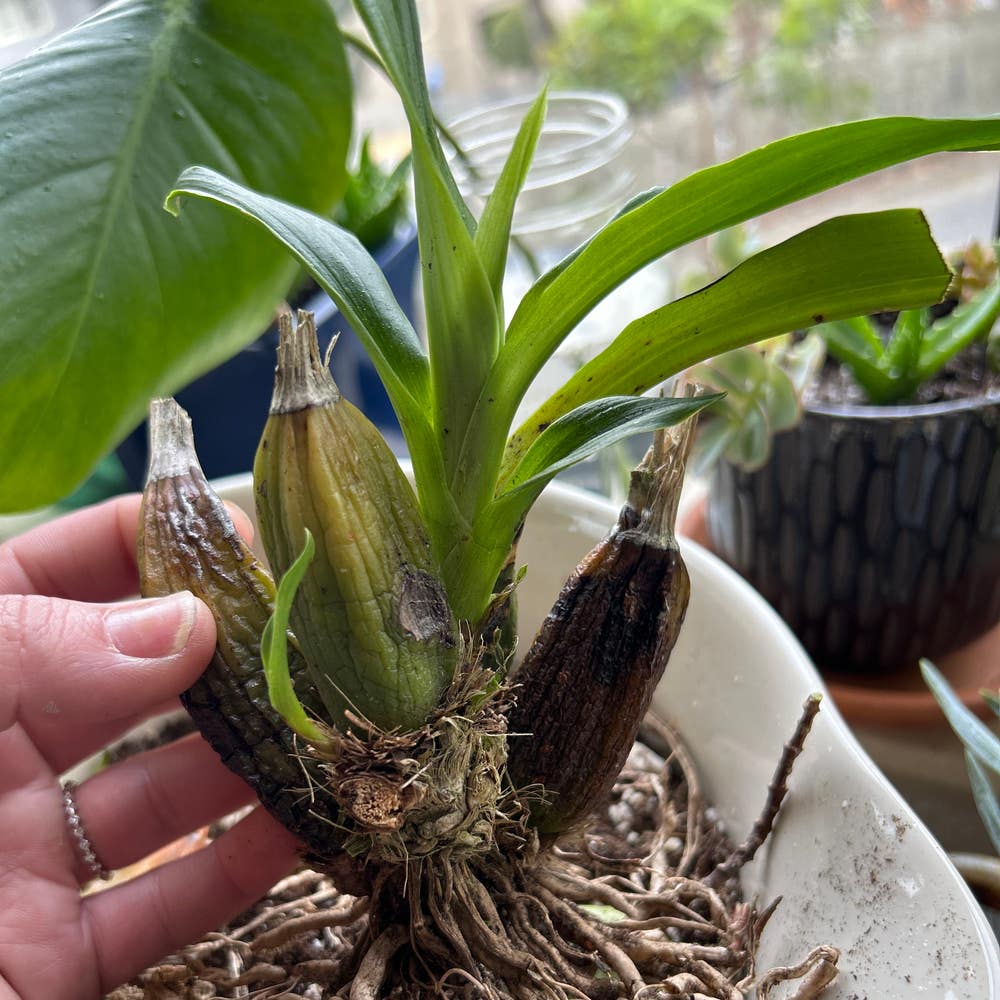
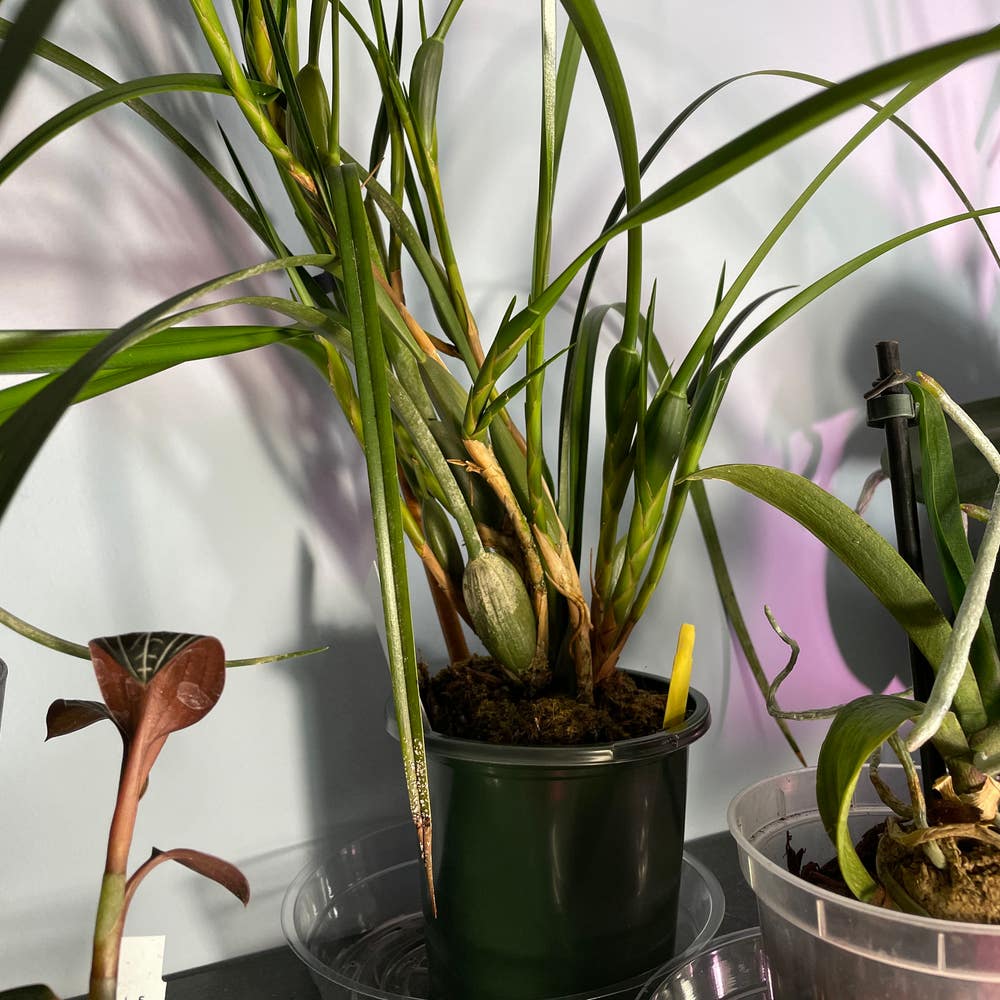
Introduction to Eulophia sclerophylla
Eulophia sclerophylla
By the Greg Editorial Team
Feb 27, 2025•11 min read
This article was created with the help of AI so we can cover more plants for you. May contain errors. See one? Report it here.
- 🌞 Eulophia sclerophylla thrives in bright, indirect light and 20-30°C temperatures.
- 💧 Water every 1-2 weeks, ensuring the top inch of soil dries out.
- 🌱 Use well-draining soil with pH 6.0-7.0 for optimal growth.
How to Grow
Choosing a Location 🌞
To thrive, Eulophia sclerophylla needs bright, indirect light. Direct sunlight can scorch its leaves, so find a spot that offers filtered light.
Temperature is another key factor. Aim for a cozy range of 20°C to 30°C (68°F to 86°F) to keep your plant happy and healthy.
Humidity plays a vital role in growth as well. Moderate humidity levels between 50-70% are ideal for this orchid.
Soil Preparation 🌱
When it comes to soil, Eulophia sclerophylla prefers a well-draining mix rich in organic matter. A combination of potting soil and perlite works wonders for drainage.
The soil pH should be slightly acidic to neutral, ideally between 6.0 and 7.0. This balance helps the plant absorb nutrients effectively.
Don't forget about drainage! Ensure your pots or garden beds have adequate holes to prevent waterlogging, which can lead to root rot.
Planting Techniques 🌼
For planting, bulbs should be placed 5-10 cm deep, with the top just below the soil surface. This depth helps protect the bulbs while allowing them to sprout.
Spacing is crucial too. Keep plants 30-45 cm apart to promote airflow and give each plant room to grow.
Watering Guidelines 💧
Watering is straightforward. Check the top inch of soil; if it feels dry, it’s time to water, typically every 1-2 weeks.
When you do water, do it thoroughly until it drains from the bottom. Avoid letting the plant sit in water to prevent root issues.
Fertilizing Recommendations 🌿
For fertilizing, use a balanced, water-soluble fertilizer like NPK 10-10-10. This will provide the essential nutrients your plant needs.
Fertilize every 4-6 weeks during the growing season, which runs from spring to late summer, to support robust growth.
Pruning Practices ✂️
Pruning is an important part of care. Do it after flowering to encourage new growth and keep the plant healthy.
Remove any dead or yellowing leaves and spent flower stalks to maintain the plant's vitality.
Ongoing Care 🔍
Keep an eye on your plant's growth. Regularly check for signs of stress or disease to catch any issues early.
As the seasons change, adjust your watering and fertilizing routines accordingly. This adaptability will help your Eulophia sclerophylla flourish year-round.
With these tips, you’re well on your way to nurturing a thriving Eulophia sclerophylla. Next, let’s explore how to propagate this beautiful plant!
Propagation
🌱 Seed Propagation
To propagate Eulophia sclerophylla from seeds, start by sowing them in a sterile medium. Keep the seeds moist and warm, ideally between 20-25°C, to encourage germination.
Germination typically takes about 2-4 weeks under these optimal conditions. Patience is key, as the seeds need time to sprout and establish themselves.
🔄 Division of Bulbs
Dividing bulbs is another effective propagation method. The best time to do this is in early spring, just before new growth begins.
When dividing, carefully separate the bulbs, ensuring that each division has roots and a growing point. This technique helps maintain the health of the plant while promoting new growth.
✂️ Offsets and Cuttings
Offsets can also be taken from the main bulb during the division process. These small bulbs can be removed gently without damaging the parent plant.
Once removed, replant the offsets in well-draining soil. Keep them moist until they establish roots, ensuring they have the best chance for successful growth.
This propagation process not only expands your collection but also strengthens the existing plants, making Eulophia sclerophylla a rewarding addition to your garden. Next, let’s explore the lifecycle of this fascinating plant.
Lifecycle
Lifecycle Stages 🌱
Eulophia sclerophylla is a resilient perennial plant that goes through distinct lifecycle stages. These include seed germination, the seedling stage, vegetative growth, flowering, and seed production.
Germination Process and Timeline ⏳
Under optimal conditions, seeds germinate within 2-4 weeks. This quick turnaround sets the stage for the plant's growth journey.
Seedling Stage Characteristics 🌿
During the seedling stage, Eulophia sclerophylla develops fleshy leaves and establishes a robust root system. This foundation is crucial for the plant's future growth.
Vegetative Growth Phase 🌳
The vegetative growth phase focuses on expanding leaf and root development. This phase typically lasts several months, allowing the plant to gather strength.
Flowering Period and Seed Production 🌸
Flowering occurs in late summer, showcasing the plant's beautiful blooms. Following this, seed production takes place, continuing the lifecycle.
Lifespan and Growth Rate ⏲️
Eulophia sclerophylla can thrive for several years, reaching full maturity in about 2-3 years. Its growth rate is moderate, influenced by environmental conditions.
This lifecycle not only highlights the plant's resilience but also its adaptability to various growing conditions. Understanding these stages can help you nurture Eulophia sclerophylla effectively, ensuring a vibrant addition to your garden.
Next, we will explore the size of this remarkable plant and how it can fit into your gardening plans.
Size
Mature Height and Spread 🌱
Eulophia sclerophylla typically reaches a mature height of 30-60 cm (12-24 inches). Under optimal conditions, it can spread up to 30 cm (12 inches), making it a lovely addition to your garden.
Growth Rate and Time to Full Size ⏳
This plant has a moderate growth rate, taking approximately 2-3 years to reach its full size. Patience is key, as the wait will be worth it when you see it flourish.
Size Variability Based on Conditions 🌈
The size of Eulophia sclerophylla can vary significantly based on factors like light, water, and soil quality. Providing optimal conditions will yield larger, healthier plants that truly stand out in your garden.
As you consider the size and growth of Eulophia sclerophylla, remember that its health is closely tied to the care it receives. Next, let’s explore the fascinating root system that supports this resilient plant.
Roots
Description of the Root System 🌱
Eulophia sclerophylla features a bulbous root system that effectively stores nutrients and water. This adaptation is crucial for the plant's survival, especially in varying environmental conditions.
Root Depth and Spread 📏
Typically, the roots extend between 15-30 cm deep and spread laterally to provide stability and support. This depth allows the plant to access moisture and nutrients from the soil effectively.
Common Root-Related Issues ⚠️
Root rot is a common issue caused by overwatering, which can lead to severe damage. To prevent this, ensure proper drainage in pots or garden beds.
Another issue is becoming rootbound, which occurs when the roots fill the pot. You can identify this problem by observing roots growing out of drainage holes.
Visual Cues for Healthy vs. Unhealthy Roots 👀
Healthy roots are firm, white, and plump, indicating a thriving plant. In contrast, unhealthy roots appear dark, mushy, or foul-smelling, signaling potential problems.
Solutions for Root Problems 🛠️
If you suspect root rot, the first step is to reduce watering and improve drainage. This adjustment can help revive the plant.
For rootbound plants, repotting into a larger container with fresh soil is essential. This gives the roots room to grow and flourish.
Understanding the root system of Eulophia sclerophylla is vital for successful cultivation. With proper care, you can ensure your plant thrives and remains healthy.
Benefits
Top 5 Benefits 🌟
Aesthetic Appeal: The striking flowers of Eulophia sclerophylla can significantly enhance the beauty of any garden. Their vibrant colors and unique shapes draw the eye and create a stunning focal point.
Ecological Role: This plant plays a vital role in attracting pollinators like bees and butterflies. By incorporating Eulophia sclerophylla into your garden, you're contributing to a healthier ecosystem.
Medicinal Uses: Traditionally, Eulophia sclerophylla has been used in various herbal remedies. Its historical significance in medicine adds an intriguing layer to its cultivation.
Low Maintenance: Once established, this plant requires minimal care. Its resilience makes it an excellent choice for both novice and experienced gardeners.
Unique Garden Feature: Eulophia sclerophylla adds diversity and interest to plant collections. Its distinct characteristics set it apart from more common garden plants.
Cultural Significance 🌍
Eulophia sclerophylla is often celebrated for its resilience and beauty in various cultures. This cultural connection makes it a meaningful addition to gardens, symbolizing strength and grace. By growing this plant, you not only beautify your space but also embrace a piece of cultural heritage.
Incorporating Eulophia sclerophylla into your garden can elevate your gardening experience, making it both visually appealing and culturally enriching. As we move forward, let’s explore how to propagate this remarkable plant effectively.
Companion Plants
🌱 Companion Planting Benefits
Companion planting is a fantastic strategy that enhances plant growth, improves pest management, and boosts overall garden diversity. By pairing compatible plants, you create a thriving ecosystem that benefits everyone involved.
🌿 Compatible Companion Plants
When it comes to Eulophia sclerophylla, consider planting it alongside ferns, other orchids, and shade-tolerant perennials. These companions share similar care needs, making them ideal partners in your garden.
🤝 Symbiotic Relationships
Companion plants can work wonders for soil health and pest deterrence. They create a balanced ecosystem, allowing each plant to flourish while minimizing the risk of infestations.
🚫 Plants to Avoid
While some plants make great companions, others can be detrimental. Avoid aggressive species, particularly certain grasses, as they compete for nutrients and space, potentially stunting the growth of Eulophia sclerophylla.
By carefully selecting companion plants, you can cultivate a vibrant garden that not only looks good but also thrives harmoniously. Next, let’s explore the common problems you might encounter while growing this beautiful orchid.
Problems
Common Problems 🌱
Eulophia sclerophylla can face several common issues that affect its health and growth.
- Incorrect watering: Overwatered plants may show yellowing leaves, while underwatered ones can wilt dramatically.
- Incorrect light conditions: Insufficient light leads to leggy growth, whereas too much light can cause leaf scorch.
- Incorrect temperature: Extreme temperatures can stunt growth or lead to leaf drop.
- Diseases: Fungal issues like powdery mildew and root rot can occur; inspect leaves and roots regularly to identify these problems.
- Leaf issues: Scorching often indicates too much light, while yellowing leaves may suggest nutrient deficiencies.
Identification and Causes 🔍
Recognizing symptoms early is crucial to preventing further damage.
Adjust your care practices based on what you observe; this proactive approach can save your plant from serious issues.
Solutions for Problems 🛠️
If you encounter overwatering, allow the soil to dry out and improve drainage.
For light issues, simply adjust the plant's location to optimize its exposure.
When dealing with diseases, use appropriate fungicides and ensure good air circulation around the plant.
By staying vigilant and responsive, you can keep your Eulophia sclerophylla thriving.
Next, let’s explore the pests that might disrupt your plant's growth.
Bugs
🛡️ Pest Resistance
Eulophia sclerophylla is moderately resistant to pests, but it can still fall victim to certain species. Keeping an eye on your plant will help you catch any issues early.
🐜 Common Pests
Spider Mites: Look for webbing and stippled leaves. Treat these pests with insecticidal soap to eliminate them effectively.
Scale Insects: These pests leave behind sticky residue and small bumps on stems. You can remove them manually or apply horticultural oil for control.
Mealybugs: Recognizable by their cotton-like masses, mealybugs can be treated with alcohol-soaked cotton swabs to wipe them away.
Aphids: These small, green insects cause leaf curling. Control them using neem oil or insecticidal soap for effective results.
🔍 Identification and Damage
Regular monitoring of your plants is crucial for spotting signs of infestation and damage. Early detection can save your Eulophia sclerophylla from serious harm.
💊 Treatment Options
You can use both organic and chemical treatments as needed. Just remember to follow application instructions carefully to ensure the safety and health of your plants.
With proper care and vigilance, you can keep your Eulophia sclerophylla thriving and pest-free. Next, let’s explore what garden animals might be munching on your beautiful plants.
What Eats Eulophia sclerophylla
🦌 Common Garden Animals
Eulophia sclerophylla can attract various garden animals that may pose a threat to its health.
- Deer: Look for chewed leaves and broken stems. Fencing or repellents can help keep them at bay.
- Rabbits: These critters leave behind clipped stems and missing foliage. Barriers or repellents are effective deterrents.
- Squirrels: They may uproot plants, causing significant damage. Noise or motion-activated devices can discourage them.
- Birds: Birds might peck at the flowers, so using netting can protect your blooms.
- Rodents: Signs like burrowing and nibbling indicate their presence. Traps or natural deterrents can manage their activity.
👀 Signs of Animal Presence
Regular inspections of your plants can reveal signs of animal activity. Look for unusual damage or missing parts to catch any issues early.
🚫 Deterrent Methods
To protect your Eulophia sclerophylla, consider both chemical and organic deterrent methods. Always choose options that are safe for your garden environment to ensure the health of your plants and the ecosystem.
By staying vigilant and proactive, you can enjoy the beauty of your Eulophia sclerophylla without the worry of unwanted visitors.
⚠️ Safety First
This content is for general information and may contain errors, omissions, or outdated details. It is not medical, veterinary advice, or an endorsement of therapeutic claims.
Always consult a qualified healthcare professional before using any plant as food, medicine, or supplement.
Never eat any plant (or feed one to pets) without confirming its identity with at least two trusted sources.
If you suspect poisoning, call Poison Control (800) 222-1222, the Pet Poison Helpline (800) 213-6680, or your local emergency service immediately.
Spotted an error? Please report it here.
Eulophia sclerophylla is a showstopper 🌺 that thrives with the right care, and Greg can help you succeed by providing personalized watering reminders and tailored tips to keep your orchid blooming beautifully!