What You Should Know About Eulophia schweinfurthii 🌸
Eulophia schweinfurthii
By the Greg Editorial Team
Feb 27, 2025•9 min read
This article was created with the help of AI so we can cover more plants for you. May contain errors. See one? Report it here.
- 🌞 Eulophia schweinfurthii thrives in bright, indirect sunlight and tolerates partial shade.
- 🌱 Optimal growth temperature is 20-30°C with moderate to high humidity for best results.
- 💧 Water when the top inch of soil is dry to prevent root rot.
How to Grow
Choosing a Location 🌞
Eulophia schweinfurthii thrives in bright, indirect sunlight but can adapt to partial shade. Aim for temperatures between 20°C to 30°C (68°F to 86°F) and maintain moderate to high humidity levels for optimal growth.
Soil Preparation 🌱
For soil preparation, choose a well-draining mix rich in organic matter. The ideal pH should be slightly acidic to neutral, ranging from 6.0 to 7.0, and ensure good drainage to prevent root rot.
Planting Techniques 🌿
When planting, place tubers 2-3 inches deep in the soil. Space your plants 12-18 inches apart to give them room to grow and flourish.
Watering Requirements 💧
Water your Eulophia schweinfurthii when the top inch of soil feels dry. Use a watering can to gently moisten the soil, avoiding waterlogging to keep the roots healthy.
Fertilizing Schedule 🌼
Utilize a balanced, water-soluble fertilizer with an NPK ratio of 10-10-10. Fertilize every 4-6 weeks during the growing season to support robust growth.
Pruning Practices ✂️
Prune your plant after flowering to encourage new growth. This involves removing spent flower spikes and any dead or yellowing leaves to keep the plant healthy.
Ongoing Care 🔍
Regularly monitor your plant for signs of stress or disease. Adjust your watering and fertilization routines based on seasonal changes to ensure your Eulophia schweinfurthii remains vibrant and thriving.
With these guidelines, you’re well on your way to cultivating a healthy Eulophia schweinfurthii. Next, let’s explore how to propagate this beautiful plant for even more growth opportunities!
Propagation
🌱 Seed Propagation
To propagate Eulophia schweinfurthii from seeds, start by sowing them in a sterile medium. Keep the seeds moist and warm, as this creates the ideal environment for germination.
Germination typically takes about 2-4 weeks under optimal conditions. Patience is key, as watching those tiny sprouts emerge can be incredibly rewarding.
🌿 Division of Tubers
Dividing tubers is another effective propagation method. The best time to do this is in early spring, just before new growth begins.
When separating tubers, be sure to carefully ensure that each division has roots. This will help them establish more easily in their new location.
✂️ Offsets and Cuttings
Offsets can also be taken from the parent plant for propagation. Use a clean, sharp knife to cut these offsets, ensuring a clean separation.
Once you've taken the offsets, replant them immediately in well-draining soil. This quick action helps them adapt and thrive in their new environment.
With these propagation techniques, you can expand your Eulophia schweinfurthii collection and enjoy the beauty of this unique plant in multiple locations. Next, let’s explore the lifecycle of this fascinating orchid.
Lifecycle
Lifecycle Overview 🌱
Eulophia schweinfurthii is a resilient perennial that takes about 2-3 years to reach its full maturity. This plant's lifecycle is fascinating, as it showcases the beauty of nature's timing and growth patterns.
Germination 🌱
Seeds of Eulophia schweinfurthii typically germinate within 2-4 weeks when provided with optimal conditions. This quick turnaround is a testament to the plant's adaptability and vigor.
Lifespan 🌱
With proper care, Eulophia schweinfurthii can live for several years, bringing joy and beauty to your garden. Its longevity makes it a worthwhile addition for any plant enthusiast looking to cultivate a thriving landscape.
This lifecycle overview sets the stage for understanding how to care for and propagate this stunning orchid. Next, we’ll explore the various methods of propagation to help you expand your collection.
Size
Mature Dimensions 🌱
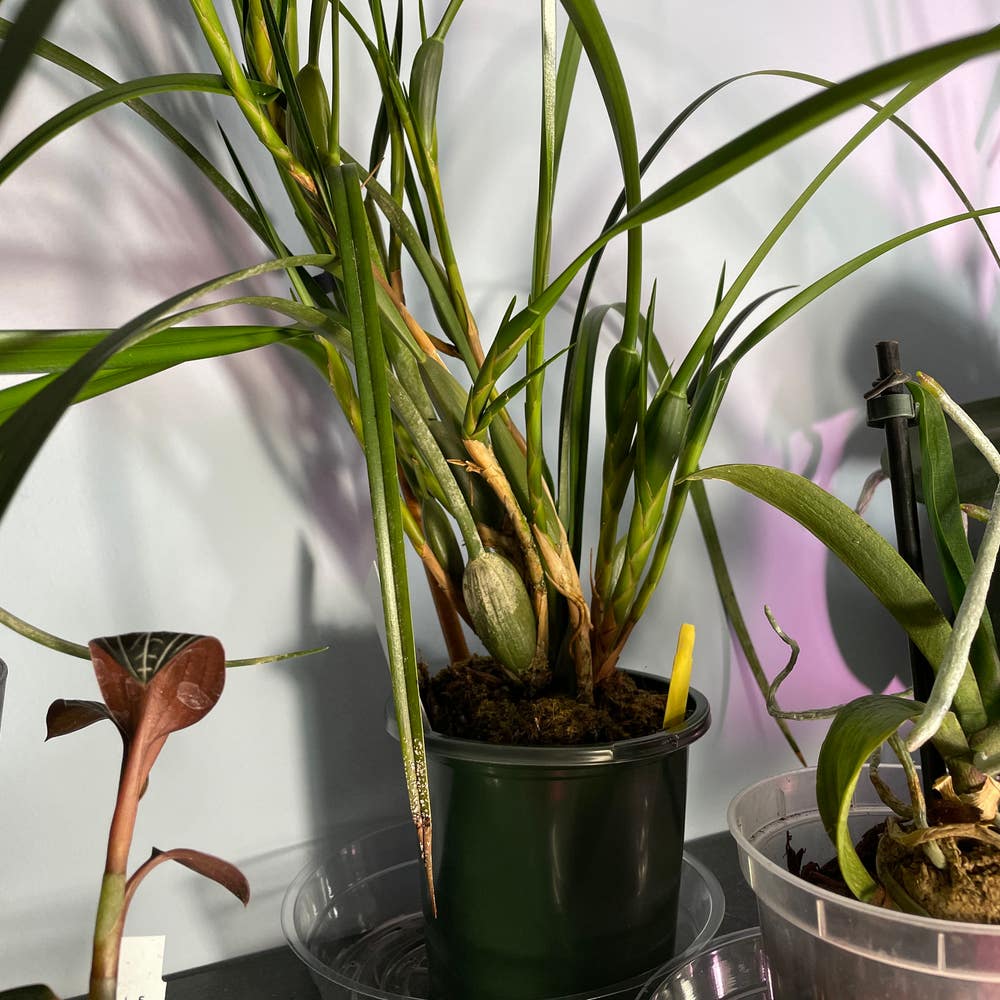
Eulophia schweinfurthii typically reaches a height of 30-60 cm (12-24 inches) and spreads 30-45 cm (12-18 inches). This size makes it a versatile choice for various garden settings.
Growth Rate 📈
The growth rate of this orchid is moderate, influenced by factors such as light, water, and nutrient availability. Providing optimal conditions can help it flourish beautifully.
Size Variability 📏
Size can vary based on soil quality, watering practices, and environmental conditions. A well-cared-for plant will generally achieve its full potential, showcasing its vibrant beauty.
Understanding the size and growth characteristics of Eulophia schweinfurthii is essential for successful cultivation. With the right care, this plant can thrive and enhance your garden's aesthetic appeal.
Next, let’s explore the fascinating root system of this orchid and how it contributes to its overall health.
Roots
🌱 Root System Characteristics
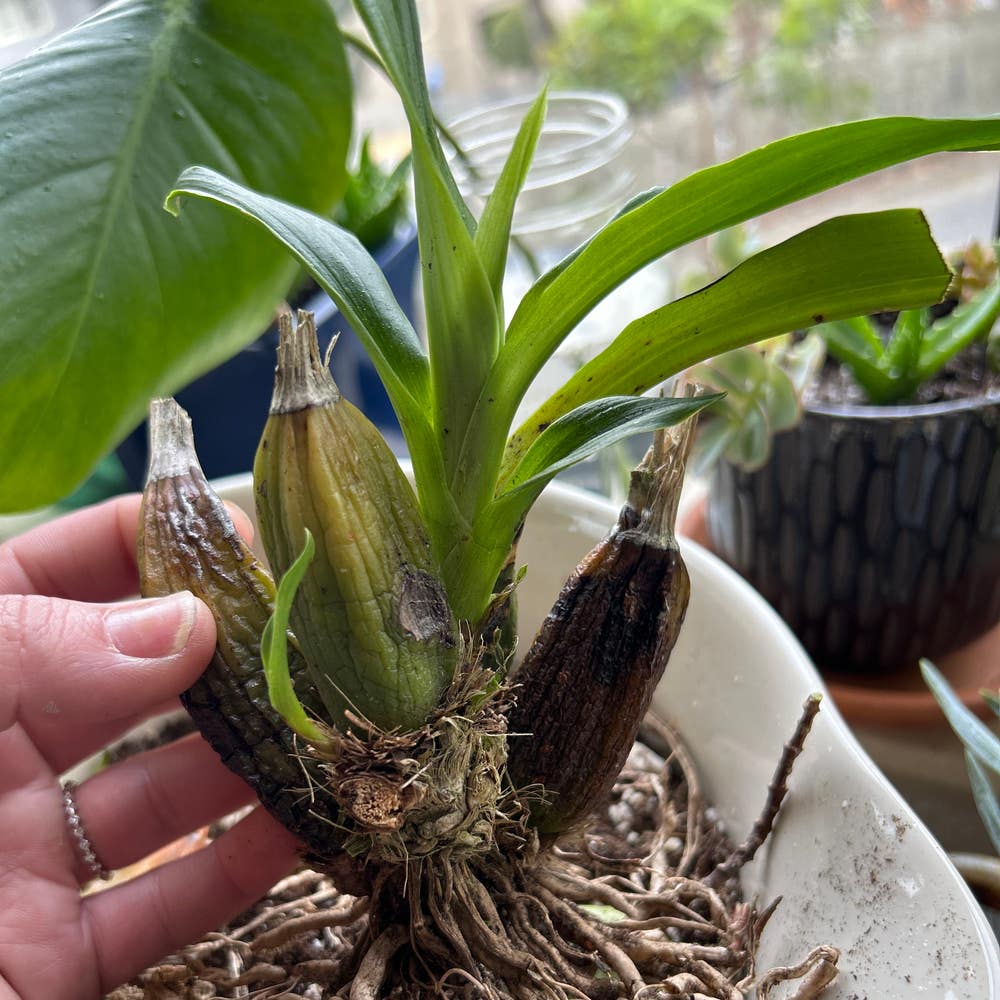
Eulophia schweinfurthii features a tuberous root system that excels in nutrient storage and drought resistance. This adaptability makes it a resilient choice for various gardening conditions.
📈 Growth Patterns
Typically, the roots grow between 6 to 12 inches deep, extending laterally up to 18 inches. This growth pattern allows the plant to access moisture and nutrients efficiently.
⚠️ Common Issues
Root rot is a common problem, primarily caused by overwatering. To prevent this, ensure proper drainage in your planting medium.
Another issue to watch for is becoming rootbound. This occurs when the roots become tightly packed, often indicated by roots emerging from the drainage holes. Repotting is necessary to give your Eulophia schweinfurthii room to thrive.
Understanding these root characteristics and potential issues will help you provide the best care for your plant. Next, let's explore the benefits of growing Eulophia schweinfurthii in your garden.
Benefits
Top 5 Benefits 🌟
Eulophia schweinfurthii offers numerous advantages that make it a fantastic addition to any garden.
Aesthetic Appeal
The striking flowers of Eulophia schweinfurthii enhance garden beauty, adding vibrant colors and unique shapes that catch the eye. Their visual impact can transform any landscape into a stunning floral display.
Cultural Significance
This plant holds cultural importance in various traditions, often used in traditional medicine and rituals. Its historical uses add depth to its presence in gardens, making it more than just a pretty flower.
Biodiversity
Eulophia schweinfurthii contributes to garden diversity and supports ecosystem health. By planting this orchid, you help create a balanced environment that benefits various species.
Pollinator Attraction
The flowers of Eulophia schweinfurthii attract bees and other beneficial insects, promoting pollination. This not only supports the plant's growth but also enhances the overall health of your garden.
Low Maintenance
Once established, Eulophia schweinfurthii requires minimal care, making it an ideal choice for busy gardeners. Its resilience allows you to enjoy its beauty without constant attention.
Incorporating Eulophia schweinfurthii into your garden not only beautifies your space but also enriches the environment. Next, let’s explore the best companion plants that can thrive alongside this stunning orchid.
Companion Plants
🌱 Companion Planting Benefits
Companion planting is a gardening technique that involves growing different plants together to enhance mutual benefits. This practice can lead to improved growth, pest management, and even better yields.
🌿 Compatible Plants
When it comes to Eulophia schweinfurthii, several plants make excellent companions. Consider pairing it with:
- Ferns: They thrive in similar conditions and add lush greenery.
- Shade-tolerant perennials: These plants can coexist without competing for light.
- Other orchids: They share similar care requirements and create a beautiful display.
🚫 Plants to Avoid
While some plants thrive alongside Eulophia schweinfurthii, others can hinder its growth. Avoid heavy feeders like:
- Tomatoes: They consume a lot of nutrients, competing with your orchids.
- Corn: This plant can overshadow Eulophia, limiting its access to sunlight.
By choosing the right companions, you can create a thriving garden that benefits all its inhabitants. This thoughtful approach not only enhances the beauty of your space but also supports the health of your plants.
As you plan your garden, consider these companion planting strategies to maximize the potential of your Eulophia schweinfurthii. Next, let’s explore common problems that may arise in your gardening journey.
Problems
Common Issues 🌱
1. Incorrect Watering
Watering is crucial for Eulophia schweinfurthii, and getting it wrong can lead to problems. Overwatering often results in yellowing leaves, while underwatering causes wilting.
To remedy this, adjust your watering frequency based on the soil's moisture level. Improving drainage can also help prevent root rot.
2. Incorrect Light Conditions
Light plays a significant role in the health of your plant. If the plant is in too much shade, you might notice leggy growth; too much direct sunlight can scorch the leaves.
To fix this, simply relocate your plant to a spot with the right light levels. Bright, indirect sunlight is ideal for optimal growth.
3. Incorrect Temperature
Temperature fluctuations can stress your Eulophia schweinfurthii. Symptoms of temperature issues include stunted growth or leaf drop.
Maintain a stable temperature range between 20°C to 30°C (68°F to 86°F) to keep your plant thriving. Consistency is key!
4. Diseases
Fungal diseases can be a concern, particularly powdery mildew. Look for signs like white, powdery spots on leaves.
To combat this, improve airflow around the plant and consider applying fungicides if necessary. Prevention is always better than cure!
5. Leaf Issues
Leaf problems can manifest in various ways, such as scorching or fuzzy growth. These issues often stem from improper fertilization or pest infestations.
Make sure to fertilize appropriately and regularly inspect your plant for pests. A little attention can go a long way in keeping your plant healthy.
Conclusion 🌟
By staying vigilant and addressing these common issues, you can ensure your Eulophia schweinfurthii remains vibrant and healthy. Next, let’s explore the fascinating world of pests that might challenge your plant’s well-being.
Bugs
🐛 Potential Pest Issues
Eulophia schweinfurthii is known for its moderate pest resistance, but it can still fall prey to a few unwelcome visitors. Keeping an eye out for these pests is essential to maintain the health of your plant.
🦠 Common Pests
Spider Mites: Look for fine webbing and stippled leaves, which indicate these tiny pests are at work. They thrive in dry conditions, so increasing humidity can help deter them.
Scale Insects: These pests leave behind a sticky residue and cause yellowing leaves. Regularly inspect your plant and wipe away any visible scales to keep them at bay.
Mealybugs: Identified by their cotton-like masses on stems and leaves, mealybugs can weaken your plant. A gentle spray of water can dislodge them, but persistent infestations may require insecticidal soap.
By staying vigilant and addressing these pest issues promptly, you can ensure your Eulophia schweinfurthii remains healthy and vibrant. Next, let’s explore what animals might be tempted to munch on your beautiful plant.
What Eats Eulophia schweinfurthii
Common Animals 🦌
Eulophia schweinfurthii can attract a variety of hungry critters.
- Deer: Look for signs like chewed leaves and broken stems, which indicate their presence.
- Rabbits: These little nibblers leave behind clipped stems and missing foliage.
- Squirrels: If you notice dug-up tubers and damaged roots, squirrels might be the culprits.
Deterrent Methods 🚫
Protecting your plants from these pests is essential for their health and growth.
- Chemical options: Consider using commercial repellents designed to deter these animals.
- Organic options: Homemade sprays, such as those made from garlic or hot pepper, can be effective. Additionally, physical barriers like fencing can provide a solid defense against larger animals.
By taking these steps, you can help ensure that your Eulophia schweinfurthii thrives without unwanted visitors.
⚠️ Safety First
This content is for general information and may contain errors, omissions, or outdated details. It is not medical, veterinary advice, or an endorsement of therapeutic claims.
Always consult a qualified healthcare professional before using any plant as food, medicine, or supplement.
Never eat any plant (or feed one to pets) without confirming its identity with at least two trusted sources.
If you suspect poisoning, call Poison Control (800) 222-1222, the Pet Poison Helpline (800) 213-6680, or your local emergency service immediately.
Spotted an error? Please report it here.
Transform your garden with Eulophia schweinfurthii 🌼 by using Greg's tailored care reminders to keep your plant thriving in optimal conditions!