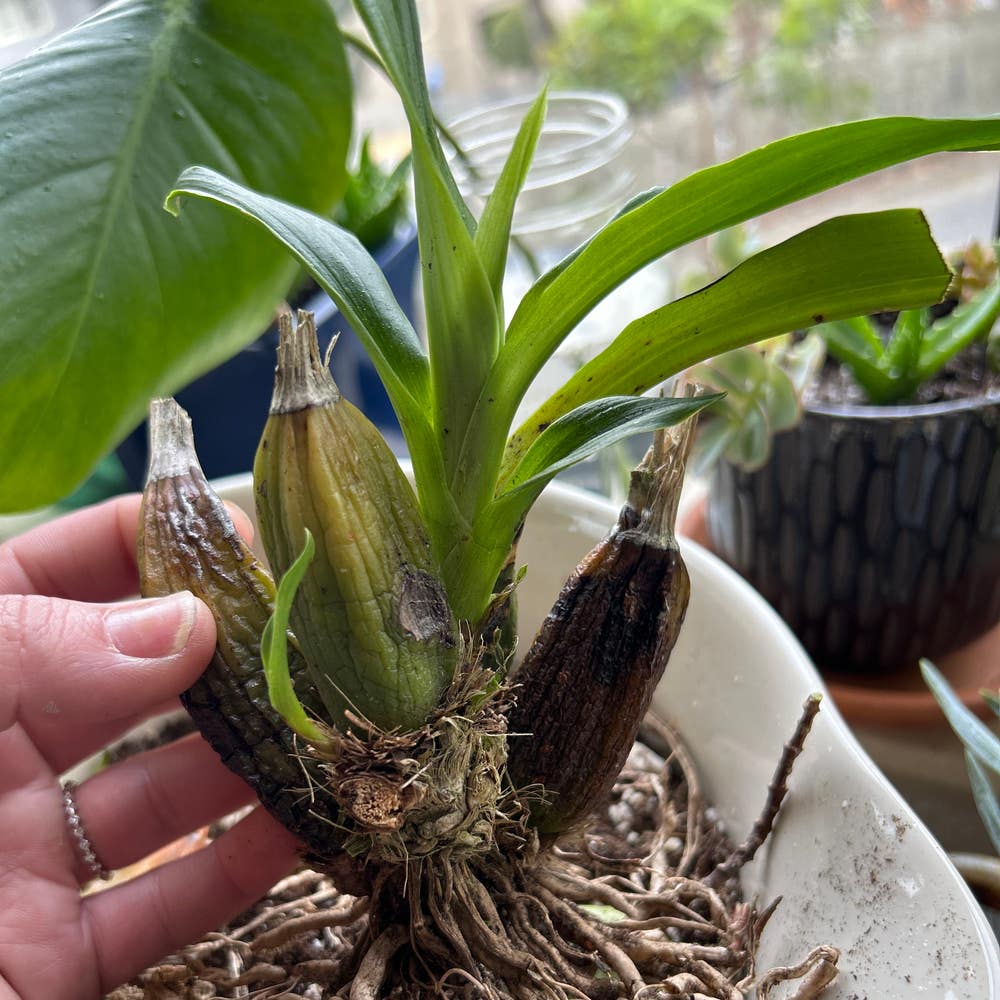
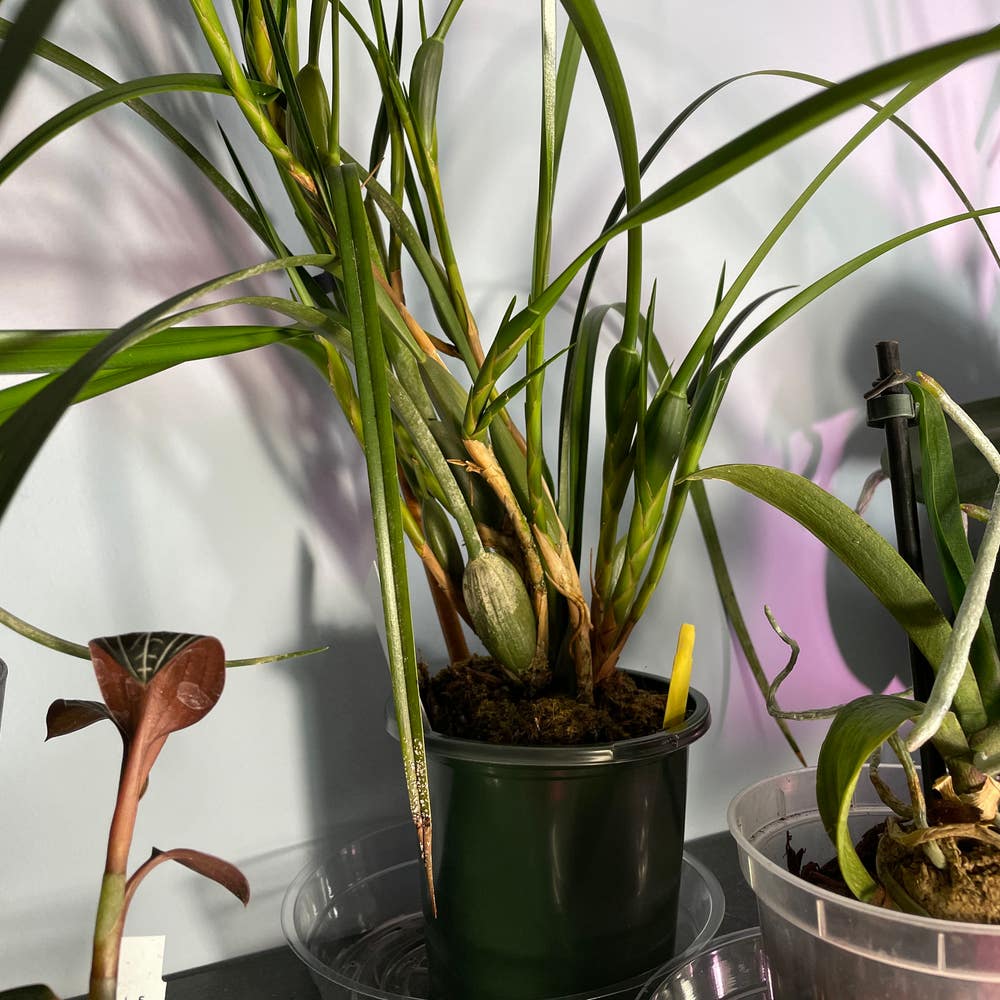
Overview of Eulophia saxicola
Eulophia saxicola
By the Greg Editorial Team
Feb 27, 2025•9 min read
This article was created with the help of AI so we can cover more plants for you. May contain errors. See one? Report it here.
- 🌞 Eulophia saxicola thrives in full sun to partial shade with ideal temperatures of 20-30°C.
- 🌱 Use well-draining soil and space plants 12-18 inches apart for optimal growth.
- 🐝 Low maintenance and pollinator-friendly, this perennial enhances any garden for years.
How to Grow
Choosing a Location 🌞
Eulophia saxicola thrives in full sun to partial shade, making it adaptable to various garden settings. It prefers temperatures between 20°C to 30°C (68°F to 86°F) and enjoys moderate to high humidity levels.
Soil Preparation 🏜️
For optimal growth, use a well-draining soil mix, such as sandy loam or an orchid mix. Aim for a slightly acidic to neutral pH, ideally between 6.0 and 7.0, and ensure good drainage to prevent root rot.
Planting Techniques 🌱
When planting, dig a hole that is 2-3 inches deep. Space each plant 12-18 inches apart to allow for healthy growth and airflow.
Watering Requirements 🚰
Water Eulophia saxicola when the top inch of soil feels dry. Always water at the base of the plant to keep the foliage dry and healthy.
Fertilizing Schedule 🍽️
Use a balanced orchid fertilizer (20-20-20) to nourish your plants. Fertilize every 4-6 weeks during the growing season for the best results.
Pruning and Ongoing Care ✂️
Regularly deadhead spent flowers to promote new blooms. Additionally, keep an eye out for pests and diseases to maintain plant health.
With these tips, you’ll be well on your way to successfully growing Eulophia saxicola. Next, let’s dive into propagation methods to expand your collection!
Propagation
🌱 Seed Propagation
To propagate Eulophia saxicola from seeds, start by soaking them for 24 hours before planting. This simple step helps kickstart the germination process.
For successful germination, provide warm temperatures and high humidity. These conditions mimic the plant's natural habitat, ensuring your seeds have the best chance to sprout.
✂️ Division of Rhizomes
Dividing rhizomes is another effective propagation method, best done in early spring. This timing allows the plant to recover quickly and thrive in the growing season.
When dividing, carefully separate the rhizomes and replant them immediately. This technique not only multiplies your plants but also promotes healthier growth by reducing overcrowding.
With these propagation methods, you can easily expand your Eulophia saxicola collection and enjoy its beauty in multiple locations. Next, let's explore the lifecycle of this fascinating plant.
Lifecycle
Germination and Growth Stages 🌱
Germination of Eulophia saxicola typically takes about 2-4 weeks under ideal conditions. This period is crucial, as it sets the stage for the plant's development.
Once germinated, the growth timeline extends to about 1-2 years before the plant reaches its flowering stage. Patience is key, but the wait is worth it when those stunning blooms finally appear.
Lifespan 🌿
Eulophia saxicola is a perennial plant, meaning it can live for several years if provided with optimal care. This longevity makes it a rewarding addition to any garden, offering beauty and interest season after season.
Understanding the lifecycle of this plant not only enhances your gardening skills but also deepens your appreciation for its natural beauty. With the right conditions, you can enjoy the vibrant presence of Eulophia saxicola for years to come.
As we move forward, let’s explore the size of this remarkable plant and what you can expect in terms of its dimensions and growth rate.
Size
Mature Dimensions 🌱
Eulophia saxicola can reach a mature height of 30 to 60 cm (12 to 24 inches). Its spread typically ranges from 30 to 45 cm (12 to 18 inches), making it a lovely addition to any garden or container.
Growth Rate and Size Variability 📏
This plant has a moderate growth rate, averaging about 30 cm (12 inches) per year under ideal conditions. However, its size can vary significantly based on the care it receives and the environment in which it grows.
Understanding these dimensions and growth patterns can help you plan your garden layout effectively. With the right conditions, Eulophia saxicola can thrive and become a stunning focal point in your landscape.
Roots
Characteristics of the Root System 🌱
Eulophia saxicola features a fibrous root system that is essential for its growth. These roots are typically shallow and spread horizontally, allowing the plant to efficiently absorb nutrients and water from the top layers of soil.
Common Root-Related Issues ⚠️
Root health is crucial for the overall vitality of Eulophia saxicola. One common issue is root rot, which arises from overwatering and poor drainage. This can lead to a decline in plant health if not addressed promptly. Additionally, the plant can become rootbound when its roots fill the container, limiting growth and nutrient uptake.
Visual Cues for Healthy vs. Unhealthy Roots 👀
Recognizing the condition of the roots can help you maintain a thriving plant. Healthy roots are firm, white, and spread throughout the soil, indicating good health and vitality. In contrast, unhealthy roots may appear dark, mushy, or emit a foul smell, signaling that immediate action is needed to save the plant.
Understanding these root characteristics and issues can significantly enhance your gardening experience. By ensuring proper care, you can foster a robust root system that supports the overall health of your Eulophia saxicola.
Next, let’s explore the benefits of growing this unique plant and how it can enhance your garden.
Benefits
🌼 Top 5 Benefits of Growing Eulophia saxicola
Eulophia saxicola offers a unique ornamental value with its striking flowers that can truly enhance your garden's aesthetics. These vibrant blooms are not just pretty; they can become the focal point of your outdoor space.
This plant is also low maintenance, requiring minimal care once established. Perfect for busy gardeners, Eulophia saxicola thrives with little intervention.
Another fantastic benefit is its ability to attract pollinators. The flowers draw in bees and butterflies, contributing to a lively ecosystem in your garden.
Culturally, Eulophia saxicola holds significance in traditional medicine within its native regions. Growing this plant connects you to a rich heritage while adding beauty to your surroundings.
Lastly, its versatility in growing options makes it suitable for both gardens and containers. Whether you have a sprawling yard or a small balcony, Eulophia saxicola can fit right in.
With these benefits, it's clear why Eulophia saxicola is a great addition to any garden. Next, let’s explore how to propagate this remarkable plant for even more blooms!
Problems
Common Problems Faced 🌱
1. Incorrect Watering
Watering can make or break your Eulophia saxicola. If you notice wilting or yellowing leaves, it’s a sign that something’s off.
- Causes: This could stem from overwatering or underwatering.
- Solutions: Adjust your watering frequency based on the moisture level of the soil.
2. Incorrect Light Conditions
Light is crucial for healthy growth. If your plant exhibits leggy growth or scorched leaves, it’s likely not getting the right amount of light.
- Causes: Too much direct sunlight or insufficient light can lead to these symptoms.
- Solutions: Relocate your plant to a more suitable spot with balanced light exposure.
3. Incorrect Temperature
Temperature fluctuations can stress your plant. Look out for stunted growth or leaf drop as indicators of temperature issues.
- Causes: Exposure to extreme temperatures can be detrimental.
- Solutions: Provide shade during hot spells or warmth during cold snaps to keep your plant thriving.
4. Diseases
Eulophia saxicola can fall prey to various diseases. Common issues include powdery mildew, rust, and black rot, which often manifest as fungal growth on leaves.
- Symptoms: Watch for unusual fungal growth.
- Solutions: Improve air circulation around the plant and consider applying fungicides to combat these issues.
5. Leaf Issues
Leaf problems can signal underlying issues. Yellowing, scorching, or fuzzy growth on leaves often indicates nutrient deficiencies or pest infestations.
- Causes: These symptoms can arise from a lack of essential nutrients or unwanted pests.
- Solutions: Adjust your fertilization routine and inspect your plant for any signs of pests.
Understanding these common problems will help you maintain a healthy Eulophia saxicola. With the right care, you can enjoy its beauty without the hassle of frequent issues. Next, let’s explore potential pest problems that could affect your plant.
Bugs
Potential Pest Issues 🐜
Eulophia saxicola is generally resilient against pests, but it can still fall victim to a few troublesome critters. Keeping an eye out for these pests is essential to maintaining the health of your plant.
Identification and Damage Caused by Pests 🔍
Spider Mites: Look for fine webbing and stippled leaves, which indicate their presence. These tiny pests can quickly sap the vitality of your plant.
Scale Insects: If you notice sticky residue and yellowing leaves, scale insects might be the culprits. They attach themselves to stems and leaves, draining nutrients.
Mealybugs: Characterized by cotton-like masses on stems and leaves, mealybugs can be particularly invasive. Their presence often leads to weakened plants and stunted growth.
Effective Treatment Options 💪
To combat these pests, several treatment options are available.
Insecticidal Soap: This is a straightforward solution that targets soft-bodied insects without harming your plant.
Neem Oil: A natural pesticide, neem oil disrupts the life cycle of pests and can help prevent future infestations.
Manual Removal: For a hands-on approach, you can simply wipe off pests with a damp cloth or spray them off with water.
By staying vigilant and employing these treatment methods, you can keep your Eulophia saxicola thriving and beautiful. Next, let’s explore the common problems you might face while growing this stunning plant.
What Eats
🦌 Common Animals That May Damage
Eulophia saxicola can attract a few hungry visitors.
- Deer: Look for signs like chewed leaves and broken stems.
- Rabbits: They often nibble on the lower leaves, leaving noticeable bite marks.
- Squirrels: These critters may dig around the base of the plant, causing disruption.
🕵️♂️ Signs of Animal Presence and Damage
Identifying animal activity is crucial for protecting your plants.
Chewed foliage and disturbed soil are clear indicators that animals are nearby. If you notice these signs, it’s time to take action.
🚫 Deterrent Methods
Preventing damage from these animals can be achieved through various methods.
- Chemical solutions: Commercial repellents can effectively deter deer and rabbits.
- Organic solutions: Consider planting deterrent herbs or using physical barriers to keep pests at bay.
By employing these strategies, you can help ensure your Eulophia saxicola thrives without unwanted interference. Now that you know how to protect your plants, let’s explore the common problems you might face while growing them.
⚠️ Safety First
This content is for general information and may contain errors, omissions, or outdated details. It is not medical, veterinary advice, or an endorsement of therapeutic claims.
Always consult a qualified healthcare professional before using any plant as food, medicine, or supplement.
Never eat any plant (or feed one to pets) without confirming its identity with at least two trusted sources.
If you suspect poisoning, call Poison Control (800) 222-1222, the Pet Poison Helpline (800) 213-6680, or your local emergency service immediately.
Spotted an error? Please report it here.
Grow your Eulophia saxicola like a pro 🌱 with Greg's custom watering alerts and care tips to keep it thriving and blooming beautifully!