🌸 What is a Eulophia saundersiana? Complete Guide
Eulophia saundersiana
By the Greg Editorial Team
Feb 27, 2025•11 min read
This article was created with the help of AI so we can cover more plants for you. May contain errors. See one? Report it here.
Elevate your garden's beauty effortlessly with Eulophia saundersiana, a stunning orchid that thrives with minimal care! 🌱✨
- 🌞 Eulophia saundersiana thrives in 4-6 hours of sunlight for optimal growth.
- 🌱 Use well-draining, organic soil with a pH of 6.0 to 7.0 for health.
- 💧 Water when the top inch is dry to prevent root rot and ensure drainage.
How to Grow
🌞 Choosing a Location
Eulophia saundersiana thrives in a well-chosen spot. Aim for full sun to partial shade, providing 4-6 hours of direct sunlight daily.
Warm temperatures are essential, ideally between 20°C to 30°C (68°F to 86°F). High humidity levels, around 50-70%, will also support optimal growth.
🌱 Soil Preparation
The right soil is crucial for your plant's health. Use well-draining soil rich in organic matter to promote robust growth.
Maintain a slightly acidic to neutral pH, ideally between 6.0 and 7.0. Good drainage is vital to prevent root rot, so ensure your potting mix allows excess water to escape.
🌿 Planting Techniques
When planting, depth matters. Position the rhizomes 2-3 inches deep in the soil for stability.
Space your plants 12-18 inches apart to allow for air circulation. This spacing helps prevent disease and promotes healthy growth.
💧 Watering Requirements
Watering is key to keeping your Eulophia saundersiana happy. Check the top inch of soil; if it feels dry, it's time to water.
Water thoroughly, ensuring excess drains away. This method helps avoid waterlogged roots, which can lead to rot.
🌼 Fertilizing Schedule
To nourish your plant, use a balanced orchid fertilizer with a ratio of 20-20-20. Fertilize every 4-6 weeks during the growing season for best results.
This regular feeding will support healthy growth and vibrant blooms.
✂️ Pruning Practices
Pruning is essential for encouraging new growth. The best time to prune is after flowering.
Remove spent flower spikes and any dead or yellowing leaves to keep your plant looking its best and to promote vitality.
🔍 Ongoing Care
Regular monitoring is crucial for a thriving Eulophia saundersiana. Keep an eye out for signs of stress or disease, such as wilting or discoloration.
Adjust your care based on the seasons. For instance, reduce watering in winter when the plant's growth slows down.
This attentive approach will ensure your plant remains healthy and vibrant throughout the year.
Next, let’s explore how to propagate this beautiful orchid!
Propagation
🌱 Seed Propagation
To propagate Eulophia saundersiana from seeds, start by sowing them in a sterile medium. This process requires high humidity and warmth, creating an ideal environment for germination.
Under optimal conditions, expect germination to take about 2-4 weeks. Keep the medium consistently moist but not soggy to encourage healthy growth.
✂️ Division of Rhizomes
Dividing rhizomes is another effective propagation method, best performed in spring or early summer. This timing allows the plant to recover quickly and thrive in the growing season.
When dividing, carefully separate the rhizomes, ensuring each piece has roots and growth points. This technique not only propagates new plants but also rejuvenates the parent plant.
🌿 Offsets and Cuttings
Offsets and cuttings can also be taken from healthy Eulophia saundersiana plants. Snip these from the base of the plant, ensuring you select healthy, vigorous growth.
Once you have your offsets or cuttings, plant them in a well-draining medium. Maintain humidity around the new plants to promote rooting and establishment.
With these propagation techniques, you can expand your collection of Eulophia saundersiana and share this beautiful orchid with fellow gardening enthusiasts. Next, let’s explore the lifecycle of this fascinating plant.
Lifecycle
Lifecycle Stages 🌱
Eulophia saundersiana goes through several distinct stages in its lifecycle. These include seed or cutting, germination, seedling stage, vegetative growth, flowering, and seed production.
Lifespan 🌳
This resilient plant can live for several years, making it a long-term addition to your garden. With proper care, you can enjoy its beauty for many seasons.
Time to Maturity ⏳
It typically takes about 2-3 years for Eulophia saundersiana to reach its full size. Patience is key, but the wait is well worth it when you see it flourish.
As you nurture this plant through its lifecycle, you'll witness its transformation and growth, adding a vibrant touch to your garden. Next, let’s explore how to effectively propagate Eulophia saundersiana to expand your collection.
Size
Mature Height and Spread 🌱
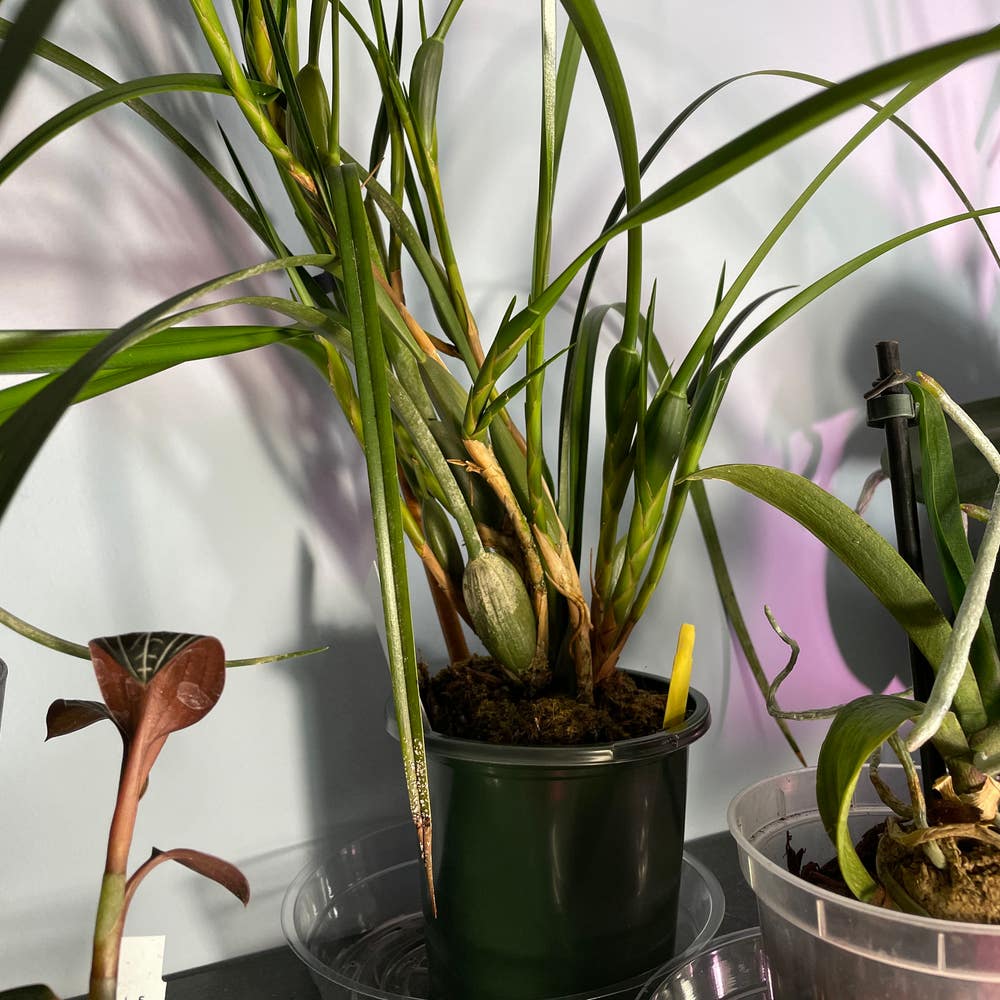
Eulophia saundersiana typically reaches a mature height of 30-60 cm (12-24 inches) and spreads about 30-45 cm (12-18 inches). This moderate size makes it an excellent choice for various garden settings, providing a striking presence without overwhelming the space.
Growth Rate and Factors Affecting Size 📈
The growth rate of Eulophia saundersiana is moderate, influenced by several factors including light, water, and nutrient availability. Variability in size can occur based on growing conditions, such as soil quality and climate, so it's essential to provide optimal care for the best results.
Understanding these size parameters helps you plan your garden layout effectively. With the right conditions, this orchid can flourish, adding beauty and interest to your landscape.
As you consider the size of your Eulophia saundersiana, think about how it will fit with companion plants and the overall aesthetic of your garden. Next, let's explore the fascinating lifecycle of this unique orchid.
Roots
Description of the Root System 🌱
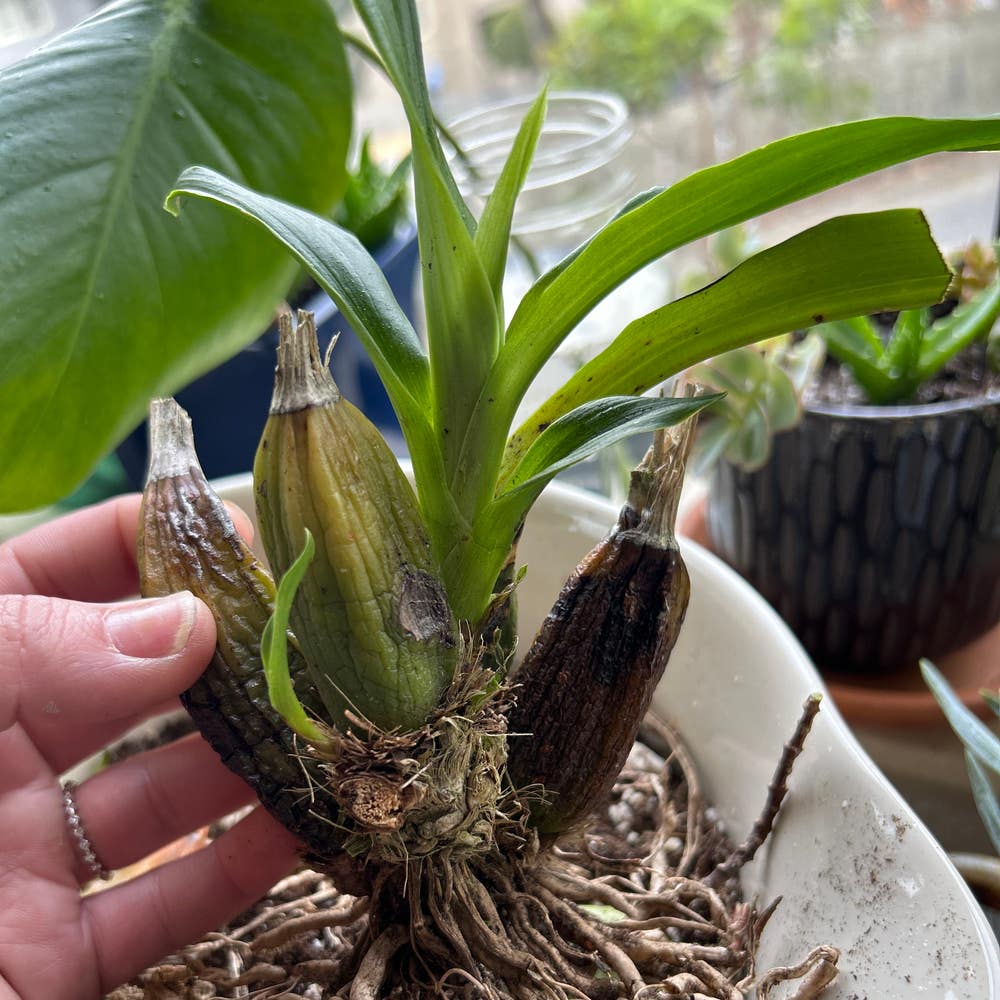
Eulophia saundersiana boasts a rhizomatous root system. These thick, fleshy roots are essential for storing nutrients and moisture, helping the plant thrive in various conditions.
Common Root-Related Issues ⚠️
One common issue is root rot, which occurs due to overwatering. To prevent this, ensure your plant has good drainage to keep the roots healthy.
Another problem is becoming rootbound, which happens when the roots fill the pot. You can identify this issue if you see roots growing out of the drainage holes.
Visual Cues for Healthy vs. Unhealthy Roots 👀
Healthy roots are firm, white, and plump, indicating a well-cared-for plant. In contrast, unhealthy roots appear dark, mushy, or shriveled, signaling that your Eulophia saundersiana may need immediate attention.
Understanding the root system and its needs is crucial for maintaining a vibrant plant. With proper care, you can enjoy the beauty of Eulophia saundersiana for years to come.
Next, let’s explore the benefits of this remarkable plant and why it deserves a spot in your garden.
Benefits
Top 5 Benefits 🌟
Eulophia saundersiana is not just a pretty face in the garden; it offers a range of benefits that make it a worthwhile addition to any landscape.
Ornamental Appeal: The unique flowers of Eulophia saundersiana add a striking visual element to gardens, enhancing aesthetics and drawing the eye.
Cultural Significance: In some African communities, this plant is valued for its traditional medicinal uses, showcasing its importance beyond mere decoration.
Biodiversity: By incorporating Eulophia saundersiana into your garden, you contribute to biodiversity, supporting a healthier ecosystem and a variety of wildlife.
Pollinator Attraction: The vibrant flowers are a magnet for bees and other pollinators, playing a crucial role in supporting local pollinator populations.
Low Maintenance: Once established, this plant requires minimal care, making it an excellent choice for busy gardeners or those new to plant care.
Incorporating Eulophia saundersiana into your garden not only beautifies your space but also supports ecological health and cultural heritage. With its low maintenance needs, it's a win-win for both novice and experienced gardeners alike.
Companion Plants
🌱 Companion Planting
Companion planting is a fantastic strategy for enhancing growth and managing pests in your garden. By choosing the right plants to grow alongside Eulophia saundersiana, you can create a thriving ecosystem that benefits all your plants.
🌼 Compatible Companion Plants
When selecting companions for your Eulophia saundersiana, consider these suitable options:
- Ferns: Their lush foliage complements the orchid's unique flowers while thriving in similar conditions.
- Other Orchids: They share similar care requirements and can create a stunning display together.
- Shade-Tolerant Perennials: These plants can help fill in spaces and provide a diverse habitat.
🚫 Plants to Avoid
While many plants can thrive alongside Eulophia saundersiana, some should be avoided. Steer clear of heavy feeders, as they can compete for nutrients, and plants that require dry conditions, which may not provide the humidity your orchid needs.
By carefully selecting companion plants, you can enhance the beauty and health of your Eulophia saundersiana. This thoughtful approach not only boosts growth but also contributes to a vibrant and diverse garden. Next, let’s explore the fascinating topic of toxicity and safety regarding this beautiful orchid.
Toxicity to Humans
Safety Overview 🌿
Eulophia saundersiana is not listed as toxic, making it a safe choice for gardens and homes according to major poison control centers.
Minor Issues ⚠️
While generally safe, ingestion in large quantities may lead to mild skin irritation or digestive discomfort.
Caution 🚑
It's always wise to seek medical advice if you experience unusual symptoms after contact or ingestion. This precaution ensures peace of mind while enjoying your beautiful Eulophia saundersiana.
As you explore the wonders of this plant, remember that knowledge is your best ally in gardening.
Toxicity to Dogs
Safety Overview 🐶
Eulophia saundersiana is considered safe for dogs, as it is not listed as toxic by major pet poison control centers.
Minor Issues 🚨
While generally harmless, excessive consumption may lead to mild gastrointestinal upset.
Tips for Dog Owners 🐾
To ensure your furry friend stays safe, keep this plant out of reach of curious dogs. Always monitor their behavior around new plants to catch any unusual reactions early.
With proper precautions, you can enjoy the beauty of Eulophia saundersiana without worrying about your dog's health.
Toxicity to Cats
Safety Overview 🐱
Eulophia saundersiana is not considered toxic to cats, according to major pet poison control centers. This means you can enjoy this beautiful plant without worrying about your feline friends getting sick.
Minor Issues 🚨
While the plant is safe, excessive consumption may lead to mild gastrointestinal upset. It's always best to keep an eye on your cat's behavior around new plants.
Tips for Cat Owners 🏡
To ensure your cat stays safe, position Eulophia saundersiana where they can't easily access it. Regularly monitor their interactions with the plant to prevent any potential issues.
In summary, you can confidently include Eulophia saundersiana in your home without fear for your cats' health. Just take a few precautions, and you’ll have a lovely addition to your plant collection!
Problems
🌱 Common Problems with Eulophia saundersiana
Growing Eulophia saundersiana can be rewarding, but it's essential to be aware of common problems that may arise. Understanding these issues can help you maintain a healthy plant.
💧 Incorrect Watering
Watering is crucial for your plant's health. Overwatering can lead to yellowing leaves, while underwatering may cause wilting.
☀️ Incorrect Light Conditions
Light conditions play a significant role in growth. Too much sun can scorch leaves, whereas insufficient light can result in leggy growth.
🦠 Diseases
Eulophia saundersiana is susceptible to certain diseases. Fungal issues like powdery mildew and root rot can occur, especially in humid conditions.
By keeping an eye on these common problems, you can ensure your Eulophia saundersiana thrives. Next, let's explore potential pest issues that may affect your plant.
Bugs
🐜 Potential Pest Issues
Eulophia saundersiana is generally pest-resistant, making it a resilient choice for your garden. However, it can still fall victim to a few pesky intruders.
🕷️ Common Pests
- Spider Mites: These tiny arachnids can cause significant damage by sucking the sap from leaves, leading to discoloration and webbing.
- Scale Insects: Often appearing as small, brown bumps on stems and leaves, these pests can weaken your plant by draining its nutrients.
- Mealybugs: Recognizable by their white, cottony appearance, mealybugs can also sap your plant's vitality and create a sticky residue.
🚫 Prevention and Control
To keep your Eulophia saundersiana thriving, regularly inspect your plants for these pests. If you spot any, act quickly with insecticidal soap or neem oil to manage the infestation effectively.
💭 Final Thoughts
Maintaining vigilance against pests is key to ensuring your Eulophia saundersiana remains healthy and vibrant. With the right care, you can enjoy the beauty of this unique plant without the worry of unwanted visitors.
Next, let's explore what animals might be interested in munching on your Eulophia saundersiana.
What Eats
🦌 Common Animals
Eulophia saundersiana can attract a variety of hungry critters. Common visitors include deer, rabbits, squirrels, birds, rodents, and groundhogs.
🔍 Signs of Damage
Keep an eye out for signs of animal activity. Chewed leaves, broken stems, or missing plants are all indicators that your garden has been raided.
🚫 Deterrent Methods
To protect your plants, consider using chemical repellents or planting deterrent species nearby. These methods can help keep your Eulophia saundersiana safe from unwanted munchers.
💭 Final Thoughts
Understanding what eats your plants is crucial for maintaining a healthy garden. By being proactive, you can enjoy the beauty of your Eulophia saundersiana without the worry of it becoming a snack for local wildlife.
⚠️ Safety First
This content is for general information and may contain errors, omissions, or outdated details. It is not medical, veterinary advice, or an endorsement of therapeutic claims.
Always consult a qualified healthcare professional before using any plant as food, medicine, or supplement.
Never eat any plant (or feed one to pets) without confirming its identity with at least two trusted sources.
If you suspect poisoning, call Poison Control (800) 222-1222, the Pet Poison Helpline (800) 213-6680, or your local emergency service immediately.
Spotted an error? Please report it here.
Transform your garden with the vibrant blooms of Eulophia saundersiana 🌺—let Greg guide you with personalized care tips and reminders to keep your orchid thriving!