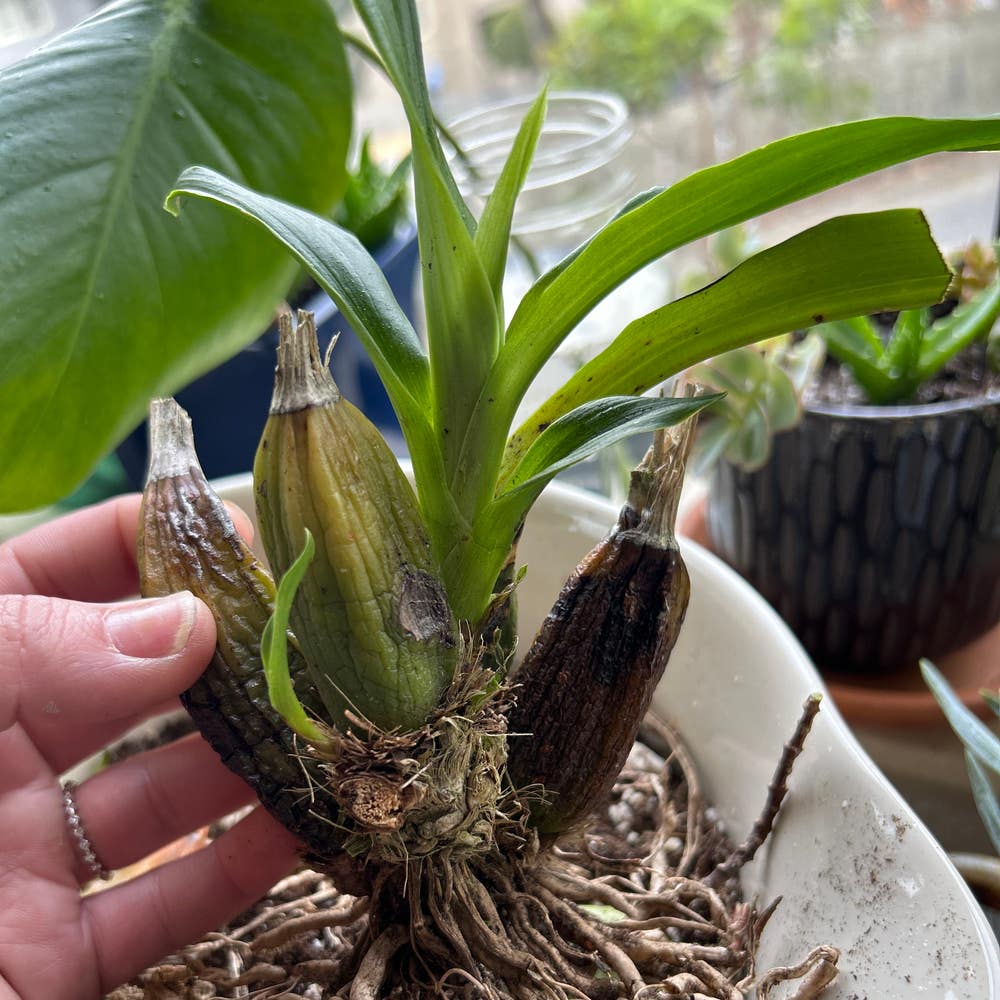
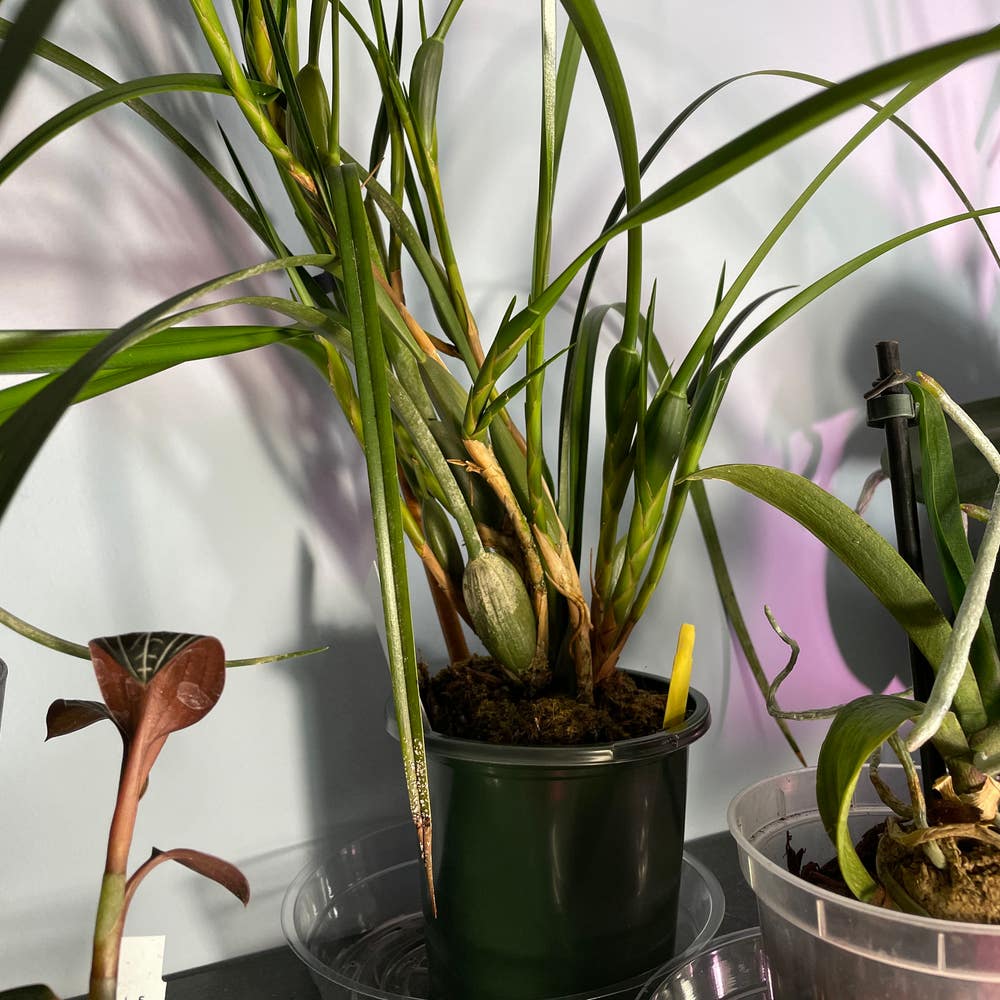
Ultimate Guide to Eulophia ruwenzoriensis
Eulophia ruwenzoriensis
By the Greg Editorial Team
Feb 27, 2025•9 min read
This article was created with the help of AI so we can cover more plants for you. May contain errors. See one? Report it here.
- 🌞🌿 Eulophia ruwenzoriensis thrives in partial shade to full sun; protect from frost.
- 💧🌱 Moist, well-drained soil is essential; avoid waterlogging to prevent root rot.
- 🌼✂️ Prune after flowering to encourage growth and remove damaged parts.
How to Grow
Choosing a Location 🌞
Eulophia ruwenzoriensis thrives in conditions ranging from partial shade to full sun. It's essential to protect your plants from strong winds and frost to ensure healthy growth.
Soil Preparation 🌱
For optimal growth, use moist, well-drained soil rich in organic matter. Aim for a pH level between 6.0 and 7.0, which is slightly acidic to neutral.
Planting Techniques 🌿
When planting, dig a hole 2-3 inches deep. Space your plants 12-18 inches apart to give them room to flourish.
Watering Requirements 💧
Keep the soil consistently moist but avoid waterlogging. During dormancy, reduce watering to prevent root issues.
Fertilizing Schedule 🌼
Use a balanced NPK fertilizer to nourish your plants. Apply it every 4-6 weeks during the growing season for best results.
Pruning Methods ✂️
Prune your Eulophia ruwenzoriensis after flowering to promote new growth. Focus on removing dead or damaged leaves and spent flowers to keep the plant healthy.
Ongoing Care for Outdoor and Container Growth 🪴
For container growth, ensure your pots have adequate drainage and are the right size. In outdoor settings, mulching helps retain moisture and suppress weeds, making maintenance easier.
With these guidelines, you're well on your way to cultivating a thriving Eulophia ruwenzoriensis. Next, let's explore how to propagate this beautiful plant effectively.
Propagation
🌱 Seed Propagation
To propagate Eulophia ruwenzoriensis from seeds, wait until the seed pods are dry. This is the perfect time to harvest, ensuring the seeds are ready for germination.
For successful germination, provide a warm and moist environment. This will help the seeds sprout effectively, setting the stage for healthy growth.
✂️ Division of Rhizomes
Dividing rhizomes is another effective propagation method. The best time to do this is in early spring or fall when the plant is less stressed.
Carefully separate the rhizomes and replant them in suitable locations. This method not only helps in propagation but also promotes vigorous growth.
🌿 Offsets and Bulb Propagation
Offsets are new growths that appear near the base of the plant. Identifying these offsets is crucial for propagation.
When replanting offsets, ensure they have developed roots. This increases their chances of thriving in their new environment, making propagation a rewarding experience.
With these propagation techniques, you can expand your Eulophia ruwenzoriensis collection and share its beauty with others. Next, let’s explore the lifecycle of this fascinating plant.
Lifecycle
Lifecycle Stages 🌱
Eulophia ruwenzoriensis undergoes several distinct stages throughout its lifecycle. These stages include germination, seedling development, vegetative growth, flowering, and seed production.
During germination, seeds require warmth and moisture to sprout. Once they break through the soil, they enter the seedling stage, where they establish roots and begin to grow leaves.
As the plant matures, it enters the vegetative growth phase, focusing on leaf and stem development. This stage is crucial for building the plant's energy reserves for future flowering.
When conditions are right, Eulophia ruwenzoriensis will bloom, showcasing its unique flowers. After flowering, the plant shifts to seed production, ensuring the continuation of its species.
Lifespan 🌿
With proper care, Eulophia ruwenzoriensis can thrive for several years. This longevity makes it a rewarding addition to any garden, providing beauty and ecological benefits over time.
Understanding these lifecycle stages is essential for successful cultivation. By aligning care practices with each phase, you can ensure your plant remains healthy and vibrant.
Next, we will explore the size of Eulophia ruwenzoriensis, including its mature height and growth rate specifics.
Size
Mature Height and Spread 🌱
Eulophia ruwenzoriensis typically reaches a height of 1 to 3 feet. Its spread can vary from 1 to 2 feet, depending on the growing conditions and care provided.
Growth Rate Specifics 📈
This plant has a moderate growth rate, which can be influenced by various environmental factors. Optimal conditions will encourage more vigorous growth, making it a rewarding addition to your garden.
Roots
🌱 Root System Characteristics
Eulophia ruwenzoriensis features a rhizomatous root system, which means it develops thick, horizontal roots that store nutrients and help the plant thrive. These roots typically extend 12 to 18 inches deep, allowing the plant to access moisture and nutrients from the soil effectively.
⚠️ Common Root-Related Issues
One of the most common problems with Eulophia ruwenzoriensis is root rot, primarily caused by overwatering. If you notice dark, mushy roots, it's a sign that your plant is suffering and needs immediate attention to prevent further damage.
Maintaining proper watering practices is crucial for the health of your plant. Always ensure that the soil drains well to avoid creating a soggy environment that can lead to root issues.
Understanding these root characteristics and potential problems can help you provide the best care for your Eulophia ruwenzoriensis. With healthy roots, your plant will flourish, setting the stage for vibrant growth and beautiful blooms.
Next, let’s explore how to propagate this resilient plant effectively.
Benefits
Top 5 Benefits 🌟
Eulophia ruwenzoriensis is not just another plant; it brings a wealth of benefits to your garden and beyond. Here are the top five reasons to consider adding this unique species to your landscape.
1. Ornamental Appeal
The standout feature of Eulophia ruwenzoriensis is its unique flowers. These blooms can significantly enhance your garden's aesthetics, adding a splash of color and intrigue.
2. Pollinator Attraction
This plant plays a vital role in supporting local ecosystems. By attracting bees and butterflies, it helps promote biodiversity and encourages a thriving garden environment.
3. Cultural Significance
Eulophia ruwenzoriensis holds a special place in traditional medicine and local customs. Its historical uses add depth to its appeal, making it more than just a pretty face in your garden.
4. Adaptability
One of the best traits of this plant is its adaptability. It thrives in various soil types and conditions, making it a versatile choice for different gardening environments.
5. Low Maintenance
Once established, Eulophia ruwenzoriensis requires minimal care. This low-maintenance aspect is perfect for busy gardeners or those new to plant care.
Incorporating Eulophia ruwenzoriensis into your garden not only beautifies your space but also supports the environment and requires little effort to maintain. Next, let’s explore how to propagate this remarkable plant for even more gardening success.
Companion Plants
Best Companion Plants 🌱
When it comes to growing Eulophia ruwenzoriensis, choosing the right companion plants can make all the difference. Consider pairing it with ferns, shade-tolerant perennials, and herbs.
These companions thrive under similar moisture and light conditions, creating a harmonious garden environment. Ferns, for instance, not only provide a lush backdrop but also help retain soil moisture, which is beneficial for your Eulophia.
Why These Companions Work 🌼
- Ferns: Their delicate foliage complements the unique flowers of Eulophia, enhancing visual appeal while thriving in similar light conditions.
- Shade-Tolerant Perennials: These plants can fill in gaps and provide a vibrant display without competing for sunlight, ensuring your Eulophia gets the light it needs.
- Herbs: Many herbs enjoy similar growing conditions, and their aromatic qualities can deter pests, creating a healthier garden ecosystem.
By selecting these companion plants, you not only boost the aesthetic of your garden but also promote a thriving, low-maintenance environment for your Eulophia ruwenzoriensis. This thoughtful approach to planting can lead to a more resilient garden, making your gardening experience even more rewarding.
Next, let’s explore some common problems you might encounter while growing this beautiful orchid.
Problems
Common Problems with Eulophia ruwenzoriensis 🌱
Growing Eulophia ruwenzoriensis can be rewarding, but it’s essential to be aware of potential problems that may arise. Here are some common issues to watch for.
Incorrect Watering 🚰
Watering is crucial for the health of your plant. Overwatering can lead to yellowing leaves, indicating root stress, while underwatering results in wilting and drooping foliage.
Incorrect Light Conditions ☀️
Light plays a significant role in the growth of Eulophia ruwenzoriensis. Too much sun can cause leaf scorch, while insufficient light may lead to leggy growth as the plant stretches toward the light source.
Diseases 🦠
Fungal diseases can pose a threat to your plant's health. Common issues include powdery mildew, which appears as a white coating on leaves, and root rot, often caused by overly wet conditions.
Summary 📋
By keeping an eye on watering practices, light exposure, and potential diseases, you can ensure your Eulophia ruwenzoriensis thrives. Addressing these problems early will help maintain the plant's health and beauty.
Next, let’s explore the potential pest issues that could affect your plant.
Bugs
🐜 Potential Pest Issues
Eulophia ruwenzoriensis is generally a tough plant, boasting impressive pest resistance. However, it can still attract a few unwelcome guests that may disrupt its growth.
🐞 Common Pests
Spider Mites: These tiny pests thrive in dry conditions and can cause significant damage by sucking the sap from leaves. Look for fine webbing and stippled leaves as signs of their presence.
Scale Insects: These pests appear as small, brownish bumps on stems and leaves. They can weaken the plant by feeding on its sap, leading to yellowing foliage.
Mealybugs: Recognizable by their white, cottony appearance, mealybugs can cluster in leaf joints and on stems. They also feed on sap, which can stunt growth and lead to a sticky residue on the plant.
🚫 Prevention and Management
To keep your Eulophia ruwenzoriensis thriving, regular monitoring is key. Inspect your plants frequently for any signs of pests and take action promptly if you notice any issues.
Natural Predators: Encourage beneficial insects like ladybugs and lacewings, which can help control pest populations.
Neem Oil: This natural pesticide can effectively deter many pests without harming the plant. Apply it according to the instructions for best results.
Regular Maintenance: Keep the area around your plants clean and free of debris. This reduces hiding spots for pests and promotes better air circulation.
By staying vigilant and proactive, you can help your Eulophia ruwenzoriensis flourish while minimizing pest-related problems. Next, let’s explore what animals might pose a threat to your plant's well-being.
What Eats
🦌 Common Animals
Eulophia ruwenzoriensis can attract a variety of hungry critters. The most common culprits include deer, rabbits, squirrels, and rodents.
🐾 Signs of Animal Presence
Keep an eye out for signs that these animals are munching on your plants. Look for chewed leaves, droppings scattered around, and tracks in the soil.
By staying vigilant, you can protect your Eulophia ruwenzoriensis from these potential threats. If you notice any signs of nibbling, consider implementing protective measures to safeguard your plants.
As you continue caring for your Eulophia ruwenzoriensis, it's essential to be aware of the challenges posed by pests and animals. This knowledge will help you maintain a thriving garden.
⚠️ Safety First
This content is for general information and may contain errors, omissions, or outdated details. It is not medical, veterinary advice, or an endorsement of therapeutic claims.
Always consult a qualified healthcare professional before using any plant as food, medicine, or supplement.
Never eat any plant (or feed one to pets) without confirming its identity with at least two trusted sources.
If you suspect poisoning, call Poison Control (800) 222-1222, the Pet Poison Helpline (800) 213-6680, or your local emergency service immediately.
Spotted an error? Please report it here.
Transform your Eulophia ruwenzoriensis into a stunning garden centerpiece 🌼 with Greg's personalized care tips and watering reminders that ensure it thrives at every stage of growth!