🌸 Everything You Need to Know About Eulophia rhodesiaca
Eulophia rhodesiaca
By the Greg Editorial Team
Feb 27, 2025•8 min read
This article was created with the help of AI so we can cover more plants for you. May contain errors. See one? Report it here.
Elevate your garden's beauty effortlessly with Eulophia rhodesiaca, a low-maintenance gem that thrives in diverse conditions! 🌼
- 🌞 Eulophia rhodesiaca thrives in partial shade and warm, tropical climates for optimal growth.
- 🌱 Use well-draining, organic-rich soil with a pH of 6.0 to 7.0 for best results.
- 💧 Avoid overwatering to prevent yellow leaves and root rot; maintain consistently moist soil.
How to Grow
Choosing a Location 🌍
Eulophia rhodesiaca thrives in partial shade but can tolerate some direct sunlight. It prefers warm climates, making it ideal for tropical and subtropical regions.
Soil Preparation 🏞️
For optimal growth, use well-draining soil rich in organic matter. Aim for a slightly acidic to neutral pH between 6.0 and 7.0 to support healthy development.
Planting Techniques 🌱
When planting, ensure bulbs are placed 2-3 inches deep in the soil. Space them 12-18 inches apart to allow ample room for growth.
Watering Requirements 💧
Keep the soil consistently moist but avoid waterlogging. Watch for signs of overwatering, such as yellowing leaves and potential bulb rot.
Fertilizing Schedule 🌿
Utilize a balanced fertilizer with an NPK ratio of 10-10-10. Fertilize every 4-6 weeks during the growing season to promote vigorous growth.
Pruning and Ongoing Care ✂️
Regularly prune dead or yellowing leaves to enhance airflow around the plant. Additionally, keep an eye out for pests and diseases to ensure your Eulophia rhodesiaca remains healthy.
With these guidelines, you can cultivate a thriving Eulophia rhodesiaca that adds beauty and interest to your garden. Next, let’s explore how to propagate this fascinating plant.
Propagation
🌱 Seed Propagation Method
To propagate Eulophia rhodesiaca from seeds, start by collecting seeds from mature pods after the flowering period. For successful germination, provide a warm, moist environment and ensure the seeds receive light, as this is crucial for their growth.
🔄 Division of Bulbs Method
Dividing bulbs is another effective propagation method, ideally done in early spring or fall. To do this, carefully separate the bulbs and replant them immediately to encourage healthy growth and development.
This dual approach to propagation not only expands your plant collection but also enhances the vitality of your garden. Whether you choose seeds or bulbs, both methods can lead to a thriving display of Eulophia rhodesiaca in your space.
As you explore these propagation techniques, you’ll find that nurturing these plants can be a rewarding experience, paving the way for the next section on their size and growth characteristics.
Size
Mature Height and Spread 🌱
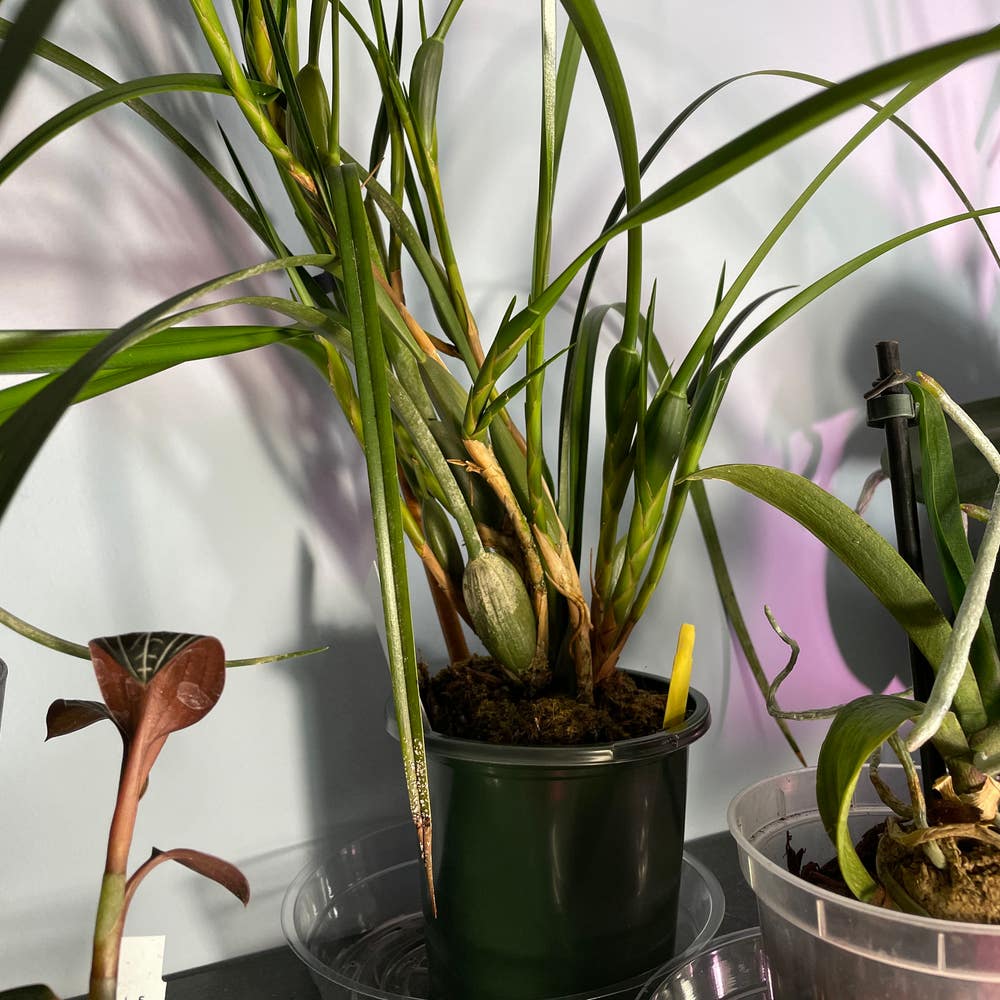
Eulophia rhodesiaca typically reaches a mature height of 12 to 24 inches. Its spread can range from 12 to 18 inches, making it a lovely addition to any garden space.
Growth Rate and Time to Full Size ⏳
Under ideal conditions, this plant takes about 2 to 3 years to reach its full size. Patience is key, as the wait will be worth it when you see its stunning blooms.
Size Variability Based on Growing Conditions 🌍
Several factors can influence the size of Eulophia rhodesiaca. Soil quality, light exposure, and water availability all play crucial roles in determining how well this plant thrives.
Understanding these elements will help you create the optimal environment for your Eulophia rhodesiaca. With the right care, you can enjoy a vibrant, healthy plant that enhances your garden's beauty.
As we move forward, let's explore the roots of this fascinating plant and how they contribute to its overall health and growth.
Roots
🌱 Characteristics of the Root System
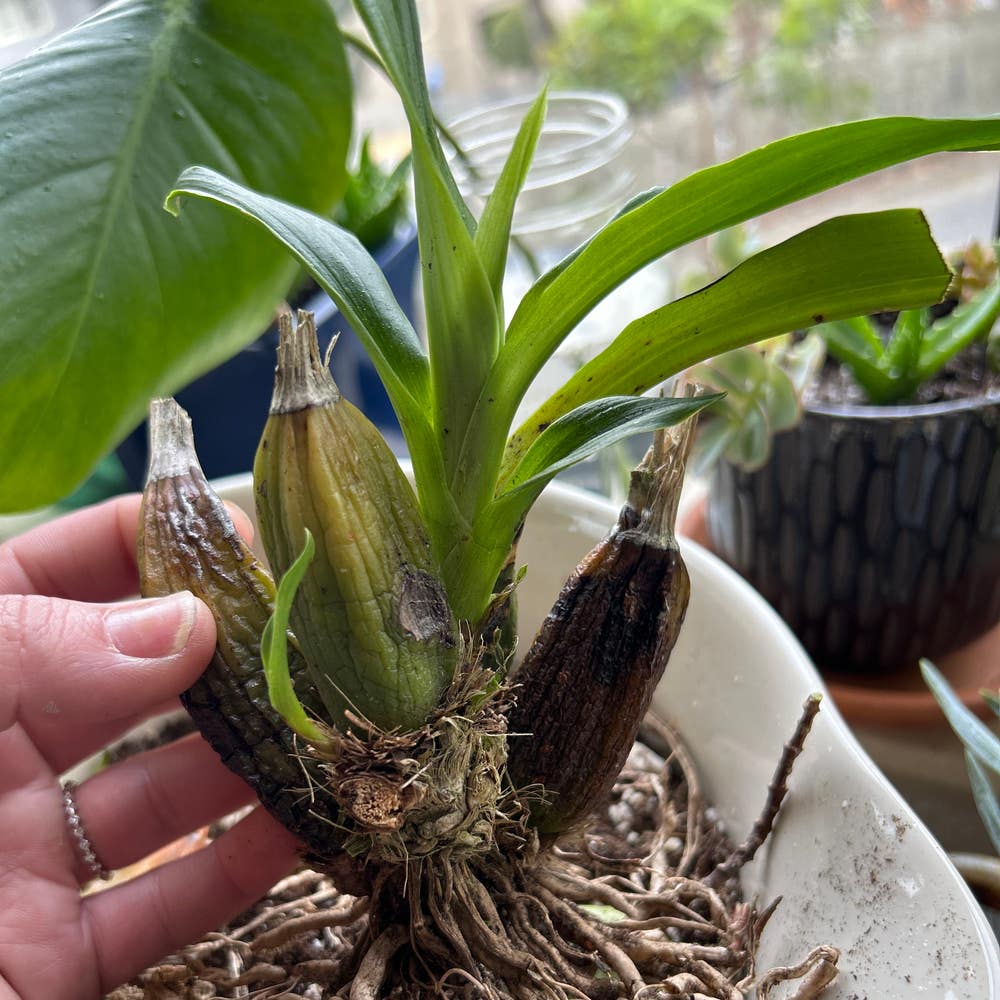
Eulophia rhodesiaca features a bulbous root system that excels at storing nutrients. These roots can extend 6-12 inches deep, providing stability and access to moisture.
⚠️ Common Root-Related Issues and Solutions
One of the most common issues is root rot, often caused by overwatering. To prevent this, ensure your plant has proper drainage to keep the roots healthy.
Another concern is squishy roots, which indicate poor health. If you notice this, adjust your watering practices to promote recovery.
✅ Identifying Healthy vs. Unhealthy Roots
Healthy roots are firm, white, and plump, signaling a thriving plant. In contrast, unhealthy roots appear dark, mushy, or shriveled, indicating a need for immediate attention.
🔄 Recognizing and Addressing Rootbound Conditions
If you see roots growing out of drainage holes or circling the pot, your plant may be rootbound. The solution is simple: repot into a larger container or divide the bulbs to give them room to grow.
Understanding the root system of Eulophia rhodesiaca is crucial for its overall health. By addressing these root-related issues, you can ensure your plant thrives and flourishes. Next, let’s explore the benefits of growing this unique species.
Benefits
🌼 Top 5 Benefits of Growing Eulophia rhodesiaca
Eulophia rhodesiaca offers a range of benefits that make it a fantastic addition to any garden. Here are the top five reasons to consider growing this unique plant.
1. Ornamental Appeal
The striking flowers of Eulophia rhodesiaca add a splash of color and interest to your garden. Their unique shape and vibrant hues can enhance your landscape, making it a visual delight.
2. Cultural Significance
In various African communities, Eulophia rhodesiaca holds cultural importance. It is often valued for its traditional uses, connecting gardeners to rich heritage and practices.
3. Biodiversity
This plant is a magnet for pollinators and beneficial insects. By growing Eulophia rhodesiaca, you contribute to local biodiversity, supporting the ecosystem in your area.
4. Low Maintenance
Once established, Eulophia rhodesiaca requires minimal care. Its resilience makes it an excellent choice for both novice and experienced gardeners looking for low-maintenance options.
5. Medicinal Properties
Eulophia rhodesiaca has been used in traditional medicine for various ailments. Its potential health benefits add another layer of value to this remarkable plant.
Embracing Eulophia rhodesiaca in your garden not only beautifies your space but also enriches your connection to nature and culture. Ready to dive deeper into the challenges of growing this plant? Let’s explore the common problems you might face.
Problems
Common Problems Faced When Growing 🌱
Growing Eulophia rhodesiaca can be rewarding, but it comes with its share of challenges. Understanding these common problems will help you maintain a healthy plant.
Incorrect Watering 🚰
Watering is crucial for Eulophia rhodesiaca's health. Overwatering leads to yellowing leaves, while underwatering causes wilting.
- Causes: Poor drainage or inconsistent watering practices can exacerbate these issues.
- Solutions: Adjust your watering frequency based on the soil's moisture level. Always check the soil before watering to ensure it’s not too wet or too dry.
Incorrect Light Conditions 💡
Light conditions significantly impact the growth of your plant. Too little light results in leggy growth, while too much can scorch the leaves.
- Symptoms: Look for signs of leggy growth or scorched leaf edges.
- Solutions: If you notice these symptoms, relocate your plant to a more suitable light environment. Aim for partial shade to optimize growth.
Diseases 🦠
Eulophia rhodesiaca can fall victim to various diseases, which can hinder its development. Common issues include powdery mildew and rust.
- Symptoms: Watch for white powdery spots on leaves or general leaf discoloration.
- Solutions: To combat these diseases, improve air circulation around the plant and apply fungicides as needed. Regular monitoring can help catch these problems early.
By addressing these common problems, you can ensure your Eulophia rhodesiaca thrives in your garden. Next, let’s explore the potential pest issues that may arise while growing this beautiful plant.
Bugs
🐜 Potential Pest Issues
Eulophia rhodesiaca is generally resilient against pests, but it can still fall victim to certain invaders. Keeping an eye out for these pests is crucial to maintaining the health of your plant.
🔍 Identification and Damage Caused by Common Pests
Spider Mites
Spider mites are notorious for their fine webbing on leaves, which can be a telltale sign of their presence. If you notice leaf discoloration and drop, it's likely these tiny pests are at work.
To combat spider mites, increase humidity around the plant and apply miticides as needed. This approach helps create an environment that's less hospitable to these pests.
Scale Insects
Scale insects appear as small, brown, shell-like bumps on the stems of your Eulophia rhodesiaca. These pests can weaken the plant and stunt its growth, making it essential to address them promptly.
For treatment, manually remove the scale insects and apply insecticidal soap to eliminate any remaining pests. Regular monitoring will help keep your plant thriving and pest-free.
By staying vigilant and addressing pest issues early, you can ensure your Eulophia rhodesiaca remains healthy and vibrant. Next, let’s explore the common garden animals that may pose a threat to your plant.
What Eats
🦌 Common Garden Animals That May Damage
Eulophia rhodesiaca can attract a variety of garden animals that may cause damage.
- Deer: Look for signs like chewed leaves and broken stems.
- Rabbits: They often leave behind clipped stems and missing foliage.
- Squirrels: These critters may dig around the base of the plant, disrupting its roots.
🐾 Types of Damage Caused by Animals
The damage caused by these animals can vary significantly.
- Browsing on Leaves: This can lead to unsightly holes and a weakened plant.
- Uprooting Bulbs: Squirrels, in particular, may disturb the bulbs, affecting their growth.
🚫 Deterrent Methods for Managing Animal Interactions
To protect your Eulophia rhodesiaca, consider various deterrent methods.
- Chemical Methods: Commercial repellents can be effective in keeping animals at bay.
- Organic Methods: Planting deterrent species, like marigolds, can naturally repel unwanted visitors. Additionally, using physical barriers can provide extra protection.
By implementing these strategies, you can safeguard your plants and enjoy their beauty without the worry of animal damage. Next, let’s explore the potential pest issues that can affect your Eulophia rhodesiaca.
⚠️ Safety First
This content is for general information and may contain errors, omissions, or outdated details. It is not medical, veterinary advice, or an endorsement of therapeutic claims.
Always consult a qualified healthcare professional before using any plant as food, medicine, or supplement.
Never eat any plant (or feed one to pets) without confirming its identity with at least two trusted sources.
If you suspect poisoning, call Poison Control (800) 222-1222, the Pet Poison Helpline (800) 213-6680, or your local emergency service immediately.
Spotted an error? Please report it here.
Cultivate a thriving Eulophia rhodesiaca 🌱 with Greg's tailored care reminders and expert tips, ensuring your plant flourishes while enhancing your garden's beauty and supporting local biodiversity!