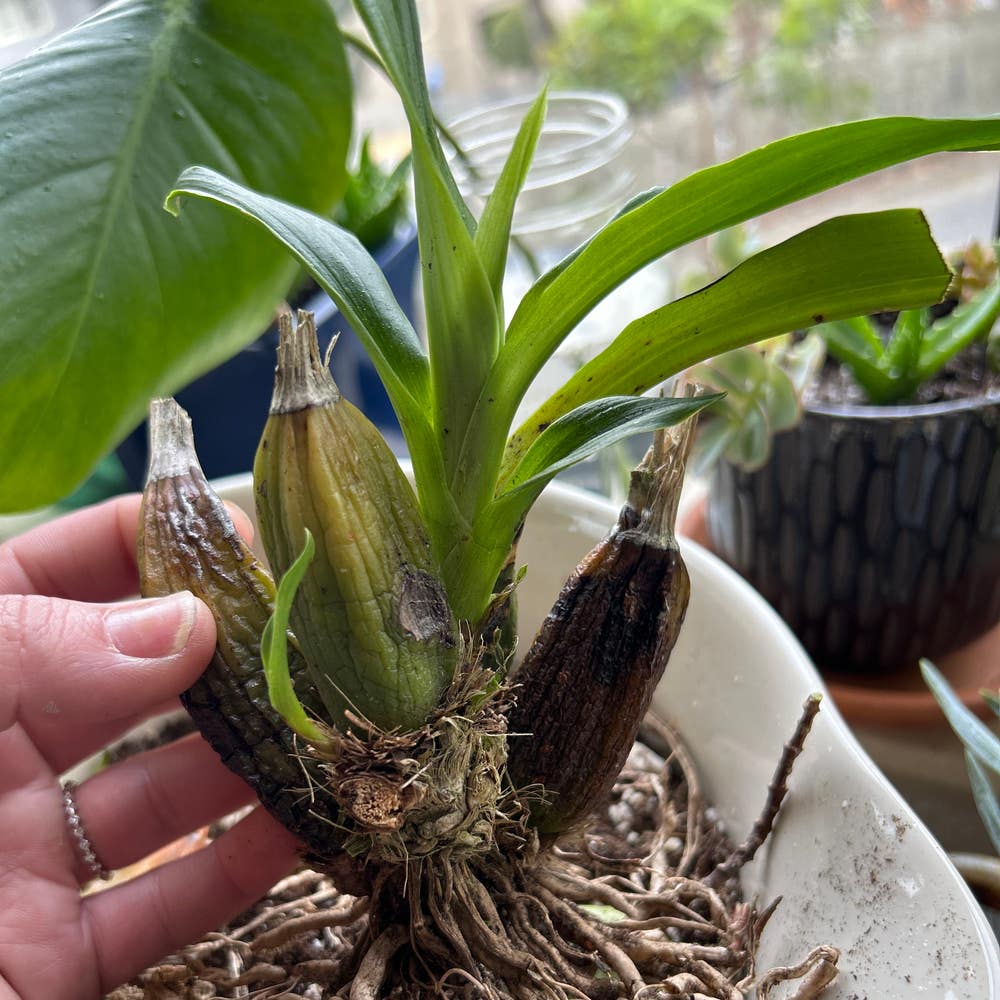
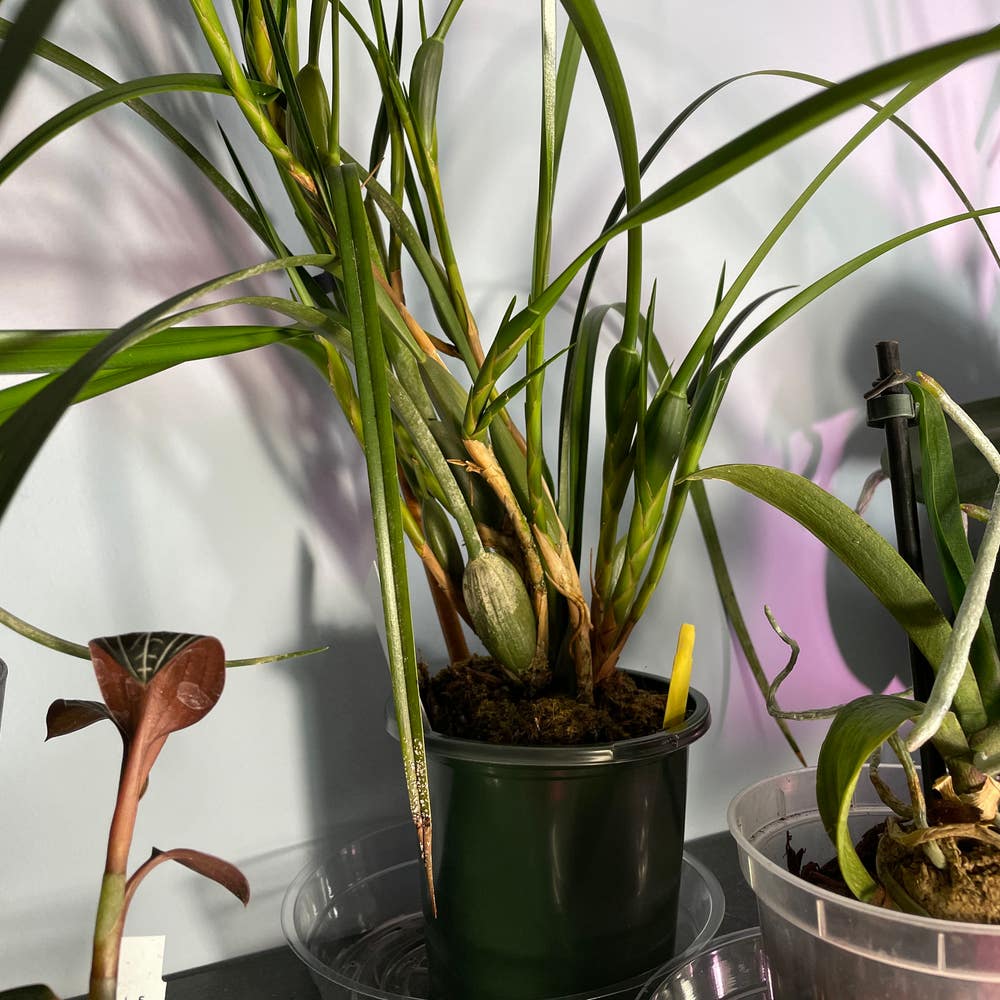
Eulophia renschiana Explained: Key Information 🌸
Eulophia renschiana
By the Greg Editorial Team
Feb 27, 2025•12 min read
This article was created with the help of AI so we can cover more plants for you. May contain errors. See one? Report it here.
Elevate your garden with Eulophia renschiana, a vibrant orchid that flourishes with minimal effort! 🌱
- 🌞 Eulophia renschiana thrives in bright, indirect sunlight; avoid harsh direct light.
- 🌡️ Optimal temperature range is 20°C to 30°C for healthy growth.
- 💧 Humidity levels of 50-70% are crucial; use trays or misting for maintenance.
How to Grow
🌞 Choosing a Location
Eulophia renschiana thrives in bright, indirect sunlight. Avoid placing it in direct harsh sunlight, as this can damage the leaves.
For optimal growth, maintain temperatures between 20°C to 30°C (68°F to 86°F). This range creates a comfortable environment for the plant to flourish.
Humidity is crucial; aim for levels between 50-70%. Consider using a humidity tray or misting the plant regularly to meet its needs.
🌱 Soil Preparation
Use well-draining soil rich in organic matter for Eulophia renschiana. A mix of potting soil and orchid bark works well to provide the right texture.
The ideal soil pH is slightly acidic to neutral, ranging from 6.0 to 7.0. This balance supports healthy root development and nutrient uptake.
Ensure that pots have drainage holes to prevent waterlogging. Proper drainage is essential to avoid root rot and other issues.
🌿 Planting Techniques
When planting, bury the rhizomes 2-3 inches deep. This depth helps anchor the plant while allowing for adequate growth.
Space plants 12-18 inches apart to give them room to expand. Proper spacing promotes airflow and reduces competition for nutrients.
💧 Watering Requirements
Water Eulophia renschiana when the top inch of soil feels dry, typically every 1-2 weeks. This routine helps maintain moisture without overwatering.
When watering, do so thoroughly until it drains from the bottom. Avoid letting the plant sit in water, as this can lead to root rot.
🌼 Fertilizing Schedule
Use a balanced orchid fertilizer (20-20-20) diluted to half strength. This ensures the plant receives essential nutrients without being overwhelmed.
Fertilize every 4-6 weeks during the growing season, which is spring and summer. Regular feeding supports healthy growth and vibrant blooms.
✂️ Pruning and Ongoing Care
Deadheading is important; remove spent flowers to encourage new blooms. This practice keeps the plant looking tidy and promotes continuous flowering.
Wipe the leaves with a damp cloth to remove dust. Clean leaves improve photosynthesis and overall plant health, ensuring your Eulophia renschiana thrives.
With these guidelines, you're well on your way to successfully growing Eulophia renschiana. Next, let’s explore how to propagate this beautiful plant.
Propagation
🌱 Seed Propagation
To propagate Eulophia renschiana from seeds, start by sowing them in a sterile medium. This process requires high humidity and warmth, creating the perfect environment for germination, which typically occurs within 2-4 weeks.
✂️ Division of Rhizomes
Another effective propagation method is dividing the rhizomes. This is best done in spring when the plant is actively growing, ensuring a higher success rate. Carefully separate the rhizomes, making sure each division has roots and at least one growth point to thrive.
With these propagation techniques, you can expand your collection of Eulophia renschiana, sharing its beauty and benefits with others. Next, let’s explore the lifecycle of this fascinating plant and how it develops over time.
Lifecycle
Lifecycle Stages 🌱
Eulophia renschiana is a perennial plant that takes about 1-2 years to reach maturity. The journey begins with germination, where seeds need specific conditions—moisture and warmth—to sprout.
During the seedling stage, the plant focuses on developing its roots and leaves for several months. Following this, it enters the vegetative growth phase, which typically occurs in spring and summer, marked by rapid growth.
As summer progresses, the plant begins to flower, producing beautiful blooms from late summer to early fall that last several weeks. After flowering, the plant shifts its energy to seed production, allowing for future propagation opportunities.
Growth Timeline ⏳
So, how long until Eulophia renschiana is fully grown? Expect approximately 1-2 years for it to reach its full potential. The growth rate is moderate, influenced by factors like light, water, and nutrients available in its environment.
This lifecycle not only showcases the resilience of Eulophia renschiana but also highlights the beauty of nurturing a plant from seed to bloom. With the right care, you can enjoy this stunning orchid in your garden or home.
Next, let’s explore the size of this remarkable plant and what you can expect as it matures.
Size
Mature Height and Spread 🌱
Eulophia renschiana typically reaches a mature height of 30-60 cm (12-24 inches). Under optimal growing conditions, it can spread up to 30 cm (12 inches), making it a lovely addition to your garden.
Growth Rate and Time to Full Size ⏳
This orchid has a moderate growth rate, taking about 1-2 years to reach its full size. Keep in mind that factors like light, water, and nutrient availability can influence its growth, so providing the right conditions is key to its success.
With the right care, Eulophia renschiana can thrive beautifully in your garden, enhancing its overall aesthetic. Next, let’s explore the fascinating root system of this plant and how it contributes to its growth and health.
Roots
🌱 Root System Characteristics
Eulophia renschiana features a fibrous root system that is essential for its growth. Typically, these roots grow 6-12 inches deep and spread horizontally, allowing the plant to absorb nutrients efficiently.
⚠️ Common Root-Related Issues
Root health is crucial for the overall vitality of Eulophia renschiana. Overwatering can lead to root rot, characterized by mushy roots and yellowing leaves. Conversely, a rootbound condition occurs when roots fill the pot, resulting in stunted growth and roots pushing out of drainage holes.
🛠️ Tips for Managing Root Problems
To prevent root rot, ensure proper drainage and avoid overwatering your plant. If you notice roots growing out of the pot, it's time to repot to give your Eulophia renschiana the space it needs to thrive.
Understanding these root dynamics is vital for maintaining a healthy plant. Next, let’s explore the benefits of growing Eulophia renschiana in your garden.
Benefits
Top 5 Benefits 🌟
Eulophia renschiana offers a range of benefits that make it a valuable addition to any garden.
- Aesthetic appeal: Its unique flowering spikes add a striking visual element to your landscape.
- Biodiversity: This plant contributes to garden diversity and attracts essential pollinators, enhancing the ecosystem.
- Low maintenance: Once established, it requires minimal care, making it perfect for busy gardeners.
- Medicinal uses: In some cultures, Eulophia renschiana has been traditionally used in herbal remedies, showcasing its historical significance.
- Educational value: Growing this orchid provides opportunities to learn about orchid care and propagation techniques.
Cultural Significance 🌍
Eulophia renschiana is not just a pretty face; it holds cultural importance in various regions.
Often associated with traditional practices and local folklore, this plant enriches the cultural tapestry of the areas where it thrives. Its presence can spark curiosity and appreciation for the natural world, connecting people to their heritage and the environment.
As you cultivate Eulophia renschiana, you’re not only enhancing your garden but also participating in a broader narrative that celebrates nature and tradition.
With these benefits in mind, let’s explore how to propagate this remarkable plant effectively.
Companion Plants
🌱 Explanation of Companion Planting
Companion planting is the practice of growing different plants together to create a mutually beneficial environment. This technique can enhance pest management and promote improved growth, making your garden more vibrant and productive.
🌿 Compatible Companion Plants
When considering companions for Eulophia renschiana, think about other orchids, ferns, and shade-loving plants. These plants thrive in similar humidity and light conditions, creating a harmonious garden ecosystem.
- Benefits of Companion Planting:
- Enhances garden diversity.
- Deters pests naturally.
🚫 Plants to Avoid
It's wise to steer clear of heavy feeders or aggressive plants when planting Eulophia renschiana. These plants can compete for nutrients and space, potentially stunting your orchid's growth.
By choosing the right companions and avoiding competitive plants, you can create a thriving environment for your Eulophia renschiana. This thoughtful approach not only supports your plant's health but also enriches your overall gardening experience.
Next, let’s explore the potential toxicity of Eulophia renschiana to humans, dogs, and cats.
Toxicity to Humans
Eulophia renschiana is not considered toxic to humans according to major poison control centers. This means you can handle and even ingest it in small amounts without significant risk.
However, it's wise to be cautious. Excessive contact may lead to mild skin irritation, and consuming large quantities could result in digestive discomfort.
While the plant is generally safe, always pay attention to your body's reactions. If you experience any unusual symptoms after contact or ingestion, seeking medical advice is a prudent step.
In summary, Eulophia renschiana offers beauty without the worry of toxicity, making it a delightful addition to your garden or home. Now, let's explore its safety around our furry friends.
Toxicity to Dogs
Eulophia renschiana is not considered toxic to dogs, according to major pet poison control centers. This means you can enjoy this beautiful plant without worrying about your furry friends getting sick.
While it's generally safe, excessive consumption may lead to mild gastrointestinal upset. To keep your dog safe, it's wise to position the plant out of reach and keep an eye on their behavior to prevent any excessive chewing.
In summary, Eulophia renschiana can be a lovely addition to your home without posing a significant risk to your dogs. Just practice a little caution, and you'll both enjoy the beauty of this orchid!
Next, let’s explore how Eulophia renschiana interacts with our feline friends.
Toxicity to Cats
Eulophia renschiana is not considered toxic to cats according to major pet poison control centers. This means you can enjoy this beautiful plant without worrying about your feline friends.
🛡️ General Safety
Overall, Eulophia renschiana is regarded as safe around cats, presenting minimal risk. However, it's always wise to monitor your pets' interactions with any plant.
⚠️ Minor Issues
While the plant is safe, excessive consumption may cause mild gastrointestinal upset in cats. Keeping an eye on your cat's behavior can help prevent any discomfort.
🌱 Tips for Care
To ensure safety, position the plant where cats cannot easily access it. This simple step can help avoid any unusual interactions and keep your plant thriving.
As you explore the world of Eulophia renschiana, remember that while it's generally safe, a little caution goes a long way in maintaining harmony between your plants and pets. Now, let's dive into the next topic: common problems that may arise with this lovely orchid.
Problems
Common Problems 🌱
Eulophia renschiana can face several challenges that affect its health and growth.
Incorrect Watering
Underwatering leads to wilting, while overwatering causes yellowing leaves.
Incorrect Light Conditions
Insufficient light results in leggy growth, whereas too much light scorches the leaves.
Incorrect Temperature
Extreme temperatures can stunt growth or cause leaf drop, indicating that the plant is unhappy.
Diseases
Common issues include powdery mildew and root rot, which can be identified by closely inspecting leaves and roots.
Leaf Issues
Scorching, yellowing, or fuzzy growth often signals environmental stress or disease.
Identification and Resolution 🔍
Identifying and resolving these problems is crucial for maintaining a healthy Eulophia renschiana.
Watering Problems
Adjust your watering frequency based on the moisture level of the soil.
Light Adjustments
If symptoms arise, consider moving the plant to a more suitable location with appropriate light conditions.
Temperature Control
Ensure your plant remains within its preferred temperature range to promote optimal growth.
Disease Management
Utilize appropriate fungicides and improve air circulation to combat diseases effectively.
By staying vigilant and responsive to these common issues, you can keep your Eulophia renschiana thriving and vibrant.
Bugs
🐛 Potential Pest Issues
Eulophia renschiana is generally resilient against pests, but it can still fall victim to certain nuisances. Keeping an eye out for these pests can help maintain the health of your plant.
🦠 Relevant Pests
Spider Mites: Look for fine webbing and stippled leaves. Treat affected plants with insecticidal soap to eliminate these tiny invaders.
Scale Insects: These pests leave behind sticky residue and small bumps on stems. You can remove them by hand or apply horticultural oil for effective control.
Mealybugs: Identified by their cotton-like masses, mealybugs can be treated with neem oil or alcohol swabs. Regular checks can help catch them early.
Aphids: Signs of aphid infestation include curled leaves and sticky honeydew. Control them using insecticidal soap to keep your plant healthy.
Whiteflies: These pests can be spotted by their flying presence when the plant is disturbed. Yellow sticky traps are an effective way to manage their population.
By staying vigilant and addressing these pest issues promptly, you can ensure your Eulophia renschiana thrives. Next, let’s explore what animals might be interested in munching on your beautiful plant.
What Eats Eulophia renschiana
🦌 Common Animals
Eulophia renschiana can attract various animals that may cause damage.
Deer: Look for signs like chewed leaves and broken stems. To deter them, consider using fencing or repellents.
Rabbits: They often leave behind cleanly cut stems. Barriers or repellents can help keep these furry friends at bay.
Squirrels: If you notice dug-up bulbs, squirrels might be the culprits. Using netting or traps can effectively deter them.
Birds: Pecked flowers are a clear indication of bird activity. Reflective objects can scare them off and protect your plants.
Rodents: Signs of gnawed roots suggest rodent presence. Traps or natural deterrents, like peppermint oil, can help manage these pests.
🚫 Deterrent Methods
Preventing animal damage to your Eulophia renschiana is crucial for its health and growth.
Chemical methods: Commercial repellents can be effective when needed. Just be sure to follow the instructions for safe application.
Organic methods: Companion planting or physical barriers can provide a natural defense. These methods not only protect your plants but also enhance the overall garden ecosystem.
By being proactive with these deterrent strategies, you can enjoy the beauty of Eulophia renschiana without the worry of unwanted visitors. Now, let’s explore how to ensure your plant thrives in its environment!
⚠️ Safety First
This content is for general information and may contain errors, omissions, or outdated details. It is not medical, veterinary advice, or an endorsement of therapeutic claims.
Always consult a qualified healthcare professional before using any plant as food, medicine, or supplement.
Never eat any plant (or feed one to pets) without confirming its identity with at least two trusted sources.
If you suspect poisoning, call Poison Control (800) 222-1222, the Pet Poison Helpline (800) 213-6680, or your local emergency service immediately.
Spotted an error? Please report it here.
Grow your Eulophia renschiana like a pro 🌱 with Greg's tailored care reminders and tips, ensuring it thrives in the perfect light, temperature, and humidity!