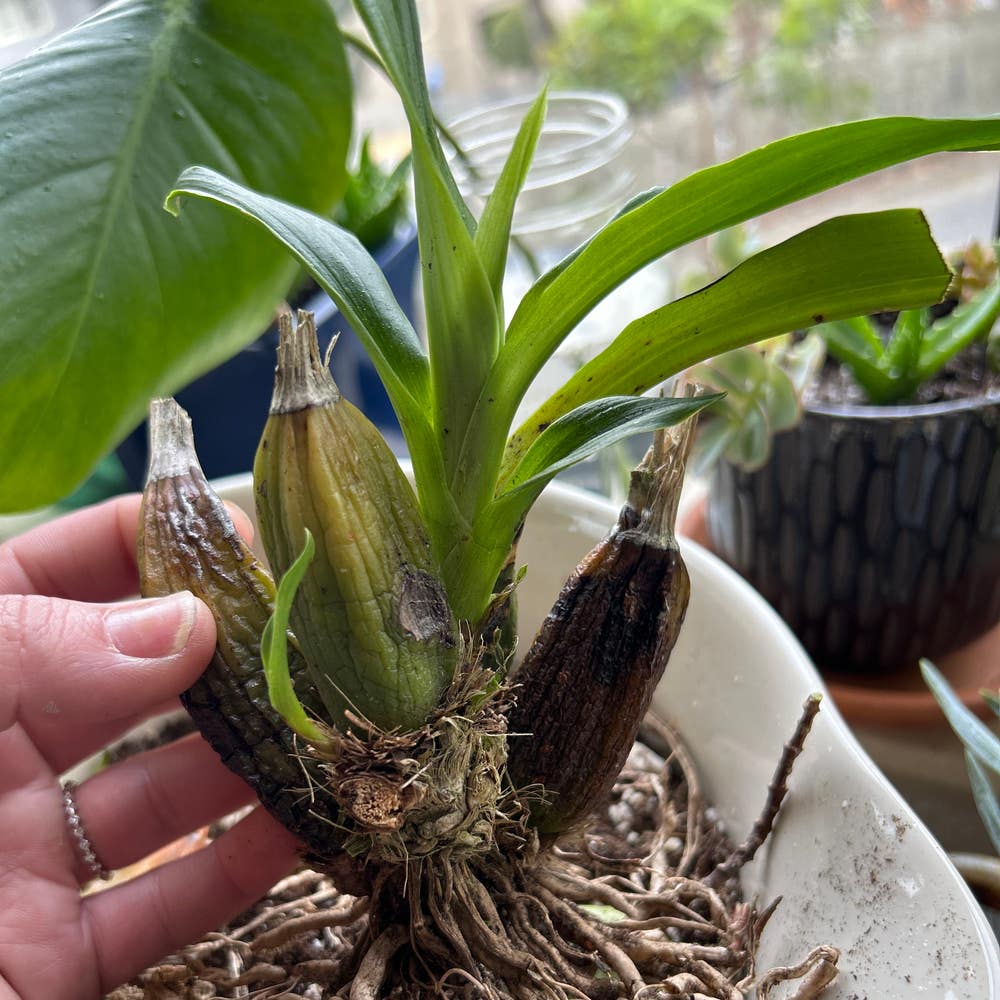
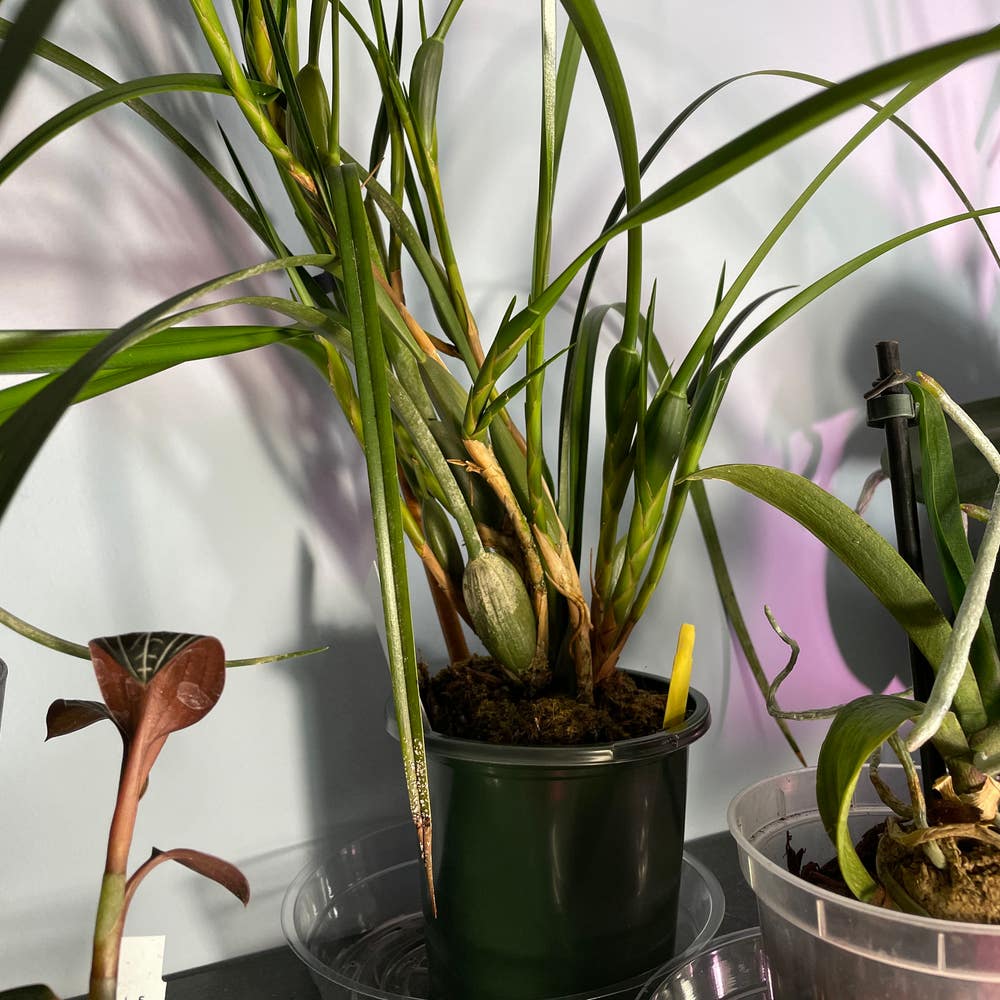
🌸 Ultimate Guide to Eulophia protearum
Eulophia protearum
By the Greg Editorial Team
Feb 27, 2025•9 min read
This article was created with the help of AI so we can cover more plants for you. May contain errors. See one? Report it here.
Elevate your garden with Eulophia protearum, a vibrant, low-maintenance plant that thrives in any setting! 🌼
- 🌞 Eulophia protearum thrives in full sun but tolerates partial shade for versatile gardening.
- 🌱 Optimal growth requires well-draining soil with a pH of 6.0 to 7.0.
- 💧 Water when the top inch is dry to promote strong root development.
How to Grow
Choosing a Location 🌍
When growing Eulophia protearum, light conditions are crucial. Ideally, these plants thrive in full sun but can tolerate partial shade, making them versatile for various garden setups.
Consider whether you're planting outdoors or in containers. Outdoor settings allow for more natural growth, while containers provide flexibility in location and care.
Soil Preparation 🏞️
Eulophia protearum prefers well-draining, fertile soil. Aim for a soil pH between 6.0 and 7.0, which is slightly acidic to neutral, ensuring optimal nutrient availability.
Planting Techniques 🌱
For planting bulbs, dig a hole about 2-3 inches deep. Space them 12-18 inches apart to allow for healthy growth and airflow.
Watering Requirements 💧
Water your plants when the top inch of soil feels dry. Deep watering is essential, as it encourages strong root development.
Fertilizing Schedule 🌿
Use a balanced NPK fertilizer, such as 10-10-10. Apply it every 4-6 weeks during the growing season to support robust growth.
Pruning Methods ✂️
Prune Eulophia protearum after flowering to maintain its health. Focus on removing any dead or damaged leaves to promote new growth.
Ongoing Care Tips 🔍
Regularly monitor moisture levels in the soil. Adjust your care routine based on seasonal changes to keep your plants thriving.
With these guidelines, you'll be well on your way to cultivating healthy Eulophia protearum. Next, let’s explore how to propagate this beautiful plant effectively.
Propagation
🌱 Seed Propagation
Collecting seeds from Eulophia protearum is best done when the seed pods are fully mature. This usually occurs in late summer to early fall, ensuring the seeds are ripe for germination.
For successful germination, provide a warm and humid environment. A temperature range of 70°F to 80°F is ideal, along with consistent moisture to encourage sprouting.
✂️ Division of Rhizomes
The best time to divide rhizomes is early spring, just before the growing season kicks off. This timing allows the plant to recover quickly and thrive in its new setup.
When dividing, use a sharp knife to cleanly separate the rhizomes. This minimizes damage and promotes healthy regrowth.
🪴 Offsets and Bulb Propagation
Identifying offsets is crucial for propagation. Look for small bulbs that have formed around the base of the parent plant; these are signs they are ready for separation.
When planting offsets, ensure they are placed at a depth of about 2-3 inches and spaced 12-18 inches apart. This spacing allows for adequate growth and air circulation, promoting a healthy plant.
With these propagation techniques, you can expand your Eulophia protearum collection and enjoy its beauty in multiple locations. Next, let’s explore the lifecycle of this fascinating plant.
Lifecycle
Lifecycle Stages 🌱
Eulophia protearum undergoes several distinct stages throughout its lifecycle. These include germination, seedling development, vegetative growth, flowering, and seed production.
Overall Lifespan ⏳
This plant typically has an overall lifespan of 3 to 5 years. With proper care, you can enjoy its beauty and benefits for several growing seasons.
Time to Full Maturity 🌼
Eulophia protearum reaches full maturity in approximately 2 to 3 years. During this time, it will showcase its stunning flowers and robust growth, rewarding your patience and care.
Understanding these lifecycle stages helps you provide the right care at each phase, ensuring your plant thrives. Next, let’s explore how to effectively propagate Eulophia protearum for even more vibrant blooms.
Size
Mature Height and Spread 🌱
Eulophia protearum typically reaches an average height of 12 to 24 inches. Its spread ranges from 12 to 18 inches, making it a compact yet visually appealing addition to your garden.
Growth Rate and Size Variability 📈
This plant exhibits a moderate growth rate, which can vary based on environmental conditions. Factors such as soil quality and light exposure play a significant role in determining its ultimate size.
Understanding these characteristics helps you plan your garden layout effectively. By providing optimal conditions, you can encourage Eulophia protearum to thrive and reach its full potential.
As we move forward, let’s explore the fascinating lifecycle of this resilient plant.
Roots
🌱 Root System Characteristics
Eulophia protearum features a unique root system composed of fleshy, fibrous roots. These roots are excellent at storing water, making the plant more resilient during dry spells.
⚠️ Common Root-Related Issues
One of the most common problems faced by Eulophia protearum is root rot, which typically occurs due to overwatering. Signs of unhealthy roots include a dark, mushy texture that indicates they are not thriving.
👀 Identifying Healthy vs. Unhealthy Roots
Healthy roots are firm and exhibit a white or light tan color. In contrast, unhealthy roots will appear dark, soft, or even emit a foul smell, signaling that something is wrong.
🌿 Recognizing Rootbound Plants
If you notice roots growing out of the drainage holes of your pot, your plant may be rootbound. The solution is simple: repot the plant into a larger container to give it room to grow and thrive.
Understanding the root system of Eulophia protearum is crucial for its overall health. By keeping an eye on root conditions, you can ensure your plant remains vibrant and flourishing.
Benefits
🌸 Top 5 Benefits of Eulophia protearum
Eulophia protearum is not just a pretty face in the garden; it offers a range of benefits that make it a fantastic choice for any gardener.
Attractive Flowers
The vibrant blooms of Eulophia protearum can elevate the aesthetics of any garden. Their unique appearance draws the eye and adds a splash of color.Drought Tolerance
Thanks to its fleshy roots, this plant is remarkably drought-tolerant. It can thrive even in dry conditions, making it a resilient addition to your landscape.Low Maintenance
Eulophia protearum is perfect for beginner gardeners. Its low maintenance requirements mean you can enjoy its beauty without constant care.Potential Medicinal Properties
In traditional practices, Eulophia protearum has been noted for its potential medicinal benefits. This adds an intriguing layer to its cultivation.Attracts Pollinators
The flowers are a magnet for pollinators, enhancing biodiversity in your garden. This not only supports local ecosystems but also leads to healthier plants.
These benefits make Eulophia protearum a worthy addition to any garden. Whether you're looking for beauty, resilience, or ecological support, this plant has it all.
As we explore further, let’s dive into the concept of companion planting and discover how Eulophia protearum can work harmoniously with other plants.
Companion Plants
Concept of Companion Planting 🌱
Companion planting is a gardening strategy that pairs plants together for mutual benefits. This method enhances pest management, promotes healthier growth, and increases overall garden diversity.
Best Companion Plants 🌼
When considering companions for Eulophia protearum, think about ferns, other orchids, and low-growing perennials. These plants share similar care needs and can help repel pests, creating a harmonious garden environment.
Plants to Avoid 🚫
Be cautious of plants that compete for nutrients and space. Avoid overcrowding your Eulophia protearum with aggressive growers that may hinder its development and overall health.
Incorporating the right companions can transform your garden into a thriving ecosystem. Next, let’s explore common problems that might arise while growing this beautiful plant.
Problems
🌱 Common Problems
1. Incorrect Watering
Watering issues are a common pitfall for many gardeners. Overwatering leads to wilting, while underwatering results in dry leaves; both can signal that adjustments are needed.
To remedy this, monitor the soil moisture regularly. Water only when the top inch of soil feels dry to the touch.
2. Incorrect Light Conditions
Light conditions can significantly impact the health of your Eulophia protearum. If you notice leggy growth or scorched leaves, it’s likely that the plant isn’t receiving the right amount of light.
Consider relocating your plant to a spot with more suitable lighting. Aim for a balance that provides ample sunlight without overwhelming the plant.
3. Incorrect Temperature
Temperature fluctuations can stunt growth or cause leaf drop. Eulophia protearum thrives in temperatures between 60°F and 80°F; anything outside this range can lead to stress.
Keep an eye on the temperature and make adjustments as necessary. A stable environment will promote healthier growth.
4. Diseases
Diseases like powdery mildew, rust, and black rot can plague your plants. These issues often arise from poor air circulation or high humidity.
To combat these diseases, improve airflow around your plants and consider applying fungicides if necessary. Regular monitoring can help catch problems early.
5. Leaf Issues
Yellowing leaves or fuzzy growth can indicate underlying problems. These symptoms often stem from incorrect watering practices or pest infestations.
Adjust your watering habits and inspect for pests to restore your plant's health. A little attention can go a long way in keeping your Eulophia protearum vibrant.
🌼 Conclusion
By being aware of these common problems and their solutions, you can ensure your Eulophia protearum thrives. With the right care, your plants will flourish, leading to a beautiful and resilient garden. Next, let’s explore potential pest issues that could affect your plants.
Bugs
Potential Pest Issues 🐜
Eulophia protearum is generally resilient to pests, but certain insects can still pose a threat. Keeping an eye out for these pests is crucial for maintaining plant health.
Identification of Common Pests 🔍
- Spider Mites: Look for fine webbing on leaves, often a sign of infestation.
- Mealybugs: These pests appear as white, cotton-like masses on stems, indicating they are feeding on your plant.
- Aphids: Small, green insects often found on new growth, they can quickly multiply and cause damage.
Damage Caused by Pests ⚠️
Pests can lead to several issues, including leaf curling, stunted growth, and an overall decline in plant health. Early detection is key to preventing severe damage.
Effective Treatment Options 💊
For pest control, consider these methods:
- Organic Methods: Neem oil and insecticidal soap are effective and environmentally friendly options.
- Chemical Options: For severe infestations, systemic insecticides can provide a more aggressive solution.
By staying vigilant and addressing pest issues promptly, you can ensure your Eulophia protearum thrives. Next, let’s explore what animals might be interested in munching on your plants.
What Eats
🦌 Common Animals
Eulophia protearum can attract a variety of hungry critters.
- Deer: Look for signs like chewed leaves and broken stems.
- Rabbits: They often nibble on the lower leaves, leaving noticeable bite marks.
- Squirrels: These little diggers may disturb the base of your plants.
⚠️ Types of Damage
These animals can cause significant harm to your plants.
- Browsing on Foliage: This leads to unsightly, ragged leaves.
- Uprooting Plants: Squirrels, in particular, can uproot young plants while foraging.
- Trampling: Larger animals like deer can trample over your garden, causing widespread damage.
🚫 Deterrent Methods
Protecting your Eulophia protearum from these pests is essential for healthy growth.
- Chemical Repellents: Consider using commercial deer and rabbit deterrents to keep them at bay.
- Organic Methods: Planting strong-smelling herbs or using physical barriers can effectively deter these animals without harming the environment.
By implementing these strategies, you can safeguard your plants and enjoy their beauty without the worry of unwanted visitors. Now, let’s explore how to tackle common problems that may arise in your garden.
⚠️ Safety First
This content is for general information and may contain errors, omissions, or outdated details. It is not medical, veterinary advice, or an endorsement of therapeutic claims.
Always consult a qualified healthcare professional before using any plant as food, medicine, or supplement.
Never eat any plant (or feed one to pets) without confirming its identity with at least two trusted sources.
If you suspect poisoning, call Poison Control (800) 222-1222, the Pet Poison Helpline (800) 213-6680, or your local emergency service immediately.
Spotted an error? Please report it here.
Grow a thriving Eulophia protearum 🌱 with Greg's tailored care reminders and expert tips to keep your plant healthy and attract pollinators!