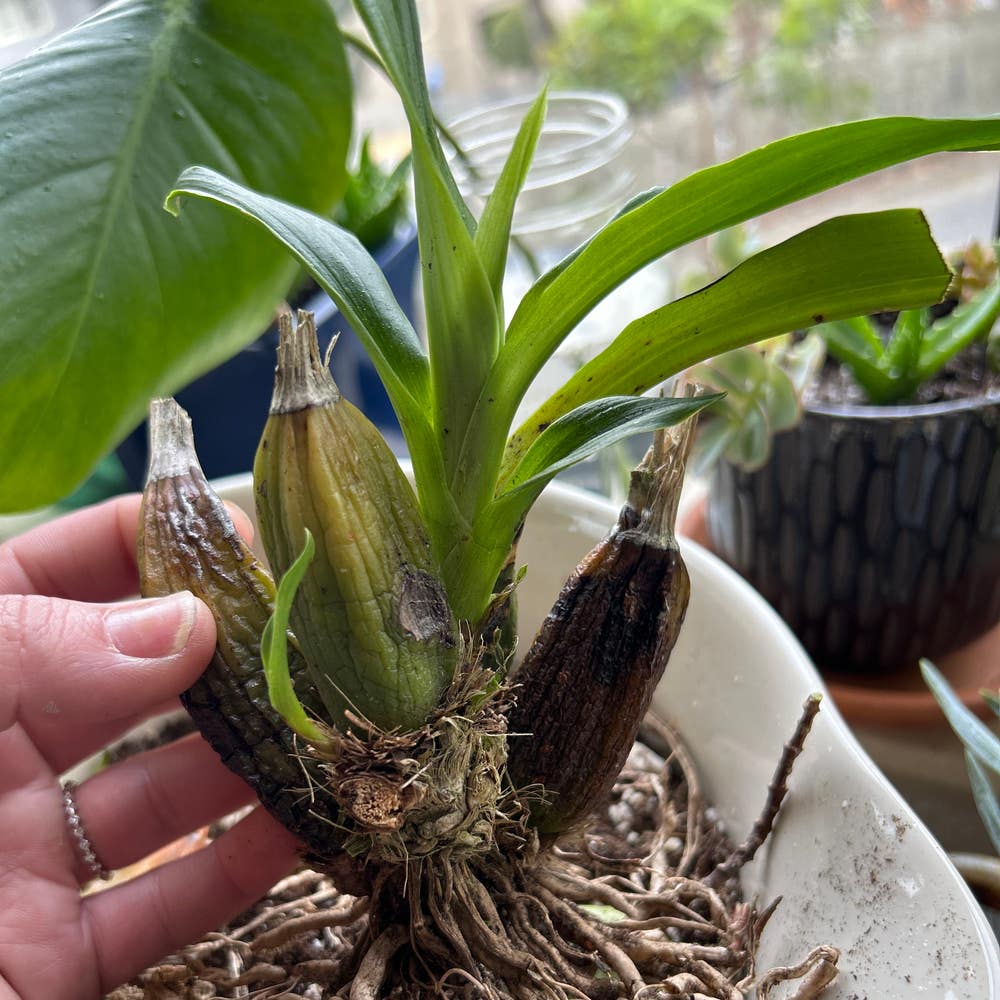
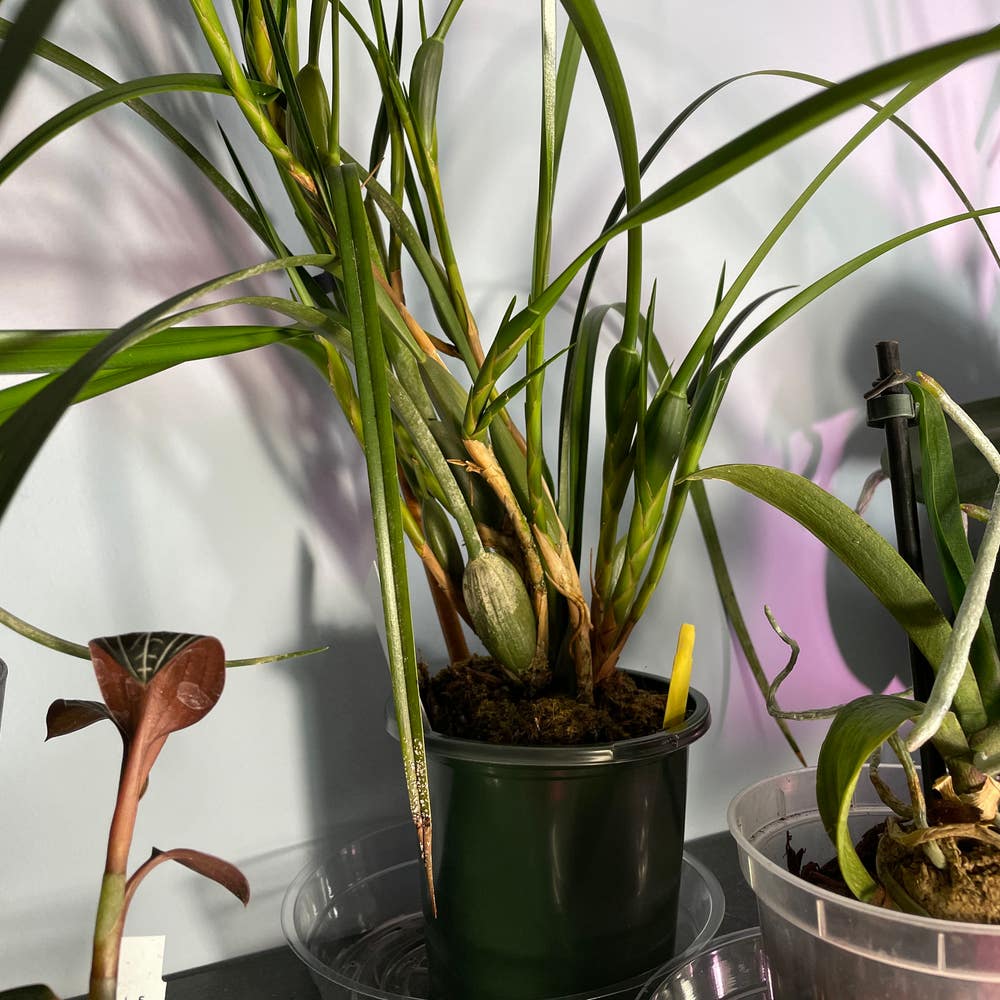
What is a Eulophia promensis? Complete Guide 🌸
Eulophia promensis
By the Greg Editorial Team
Feb 27, 2025•11 min read
This article was created with the help of AI so we can cover more plants for you. May contain errors. See one? Report it here.
Elevate your garden with Eulophia promensis, a vibrant orchid that thrives with minimal effort! 🌱
- 🌞 Eulophia promensis needs 4-6 hours of sunlight for optimal growth.
- 💧 Water when the top inch of soil is dry to promote healthy roots.
- 🌱 Use well-draining soil with pH 6.0-7.0 for best results.
How to Grow
🌞 Choosing a Location
Eulophia promensis thrives in a well-chosen location. Aim for full sun to partial shade, providing 4-6 hours of direct sunlight daily.
Warm temperatures are essential for growth, ideally between 20°C to 30°C (68°F to 86°F). Additionally, maintain high humidity levels, ideally between 50-70% relative humidity, to keep your plant happy.
🌱 Soil Preparation
The right soil is crucial for healthy growth. Use a well-draining mix rich in organic matter to support the plant's needs.
Aim for a slightly acidic to neutral soil pH, ideally between 6.0 to 7.0. To enhance drainage, consider incorporating perlite or sand into your soil mix.
🌿 Planting Techniques
When planting, ensure you dig a hole that allows for proper depth. Eulophia promensis should be planted 2-3 inches deep to establish a strong root system.
Spacing is equally important; place each plant 12-18 inches apart. This distance allows for adequate growth and airflow, preventing overcrowding.
💧 Watering Requirements
Watering is a key aspect of care. Check the top inch of soil; if it feels dry, it’s time to water.
When you do water, ensure you do so thoroughly until excess drains from the bottom. This method promotes deep root growth and prevents waterlogging.
🌼 Fertilizing Schedule
A balanced approach to fertilization will yield the best results. Use a balanced orchid fertilizer, such as a 20-20-20 mix.
Fertilize every 4-6 weeks during the growing season to provide essential nutrients. This schedule supports robust growth and vibrant blooms.
✂️ Pruning and Ongoing Care
Regular maintenance is vital for a thriving Eulophia promensis. Deadheading spent flowers encourages new blooms, keeping your plant looking fresh.
Additionally, routinely check for pests and diseases. Adjust your care as needed to ensure your plant remains healthy and vibrant.
This comprehensive care guide sets you up for success with your Eulophia promensis. Next, let’s explore how to propagate this beautiful plant for even more growth opportunities!
Propagation
🌱 Seed Propagation
To propagate Eulophia promensis from seeds, start with a sterile medium that maintains specific humidity levels. This process is crucial, as germination typically takes 2-4 weeks, so patience is key.
✂️ Division of Established Plants
Dividing established plants is best done in spring or early summer when the plant is actively growing. Carefully separate the rhizomes, ensuring that each division has roots to promote successful growth in its new location.
Propagation can be a rewarding experience, allowing you to expand your collection or share with friends. With the right techniques, you can enjoy the beauty of Eulophia promensis in multiple spots around your garden.
Next, let's explore the lifecycle of this fascinating plant and understand its growth stages.
Lifecycle
Lifecycle Stages 🌱
Eulophia promensis undergoes several distinct stages throughout its lifecycle. These include seed or cutting, germination, seedling stage, vegetative growth, flowering, and seed production.
Lifespan ⏳
Under optimal conditions, Eulophia promensis can thrive for several years. This longevity allows gardeners to enjoy its beauty and benefits over time.
Growth Timeline 📅
Typically, it takes about 2-3 years for Eulophia promensis to reach full maturity. This growth timeline is essential for planning and anticipating the plant's development in your garden.
Transitioning from the lifecycle of Eulophia promensis, let's explore its size and growth characteristics next.
Size
Mature Height and Spread 🌱
Eulophia promensis reaches a mature height of 30 to 60 cm (12 to 24 inches) and can spread between 30 to 45 cm (12 to 18 inches). This size makes it a versatile choice for various garden settings, providing a striking visual without overwhelming smaller spaces.
Growth Rate and Size Variability 📈
The growth rate of Eulophia promensis is moderate, meaning it won't take over your garden but will still make a noticeable impact. Size variability can occur due to factors like soil quality and light exposure, so optimal conditions can lead to more robust plants.
Understanding these size characteristics helps you plan your garden layout effectively. With the right care, you can enjoy the beauty of Eulophia promensis while ensuring it fits harmoniously into your landscape.
Next, let’s explore the fascinating lifecycle of this plant and how it develops over time.
Roots
🌱 Characteristics of the Root System
Eulophia promensis features a rhizomatous root system, which is essential for its growth and stability. Typically, the roots extend between 6 to 12 inches deep and can spread laterally up to 12 inches, allowing the plant to access nutrients and water effectively.
⚠️ Common Root-Related Issues
Root health is crucial for the overall vitality of Eulophia promensis. Overwatering can lead to root rot, characterized by mushy roots, while a rootbound condition occurs when the roots fill the pot, resulting in stunted growth.
👀 Visual Cues for Healthy vs. Unhealthy Roots
Identifying root health is straightforward. Healthy roots are firm and exhibit a white or light tan color, while unhealthy roots appear dark, mushy, or may emit a foul smell.
🛠️ Solutions for Root Problems
To prevent root rot, ensure proper drainage and avoid overwatering your plant. If you notice rootbound symptoms, it's time to repot into a larger container to give your Eulophia promensis the space it needs to thrive.
Understanding the root system and its care is vital for the success of your Eulophia promensis. With proper attention, you can cultivate a robust plant that flourishes beautifully.
Benefits
Top 5 Benefits 🌟
Eulophia promensis is not just another plant; it brings a host of benefits to any garden or landscape. Here are the top five reasons to consider adding this stunning orchid to your collection.
1. Attractive Flowers
The vibrant blooms of Eulophia promensis add a splash of color and visual appeal to gardens. Their unique shape and striking hues can elevate the aesthetic of any outdoor space.
2. Pollinator-Friendly
This orchid is a magnet for bees and other beneficial insects. By planting Eulophia promensis, you contribute to a healthier ecosystem and support local pollinator populations.
3. Low Maintenance
Once established, Eulophia promensis requires minimal care. Its resilience makes it an ideal choice for both novice and experienced gardeners looking for a hassle-free addition.
4. Unique Aesthetic
The distinctive flowering spikes of Eulophia promensis enhance garden diversity. This plant stands out, making it a conversation starter among gardening enthusiasts.
5. Cultural Significance
Valued in various cultures for its beauty and symbolism, Eulophia promensis carries a rich heritage. Incorporating it into your garden can connect you to traditions and stories from around the world.
Incorporating Eulophia promensis into your garden not only beautifies your space but also supports biodiversity and cultural appreciation. Next, let’s explore the best companion plants that thrive alongside this remarkable orchid.
Companion Plants
👫 Explanation of Companion Planting
Companion planting is a gardening technique that enhances diversity and promotes healthy growth. By pairing plants with complementary needs, you can improve pest management and create a more vibrant garden ecosystem.
🌱 Best Companion Plants
When choosing companions for Eulophia promensis, consider ferns, other orchids, and shade-tolerant perennials. These plants share similar care requirements and thrive under comparable conditions, making them ideal partners.
🚫 Plants to Avoid
It's best to steer clear of heavy feeders or plants that have different watering needs. These plants can compete for nutrients and water, potentially leading to poor growth for your Eulophia promensis.
By selecting the right companions, you can create a flourishing garden that supports the health and beauty of your Eulophia promensis. Next, let’s explore the potential toxicity of this plant to humans, dogs, and cats.
Toxicity to Humans
Eulophia promensis is generally safe and is not listed as toxic by major poison control centers. This means you can enjoy its beauty without worrying too much about harmful effects.
However, it's worth noting that there can be minor issues. Some individuals might experience mild skin irritation or digestive discomfort if they consume large quantities of the plant.
⚠️ Caution is Key
Always exercise caution with any plant. If you notice unusual symptoms after contact or ingestion, it's best to seek medical advice.
In summary, while Eulophia promensis is not toxic, a little mindfulness goes a long way in ensuring a safe and enjoyable gardening experience. Now, let’s explore its effects on our furry friends!
Toxicity to Dogs
Eulophia promensis is generally safe for dogs, as it is not listed as toxic by major pet poison control centers. However, if your furry friend indulges in a bit too much of this plant, they might experience mild gastrointestinal upset.
⚠️ Precautionary Measures
To keep your curious canine safe, consider placing the plant out of reach. It's also wise to monitor their behavior around new plants, ensuring they don't munch on anything they shouldn't.
By taking these simple steps, you can enjoy the beauty of Eulophia promensis in your garden without worrying about your dog's health. Now, let's explore how this plant interacts with our feline friends.
Toxicity to Cats
Eulophia promensis is considered safe for cats, as it is not listed as toxic by major pet poison control centers. However, it's important to note that excessive consumption may lead to mild gastrointestinal upset.
🛡️ Precautionary Measures
To keep your feline friends safe, position these plants where they can't easily access them. Regularly monitor your cats for any unusual behavior, especially if they show interest in the plant.
💭 Final Thoughts
While Eulophia promensis adds beauty to your home, being mindful of your pets is essential. With a little care, you can enjoy this stunning plant without worry.
Next, let’s explore the common problems that can arise when caring for Eulophia promensis.
Problems
Common Problems Faced 🌱
Growing Eulophia promensis can be rewarding, but it’s not without its challenges. Understanding these common problems will help you keep your plant thriving.
Incorrect Watering 🚰
Watering issues are among the most frequent problems. If your plant is underwatered, you’ll notice wilting leaves, while overwatering leads to yellowing foliage.
Incorrect Light Conditions 💡
Light plays a crucial role in plant health. Insufficient light can cause leggy growth, whereas too much direct sunlight may scorch the leaves.
Incorrect Temperature 🌡️
Temperature fluctuations can stress your Eulophia promensis. Signs of stress include leaf drop or stunted growth, indicating that the plant is unhappy with its environment.
Diseases 🦠
Diseases can also plague your plant. Common issues include powdery mildew, which appears as a white coating, and root rot, often resulting from overwatering.
Growth Problems 📉
Finally, growth problems can manifest in various ways. A lack of flowering or leggy growth can signal that your plant isn’t receiving the care it needs.
By recognizing these issues early, you can take action to ensure your Eulophia promensis remains healthy and vibrant. Next, let’s explore the pests that might threaten your plant’s well-being.
Bugs
🐛 Potential Pest Issues
Eulophia promensis is moderately resistant to pests, but that doesn't mean it's invincible. Certain pests can still pose a threat, so it's essential to keep an eye out for any signs of infestation.
🕷️ Relevant Pests
Spider Mites
Look for webbing and stippled leaves, which are telltale signs of spider mites. Treat them promptly with insecticidal soap to prevent further damage.
🐞 Scale Insects
Scale insects can be identified by their sticky residue and the bumps they leave on stems. Neem oil is effective in resolving these pesky invaders.
🧼 Mealybugs
If you notice cotton-like masses on your plant, mealybugs are likely the culprits. A simple treatment with alcohol wipes can help eliminate them.
🌿 Aphids
Curled leaves are a common indicator of aphid activity. Combat these pests with insecticidal soap for a quick resolution.
🦋 Whiteflies
Tiny white insects flitting around your plant? That's a sign of whiteflies. Yellow sticky traps can effectively catch and control their population.
By staying vigilant and addressing these pest issues promptly, you can ensure your Eulophia promensis thrives. Next, let's explore what animals might be interested in snacking on your beautiful plant.
What Eats Eulophia promensis
🦌 Common Animals That May Damage
Eulophia promensis can attract a variety of garden visitors, some of whom may cause damage.
- Deer: Look for signs like chewed leaves and broken stems.
- Rabbits: These critters leave behind clipped stems and missing foliage.
- Squirrels: You might notice digging around the base of the plant.
- Birds: Damage manifests as pecked flowers or seeds.
- Rodents: Keep an eye out for burrowing and gnaw marks on stems.
🚫 Deterrent Methods
Protecting your Eulophia promensis from these hungry animals is essential for its health.
- Chemical methods: Consider using repellents or sprays specifically designed for garden pests.
- Organic methods: Barriers like fencing or netting can be effective, as well as companion planting to deter these animals naturally.
By implementing these strategies, you can help ensure your Eulophia promensis thrives without unwanted visitors. Next, let's explore common problems faced by this resilient plant.
⚠️ Safety First
This content is for general information and may contain errors, omissions, or outdated details. It is not medical, veterinary advice, or an endorsement of therapeutic claims.
Always consult a qualified healthcare professional before using any plant as food, medicine, or supplement.
Never eat any plant (or feed one to pets) without confirming its identity with at least two trusted sources.
If you suspect poisoning, call Poison Control (800) 222-1222, the Pet Poison Helpline (800) 213-6680, or your local emergency service immediately.
Spotted an error? Please report it here.
Grow your Eulophia promensis like a pro 🌱 with Greg's personalized care tips and watering reminders, ensuring a vibrant and thriving addition to your garden!