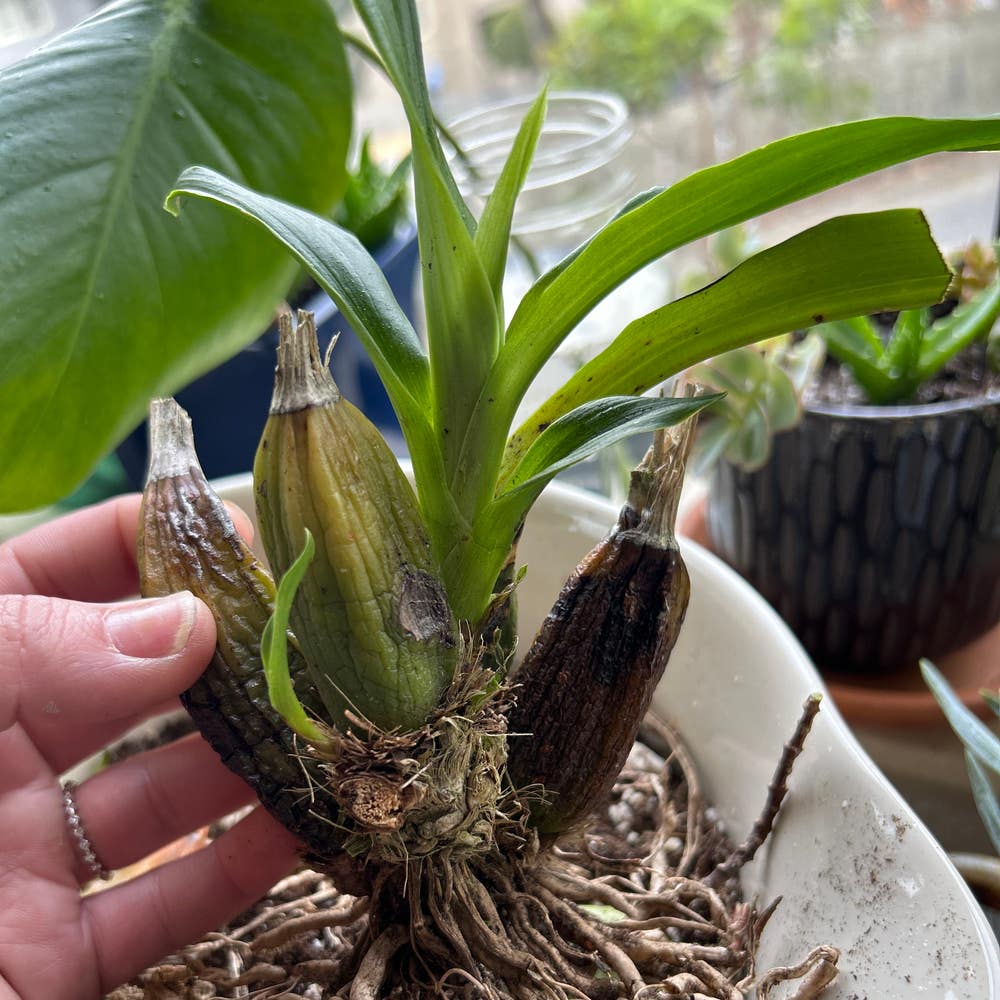
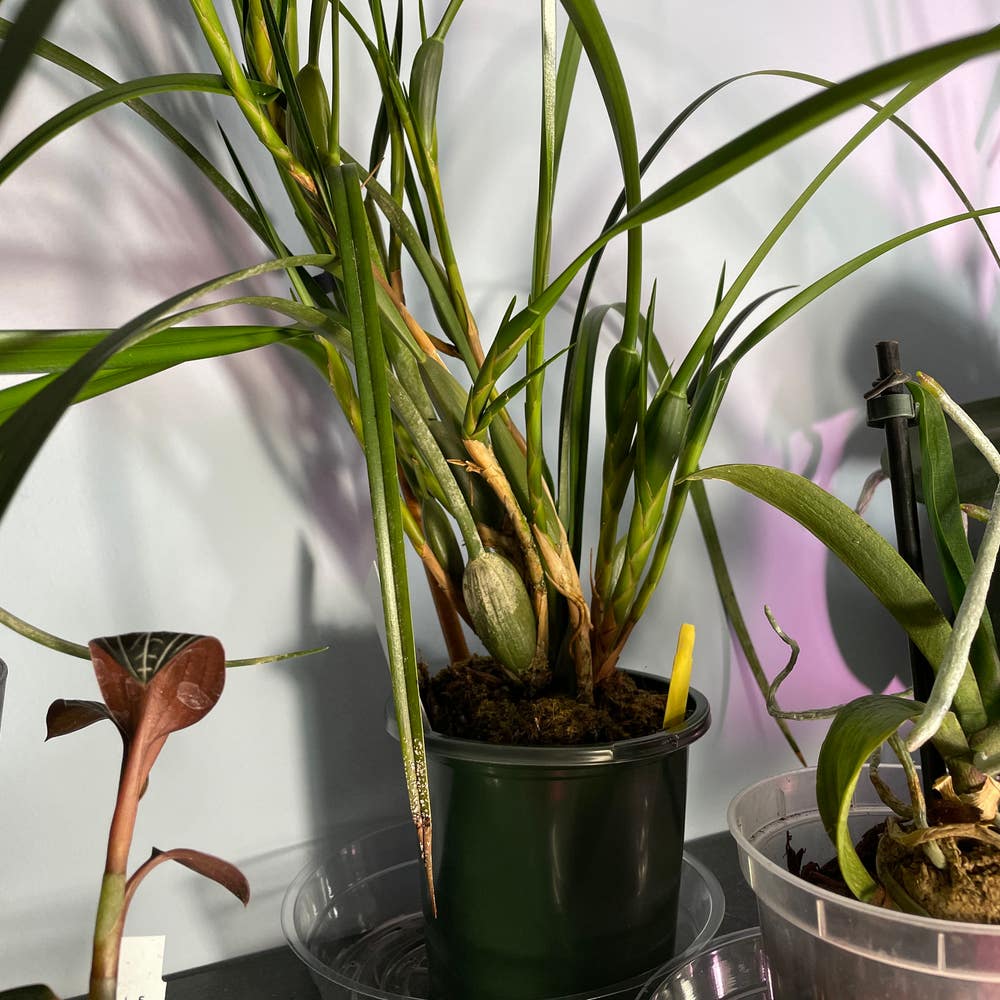
Ultimate Guide to Eulophia poiformis 🌸
Eulophia poiformis
By the Greg Editorial Team
Feb 27, 2025•9 min read
This article was created with the help of AI so we can cover more plants for you. May contain errors. See one? Report it here.
Elevate your garden's beauty and biodiversity with Eulophia poiformis, a resilient plant that thrives with ease! 🌱
- 🌡️ Eulophia poiformis thrives in warm, humid climates between 20°C to 30°C (68°F to 86°F).
- 🌱 Use well-draining, loamy soil with a pH of 6.0 to 7.0 for optimal growth.
- 💧 Regular watering is crucial; keep soil moist but avoid sogginess to prevent root rot.
How to Grow Eulophia poiformis
🌞 Choosing a Location
Eulophia poiformis thrives in a variety of light conditions, from full sun to partial shade. Aim for a warm climate, ideally between 20°C to 30°C (68°F to 86°F), and ensure moderate to high humidity for optimal growth.
🌱 Soil Preparation
For soil, choose well-draining, loamy types that provide a balanced environment. The ideal pH should be slightly acidic to neutral, ranging from 6.0 to 7.0, to promote healthy root development and prevent issues like root rot.
🌿 Planting
When planting, dig holes about 5-10 cm (2-4 inches) deep. Space your plants 30-45 cm (12-18 inches) apart to allow them room to grow and flourish.
💧 Watering
Keep the soil consistently moist but not soggy by watering regularly. Direct water at the base of the plant to avoid wetting the foliage, which can lead to fungal issues.
🌼 Fertilizing
Use a balanced NPK fertilizer, such as 10-10-10, to nourish your plants. Fertilize every 4-6 weeks during the growing season to support robust growth and flowering.
✂️ Pruning
Prune Eulophia poiformis after flowering to encourage new growth. Focus on removing spent flowers and any dead or damaged leaves to keep the plant healthy.
🔍 Ongoing Care
Regularly monitor your plants for signs of stress or disease, such as wilting or discoloration. Adjust your care routine based on seasonal changes; for example, reduce watering during dormancy to prevent overwatering.
By following these guidelines, you’ll create a thriving environment for Eulophia poiformis, ensuring it flourishes beautifully in your garden. Next, let’s explore how to propagate this stunning plant for even more blooms!
Propagation
🌱 Seed Propagation
To start your Eulophia poiformis from seeds, begin by soaking them in water for 24 hours. This simple step helps kickstart the germination process, setting the stage for healthy growth.
For optimal germination, provide a warm and humid environment. This creates the perfect conditions for your seeds to sprout and thrive.
🔄 Division of Bulbs
Dividing bulbs is a great way to propagate Eulophia poiformis, and the best time to do this is in early spring or fall. Timing is crucial, as it allows the plant to recover and establish itself before the growing season.
When dividing, carefully separate the bulbs and replant them immediately. This minimizes stress on the plants and encourages quicker establishment.
✂️ Offsets and Cuttings
Offsets are another effective method for propagation. To take offsets, gently remove them from the parent plant, ensuring you don’t damage the roots.
Once you have your offsets, plant them in well-draining soil and water lightly. This method is straightforward and can lead to a flourishing new plant in no time.
With these propagation techniques, you can expand your Eulophia poiformis collection and enjoy the beauty of these unique plants in your garden. Next, let’s explore the lifecycle of Eulophia poiformis and understand its growth stages.
Lifecycle
Stages of Growth 🌱
Eulophia poiformis undergoes several distinct stages throughout its lifecycle. It begins with seed or cutting, followed by germination, seedling development, vegetative growth, flowering, and ultimately seed production.
Lifespan 🌳
This resilient plant can thrive for several years, making it a long-term addition to your garden. With proper care, you can enjoy its beauty and benefits for many seasons.
Growth Rate ⏳
Typically, Eulophia poiformis takes about 2-3 years to reach full maturity. Patience is key, as the wait will reward you with stunning blooms and a flourishing plant.
As you nurture your Eulophia poiformis, understanding its lifecycle will help you provide the best care possible. Next, let’s explore how to propagate this remarkable plant for even more growth opportunities.
Size
Mature Dimensions 🌱
Eulophia poiformis can reach impressive heights, growing up to 60 cm (24 inches). Its spread typically ranges from 30 to 45 cm (12 to 18 inches), making it a striking addition to any garden.
Growth Rate Influences 🌞
The growth rate of Eulophia poiformis is significantly influenced by environmental factors. Adequate light, consistent watering, and well-prepared soil are crucial for optimal growth.
This orchid thrives when given the right conditions, so pay attention to its needs to ensure a flourishing plant. With proper care, you can expect it to reach full maturity in about 2-3 years, rewarding you with its beautiful blooms.
As you nurture your Eulophia poiformis, remember that its size and health are reflections of your gardening efforts. Transitioning to the next section, let’s explore the fascinating lifecycle of this resilient plant.
Roots
🌱 Root System Characteristics
Eulophia poiformis features a bulbous root system complemented by fibrous roots. This structure allows the plant to store nutrients and water efficiently, supporting its growth.
📏 Depth of Roots
Typically, the roots extend between 15 to 30 cm (6 to 12 inches) deep. This depth helps anchor the plant while providing stability in various soil conditions.
⚠️ Common Issues
Despite its resilience, Eulophia poiformis can face challenges with its roots. Common issues include root rot, which manifests as mushy roots, and becoming rootbound, leading to stunted growth.
🛠️ Prevention and Care
To prevent these problems, ensure proper drainage and avoid overwatering. Regularly check the root system for signs of distress to maintain a healthy plant.
Understanding the root system is crucial for the overall health of Eulophia poiformis. With the right care, these roots will thrive, supporting the plant's vibrant growth and beauty.
Next, let’s explore the benefits of growing Eulophia poiformis and why it’s a fantastic addition to your garden.
Benefits
Advantages of Growing Eulophia poiformis 🌼
Eulophia poiformis offers a variety of benefits that make it a fantastic addition to any garden.
Ornamental Appeal
The striking flowers of Eulophia poiformis enhance garden aesthetics, adding vibrant colors and unique shapes that catch the eye. This plant can serve as a focal point or complement other blooms beautifully.
Pollinator Attraction
These flowers are not just pretty; they attract essential pollinators like bees and butterflies. By planting Eulophia poiformis, you contribute to a healthier ecosystem and support local wildlife.
Medicinal Properties
In some cultures, Eulophia poiformis is valued for its medicinal properties. It has been used in traditional medicine, showcasing its versatility beyond mere decoration.
Drought Tolerance
Once established, this plant exhibits impressive drought tolerance. It requires less water than many other garden plants, making it an excellent choice for sustainable gardening.
Soil Improvement
The bulbous roots of Eulophia poiformis help aerate and enrich the soil. This not only benefits the plant itself but also improves the overall health of your garden's ecosystem.
Incorporating Eulophia poiformis into your garden not only beautifies your space but also supports biodiversity and enhances soil health. Next, let’s explore how to propagate this remarkable plant for even more gardening success.
Companion Plants
Best Companions 🌱
Planting Eulophia poiformis alongside compatible species can create a thriving garden ecosystem. This practice not only enhances growth but also provides mutual benefits for all plants involved.
Good Companions
Marigolds are excellent companions for Eulophia poiformis. They naturally repel pests, making them a protective ally in your garden. Additionally, native plants that attract pollinators can enhance the overall health of your garden.
Poor Companions
On the flip side, be cautious of plants that compete for nutrients or attract pests. Avoid planting Eulophia poiformis near species that may hinder its growth or introduce unwanted insects.
By choosing the right companions, you can cultivate a vibrant garden that supports both Eulophia poiformis and its neighboring plants. This thoughtful approach not only boosts aesthetics but also fosters a healthier growing environment.
Next, let’s explore common problems that may arise while growing Eulophia poiformis and how to tackle them effectively.
Problems
🌱 Common Issues
Growing Eulophia poiformis can be rewarding, but it's essential to be aware of potential problems that may arise. Addressing these issues promptly can help maintain the health of your plants.
💧 Overwatering
One of the most common pitfalls is overwatering. Symptoms include yellowing leaves and root rot, which can quickly lead to plant decline if not corrected.
☀️ Incorrect Light Conditions
Another critical factor is light exposure. If your Eulophia poiformis is not receiving the right amount of light, you might notice leggy growth or scorched leaves, indicating stress from inadequate or excessive sunlight.
🦠 Diseases
Fungal diseases can also pose a threat. Conditions like powdery mildew and black rot can develop, especially in humid environments, so keep an eye out for any unusual spots or growths on the leaves.
🛡️ Prevention and Care
To prevent these issues, ensure proper watering practices, monitor light conditions, and maintain good air circulation around your plants. Regular checks can help you catch problems early, allowing for timely intervention.
By staying vigilant and proactive, you can enjoy the beauty of Eulophia poiformis without the hassle of common gardening woes. Next, let’s explore how to effectively propagate this stunning plant for even more garden enjoyment.
Bugs
🐛 Pest Issues
Eulophia poiformis can face several pest challenges that may hinder its growth. The most common culprits include spider mites, scale insects, and mealybugs.
🔍 Identifying Pests
Recognizing the signs of these pests is crucial for effective management. Look for webbing, sticky residue on leaves, and cotton-like masses, which indicate an infestation.
🧴 Treatment Options
To combat these pests, consider increasing humidity around your plants, as many pests thrive in dry conditions. You can also use insecticidal soap or apply horticultural oil to effectively eliminate these unwanted visitors.
🛡️ Preventive Measures
Maintaining a healthy environment for your Eulophia poiformis is key. Regularly inspect your plants and keep them well-hydrated to minimize stress, making them less susceptible to pests.
📜 Conclusion
By staying vigilant and employing these treatment options, you can protect your Eulophia poiformis from pest issues. This proactive approach will ensure your plants thrive and continue to beautify your garden.
What Eats Eulophia poiformis
🦌 Animal Damage
Eulophia poiformis can attract a variety of garden animals that may cause damage. Common culprits include deer, rabbits, and squirrels, all of which find the plant's foliage appealing.
🔍 Signs of Presence
Identifying animal damage is crucial for timely intervention. Look for chewed leaves, broken stems, and even tracks around your plants, which indicate that these critters have been feasting on your Eulophia.
🚫 Deterrent Methods
To protect your plants, consider using commercial repellents designed to deter these animals. Alternatively, homemade solutions like garlic spray can be effective, along with physical barriers such as fencing to keep them at bay.
By staying vigilant and employing these strategies, you can safeguard your Eulophia poiformis from unwanted nibblers. Next, let’s explore common problems that may arise while growing this beautiful plant.
⚠️ Safety First
This content is for general information and may contain errors, omissions, or outdated details. It is not medical, veterinary advice, or an endorsement of therapeutic claims.
Always consult a qualified healthcare professional before using any plant as food, medicine, or supplement.
Never eat any plant (or feed one to pets) without confirming its identity with at least two trusted sources.
If you suspect poisoning, call Poison Control (800) 222-1222, the Pet Poison Helpline (800) 213-6680, or your local emergency service immediately.
Spotted an error? Please report it here.
Cultivating Eulophia poiformis is a breeze 🌱 with Greg's tailored care reminders and community support to help you navigate its unique needs for thriving growth!