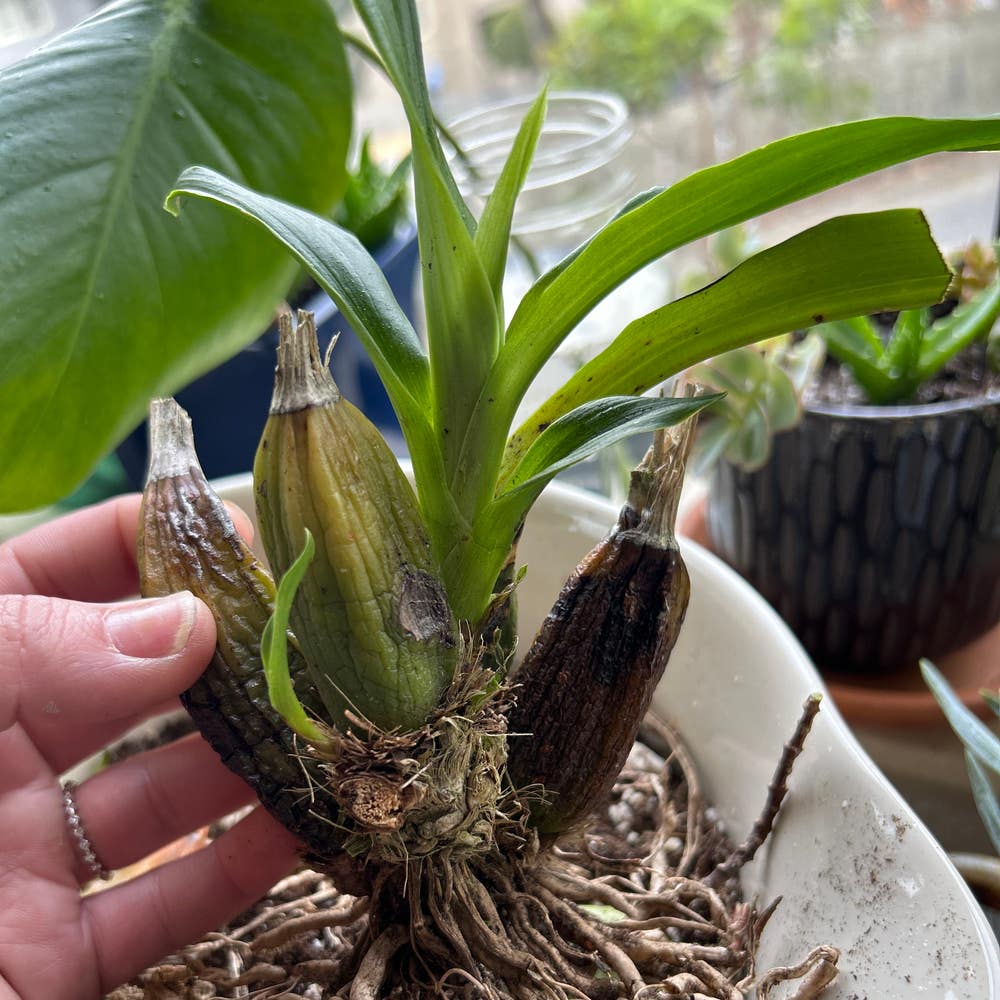
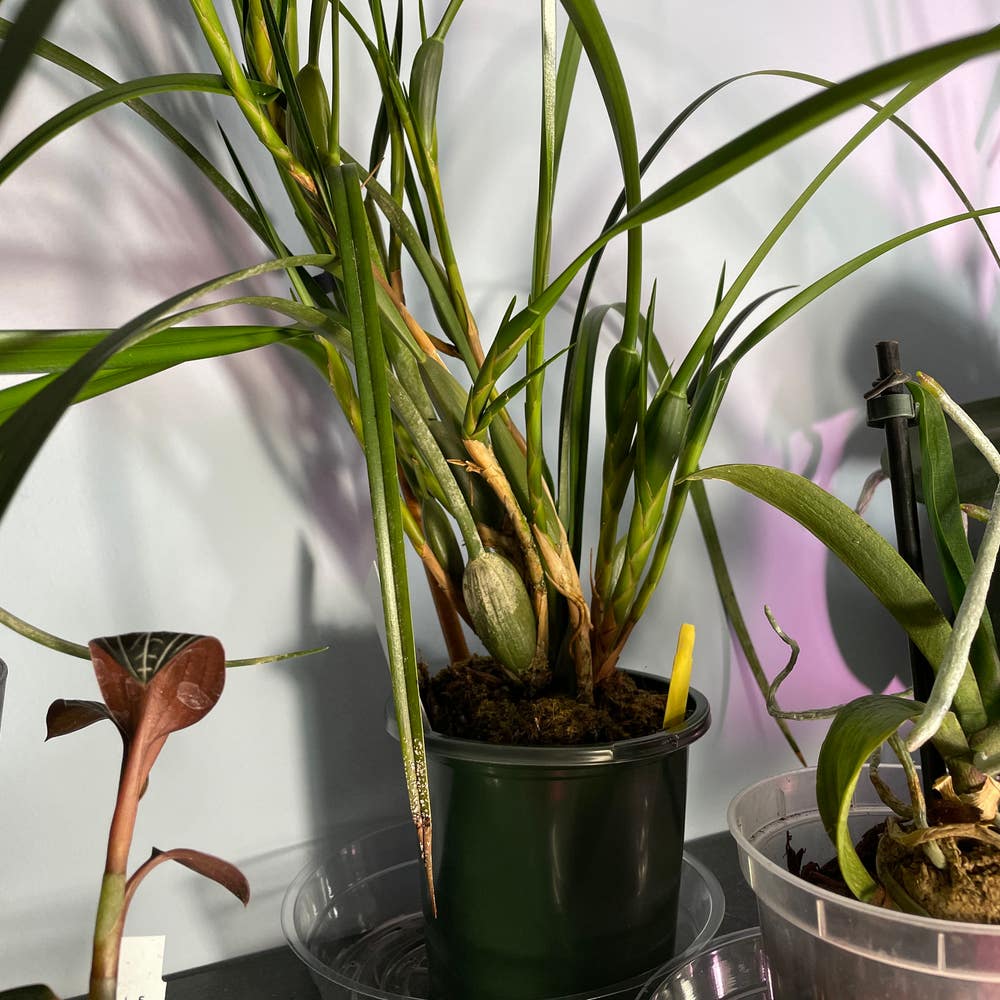
Everything You Need to Know About Eulophia petiolata
Eulophia petiolata
By the Greg Editorial Team
Feb 27, 2025•12 min read
This article was created with the help of AI so we can cover more plants for you. May contain errors. See one? Report it here.
- 🌞 Eulophia petiolata thrives in partial shade to full sun; choose its location wisely.
- 🌱 Well-draining, fertile soil with pH 6.0-7.5 is essential for optimal growth.
- 💧 Consistent moisture without waterlogging prevents root rot and promotes healthy development.
How to Grow
🌍 Choosing a location
Selecting the right location for your Eulophia petiolata is crucial for its growth. This plant thrives in partial shade to full sun, so consider the light conditions in your garden or container.
When deciding between outdoor or container placement, think about the plant's space requirements and your local climate. Containers offer flexibility, while outdoor planting can provide more room for growth.
🌱 Soil preparation
Eulophia petiolata prefers well-draining, fertile soil to flourish. Aim for a soil pH range of 6.0 to 7.5 to create the ideal environment for your plant.
Before planting, enrich the soil with organic matter to enhance fertility. This preparation will set a strong foundation for your plant's growth.
🌿 Planting techniques
When planting Eulophia petiolata, ensure you place the rhizomes at a depth of 2-3 inches. This depth allows for proper root establishment and growth.
For outdoor planting, maintain a spacing of 12-18 inches between each plant. This spacing promotes healthy air circulation and reduces competition for nutrients.
💧 Watering and fertilizing
Keep the soil consistently moist, but avoid waterlogging your Eulophia petiolata. Regular watering helps maintain optimal growth conditions.
During the growing season, fertilize every 4-6 weeks with a balanced NPK fertilizer. This routine will provide essential nutrients and support vibrant growth.
✂️ Pruning and ongoing care
Regular pruning is essential for maintaining the health of your Eulophia petiolata. Remove any dead or damaged leaves to encourage new growth.
Ongoing care involves monitoring for pests and diseases. Stay vigilant, as early detection can prevent larger issues down the line.
With these tips, you’re well on your way to successfully growing Eulophia petiolata. Next, let’s explore how to propagate this beautiful plant for even more greenery in your garden!
Propagation
🌱 Methods
Propagation of Eulophia petiolata can be achieved through two primary methods: seed propagation and division of rhizomes. Each method has its own timing and conditions for success.
🌼 Seed Propagation
For seed propagation, timing is crucial. Aim to sow seeds in early spring when temperatures begin to warm up, as this encourages germination.
Germination conditions are equally important. Keep the seeds in a warm, moist environment, ideally around 70°F (21°C), and ensure they receive indirect light.
✂️ Division of Rhizomes
Dividing rhizomes is another effective propagation method. The best time to divide is during the plant's dormant season, typically in late fall or early spring.
To successfully divide rhizomes, follow these steps:
- Carefully dig up the plant, ensuring minimal damage to the roots.
- Use a clean, sharp knife to cut the rhizomes into sections, each with at least one growing bud.
- Replant the sections immediately to minimize stress.
📝 Tips for Successful Propagation
Moisture is key for successful propagation, whether you're working with seeds or rhizomes. Keep the soil consistently moist but not soggy to promote healthy growth.
Additionally, having the right tools can make a significant difference. Use sterilized pots and soil to prevent disease and ensure a healthy start for your new plants.
With these methods and tips, you'll be well on your way to propagating Eulophia petiolata successfully. This not only expands your garden but also deepens your connection with this beautiful plant.
Next, let's explore the lifecycle of Eulophia petiolata and understand its growth stages.
Lifecycle
Overview 🌱
Eulophia petiolata has a fascinating lifecycle that unfolds in distinct stages. It begins with germination, where seeds sprout and establish roots, followed by the seedling phase, which sets the foundation for future growth.
As the plant transitions into vegetative growth, it develops leaves and stems, preparing for the next exciting phase: flowering. This is when Eulophia petiolata showcases its stunning blooms, attracting pollinators and adding beauty to your garden.
After flowering, the plant enters the seed production stage, ensuring its legacy continues. With an average lifespan of 5 to 10 years, Eulophia petiolata grows steadily, reaching its full potential in about 2 to 3 years.
Understanding these stages not only enhances your gardening experience but also helps you appreciate the resilience and adaptability of this remarkable plant. As you nurture it through its lifecycle, you'll witness the beauty of nature's rhythms firsthand.
Next, let’s explore the growth habits of Eulophia petiolata and how to maximize its potential in your garden.
Size
🌱 Growth habits
Eulophia petiolata typically reaches an average mature height of 12 to 24 inches, with a spread of 12 to 18 inches. This plant's growth can vary significantly depending on the conditions it is grown in, such as light, soil quality, and watering practices.
⏳ Time to Maturity
It takes approximately 2 to 3 years for Eulophia petiolata to reach its full size. During this period, providing optimal care will ensure robust growth and vibrant blooms.
📏 Factors Influencing Size
Several factors can influence the size of Eulophia petiolata. These include:
- Light Conditions: Adequate sunlight can enhance growth.
- Soil Quality: Well-draining, fertile soil promotes healthy root development.
- Watering Practices: Consistent moisture without waterlogging is key.
Understanding these elements will help you cultivate a thriving Eulophia petiolata that showcases its full potential.
As you plan your garden, consider how these growth habits will fit into your overall landscape design. Next, let’s explore the fascinating lifecycle of this resilient plant.
Roots
🌱 Characteristics of Eulophia petiolata Roots
Eulophia petiolata features a rhizomatous root system, which plays a crucial role in its growth and stability. These underground stems store nutrients and help the plant survive adverse conditions, making it resilient and adaptable.
⚠️ Common Root-Related Issues
Root rot is a significant concern for Eulophia petiolata, often caused by overwatering or poorly draining soil. Signs of unhealthy roots include yellowing leaves, stunted growth, and a foul smell emanating from the soil.
🔄 Recognizing Rootbound Plants
If your Eulophia petiolata is rootbound, you might notice roots growing out of the drainage holes or circling the pot. To remedy this, gently remove the plant from its container, trim any circling roots, and repot it in a larger space to encourage healthy growth.
Understanding the root system and its potential issues is essential for maintaining the health of your Eulophia petiolata. With proper care, you can ensure your plant thrives and continues to beautify your space.
Next, let’s explore the various benefits of growing this stunning plant.
Benefits
Advantages of growing 🌼
Eulophia petiolata offers a stunning display of attractive flowers that can significantly enhance your garden's aesthetics. These blooms not only catch the eye but also add a splash of color to any landscape.
This plant is known for its resilience and adaptability, thriving in various conditions. Whether you have a sunny spot or a partially shaded area, Eulophia petiolata can flourish with minimal fuss.
Once established, it requires low maintenance, making it an ideal choice for busy gardeners. You can enjoy its beauty without the constant need for attention.
Another fantastic benefit is its potential to attract pollinators. Bees and butterflies are drawn to its flowers, contributing to a vibrant ecosystem in your garden.
Lastly, Eulophia petiolata holds cultural significance in certain regions. Growing this plant can connect you to local traditions and practices, enriching your gardening experience.
With all these advantages, Eulophia petiolata is a worthy addition to any garden. Next, let’s explore the best companion plants that can thrive alongside it.
Companion Plants
🌱 Understanding Companion Planting
Companion planting is a gardening technique that involves growing different plants together for mutual benefits. This practice can enhance growth, deter pests, and improve overall garden health.
🌼 Suggested Companions
When it comes to Eulophia petiolata, consider pairing it with:
- Ferns: These shade-loving plants thrive alongside Eulophia, creating a lush, green backdrop.
- Shade-tolerant flowers: Flowers like hostas or astilbes can complement the aesthetic while thriving in similar conditions.
🚫 Plants to Avoid
While many plants can coexist harmoniously, some should be avoided. Steer clear of:
- Heavy feeders: Plants that require a lot of nutrients can compete with Eulophia for resources.
- Aggressive growers: These plants may overshadow Eulophia, stunting its growth and flowering potential.
By choosing the right companions, you can create a thriving garden that showcases the beauty of Eulophia petiolata while ensuring a healthy ecosystem.
Next, let’s explore the potential toxicity of Eulophia petiolata to humans, dogs, and cats.
Toxicity to Humans
Safety overview 🛡️
Eulophia petiolata is not listed as toxic by major poison control centers, making it a safe choice for gardens. However, minor issues can arise from contact or ingestion, so it's wise to handle the plant with care.
If you experience any unusual symptoms after contact, seeking medical advice is essential. This precaution ensures peace of mind while enjoying your gardening experience.
Toxicity to Dogs
Safety overview 🐶
Eulophia petiolata is not listed as toxic by major pet poison control centers, making it a relatively safe choice for dog owners. However, while the plant poses minimal risk, there can be potential minor issues if your dog consumes it.
Minor Issues from Consumption 🤢
If ingested, dogs might experience mild gastrointestinal upset, such as vomiting or diarrhea. It's always wise to monitor your pet for any unusual symptoms after they’ve been around the plant.
Tips for Introducing to Homes with Dogs 🏡
When introducing Eulophia petiolata into your home, consider placing it in an area that’s less accessible to your furry friends. Training your dog to avoid certain plants can also help prevent any accidental snacking.
Conclusion 🌼
Overall, Eulophia petiolata can be a beautiful addition to your garden without significant risk to your dogs. Just keep an eye on your pets and enjoy the vibrant beauty this plant brings!
Next, let’s explore the safety of Eulophia petiolata for cats.
Toxicity to Cats
Safety Overview 🐱
Eulophia petiolata is not listed as toxic by major pet poison control centers, making it a relatively safe choice for cat owners. However, while the plant poses minimal risk, there can be potential minor issues if your cat consumes it.
Minor Issues from Consumption 🤢
If ingested, cats may experience mild gastrointestinal upset, such as vomiting or diarrhea. It's always best to monitor your furry friend for any unusual behavior after they've had a nibble.
Tips for Introducing to Homes with Cats 🏡
When introducing Eulophia petiolata into your home, consider placing it in areas that are less accessible to your curious feline. You might also want to provide alternative plants that are safe for cats to chew on, like cat grass, to satisfy their natural instincts.
Conclusion 📝
Overall, Eulophia petiolata can coexist peacefully with your cats, but a little caution goes a long way. Keeping an eye on your pets and ensuring they have safe alternatives can help maintain a harmonious environment.
Problems
Common issues 🌱
Growing Eulophia petiolata can be rewarding, but it's not without its challenges. Understanding common problems can help you maintain a healthy plant.
Incorrect Watering 💧
One of the most frequent issues is incorrect watering. Overwatering can lead to root rot, while underwatering causes stress and wilting.
Light Conditions ☀️
Light conditions also play a crucial role in the plant's health. Too much direct sunlight can scorch the leaves, while insufficient light can stunt growth.
Temperature Sensitivity 🌡️
Temperature fluctuations can affect Eulophia petiolata's growth. Ideally, keep the plant in a stable environment, avoiding extreme heat or cold.
Diseases 🦠
Watch for signs of diseases like fungal infections. Yellowing leaves or unusual spots can indicate a problem that needs addressing.
Root Problems 🌿
Root-related issues are common as well. A rhizomatous root system is beneficial, but it can become rootbound if not monitored.
Identifying Symptoms 🔍
Identifying symptoms early is key to prevention. Look for wilting, discoloration, or stunted growth as indicators of underlying issues.
Simple Solutions 🛠️
To tackle these problems, adjust your watering schedule, ensure proper light exposure, and monitor temperatures. Regular checks can help you catch issues before they escalate.
Conclusion 📜
By staying vigilant and responsive to your plant's needs, you can enjoy a thriving Eulophia petiolata. Next, let's explore how to effectively manage pest issues that may arise.
Bugs
🐛 Pest issues
Eulophia petiolata can face various pest challenges, but understanding its resistance and susceptibility is key to maintaining a healthy plant. Generally, this species shows moderate resistance to common pests, making it a resilient choice for many gardeners.
🔍 Identifying pests and damage
Common pests that may target Eulophia petiolata include aphids, spider mites, and mealybugs. Look for signs such as yellowing leaves, webbing, or a sticky residue on the plant, which indicate pest activity.
💪 Effective treatment options
If you spot pests, act quickly to prevent further damage. Here are some effective treatment options:
- Insecticidal soap: This is a gentle yet effective way to eliminate soft-bodied insects like aphids.
- Neem oil: A natural pesticide that disrupts the life cycle of pests without harming beneficial insects.
- Regular monitoring: Keep an eye on your plants to catch any infestations early.
By staying vigilant and employing these strategies, you can keep your Eulophia petiolata thriving and pest-free. Next, let’s explore what animals might interact with this beautiful plant and how to manage those encounters.
What Eats Eulophia petiolata
🐇 Common Animal Interactions
Eulophia petiolata can attract a variety of animals that may cause damage. Common culprits include rabbits, deer, and certain insects, all of which find the plant's foliage appealing.
👀 Signs of Animal Presence
Look for telltale signs of animal activity around your Eulophia petiolata. Chewed leaves, missing flowers, or droppings in the vicinity can indicate that animals are taking an interest in your plant.
🚫 Deterrent Methods
To protect your plant, consider implementing a few deterrent strategies. Fencing, repellents, or planting companion plants that animals dislike can help keep these hungry visitors at bay.
By being proactive, you can enjoy the beauty of Eulophia petiolata without the worry of unwanted munchers. Next, let’s explore common problems that may arise while caring for this resilient plant.
⚠️ Safety First
This content is for general information and may contain errors, omissions, or outdated details. It is not medical, veterinary advice, or an endorsement of therapeutic claims.
Always consult a qualified healthcare professional before using any plant as food, medicine, or supplement.
Never eat any plant (or feed one to pets) without confirming its identity with at least two trusted sources.
If you suspect poisoning, call Poison Control (800) 222-1222, the Pet Poison Helpline (800) 213-6680, or your local emergency service immediately.
Spotted an error? Please report it here.
Unlock the full potential of your Eulophia petiolata 🌱 with Greg's personalized care tips and watering reminders, ensuring this stunning plant thrives beautifully in your garden!