🌸 Eulophia parilamellata: A Comprehensive Overview
Eulophia parilamellata
By the Greg Editorial Team
Feb 27, 2025•9 min read
This article was created with the help of AI so we can cover more plants for you. May contain errors. See one? Report it here.
- 🌞🌱 Eulophia parilamellata thrives in warm, humid conditions with well-draining soil.
- 💧 Water deeply when the top inch of soil is dry for strong roots.
- 🐛 Monitor for pests like spider mites to ensure healthy growth.
How to Grow
Choosing a Location 🌞
When growing Eulophia parilamellata, selecting the right location is crucial. This plant thrives in full sun to partial shade, making it versatile for various garden settings.
For optimal growth, aim for warm temperatures between 20°C to 30°C (68°F to 86°F). Additionally, high humidity levels of 50% or more will help your plant flourish.
Soil Preparation 🏞️
Soil preparation is key to a healthy Eulophia parilamellata. Use well-draining soil rich in organic matter to provide the nutrients your plant needs.
The ideal soil pH is slightly acidic to neutral, ranging from 6.0 to 7.0. Proper drainage is essential to prevent root rot, so ensure your planting area has good drainage capabilities.
Planting Techniques 🌱
When it comes to planting, depth and spacing matter. Plant your Eulophia parilamellata tubers 2-3 inches deep to encourage robust growth.
Space them 12-18 inches apart to allow for adequate air circulation and room for growth. This spacing will help prevent overcrowding and promote healthy development.
Watering Requirements 💧
Watering is a vital aspect of care for Eulophia parilamellata. Check the top inch of soil; when it feels dry, it's time to water.
Deep watering is recommended to encourage strong root growth. This method ensures that moisture reaches the roots, promoting a healthy plant.
Fertilizing Schedule 🌿
A balanced fertilizing schedule will support your plant's growth. Use a balanced NPK fertilizer, such as 10-10-10, to provide essential nutrients.
Apply the fertilizer monthly during the growing season for best results. This consistent feeding will help your Eulophia parilamellata thrive.
Pruning and Ongoing Care ✂️
Pruning is an important part of ongoing care for Eulophia parilamellata. The best time to prune is after flowering, as this encourages new growth.
When pruning, focus on removing dead or damaged leaves and spent flowers. This practice not only keeps your plant looking tidy but also promotes healthier growth.
With these guidelines, you'll be well on your way to successfully growing Eulophia parilamellata. Next, let’s explore how to propagate this unique plant for even more gardening success.
Propagation
🌱 Seed Propagation
To propagate Eulophia parilamellata from seeds, start by soaking the seeds in water for 24 hours. This simple step kickstarts the germination process, setting the stage for healthy growth.
For optimal germination, provide a warm and humid environment. This combination mimics the plant's natural habitat, encouraging seeds to sprout effectively.
✂️ Division of Tubers
Another effective propagation method is dividing the tubers. Use a clean knife to carefully separate the tubers, ensuring you don’t damage them in the process.
When replanting, make sure each division has at least one growing eye. This increases the chances of successful growth and helps your new plants thrive.
With these propagation techniques, you can expand your Eulophia parilamellata collection and enjoy its unique beauty in your garden. Next, let’s explore the lifecycle of this fascinating plant.
Lifecycle
Stages of Growth 🌱
Eulophia parilamellata goes through several distinct stages during its lifecycle. It starts from seed or cutting, progresses to germination, and then develops into a seedling before entering vegetative growth, flowering, and finally seed production.
Lifespan 🌿
This plant is perennial, meaning it can live for several years. With proper care, you can enjoy its beauty and benefits for a long time.
Time to Maturity ⏳
It typically takes about 2-3 years for Eulophia parilamellata to reach its full size. Patience is key, as the wait will reward you with stunning blooms and lush foliage.
As you nurture this plant through its lifecycle, you'll witness its transformation and growth, making the experience truly rewarding. Next, let’s explore the size characteristics of this remarkable orchid.
Size
🌱 Growth Characteristics
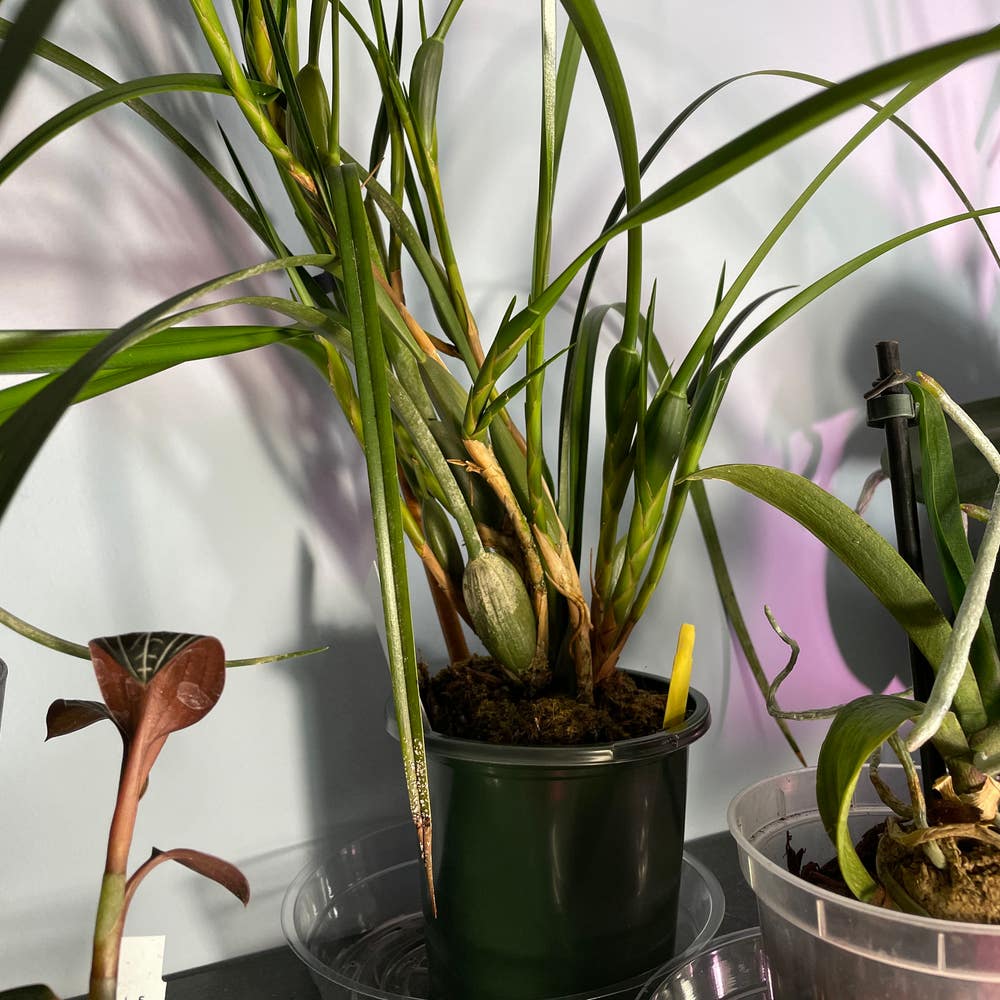
Eulophia parilamellata typically reaches a mature height of 12 to 24 inches. Its spread ranges from 12 to 18 inches, making it a compact yet striking addition to any garden.
⏳ Growth Rate
This orchid has a moderate growth rate, which means it won’t take over your garden but will still provide a vibrant display. Factors like light, water, and nutrients significantly influence its growth, so providing optimal conditions is key to its success.
🧠 Practical Insights
Understanding the size and growth characteristics of Eulophia parilamellata can help you plan your garden layout effectively. By giving it enough space to thrive, you’ll ensure that this beautiful plant can showcase its unique features without competing for resources.
As you consider adding this orchid to your collection, remember that its moderate growth means you can enjoy its beauty without overwhelming your garden space. Next, let’s explore the fascinating lifecycle of this perennial plant and how it develops over time.
Roots
🌱 Root System Characteristics
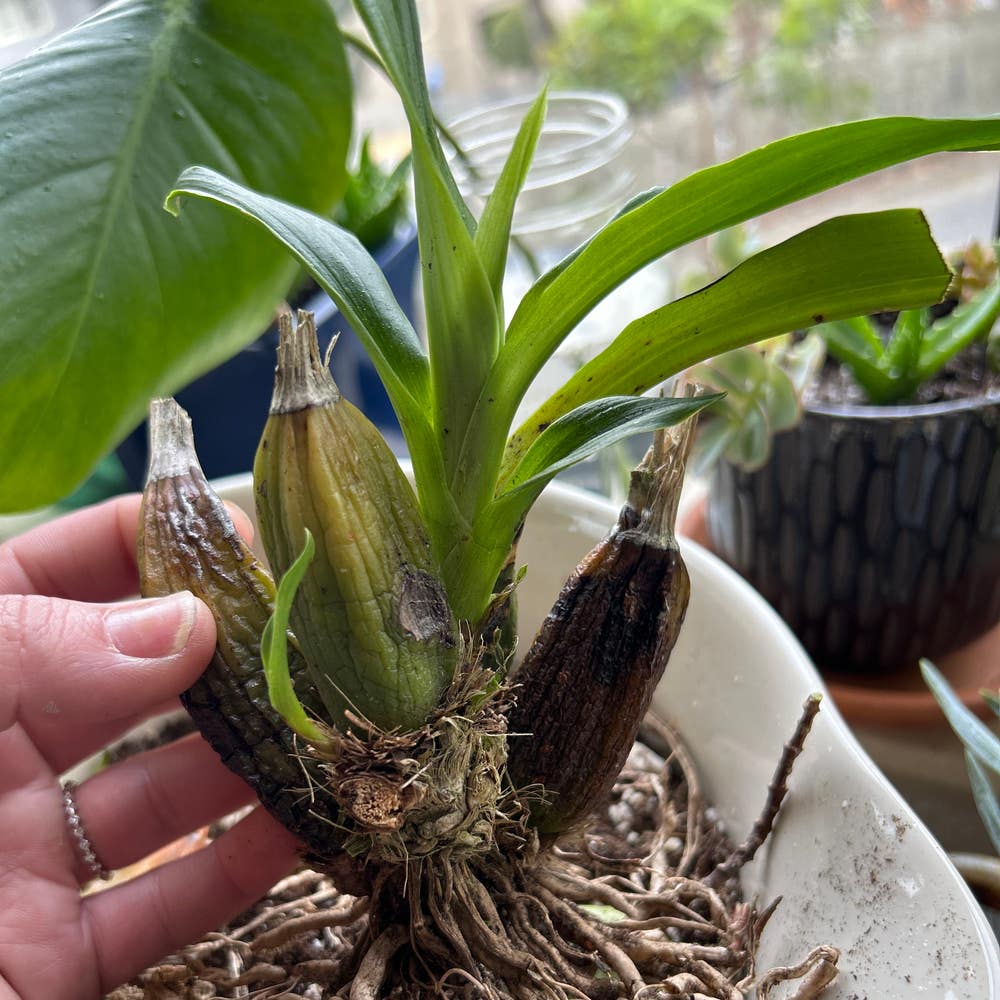
Eulophia parilamellata features a tuberous root system that is essential for its growth and stability. These roots typically extend 6-12 inches deep, allowing the plant to access nutrients and moisture effectively.
🌍 Horizontal Spread
The roots can spread horizontally up to 18 inches, which helps the plant establish a strong foundation. This expansive root system is crucial for supporting the plant as it grows.
⚠️ Common Issues
However, gardeners should be aware of common issues that can affect the roots. Root rot can occur if the soil is too wet, while rootbound conditions may arise if the plant is confined to a pot for too long.
👀 Visual Cues
Identifying healthy roots is key to maintaining a thriving plant. Healthy roots are firm, white, and plump, while unhealthy roots appear dark, mushy, or shriveled, signaling potential problems.
Understanding the root system of Eulophia parilamellata is vital for successful cultivation. With proper care and attention, you can ensure your plant thrives and flourishes in your garden.
Next, let’s explore the benefits of growing this unique orchid.
Benefits
Advantages of Growing Eulophia parilamellata 🌸
Eulophia parilamellata offers a unique ornamental appeal with its striking flowers. These blooms can become the centerpiece of your garden, drawing the eye and sparking conversation.
This plant is a magnet for pollinators, attracting bees and butterflies. By growing it, you contribute to the health of your local ecosystem.
Once established, Eulophia parilamellata is drought-tolerant. This resilience makes it a low-maintenance choice for gardeners looking to reduce their watering efforts.
Additionally, it may possess potential medicinal properties rooted in traditional practices. Exploring these uses can add an intriguing layer to your gardening experience.
Finally, this orchid enhances garden diversity with its unique growth habit. Incorporating it into your landscape can create a more vibrant and varied environment.
As you consider adding Eulophia parilamellata to your garden, think about the multifaceted benefits it brings. From aesthetic appeal to ecological contributions, this plant is a worthy addition to any green space.
Next, let’s delve into the best companion plants that thrive alongside Eulophia parilamellata.
Companion Plants
Best Companions 🌿
When growing Eulophia parilamellata, consider pairing it with ferns, other orchids, and shade-tolerant plants. These companions share similar care needs, making maintenance easier and enhancing the overall aesthetic of your garden.
Plants to Avoid 🚫
On the flip side, steer clear of heavy feeders that compete for nutrients. These plants can stress your Eulophia, hindering its growth and vitality.
By choosing the right companions, you can create a thriving garden ecosystem that supports the unique needs of Eulophia parilamellata. This thoughtful approach not only boosts plant health but also adds visual interest to your space.
Problems
Common Issues 🌱
Growing Eulophia parilamellata can be rewarding, but it's essential to be aware of common problems that may arise. Let's dive into these issues to keep your plants thriving.
Incorrect Watering 🚰
Watering is a critical aspect of plant care. Overwatering can lead to yellowing leaves, while underwatering results in wilting.
Incorrect Light Conditions 💡
Light plays a vital role in growth. Insufficient light can cause leggy growth, whereas too much direct sunlight can scorch the leaves.
Diseases 🦠
Fungal diseases can be a significant concern. Watch out for powdery mildew and rust, which can affect the overall health of your plant.
Root Problems 🌿
Root health is crucial for Eulophia parilamellata. Root rot can occur due to poor drainage, and signs of rootbound conditions may indicate it's time to repot.
By staying vigilant and addressing these common issues, you can ensure your Eulophia parilamellata remains healthy and vibrant. Next, let’s explore the pests that might disrupt your plant's growth.
Bugs
🐜 Pest Issues
Growing Eulophia parilamellata can be a rewarding experience, but pests can pose challenges. Here’s a closer look at the common culprits that may invade your plants.
Spider Mites
Spider mites are tiny pests that can wreak havoc on your Eulophia. Look for fine webbing on the leaves and stippled discoloration, which indicates their presence.
Scale Insects
Scale insects are another threat to watch for. They leave behind a sticky residue and can cause leaves to discolor, impacting the overall health of your plant.
Mealybugs
Mealybugs are easily recognizable by their white, cottony masses on stems and leaves. These pests can weaken your plant, so it’s crucial to address them promptly.
🛠️ Managing Pest Problems
To keep your Eulophia thriving, regular monitoring is essential. Inspect your plants frequently for any signs of these pests. Early detection can make all the difference in managing infestations effectively.
If you notice any of these pests, consider using insecticidal soap or neem oil as a treatment. These options are effective and less harmful to beneficial insects.
By staying vigilant and taking proactive measures, you can enjoy a healthy and vibrant Eulophia parilamellata in your garden. Next, let’s explore what animals might be tempted to munch on your beautiful plants.
What Eats
🦌 Common Garden Animals
Eulophia parilamellata can attract a variety of garden animals that may pose a threat to its growth.
- Deer are known for browsing on the leaves and stems, often leaving behind noticeable damage.
- Rabbits can be particularly destructive, as they tend to cleanly cut stems and leaves, making it look like a neat little trim job.
- Squirrels may dig around the base of the plant, disrupting the soil and potentially harming the roots.
🚫 Deterrent Methods
To protect your Eulophia parilamellata from these hungry visitors, consider implementing some deterrent methods.
- Chemical methods include using commercial repellents designed to keep deer and rabbits at bay. These can be effective but may require frequent reapplication.
- Organic methods are also viable; planting deterrent species or using physical barriers like fencing can help safeguard your plants.
By being proactive, you can enjoy the beauty of your Eulophia parilamellata without the worry of it becoming a snack for local wildlife.
⚠️ Safety First
This content is for general information and may contain errors, omissions, or outdated details. It is not medical, veterinary advice, or an endorsement of therapeutic claims.
Always consult a qualified healthcare professional before using any plant as food, medicine, or supplement.
Never eat any plant (or feed one to pets) without confirming its identity with at least two trusted sources.
If you suspect poisoning, call Poison Control (800) 222-1222, the Pet Poison Helpline (800) 213-6680, or your local emergency service immediately.
Spotted an error? Please report it here.
Eulophia parilamellata is a resilient orchid that thrives in warm, humid conditions, and with Greg's customized watering alerts 💧 and fertilization tips, you'll cultivate a stunning garden masterpiece!