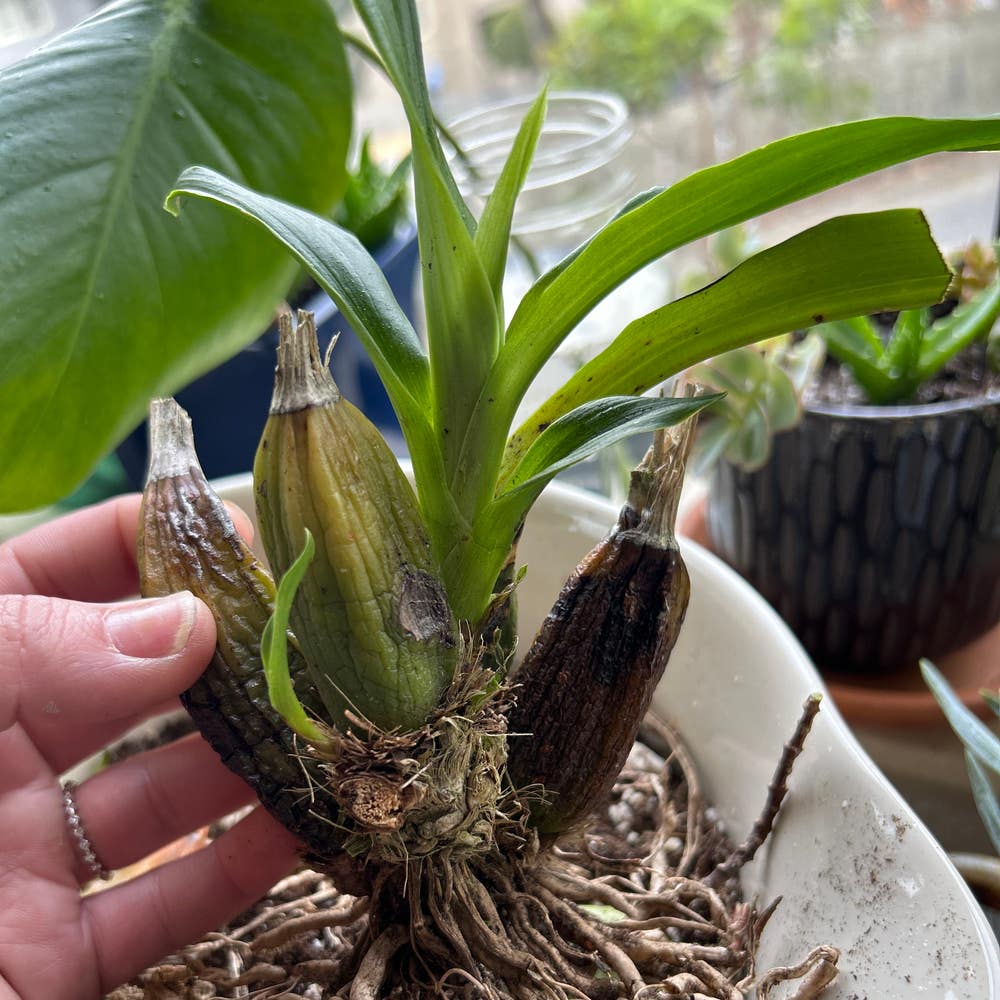
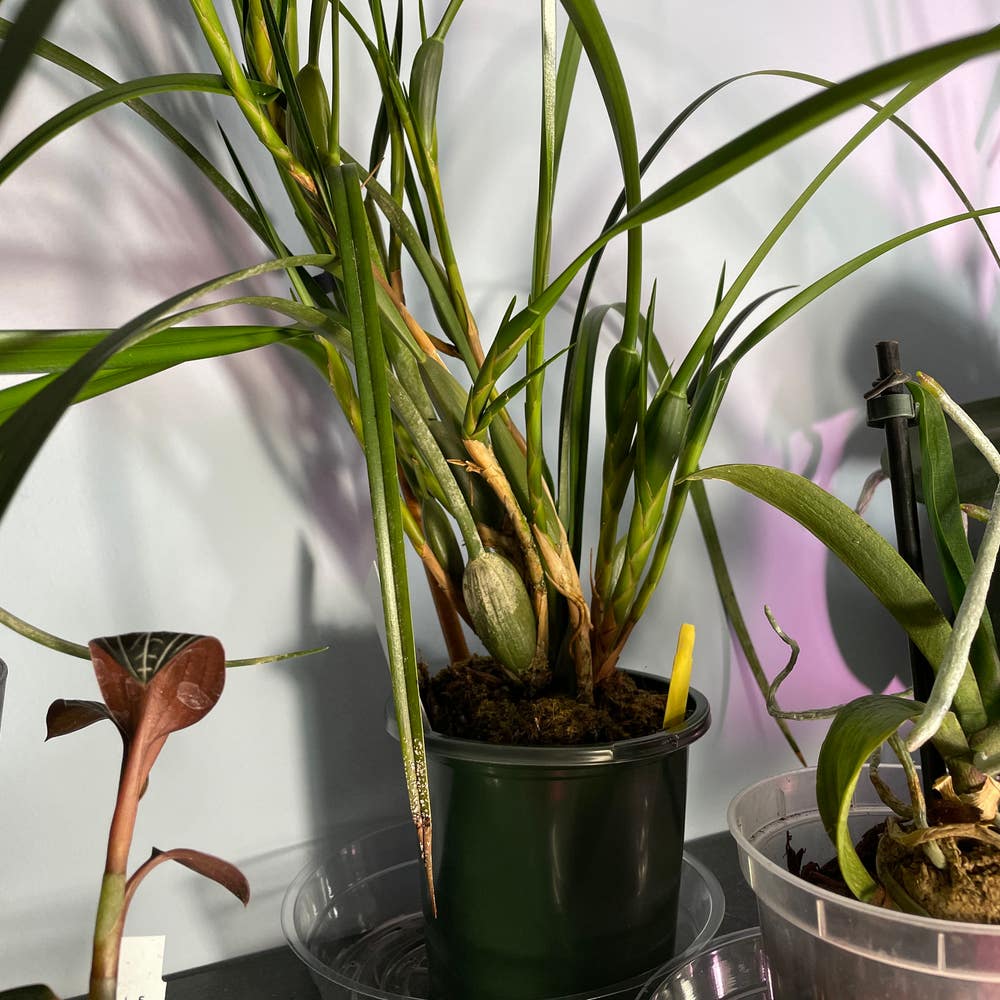
Eulophia paradoxa: A Comprehensive Overview 🌸
Eulophia paradoxa
By the Greg Editorial Team
Feb 27, 2025•9 min read
This article was created with the help of AI so we can cover more plants for you. May contain errors. See one? Report it here.
Elevate your garden with Eulophia paradoxa, a resilient beauty that attracts pollinators and thrives in diverse conditions! 🌼
- 🌡️💧 Eulophia paradoxa thrives in warm, humid conditions for optimal growth.
- 🌱 Use well-draining, organic-rich soil with a pH of 6.0 to 7.0.
- 🌼 Regular care, like deadheading and pest checks, ensures vibrant blooms and health.
How to Grow
🌞 Choosing a Location
Eulophia paradoxa thrives in a variety of light conditions, from full sun to partial shade. Aim for warm temperatures between 20°C to 30°C (68°F to 86°F) and ensure high humidity levels of 50% or more for optimal growth.
🌱 Soil Preparation
For the best results, use well-draining soil rich in organic matter. The ideal soil pH is slightly acidic to neutral, ranging from 6.0 to 7.0, and proper drainage is crucial to prevent root rot.
🌿 Planting Techniques
When planting tubers, dig a hole 2-3 inches deep. Space them 12-18 inches apart to give each plant room to grow and flourish.
💧 Watering and Fertilizing
Water your Eulophia paradoxa when the top inch of soil feels dry. Deep watering encourages robust root development, and applying a balanced NPK fertilizer (10-10-10) every 4-6 weeks during the growing season will support healthy growth.
✂️ Pruning and Ongoing Care
Regularly deadhead spent flowers to promote new blooms and keep your plant looking its best. Additionally, conduct routine inspections for pests and diseases to ensure your plant remains healthy and vibrant.
This guide equips you with the essential knowledge to cultivate Eulophia paradoxa successfully. Next, let’s explore how to propagate this fascinating plant!
Propagation
🌱 Seed Propagation
To propagate Eulophia paradoxa from seeds, start by soaking them in water for 24 hours. This simple step enhances germination, which thrives in warm temperatures and high humidity.
✂️ Division of Tubers
Dividing tubers is another effective propagation method. The best time to do this is in early spring or fall, when the plant is less stressed.
Carefully separate the tubers and replant them immediately to ensure they establish well in their new spots. This method not only helps in multiplying your plants but also promotes healthier growth.
With these propagation techniques, you can expand your Eulophia paradoxa collection and enjoy its unique beauty in your garden. Up next, we’ll explore the lifecycle of this fascinating plant.
Lifecycle
Stages of Growth 🌱
Eulophia paradoxa undergoes several distinct stages throughout its lifecycle. It begins with the seed or cutting stage, followed by germination, seedling development, vegetative growth, flowering, and finally, seed production.
Lifespan 🌼
This plant is typically a perennial, boasting a lifespan of several years. With proper care, it can thrive and continue to produce blooms season after season.
Time to Maturity ⏳
Expect Eulophia paradoxa to reach its full size in approximately 1-2 years. This moderate growth rate allows for a rewarding gardening experience as you witness its transformation.
Growth Speed ⚡️
The growth speed of Eulophia paradoxa is influenced by various environmental conditions. Factors such as light, water, and soil quality can all play a significant role in how quickly this plant develops.
As you nurture your Eulophia paradoxa, understanding its lifecycle will help you provide the best care possible. Next, let’s explore the unique size characteristics of this fascinating plant.
Size
Growth Characteristics 🌱
Eulophia paradoxa typically reaches a mature height of 18 to 24 inches. Its spread can range from 12 to 18 inches, making it a lovely addition to any garden.
Growth Rate ⏱️
This plant exhibits a moderate growth rate, which can fluctuate based on environmental conditions. Factors such as light, water, and soil quality play a significant role in how quickly it thrives.
Size Variability 📏
The size of Eulophia paradoxa can vary widely. Optimal soil quality, adequate light exposure, and proper watering can enhance its growth potential, leading to a more robust plant.
Summary 📚
Understanding the growth characteristics of Eulophia paradoxa is essential for successful cultivation. By providing the right conditions, you can enjoy a vibrant and healthy plant that adds beauty to your garden.
Next, let's explore the fascinating root system of this unique plant.
Roots
Root System Characteristics 🌱
Eulophia paradoxa features a tuberous root system that efficiently stores nutrients and water. This adaptation allows the plant to thrive in varying conditions, making it a resilient choice for gardeners.
Root Depth 📏
The roots can extend 12-18 inches deep, providing stability and access to moisture. This depth is crucial for the plant's overall health and growth.
Common Root-Related Issues ⚠️
However, like any plant, Eulophia paradoxa can face challenges. Root rot and being rootbound are common issues; signs include mushy roots and roots circling the pot.
Solutions 🛠️
To combat these problems, consider repotting into a larger container or amending the soil. These actions can rejuvenate the plant and promote healthy growth.
Understanding the root system of Eulophia paradoxa is essential for successful cultivation. With proper care, you can ensure your plant thrives and flourishes in your garden.
Next, let’s explore the benefits of growing this unique plant.
Benefits
Advantages of Growing Eulophia paradoxa 🌱
Eulophia paradoxa offers a range of benefits that make it a fantastic addition to any garden.
Unique Visual Appeal
The plant produces striking flowering spikes that can elevate the aesthetic of your garden. These blooms not only catch the eye but also create a vibrant atmosphere.
Attracting Pollinators
One of the standout advantages is its ability to attract pollinators. This helps enhance garden biodiversity, making your outdoor space a thriving ecosystem.
Drought Tolerance
Once established, Eulophia paradoxa is drought-tolerant, which means it requires less water. This feature is especially beneficial for gardeners looking to conserve resources.
Edible Tubers
The tubers of Eulophia paradoxa are edible and can be harvested for consumption. This adds a practical aspect to your gardening efforts, allowing you to enjoy homegrown produce.
Cultural Significance
Lastly, this plant holds cultural significance in various traditional medicine practices and rituals. Growing it can connect you to these rich histories and uses.
Incorporating Eulophia paradoxa into your garden not only enhances its beauty but also supports the environment and offers practical benefits. Next, let’s explore how to propagate this remarkable plant.
Toxicity to Humans
🛡️ Safety Overview
Eulophia paradoxa is not listed as toxic by major poison control centers, making it a safe choice for gardens. You can handle and even consume it in small amounts without worry.
⚠️ Potential Minor Issues
While generally safe, some individuals may experience mild skin irritation from excessive contact. Additionally, consuming large quantities could lead to minor digestive discomfort.
🚨 Caution
It's always wise to exercise caution with any plant. If you notice unusual symptoms after contact or ingestion, seeking medical advice is the best course of action.
This plant can be a delightful addition to your garden, but being informed about its safety ensures a worry-free experience. Next, let’s explore how Eulophia paradoxa interacts with our furry friends.
Toxicity to Dogs
Safety Overview 🐶
Eulophia paradoxa is not listed as toxic by major pet poison control centers, making it a safe choice for dog owners. You can rest easy knowing that this plant poses no significant health risks to your furry friends.
Potential Minor Issues ⚠️
While generally safe, consuming large quantities of Eulophia paradoxa may lead to mild gastrointestinal upset in dogs. It's always wise to monitor your pet's behavior around the plant to ensure they don't overindulge.
Tips for Dog Owners 🐾
To keep your curious canine safe, consider placing the plant out of reach. Regularly check your dog's interactions with the plant to prevent any potential issues.
In summary, Eulophia paradoxa is a dog-friendly plant that can enhance your garden without posing a threat to your pets. Next, let’s explore how this plant interacts with our feline friends.
Toxicity to Cats
Safety Overview 🐱
Eulophia paradoxa is not listed as toxic by major pet poison control centers. This means it's generally safe for cats, posing no significant health risks.
Potential Minor Issues 🚨
While the plant is safe, consuming large quantities may lead to mild gastrointestinal upset. It's always wise to monitor your cat's behavior around any plant.
Tips for Cat Owners 🏡
To ensure safety, keep Eulophia paradoxa out of reach of curious cats. Regularly check for any unusual behavior or symptoms after contact with the plant.
By taking these simple precautions, you can enjoy the beauty of this unique plant without worrying about your feline friends.
Problems
Common Issues 🌱
Growing Eulophia paradoxa can be a rewarding experience, but it's essential to be aware of potential problems that may arise. Here are some common issues to watch for:
Incorrect Watering 🚰
Watering is crucial for healthy growth. Overwatering can lead to root rot, where the roots become mushy and dark, while underwatering may cause wilting and dry leaves.
Incorrect Light Conditions ☀️
Light is another critical factor. Too much direct sunlight can scorch the leaves, leading to brown edges and crispy foliage. Conversely, insufficient light can stunt growth and reduce flowering.
Diseases 🦠
Fungal diseases, such as powdery mildew, can affect Eulophia paradoxa. This white, powdery substance on leaves can be treated with fungicides or by improving air circulation around the plant.
Leaf Issues 🍃
Yellowing leaves can indicate various problems, including nutrient deficiencies or improper watering. Assess your watering routine and consider adding a balanced fertilizer to address nutrient gaps.
By staying vigilant and addressing these issues promptly, you can ensure your Eulophia paradoxa thrives beautifully. Next, let’s explore how to manage pests that may threaten your plant's health.
Bugs
Pest Management 🐜
Eulophia paradoxa can attract a few pesky pests that may disrupt its growth. The most common culprits include spider mites, mealybugs, and aphids.
Identifying Pests 🔍
Recognizing these pests early can save your plant from significant damage. Look for signs such as webbing from spider mites, cotton-like masses from mealybugs, and curled leaves indicating aphid infestations.
Treatment Options 💊
When it comes to treatment, insecticidal soap is a go-to solution. It's effective and safe for your plant, helping to eliminate these pests without harsh chemicals.
Preventive Measures 🚫
To keep your Eulophia paradoxa thriving, regular inspections are key. Check for any signs of pests and maintain good air circulation around the plant to deter infestations.
Conclusion 📝
By staying vigilant and addressing pest issues promptly, you can ensure your plant remains healthy and vibrant. Next, let’s explore what animals might be interested in munching on your Eulophia paradoxa.
What Eats Eulophia paradoxa
🦌 Animal Interactions
Eulophia paradoxa can attract a variety of garden visitors, both welcome and unwelcome. Common culprits include deer, rabbits, and squirrels, all of which may find the plant's foliage appealing.
🔍 Signs of Damage
Keep an eye out for signs of animal activity. Chewed leaves, broken stems, and disturbed soil are clear indicators that your Eulophia paradoxa has been nibbled on.
🚫 Deterrent Methods
To protect your plants, consider using deterrent methods. Chemical repellents can be effective, but organic control methods, such as planting companion plants or using physical barriers, can also help keep these hungry animals at bay.
By being proactive, you can enjoy the beauty of Eulophia paradoxa without the worry of it becoming a snack for local wildlife.
⚠️ Safety First
This content is for general information and may contain errors, omissions, or outdated details. It is not medical, veterinary advice, or an endorsement of therapeutic claims.
Always consult a qualified healthcare professional before using any plant as food, medicine, or supplement.
Never eat any plant (or feed one to pets) without confirming its identity with at least two trusted sources.
If you suspect poisoning, call Poison Control (800) 222-1222, the Pet Poison Helpline (800) 213-6680, or your local emergency service immediately.
Spotted an error? Please report it here.
Cultivating Eulophia paradoxa can be a delightful journey 🌱, and with Greg's tailored care tips and watering reminders, you'll nurture a thriving plant that adds beauty and biodiversity to your garden!