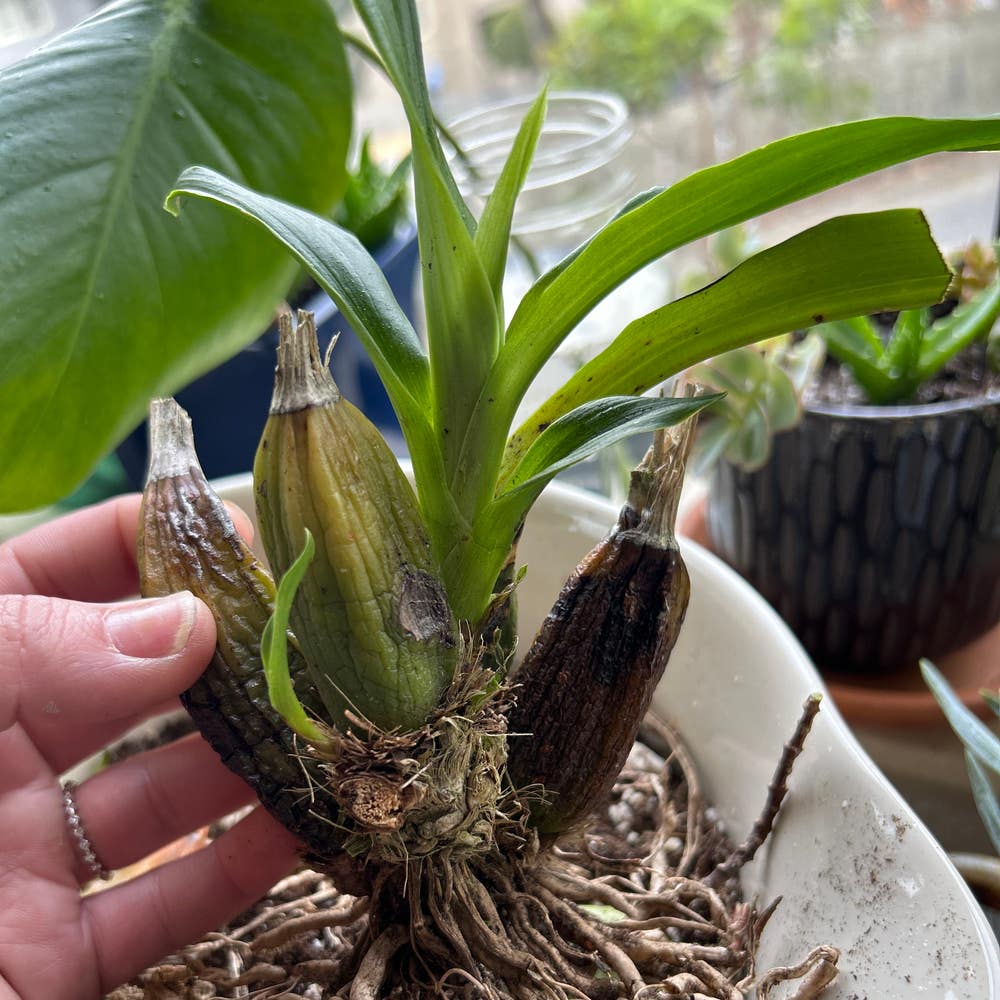
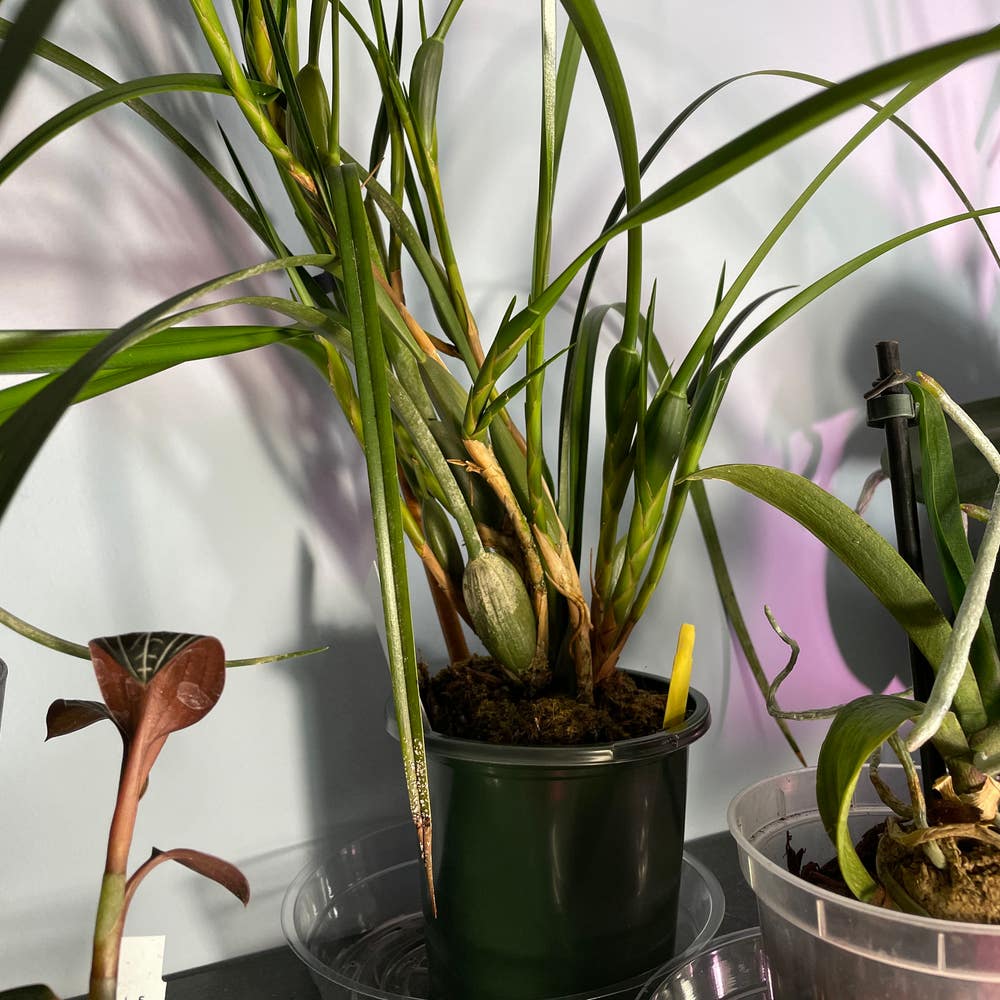
All About Eulophia palmicola: Essential Facts
Eulophia palmicola
By the Greg Editorial Team
Feb 27, 2025•10 min read
This article was created with the help of AI so we can cover more plants for you. May contain errors. See one? Report it here.
Elevate your garden with Eulophia palmicola, a stunning orchid that thrives with minimal care! 🌼
- 🌴 Eulophia palmicola thrives in warm, humid, and partially shaded environments.
- 🌱 Use well-draining, organic soil with a pH of 6.0-7.0 for optimal growth.
- 🐾 This orchid is non-toxic to pets, making it a safe garden choice!
How to Grow
Choosing a Location 🌞
To thrive, Eulophia palmicola prefers partial shade to filtered sunlight. Aim for warm, tropical conditions, ideally between 20°C to 30°C (68°F to 86°F), and maintain high humidity levels of 50-70%.
Soil Preparation 🌱
For optimal growth, use well-draining soil rich in organic matter. The pH should be slightly acidic to neutral, ideally between 6.0 and 7.0, so consider incorporating peat moss or coconut coir to enhance moisture retention.
Planting Techniques 🌿
When planting, dig a hole 2-3 inches deep and space your plants 12-18 inches apart if planting outdoors. For container gardening, choose a pot with a minimum size of 10 inches to give your plant room to grow.
Watering Requirements 🚰
Water your Eulophia palmicola when the top inch of soil feels dry. Use a watering can or drip irrigation to prevent waterlogging, and watch for signs of overwatering, such as yellowing leaves or mushy roots.
Fertilizing Schedule 🍽️
A balanced orchid fertilizer (20-20-20) is ideal for feeding your plant. Apply it every 4-6 weeks during the growing season by diluting it in water before applying to the soil.
With these guidelines, you’ll set your Eulophia palmicola up for success. Next, let’s explore how to propagate this beautiful orchid for even more blooms!
Propagation
🌱 Seed Propagation
To start propagating Eulophia palmicola from seeds, begin by soaking the seeds in water for 24 hours. This simple step helps to soften the seed coat, promoting better germination.
Next, use a sterile, well-draining germination mix to plant the seeds. Under optimal conditions, you can expect germination within 4 to 6 weeks. Keep the medium moist but not soggy to encourage healthy growth.
✂️ Division of Established Plants
Dividing established plants is another effective propagation method. The best time to do this is in spring or early summer when the plant is actively growing.
To divide, carefully separate the rhizomes from the main plant. Replant these sections in new locations, ensuring they have enough space to thrive. This method not only helps propagate new plants but also rejuvenates the original plant, promoting healthier growth.
With these propagation techniques, you can expand your Eulophia palmicola collection and enjoy its beauty in multiple spots around your garden. Now that you know how to propagate, let’s explore the lifecycle of this fascinating plant.
Lifecycle
Stages of Growth 🌱
Eulophia palmicola undergoes several distinct stages throughout its lifecycle. It begins with germination, where seeds sprout and develop into seedlings, followed by vegetative growth, flowering, and ultimately seed production.
Each stage is crucial for the plant's development and health. Under optimal conditions, Eulophia palmicola can thrive for several years, showcasing its resilience and adaptability.
Lifespan 🌼
This orchid species is not just a fleeting beauty; it can live for several years when provided with the right care. With proper attention to its needs, you can enjoy its stunning flowers and lush foliage for a long time, making it a rewarding addition to your garden.
As you nurture Eulophia palmicola, you'll witness its growth journey, from a tiny seed to a magnificent flowering plant. This lifecycle not only enriches your gardening experience but also deepens your connection to nature.
Size
Growth Characteristics 🌱
Eulophia palmicola typically reaches an average height of 18-24 inches (45-60 cm). At maturity, it can spread 12-18 inches (30-45 cm), making it a lovely addition to any garden.
Time to Full Size ⏳
Under optimal conditions, this orchid takes approximately 2-3 years to reach its full size. Patience is key, as watching it grow can be a rewarding experience.
Eulophia palmicola's growth characteristics make it a versatile choice for various garden settings. Its moderate size allows it to fit well among other plants while still making a statement.
As you consider adding this orchid to your collection, remember that its growth journey is just as important as the destination. Next, let’s explore the fascinating lifecycle of Eulophia palmicola and how it develops over time.
Roots
🌱 Root System Characteristics
Eulophia palmicola features a rhizomatous root system, which allows it to thrive in various conditions. This type of root structure is essential for stability and nutrient absorption.
📏 Depth of Roots
The roots can extend 12-18 inches deep, providing a solid foundation for the plant. This depth helps the plant access moisture and nutrients from the soil effectively.
⚠️ Common Issues
One of the most common problems with Eulophia palmicola is root rot, often caused by overwatering. Signs of this issue include mushy roots, which can lead to serious health problems for the plant if not addressed promptly.
Understanding the root system is crucial for the overall health of Eulophia palmicola. By ensuring proper watering and soil conditions, you can help your plant flourish and avoid common pitfalls.
Next, let’s explore the benefits of growing Eulophia palmicola and why it’s a fantastic addition to your garden.
Benefits
Advantages of Growing Eulophia palmicola 🌼
Eulophia palmicola offers a range of benefits that make it a fantastic addition to any garden.
Aesthetic Appeal
Its unique flowers bring a vibrant splash of color, enhancing the overall beauty of your outdoor space.
Pollinator Attraction
This orchid is a magnet for bees and butterflies, promoting biodiversity in your garden.
Air Purification
Beyond looks, Eulophia palmicola contributes to improved air quality, making your environment healthier.
Cultural Significance
In some regions, this plant holds cultural importance, valued in traditional practices and ceremonies.
Low Maintenance
Once established, it requires minimal care, making it perfect for both novice and experienced gardeners.
These advantages not only enrich your garden but also support local ecosystems and cultural practices. As you consider adding Eulophia palmicola to your collection, think about how it can enhance your gardening experience and environment.
Next, let’s explore the best companion plants that thrive alongside Eulophia palmicola.
Companion Plants
Best Companions 🌿
When growing Eulophia palmicola, consider pairing it with ferns, shade-tolerant flowers, and other orchids. These plants thrive in similar humidity and light conditions, creating a harmonious garden environment.
Why They Work Well Together 🤝
Ferns and shade-loving flowers not only complement the aesthetic of Eulophia palmicola but also help maintain the necessary moisture levels in the soil. Other orchids can share the same care requirements, making them ideal companions that enhance both beauty and biodiversity in your garden.
By selecting the right companions, you can create a thriving ecosystem that supports the growth of Eulophia palmicola while adding layers of color and texture to your space. This thoughtful approach to planting will ensure your garden flourishes with minimal effort.
As you plan your garden layout, remember that the right companions can make all the difference in achieving a vibrant and healthy landscape.
Toxicity to Humans
Safety Overview 🛡️
Eulophia palmicola is not listed as toxic, according to major poison control centers. This means you can enjoy its beauty without worrying about harmful effects.
In general, the plant poses minimal risk of irritation or discomfort. So, feel free to cultivate this stunning orchid in your garden or home without any safety concerns.
As you explore the wonders of Eulophia palmicola, you can appreciate its aesthetic appeal and unique flowers, knowing it’s safe for you and your loved ones.
Next, let’s dive into the fascinating world of how this plant interacts with our furry friends.
Toxicity to Dogs
🐶 Safety Overview
Eulophia palmicola is not toxic to dogs, as confirmed by pet poison control centers. This means your furry friends can explore your garden without the worry of harmful effects.
While it's always wise to monitor what your pets nibble on, the general safety of this plant indicates minimal risk of gastrointestinal upset, even if they consume it in excess.
With this peace of mind, you can enjoy the beauty of Eulophia palmicola in your garden, knowing it’s safe for your canine companions.
Next, let’s explore how Eulophia palmicola interacts with our feline friends.
Toxicity to Cats
Safety Overview 🐱
Eulophia palmicola is not toxic to cats, as confirmed by major pet poison control centers. This means you can enjoy this beautiful plant without worrying about your feline friends.
While there’s minimal risk of gastrointestinal upset from excessive consumption, it’s always best to monitor your pets around any plants. Keeping an eye on their behavior ensures a safe and harmonious environment for both your plants and pets.
In summary, Eulophia palmicola is a safe choice for cat owners looking to enhance their gardens. With its vibrant flowers and non-toxic nature, it’s a win-win for plant lovers and their furry companions alike.
Next, let’s explore the potential problems that can arise when growing Eulophia palmicola, ensuring you’re well-prepared to tackle any challenges.
Problems
Common Issues 🌱
Growing Eulophia palmicola can be rewarding, but it's essential to be aware of potential problems that may arise. Incorrect watering is a frequent issue, leading to symptoms of overwatering or underwatering.
Watering Woes 💧
Overwatering can cause yellowing leaves and mushy roots, while underwatering may result in wilting and browning leaf tips. It's crucial to monitor soil moisture regularly to maintain a healthy balance.
Light Conditions ☀️
Incorrect light conditions can also pose challenges. If your plant experiences leaf scorch, it may be getting too much direct sunlight, while etiolation—where the plant stretches towards light—indicates insufficient light.
Fungal Diseases 🦠
Diseases can further complicate care. Fungal issues like powdery mildew, rust, and black rot can develop in overly humid or poorly ventilated conditions. Keeping an eye on your plant's health and addressing any signs of distress promptly is key to successful growth.
Summary 📚
By understanding these common issues, you can take proactive steps to ensure your Eulophia palmicola thrives. Next, let’s explore the pests that may also affect your plant's health.
Bugs
🐜 Pest Issues
Eulophia palmicola can attract a few pesky pests that may disrupt its growth. Understanding these common bugs is essential for maintaining a healthy plant.
Spider Mites
Spider mites are tiny, often invisible to the naked eye, but their presence is unmistakable. Look for fine webbing on the leaves and stippled patterns that indicate feeding damage.
Mealybugs
Mealybugs are another nuisance, recognizable by their cotton-like masses on stems and leaves. These pests suck the sap from your plant, weakening it over time.
🚫 Prevention and Control
To keep your Eulophia palmicola thriving, regularly inspect your plants for these pests. If you spot any, consider using insecticidal soap or neem oil as a natural remedy.
💭 Final Thoughts
By staying vigilant and addressing pest issues promptly, you can ensure your Eulophia palmicola remains healthy and vibrant. Next, let’s explore what animals might be interested in munching on your beautiful plant.
What Eats
🦌 Animal Interactions
Eulophia palmicola can attract a variety of wildlife, including deer, rabbits, and squirrels. These animals may find the plant's foliage appealing, leading to potential damage.
🚨 Signs of Damage
Keep an eye out for chewed leaves and broken stems, which are clear indicators of animal activity. If you notice these signs, it might be time to consider protective measures for your plants.
🛡️ Protecting Your Plants
To safeguard Eulophia palmicola from these hungry visitors, you can use fencing or natural deterrents. Additionally, planting companion plants that are less appealing to these animals can help divert their attention.
📜 Conclusion
Understanding what eats your Eulophia palmicola is crucial for maintaining its health. By recognizing signs of damage and taking preventive steps, you can enjoy the beauty of this unique plant without the worry of wildlife interference.
Next, let’s explore common problems that can affect the growth and vitality of Eulophia palmicola.
⚠️ Safety First
This content is for general information and may contain errors, omissions, or outdated details. It is not medical, veterinary advice, or an endorsement of therapeutic claims.
Always consult a qualified healthcare professional before using any plant as food, medicine, or supplement.
Never eat any plant (or feed one to pets) without confirming its identity with at least two trusted sources.
If you suspect poisoning, call Poison Control (800) 222-1222, the Pet Poison Helpline (800) 213-6680, or your local emergency service immediately.
Spotted an error? Please report it here.
Eulophia palmicola can be a long-lasting beauty 🌺 in your garden, and with Greg's personalized watering reminders, you'll ensure it thrives for years to come!