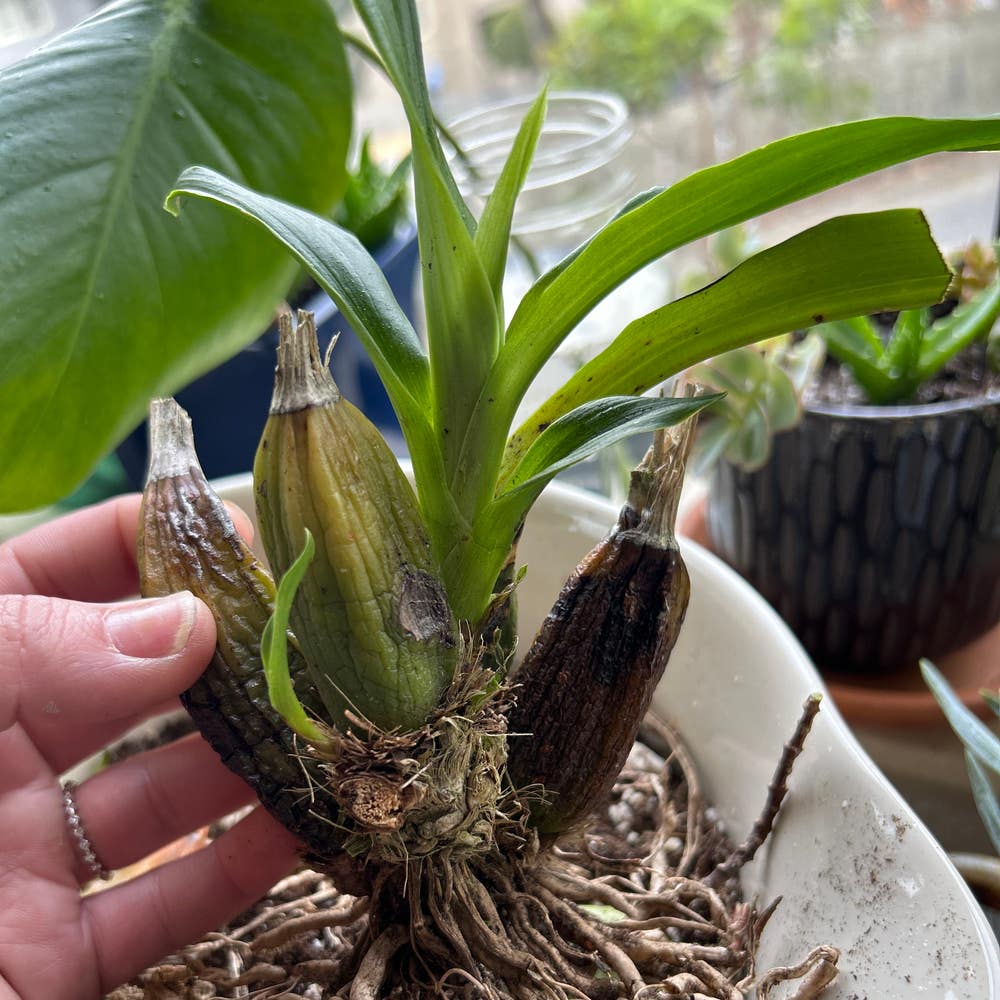
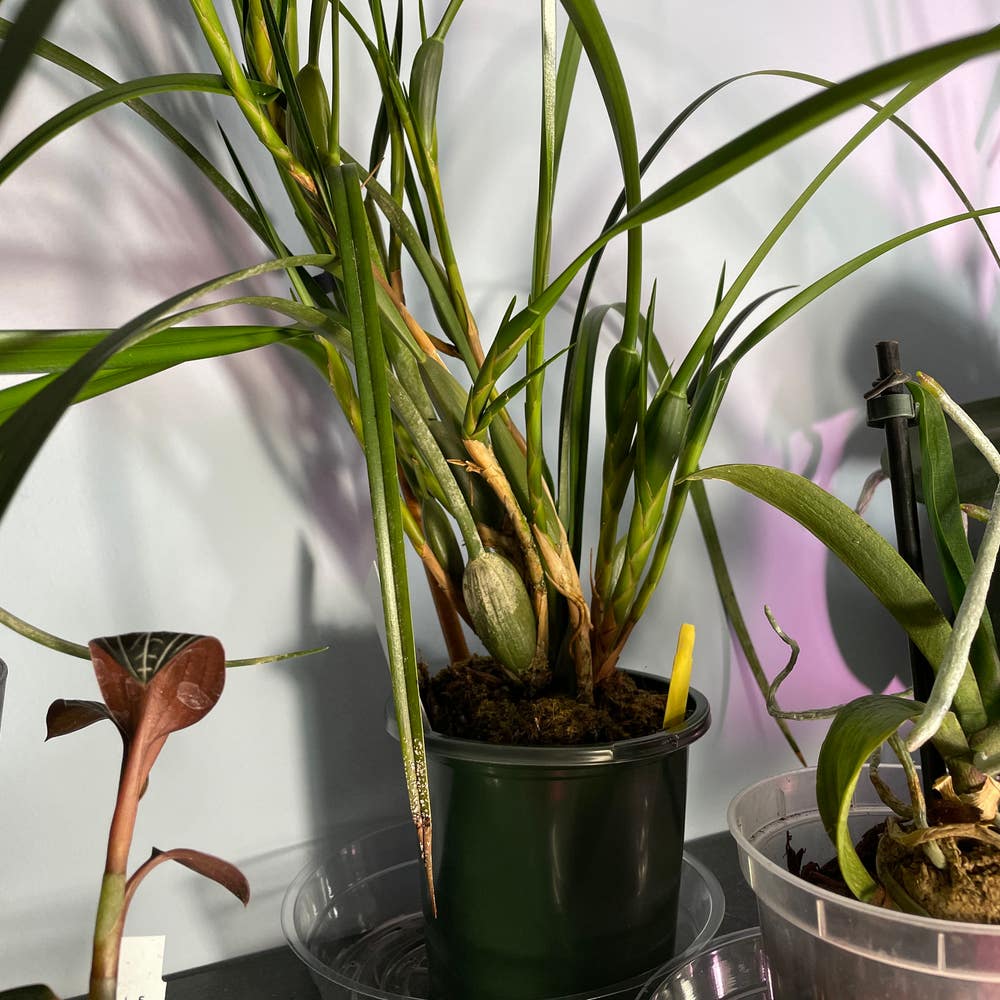
What is a Eulophia ovalis var. bainesii? Complete Guide 🌸
Eulophia ovalis var. bainesii
By the Greg Editorial Team
Feb 27, 2025•11 min read
This article was created with the help of AI so we can cover more plants for you. May contain errors. See one? Report it here.
Discover how to effortlessly grow the stunning Eulophia ovalis var. bainesii 🌼 and transform your garden into a vibrant oasis! 🌱
- 🌞 Eulophia ovalis var. bainesii thrives in 4-6 hours of sunlight for optimal growth.
- 🌱 Use well-draining soil with pH 6.0-7.0 to support healthy growth.
- 💧 Water when the top inch of soil is dry to prevent root rot.
How to Grow
🌍 Choosing the Right Location
Eulophia ovalis var. bainesii thrives in a variety of light conditions, preferring partial shade to full sun. Aim for 4-6 hours of direct sunlight daily to keep your plant happy and healthy.
Temperature plays a crucial role in its growth. This orchid flourishes in temperatures ranging from 20°C to 30°C (68°F to 86°F), so keep it in a warm spot.
Humidity is another key factor; moderate levels between 50-70% are ideal. If your environment is too dry, consider using a humidifier or placing a tray of water nearby.
🌱 Soil Preparation
For optimal growth, use well-draining, fertile soil enriched with organic matter. This will provide the nutrients your plant needs to thrive.
The ideal soil pH for Eulophia ovalis var. bainesii is between 6.0 and 7.0. Regularly check your soil's pH to ensure it remains in this range.
Good drainage is essential to prevent root rot. Make sure your pot has drainage holes and consider adding perlite or sand to improve soil aeration.
🌿 Planting Techniques
When planting, place the bulbs 2-3 inches deep in the soil. This depth helps protect them while allowing for proper growth.
Space bulbs 12-18 inches apart to give each plant enough room to flourish. This spacing promotes air circulation and reduces competition for nutrients.
💧 Watering Requirements
Water your Eulophia ovalis var. bainesii when the top inch of soil feels dry. Typically, this means watering every 1-2 weeks, but adjust based on your climate.
Always water at the base of the plant to avoid wetting the leaves. This helps prevent fungal issues and keeps your plant healthy.
🌼 Fertilizing Schedule
Use a balanced, slow-release fertilizer with an NPK ratio of 10-10-10. This will provide essential nutrients throughout the growing season.
Fertilize every 4-6 weeks during the active growth period. This regular feeding will support vibrant blooms and robust growth.
✂️ Pruning and Ongoing Care
Prune your plant by removing any dead or yellowing leaves as needed. This not only improves appearance but also encourages new growth.
When pruning, use clean, sharp scissors to avoid damaging the plant. Proper care will keep your Eulophia ovalis var. bainesii looking its best.
With the right conditions and care, your Eulophia ovalis var. bainesii will thrive, bringing beauty and interest to your garden. Next, let’s explore how to propagate this stunning plant effectively.
Propagation
🌱 Seed Propagation
To propagate Eulophia ovalis var. bainesii from seeds, start by sowing them in a sterile medium. Keep the seeds moist and warm, and you can expect germination in about 2-4 weeks.
🔄 Division of Bulbs
Dividing bulbs is best done in early spring, just before new growth begins. Carefully separate the bulbs and replant them immediately to ensure they thrive.
✂️ Offsets and Cuttings
Offsets can be easily removed from the parent plant for propagation. After taking offsets, replant them and keep them in a warm, humid environment until they establish roots.
This method not only helps in expanding your collection but also ensures the health of your plants. With proper care, your Eulophia ovalis var. bainesii will flourish and bring beauty to your garden.
Next, let’s explore the lifecycle of this fascinating plant and understand its growth stages.
Lifecycle
Lifecycle Stages 🌱
Eulophia ovalis var. bainesii has a fascinating lifecycle that unfolds in several stages. It begins with germination, progresses through seedling and vegetative growth, and culminates in flowering and seed production.
Lifespan ⏳
This orchid can thrive for several years, especially when nurtured in optimal conditions. Providing the right environment can significantly enhance its longevity.
Time to Full Growth ⏲️
Typically, it takes about 1-2 years for Eulophia ovalis var. bainesii to reach full maturity. Patience is key, as this plant gradually reveals its beauty.
Growth Rate 📈
The growth rate is moderate and can vary based on environmental factors. Adequate light, water, and soil conditions play a crucial role in how quickly this plant develops.
As you nurture your Eulophia ovalis var. bainesii, understanding its lifecycle will help you provide the best care possible. Next, let's explore how to choose the right location for this stunning plant.
Size
Mature Height and Spread 🌱
Eulophia ovalis var. bainesii typically reaches a mature height of 30-60 cm (12-24 inches). Its spread can extend up to 30 cm (12 inches) wide, making it a lovely addition to any garden.
Growth Rate and Factors Affecting Size 📈
This plant has a moderate growth rate, which can be influenced by several factors. Light, water, and soil conditions play a significant role in determining how quickly it grows and its overall size.
Size Variability 📏
The size of Eulophia ovalis var. bainesii can vary based on environmental factors and the care it receives. Providing optimal conditions will help ensure it reaches its full potential.
As you consider growing this beautiful plant, keep in mind that its size can be a reflection of the care and environment you provide. Next, let’s explore the fascinating lifecycle of Eulophia ovalis var. bainesii and how it develops from seed to maturity.
Roots
Characteristics of the Root System 🌱
Eulophia ovalis var. bainesii features a bulbous root system that effectively stores nutrients and water. These roots can extend 6-12 inches deep and spread laterally, allowing the plant to access essential resources.
Common Root-Related Issues ⚠️
One of the most common issues is root rot, which occurs due to overwatering. To prevent this, ensure proper drainage in your planting medium.
Another concern is being rootbound, which happens when the roots become tight and start circling within the pot. You can remedy this by repotting the plant into a larger container.
Visual Cues for Healthy vs. Unhealthy Roots 👀
Healthy roots are typically firm, white, and plump, indicating a thriving plant. In contrast, unhealthy roots appear dark, mushy, or shriveled, signaling that your plant may need immediate attention.
Understanding the root system of Eulophia ovalis var. bainesii is crucial for its overall health. By monitoring root conditions, you can ensure your plant remains vibrant and flourishing.
Next, let’s explore the benefits of growing this unique orchid variety.
Benefits
Top 5 Benefits 🌟
Eulophia ovalis var. bainesii offers a range of advantages that make it a fantastic addition to any garden.
Aesthetic appeal: Its unique flowers bring a splash of color and charm, enhancing the overall beauty of your outdoor space.
Ecological benefits: This plant attracts vital pollinators like bees and butterflies, supporting local ecosystems and biodiversity.
Cultural significance: Eulophia ovalis var. bainesii holds value in traditional medicine and folklore, connecting gardeners to rich cultural histories.
Adaptability: It thrives in various conditions, making it suitable for diverse gardens, whether in partial shade or full sun.
Low maintenance: Once established, this plant requires minimal care, allowing you to enjoy its beauty without constant attention.
Incorporating Eulophia ovalis var. bainesii into your garden not only beautifies your space but also contributes positively to the environment and your gardening experience.
As we explore further, let’s dive into the best companion plants that can enhance the growth and health of Eulophia ovalis var. bainesii.
Companion Plants
🌱 Explanation of Companion Planting
Companion planting is a gardening strategy that promotes diversity and enhances plant health. By pairing compatible plants, you can improve pest management and create a more vibrant garden ecosystem.
🌼 Best Companion Plants
When considering companions for Eulophia ovalis var. bainesii, opt for ferns, shade-tolerant perennials, and other orchids. These plants share similar care needs and can create a visually appealing arrangement.
🚫 Plants to Avoid
It's wise to steer clear of heavy feeders or aggressive plants. These species can compete for resources, potentially hindering the growth of your Eulophia ovalis var. bainesii.
Incorporating the right companions not only boosts your plant's health but also enhances the overall beauty of your garden. Next, let’s explore common problems you might encounter while growing this unique orchid.
Problems
Common Problems Faced 🌱
1. Incorrect Watering
Watering issues are a common challenge for Eulophia ovalis var. bainesii. Overwatering leads to yellowing leaves, while underwatering causes wilting.
- Causes: Poor drainage or inconsistent watering practices can exacerbate these symptoms.
- Solutions: Adjust your watering frequency and ensure the soil has good drainage to keep your plant healthy.
2. Incorrect Light Conditions 💡
Light conditions can significantly impact the growth of your plant. Insufficient light results in leggy growth, whereas too much direct sunlight can scorch the leaves.
- Causes: Both insufficient and excessive light exposure can hinder your plant's development.
- Solutions: Relocate your plant to a spot that meets its light requirements for optimal growth.
3. Incorrect Temperature 🌡️
Temperature fluctuations can stunt growth or lead to wilting. Eulophia ovalis var. bainesii thrives in a specific temperature range.
- Causes: Exposure to temperatures outside the optimal range can stress the plant.
- Solutions: Provide shade during extreme heat or protection during cold spells to maintain a stable environment.
4. Diseases 🦠
Fungal diseases like powdery mildew, rust, and black rot can plague your plant. Look for white powdery spots or yellowing leaves as signs of trouble.
- Symptoms: These diseases manifest as white spots, yellowing leaves, or black lesions.
- Solutions: Improve air circulation around the plant and apply fungicides as necessary to combat these issues.
5. Leaf Issues 🍃
Leaf problems can arise from various factors, including nutrient deficiencies or pest infestations. Symptoms may include scorching, yellowing, or fuzzy growth.
- Causes: Nutrient deficiencies or pests can lead to these unsightly issues.
- Solutions: Assess nutrient levels in the soil and inspect your plant for any pests to address the problem effectively.
Understanding these common problems can help you maintain a thriving Eulophia ovalis var. bainesii. By addressing these issues promptly, you can ensure your plant remains healthy and vibrant. Next, let’s explore the fascinating world of pests that may affect your plant.
Bugs
🐞 Potential Pest Issues
Eulophia ovalis var. bainesii is generally resilient against pests but can still fall victim to a few common nuisances. Understanding these pests is crucial for maintaining the health of your plant.
🕷️ Common Pests
Spider Mites
- Identification: Look for fine webbing and stippled leaves.
- Damage: These tiny pests weaken the plant and reduce its vigor.
- Treatment: Increase humidity around the plant and apply miticides to control the infestation.
Scale Insects
- Identification: Small, brown, shell-like bumps appear on stems.
- Damage: Scale insects sap the plant's strength and vitality.
- Treatment: Remove them by hand or use insecticidal soap for effective control.
Mealybugs
- Identification: Cotton-like masses can be found on leaves and stems.
- Damage: They weaken the plant and may lead to sooty mold.
- Treatment: Wipe them off with alcohol-soaked cotton swabs to eliminate them.
Aphids
- Identification: Small, green or black insects often found on new growth.
- Damage: Aphids stunt growth and can transmit diseases.
- Treatment: Introduce beneficial insects or use insecticidal soap to manage their population.
Whiteflies
- Identification: Tiny white insects that fly away when disturbed.
- Damage: They cause yellowing leaves and reduce photosynthesis.
- Treatment: Use yellow sticky traps and insecticidal soap to keep them at bay.
Understanding these pests and their management is essential for the thriving health of your Eulophia ovalis var. bainesii. With the right care, you can keep your plant flourishing and free from unwanted visitors.
What Eats Eulophia ovalis var. bainesii
🦌 Common Animals That May Damage the Plant
Eulophia ovalis var. bainesii can attract a variety of hungry critters. Common culprits include deer, rabbits, squirrels, birds, rodents, and groundhogs.
👀 Signs of Animal Presence
Keep an eye out for signs that these animals have been snacking on your plants. Look for chewed leaves, droppings, and tracks around the base of the plant.
⚠️ Types of Damage Caused
These animals can cause significant damage by browsing on the leaves and stems. This can lead to stunted growth and overall decline in plant health.
🚫 Deterrent Methods
To protect your Eulophia ovalis var. bainesii, consider various deterrent methods.
Chemical Methods
You can use commercial repellents or whip up homemade solutions, like garlic spray, to keep pests at bay.
Organic Methods
For a more natural approach, try fencing your plants or planting deterrent species nearby. This can create a barrier that discourages unwanted visitors.
By being proactive, you can enjoy the beauty of your Eulophia ovalis var. bainesii without the worry of animal damage. Next, let’s explore common problems that may arise while caring for this unique plant.
⚠️ Safety First
This content is for general information and may contain errors, omissions, or outdated details. It is not medical, veterinary advice, or an endorsement of therapeutic claims.
Always consult a qualified healthcare professional before using any plant as food, medicine, or supplement.
Never eat any plant (or feed one to pets) without confirming its identity with at least two trusted sources.
If you suspect poisoning, call Poison Control (800) 222-1222, the Pet Poison Helpline (800) 213-6680, or your local emergency service immediately.
Spotted an error? Please report it here.
Nurture your Eulophia ovalis var. bainesii to bloom brilliantly 🌸 with Greg's custom watering alerts and expert care tips tailored just for your plant's needs!