What You Should Know About Eulophia odontoglossa
Eulophia odontoglossa
By the Greg Editorial Team
Jan 29, 2025•10 min read
This article was created with the help of AI so we can cover more plants for you. May contain errors. See one? Report it here.
Elevate your garden with Eulophia odontoglossa, a stunning orchid that thrives with minimal care! 🌼
- 🌞 Eulophia odontoglossa thrives in bright, indirect light; avoid direct sunlight to prevent scorch.
- 🌡️ Ideal temperature is 20-30°C (68-86°F); maintain humidity at 50-70% for optimal growth.
- 🌱 Water when top inch of soil is dry; overwatering can lead to root rot.
How to Grow
Choosing a Location 🌞
Eulophia odontoglossa thrives in bright, indirect light. Direct sunlight can scorch its leaves, so it's best to find a spot that offers filtered light.
For optimal growth, maintain temperatures between 20°C to 30°C (68°F to 86°F). This temperature range helps the plant flourish and stay healthy.
Humidity is crucial for this species. Aim for levels between 50-70%; using a humidity tray or misting can help achieve this.
Soil Preparation 🌱
When it comes to soil, Eulophia odontoglossa prefers a well-draining mix rich in organic matter. A combination of potting soil and orchid bark works wonders.
The ideal soil pH is slightly acidic to neutral, ranging from 6.0 to 7.0. Always ensure your pots have drainage holes to prevent waterlogging.
Planting Techniques 🌿
Plant the tubers at a depth of 2-3 inches to give them a solid start.
Space the plants 12-18 inches apart to allow for their natural growth and prevent overcrowding.
Watering Requirements 💧
Water your Eulophia odontoglossa when the top inch of soil feels dry. This typically translates to watering every 1-2 weeks.
When watering, do so thoroughly until it drains from the bottom. Avoid letting the plant sit in water, as this can lead to root rot.
Fertilizing Schedule 🌼
For fertilization, use a balanced orchid fertilizer (20-20-20) diluted to half strength.
Fertilize every 4-6 weeks during the growing season, which spans spring and summer, to keep your plant nourished.
Pruning and Ongoing Care ✂️
Prune your Eulophia odontoglossa after flowering by removing spent flower spikes.
Use clean, sharp scissors to cut back to the base, promoting healthy growth for the next season.
With these care tips, your Eulophia odontoglossa will thrive, bringing beauty and life to your space. Next, let’s explore how to propagate this stunning plant!
Propagation
🌱 Seed Propagation
To propagate Eulophia odontoglossa from seeds, start by sowing them on a sterile medium. This process requires a warm and humid environment, which is crucial for successful germination.
Germination typically occurs within 2-4 weeks, so patience is key. Keep the medium consistently moist, and watch for those tiny seedlings to emerge!
🪴 Division of Tubers
Another effective propagation method is dividing the tubers. This should be done during the dormant season, either in the fall or early spring, to minimize stress on the plant.
When dividing, carefully separate the tubers, ensuring that each division has at least one healthy tuber and roots. Replant them promptly to help them establish quickly in their new homes.
With these propagation techniques, you can expand your Eulophia odontoglossa collection and share the beauty of this unique plant with others. Next, let’s explore the lifecycle of this fascinating orchid!
Lifecycle
Lifecycle Stages 🌱
Eulophia odontoglossa is a perennial plant that takes about 2-3 years to reach maturity. This gradual growth allows gardeners to appreciate the plant's development over time.
Germination occurs within 2-4 weeks under optimal conditions. During this phase, seeds require warmth and humidity to sprout successfully.
Once germinated, seedlings begin to develop their initial leaves and roots. Consistent moisture and humidity are crucial for their early growth.
The plant enters a rapid growth phase in spring and summer, focusing on leaf development. This is when Eulophia odontoglossa showcases its lush greenery.
Flowering typically occurs in late summer, with blooms lasting several weeks. These flowers add a vibrant touch to any garden.
Eulophia odontoglossa can live for several years, with a moderate growth rate. It reaches its full size within 2-3 years, rewarding patience with stunning foliage and flowers.
Understanding the lifecycle of Eulophia odontoglossa helps in providing the right care at each stage. This knowledge ensures your plant thrives and flourishes beautifully.
Next, let’s explore the size and growth habits of this fascinating plant.
Size
Growth Habits 🌱
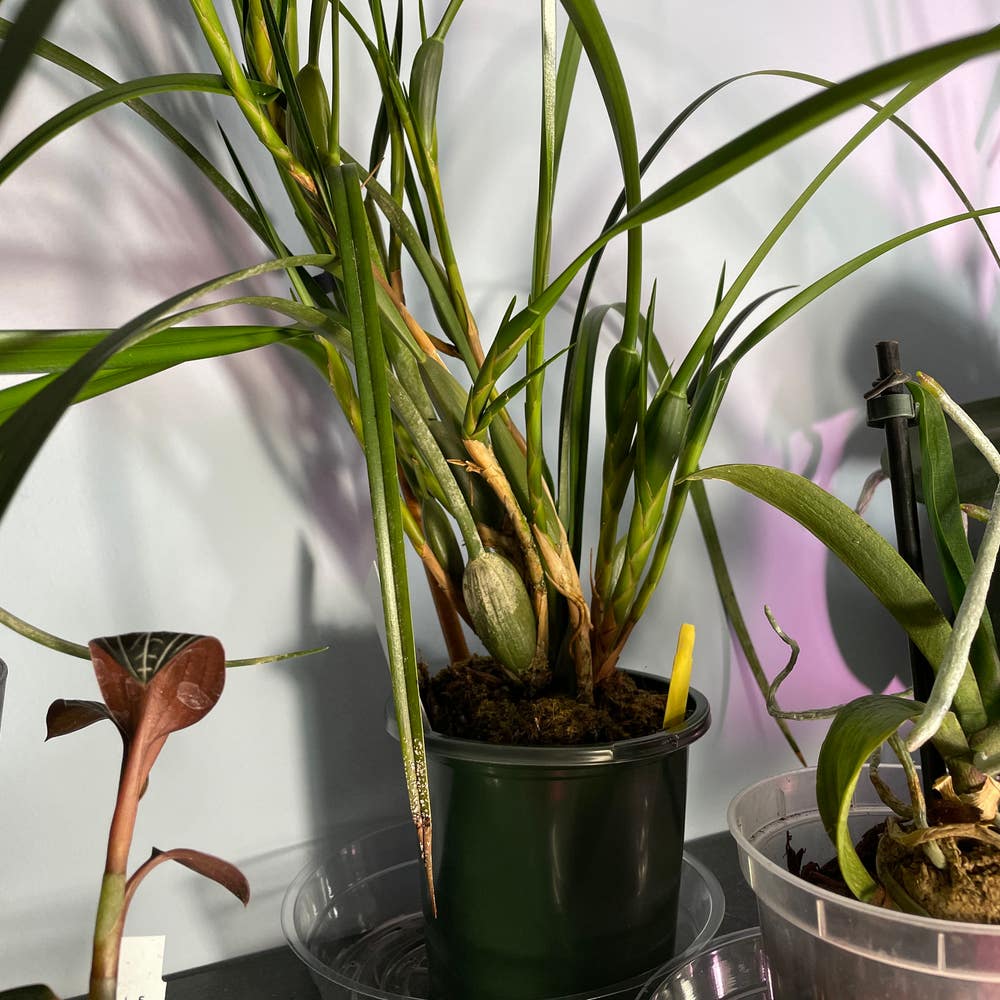
Eulophia odontoglossa typically reaches a mature height of 30-60 cm (12-24 inches). With a spread of up to 30 cm (12 inches), this plant can create a lovely presence in your garden.
Growth Rate 📈
The growth rate is moderate and largely influenced by factors such as light, water, and nutrient availability. Optimal conditions can lead to impressive growth, making it a rewarding addition to your plant collection.
Size Variability 📏
Keep in mind that the size of Eulophia odontoglossa may vary based on pot size, soil quality, and environmental conditions. Providing the right care will help ensure your plant thrives and reaches its full potential.
This understanding of size and growth habits sets the stage for appreciating the unique characteristics of Eulophia odontoglossa. Next, we’ll explore the fascinating root system that supports this beautiful plant.
Roots
🌱 Root System Characteristics
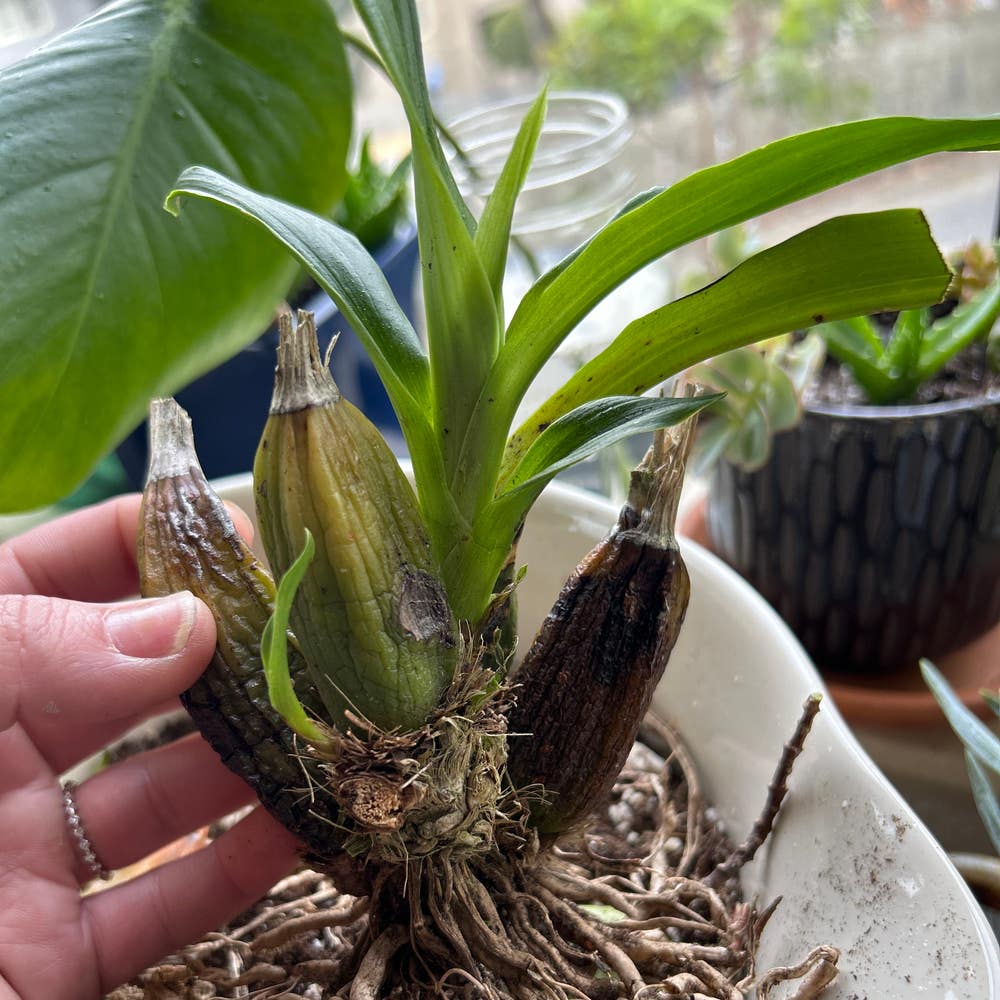
Eulophia odontoglossa features a tuberous root system that efficiently stores nutrients and water. This adaptation allows the plant to thrive in varying conditions while ensuring it has the resources needed for growth.
📏 Depth and Spread
The roots can extend 12-18 inches deep and spread laterally, providing stability and access to moisture. This robust root system supports the plant's overall health and resilience.
⚠️ Common Root-Related Issues
Overwatering is a common pitfall for many growers, leading to root rot. Signs of this issue include mushy roots and yellowing leaves, indicating that your plant is in distress.
🌿 Healthy vs. Unhealthy Roots
Healthy roots are firm, white, and plump, showcasing a thriving plant. In contrast, unhealthy roots appear dark, mushy, or shriveled, signaling that immediate action is needed.
🪴 Addressing Rootbound Conditions
If your Eulophia odontoglossa becomes rootbound, it's time to repot it into a larger container with fresh soil. This simple step can rejuvenate the plant and promote healthier growth.
Understanding the root system of Eulophia odontoglossa is crucial for its care. With proper attention to watering and repotting, you can ensure your plant remains vibrant and healthy.
Next, let’s explore the benefits of growing this unique orchid.
Benefits
Top 5 Benefits 🌟
Eulophia odontoglossa is not just a pretty face; it brings a wealth of benefits to your garden and home. Here are the top five reasons to consider adding this stunning plant to your collection.
Unique Ornamental Appeal
This orchid boasts an exotic beauty that can elevate any garden or landscape. Its striking appearance makes it a conversation starter and a focal point in floral arrangements.
Air Purification
Beyond aesthetics, Eulophia odontoglossa contributes to improved indoor air quality. It helps filter out toxins, making your living space healthier and more inviting.
Cultural Significance
In various cultures, this plant holds traditional medicinal properties and plays a role in rituals. Its rich history adds depth to its presence in your home or garden.
Biodiversity
By attracting pollinators, Eulophia odontoglossa supports local ecosystems. Its presence can enhance biodiversity, making your garden a thriving habitat for various species.
Low Maintenance
Once established, this orchid requires minimal care. Its resilience makes it an excellent choice for both novice and experienced gardeners alike.
Incorporating Eulophia odontoglossa into your space not only beautifies it but also enriches your environment in multiple ways. Ready to explore how to grow this remarkable plant? Let's dive into the next section!
Companion Plants
Companion Planting 🌱
Companion planting is a fantastic way to enhance your garden's diversity and promote healthy growth. By strategically placing plants together, you can improve pest management and create a thriving ecosystem.
Good Companions 🌼
Eulophia odontoglossa pairs well with ferns, bromeliads, and other orchids. These plants share similar humidity and light requirements, making them ideal companions that can flourish together.
Plants to Avoid 🚫
On the flip side, steer clear of heavy feeders like tomatoes or plants that prefer dry conditions. These can compete for resources and hinder the growth of your Eulophia odontoglossa.
By choosing the right companions, you can create a vibrant and healthy garden that showcases the beauty of your Eulophia odontoglossa while ensuring it thrives in its environment.
Next, let’s explore some common problems you might encounter while growing this unique plant.
Problems
Common Problems 🌱
Growing Eulophia odontoglossa can be rewarding, but it comes with its share of challenges. Understanding these common problems will help you keep your plant healthy and thriving.
Incorrect Watering 🚰
Watering is crucial for your plant's health. Overwatering can lead to root rot, while underwatering will cause wilting.
Incorrect Light Conditions ☀️
Light plays a significant role in growth. Too much direct sunlight can scorch the leaves, while insufficient light can inhibit growth altogether.
Incorrect Temperature 🌡️
Temperature extremes can stress your Eulophia odontoglossa. Aim to maintain a stable environment within the preferred range to avoid issues.
Diseases 🦠
Fungal diseases like powdery mildew and black rot can affect your plant. Look for symptoms such as white spots and leaf drop to catch these problems early.
Leaf Issues 🍃
Leaves can show signs of distress in various ways. Scorching may present as brown tips, yellowing often indicates nutrient deficiency, and fuzzy growth can signal a fungal infection.
Solutions 🛠️
To address these issues, start by allowing the soil to dry out before watering again. If light conditions are poor, relocate your plant to a spot with filtered light.
Ensure stable indoor temperatures to prevent stress. For diseases, remove affected leaves and apply fungicide as needed to protect your plant's health.
With these insights, you can tackle common problems effectively and keep your Eulophia odontoglossa flourishing. Next, let’s explore pest issues that might affect your plant.
Bugs
🐜 Pest Issues
Eulophia odontoglossa is moderately resistant to pests, but it can still face challenges from a few common culprits. Keep an eye out for spider mites, scale insects, and mealybugs, as these can affect your plant's health.
🔍 Identifying Pests
Identifying these pests early is crucial for effective treatment. Spider mites create fine webbing on the leaves, while scale insects leave a sticky residue. Mealybugs are easily recognized by their cotton-like masses on the plant.
🧴 Treatment Options
Regular monitoring is key to keeping your Eulophia odontoglossa healthy. If you spot any pests, consider using insecticidal soap or neem oil to treat the infestation. These options are effective and help maintain the plant's overall well-being.
🚫 Prevention Tips
To prevent pest issues, ensure your plant is in optimal conditions. Healthy plants are less susceptible to infestations, so focus on proper watering, light, and humidity levels. Regularly inspect your plant to catch any problems early.
By staying vigilant and proactive, you can enjoy the beauty of Eulophia odontoglossa without the worry of pests. Now, let’s explore how to protect your plant from animal damage.
What Eats
🦌 Common Animal Threats
Eulophia odontoglossa can attract a variety of hungry critters. Common culprits include deer, rabbits, and squirrels, all of which may find your plant a tasty treat.
🕵️♂️ Signs of Damage
Keep an eye out for telltale signs of animal activity. Chewed leaves, clean cuts on foliage, and disturbed soil are all indicators that your plant has been visited by these garden pests.
🚫 Deterrent Methods
To protect your plant, consider using commercial repellents designed to deter these animals. Alternatively, a homemade solution of garlic or cayenne pepper spray can effectively keep them at bay.
💭 Final Thoughts
By being vigilant and proactive, you can safeguard your Eulophia odontoglossa from animal damage. With the right measures in place, your plant can thrive without the threat of being nibbled away.
Next, let’s explore common problems that may affect your plant’s health.
⚠️ Safety First
This content is for general information and may contain errors, omissions, or outdated details. It is not medical, veterinary advice, or an endorsement of therapeutic claims.
Always consult a qualified healthcare professional before using any plant as food, medicine, or supplement.
Never eat any plant (or feed one to pets) without confirming its identity with at least two trusted sources.
If you suspect poisoning, call Poison Control (800) 222-1222, the Pet Poison Helpline (800) 213-6680, or your local emergency service immediately.
Spotted an error? Please report it here.
Nurture your Eulophia odontoglossa to stunning heights 🌱 with Greg's custom care reminders and expert tips, ensuring it thrives in your unique environment!