🌸 All About Eulophia nyasae: Essential Facts
Eulophia nyasae
By the Greg Editorial Team
Feb 27, 2025•10 min read
This article was created with the help of AI so we can cover more plants for you. May contain errors. See one? Report it here.
Unlock the beauty of Eulophia nyasae 🌺 with easy care tips that will transform your garden into a vibrant oasis!
- 🌞 Eulophia nyasae thrives with 4-8 hours of sunlight for optimal growth.
- 🌡️ Ideal temperature range is 20°C to 30°C for healthy development.
- 💧 Water when the top inch of soil is dry, typically every 1-2 weeks.
How to Grow
Choosing a Location 🌞
Eulophia nyasae thrives in a variety of light conditions, from partial shade to full sun. Aim for 4-8 hours of sunlight daily to keep your plant healthy and vibrant.
Warm temperatures are essential for optimal growth, ideally between 20°C to 30°C (68°F to 86°F). Additionally, this orchid prefers moderate to high humidity levels, ideally between 50-70% relative humidity.
Soil Preparation 🏜️
For Eulophia nyasae, well-draining soil rich in organic matter is crucial. This ensures that the roots receive adequate nutrients while preventing water retention that could lead to root rot.
The ideal soil pH is slightly acidic to neutral, ranging from 6.0 to 7.0. Always check for good drainage to maintain a healthy root environment.
Planting Techniques 🌱
When planting, ensure the tubers are placed 2-3 inches deep in the soil. Space your plants 12-18 inches apart to allow for adequate growth and airflow.
This spacing helps prevent overcrowding, which can lead to disease and poor growth.
Watering Requirements 🚰
Water your Eulophia nyasae when the top inch of soil feels dry, typically every 1-2 weeks. It's important to water thoroughly, allowing excess water to drain away.
This method helps maintain moisture without saturating the roots, which can cause rot.
Fertilizing Schedule 🍽️
Use a balanced orchid fertilizer, such as a 20-20-20 mix, or a slow-release fertilizer. Fertilize every 4-6 weeks during the growing season, which spans from spring to summer.
This regular feeding supports healthy growth and vibrant blooms.
Pruning and Ongoing Care ✂️
Prune your Eulophia nyasae after flowering or when the foliage begins to yellow. Focus on removing dead or damaged leaves and spent flower spikes to encourage new growth.
Regular maintenance keeps your plant looking its best and promotes overall health.
Transitioning to the next section, understanding propagation techniques will help you expand your Eulophia nyasae collection.
Propagation
🌱 Seed Propagation
To propagate Eulophia nyasae from seeds, you'll need to create the right environment. This means ensuring warmth, humidity, and light are all at optimal levels.
Germination typically takes about 2-3 weeks under these ideal conditions. Patience is key, as the seeds require a nurturing atmosphere to sprout successfully.
🪴 Division of Tubers
Another effective method for propagation is dividing the tubers. This should be done carefully during the dormant season to minimize stress on the plant.
Once you've separated the tubers, replant them immediately in well-prepared soil. This ensures they have the best chance to establish themselves and thrive in their new environment.
With these propagation techniques, you can expand your Eulophia nyasae collection and enjoy its unique beauty in multiple locations.
Lifecycle
🌱 Lifecycle Stages
Eulophia nyasae progresses through distinct stages: starting from seed or cutting, it moves to germination, then to seedling, followed by vegetative growth, flowering, and finally, seed production. This journey typically spans about 1-2 years, showcasing its resilience as a perennial plant.
⏳ Lifespan and Growth Rate
Under optimal conditions, Eulophia nyasae can thrive for several years. Its growth rate is moderate, influenced by factors such as care, light, and environmental conditions, making it a rewarding choice for gardeners.
🔑 Key Growth Factors
To ensure a healthy lifecycle, pay attention to the following factors:
- Light: Adequate sunlight is crucial for robust growth.
- Water: Consistent watering practices promote healthy development.
- Nutrients: Fertilizing during the growing season supports flowering and overall vitality.
Understanding these lifecycle stages and growth factors can enhance your gardening experience with Eulophia nyasae, leading to a flourishing plant that brings beauty to your space. Next, let’s explore the size of this captivating orchid.
Size
Mature Height and Spread 🌱
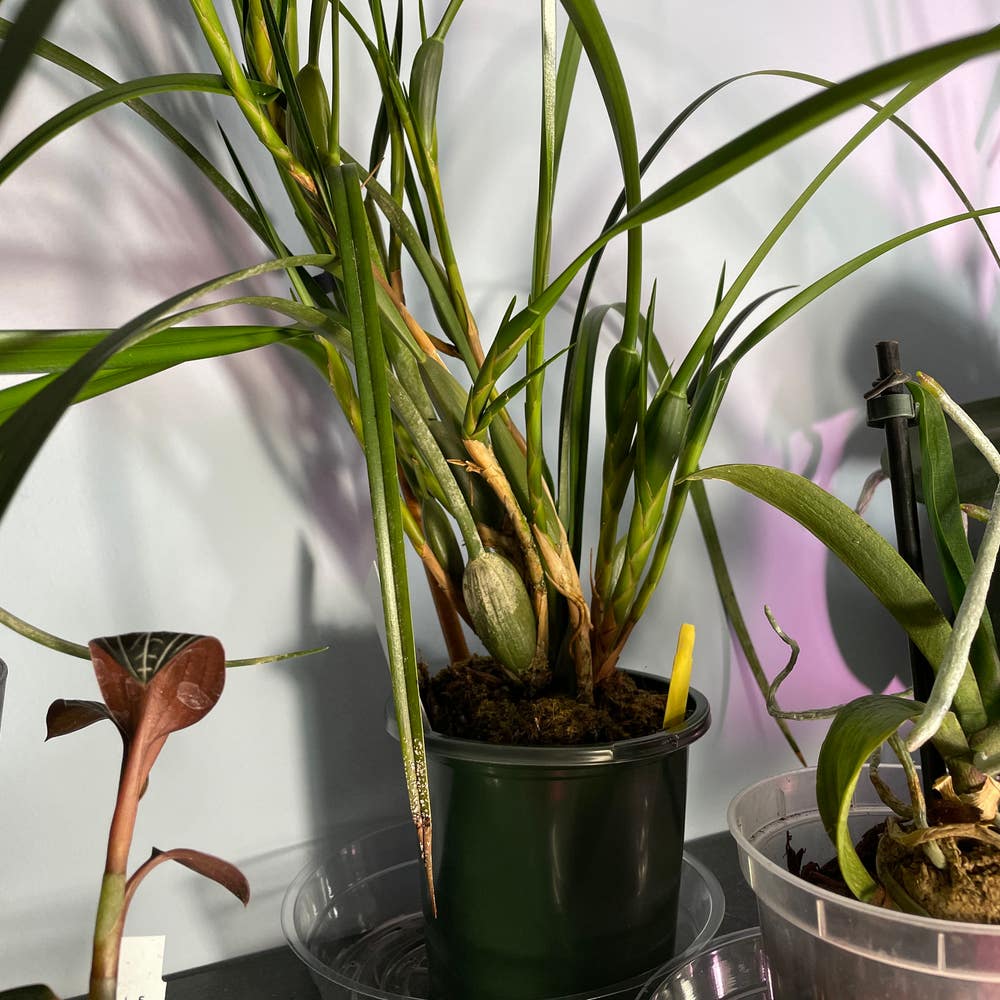
Eulophia nyasae typically reaches a mature height of 30-60 cm (12-24 inches) and spreads about 30-45 cm (12-18 inches). This size makes it a versatile choice for various garden settings.
Growth Rate and Factors Affecting Size ⏳
The growth rate of Eulophia nyasae is moderate. Factors such as light, water, and nutrient availability significantly influence how quickly it grows.
Size Variability Based on Growing Conditions 🌍
The size of Eulophia nyasae can vary based on its growing conditions. Soil quality, light exposure, and watering practices all play crucial roles in determining its ultimate size.
Understanding these aspects of size can help you create the ideal environment for your Eulophia nyasae. With the right care, you can enjoy its unique beauty in your garden for years to come.
Roots
Characteristics of the Root System 🌱
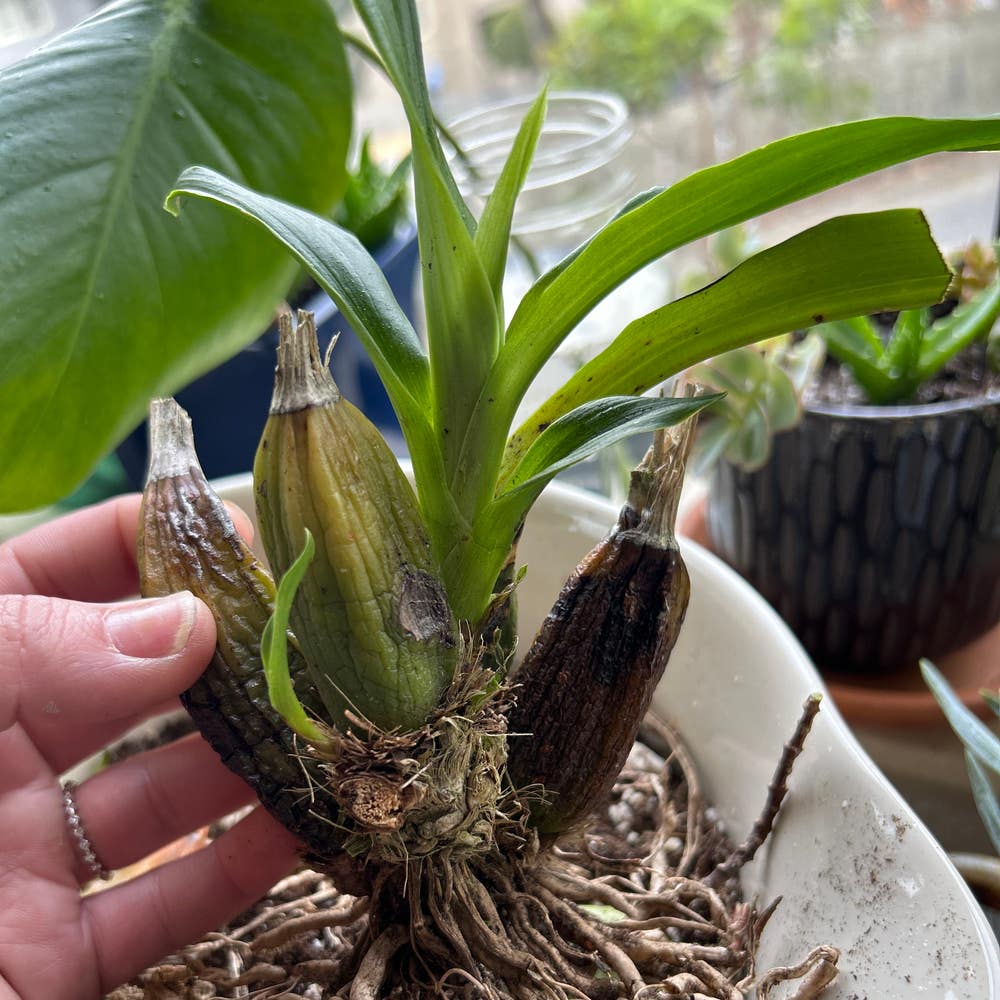
Eulophia nyasae features a tuberous root system that efficiently stores nutrients and water. Typically, the roots extend 6-12 inches deep and can spread outwards up to 12 inches.
Common Root-Related Issues ⚠️
Root health is crucial for the plant's overall vitality. Common issues include root rot, which arises from overwatering and poor drainage, and rootbound conditions, where roots fill the pot and restrict growth.
Visual Cues for Healthy vs. Unhealthy Roots 👀
Identifying root health is straightforward. Healthy roots are firm, white, and plump, while unhealthy roots appear dark, mushy, or shriveled.
Solutions for Root Problems 🛠️
Recognizing rootbound plants is essential; look for roots growing out of drainage holes. When this occurs, it's time to repot: carefully remove the plant from its pot, trim any damaged roots, and replant it in fresh, well-draining soil.
Transitioning to the next topic, understanding the lifecycle of Eulophia nyasae will provide insight into its growth stages and care requirements.
Benefits
Unique Aesthetic Appeal 🌺
Eulophia nyasae captivates with its striking flowers and lush foliage. This plant adds a vibrant touch to any garden, making it a favorite among enthusiasts.
Attracts Pollinators 🐝
Not only does it look good, but it also plays a vital role in enhancing garden biodiversity. Eulophia nyasae attracts pollinators, which are essential for a thriving ecosystem.
Drought-Tolerant 💧
Once established, this plant is drought-tolerant, significantly reducing water needs. This resilience makes it an excellent choice for gardeners looking to conserve water.
Container-Friendly 🪴
Eulophia nyasae can thrive in containers, making it perfect for small spaces. Whether on a balcony or patio, it brings beauty without requiring a large garden.
Cultural Significance 🌍
In various regions, this plant symbolizes beauty and resilience. Its cultural importance adds depth to its appeal, connecting gardeners to traditions and stories.
These benefits make Eulophia nyasae a fantastic addition to any garden. Its unique qualities not only enhance your outdoor space but also contribute positively to the environment. Next, let’s explore the best companion plants that can thrive alongside Eulophia nyasae.
Companion Plants
🌱 Explanation of Companion Planting
Companion planting is a gardening strategy that enhances biodiversity and promotes healthy growth. By pairing plants with complementary needs, you can improve pest management and create a thriving ecosystem in your garden.
🌼 List of Compatible Companion Plants
When growing Eulophia nyasae, consider these compatible companions:
- Ferns: They thrive in similar light and humidity conditions, providing a lush backdrop.
- Other Orchids: Sharing similar care requirements, they create a harmonious display.
- Shade-Tolerant Perennials: These plants can coexist without competing for sunlight, ensuring a balanced garden.
These companions not only look great together but also support each other's growth.
🚫 Plants to Avoid Planting Near
While some plants thrive alongside Eulophia nyasae, others can hinder its growth. Avoid planting near:
- Heavy Feeders: These plants consume a lot of nutrients, which can deprive your orchids.
- Full Sun Plants: They may compete for light, leading to stunted growth for your Eulophia.
Choosing the right companions is key to a flourishing garden. By being mindful of your plant pairings, you can create a vibrant and healthy environment for Eulophia nyasae to thrive.
As you plan your garden, consider how these companion plants can enhance your Eulophia's growth and overall health. Next, let’s explore the common problems that can arise in your gardening journey.
Problems
Common Problems 🌱
1. Incorrect Watering
Watering is a crucial aspect of Eulophia nyasae care. Underwatering leads to wilting, while overwatering causes yellowing leaves.
To remedy these issues, adjust your watering frequency and ensure proper drainage in the pot.
2. Incorrect Light Conditions
Light conditions can significantly impact growth. If your plant exhibits leggy growth or scorched leaves, it’s a sign that the light exposure is not ideal.
Consider relocating your plant to a spot with appropriate light levels to promote healthy growth.
3. Incorrect Temperature
Temperature plays a vital role in the health of your Eulophia nyasae. Stunted growth or leaf drop indicates that the plant is not receiving consistent warm temperatures.
To maintain optimal conditions, ensure that the temperature remains within the ideal range of 20°C to 30°C (68°F to 86°F).
4. Diseases
Fungal diseases can pose a threat to your plant's health. Common issues include powdery mildew, rust, and black rot.
To combat these problems, improve air circulation around the plant and apply fungicides as necessary.
5. Growth Problems
If your Eulophia nyasae is not growing, leaning, or appears etiolated, it’s time to assess its care. These symptoms often stem from inadequate light, water, or nutrient levels.
Evaluate and adjust your plant care routine to address these growth challenges effectively.
Conclusion 🌟
By staying vigilant about these common problems, you can ensure that your Eulophia nyasae thrives. Next, let’s explore how to effectively manage potential pest issues that may arise.
Bugs
Potential Pest Issues 🐜
Eulophia nyasae is generally a tough plant, boasting moderate pest resistance. However, it can still fall victim to a few pesky invaders.
Identification and Damage Caused by Each Pest 🔍
- Spider mites: Look for fine webbing and stippled leaves, which indicate these tiny arachnids are at work.
- Scale insects: These pests leave behind sticky residue and cause yellowing leaves, making them easy to spot.
- Mealybugs: Identified by their cotton-like masses on stems and leaves, mealybugs can be quite a nuisance.
- Aphids: If you notice distorted new growth and sticky honeydew, aphids are likely the culprits.
- Whiteflies: Tiny white insects lurking on the undersides of leaves signal a whitefly infestation.
Effective Treatment Options for Pest Control 🛠️
To combat these pests, consider using:
- Insecticidal soap: This is effective for many soft-bodied insects.
- Neem oil: A natural solution that disrupts pest life cycles.
- Beneficial insects: Introducing predators like ladybugs can help keep pest populations in check.
By staying vigilant and employing these treatment methods, you can keep your Eulophia nyasae thriving and pest-free. Now, let’s explore how to protect your plants from animal threats!
What Eats
🦌 Common Animals That May Damage
Eulophia nyasae can attract a variety of hungry critters.
- Deer: Look for chewed leaves and broken stems as telltale signs.
- Rabbits: They often nibble on the lower foliage, leaving noticeable bite marks.
- Squirrels: These little diggers may disturb the base of the plant while searching for food.
- Birds: Watch for pecking at flowers or seeds, which can lead to significant damage.
- Rodents: They might gnaw on tubers or roots, causing hidden harm below the surface.
🕵️♂️ Signs of Animal Presence and Types of Damage
Identifying animal damage early can save your plant from further harm.
Common signs include:
- Missing leaves: A clear indication of munching.
- Broken stems: Often a result of larger animals like deer.
- Disturbed soil: This could point to digging by squirrels or rodents.
🚫 Deterrent Methods for Managing Animal Threats
Protecting your Eulophia nyasae from these pests is essential for its health.
Consider these methods:
- Chemical methods: Use commercial repellents designed to deter animals.
- Organic methods: Planting deterrent species or using physical barriers like fencing can effectively keep unwanted visitors at bay.
By staying vigilant and employing these strategies, you can enjoy the beauty of Eulophia nyasae without the worry of animal damage. Next, let’s explore the common problems that can affect its growth and how to tackle them effectively.
⚠️ Safety First
This content is for general information and may contain errors, omissions, or outdated details. It is not medical, veterinary advice, or an endorsement of therapeutic claims.
Always consult a qualified healthcare professional before using any plant as food, medicine, or supplement.
Never eat any plant (or feed one to pets) without confirming its identity with at least two trusted sources.
If you suspect poisoning, call Poison Control (800) 222-1222, the Pet Poison Helpline (800) 213-6680, or your local emergency service immediately.
Spotted an error? Please report it here.
Eulophia nyasae can be a showstopper in your collection 🌺, and with Greg's custom watering alerts and expert care tips, you'll be well-equipped to help it flourish!