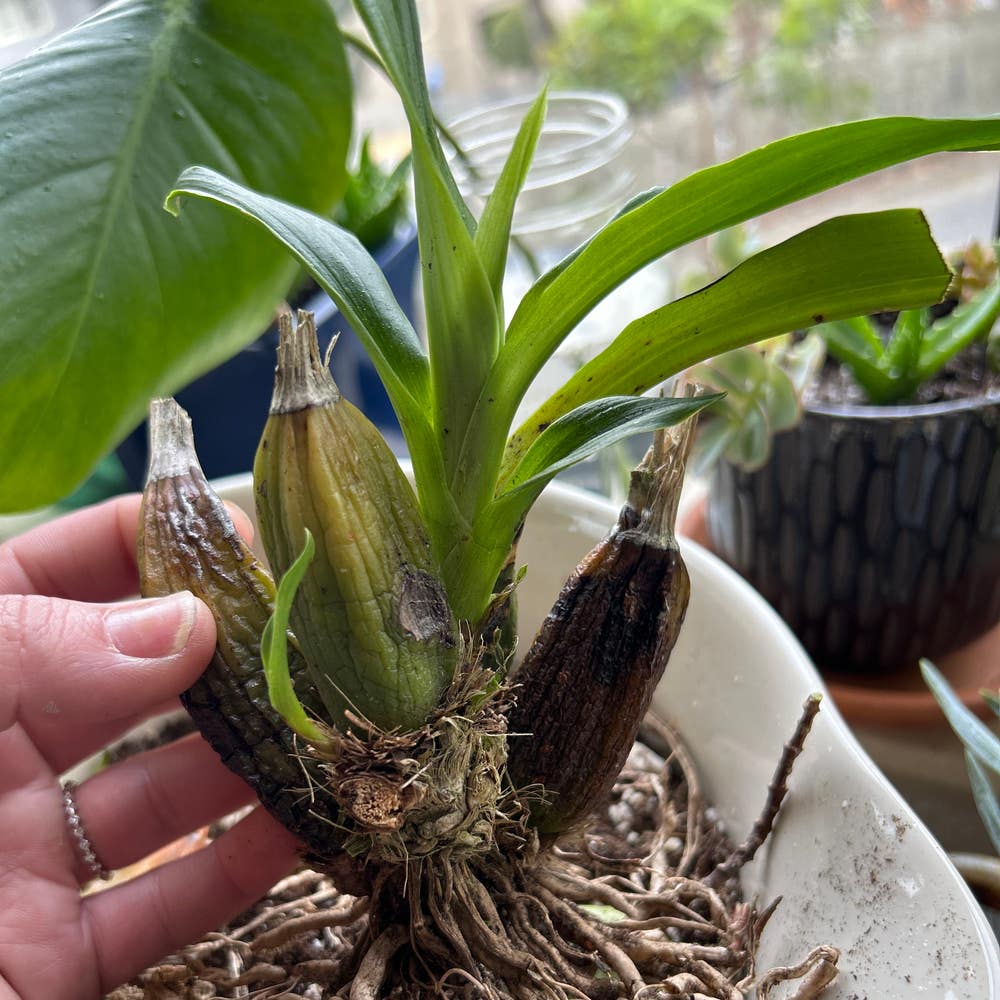
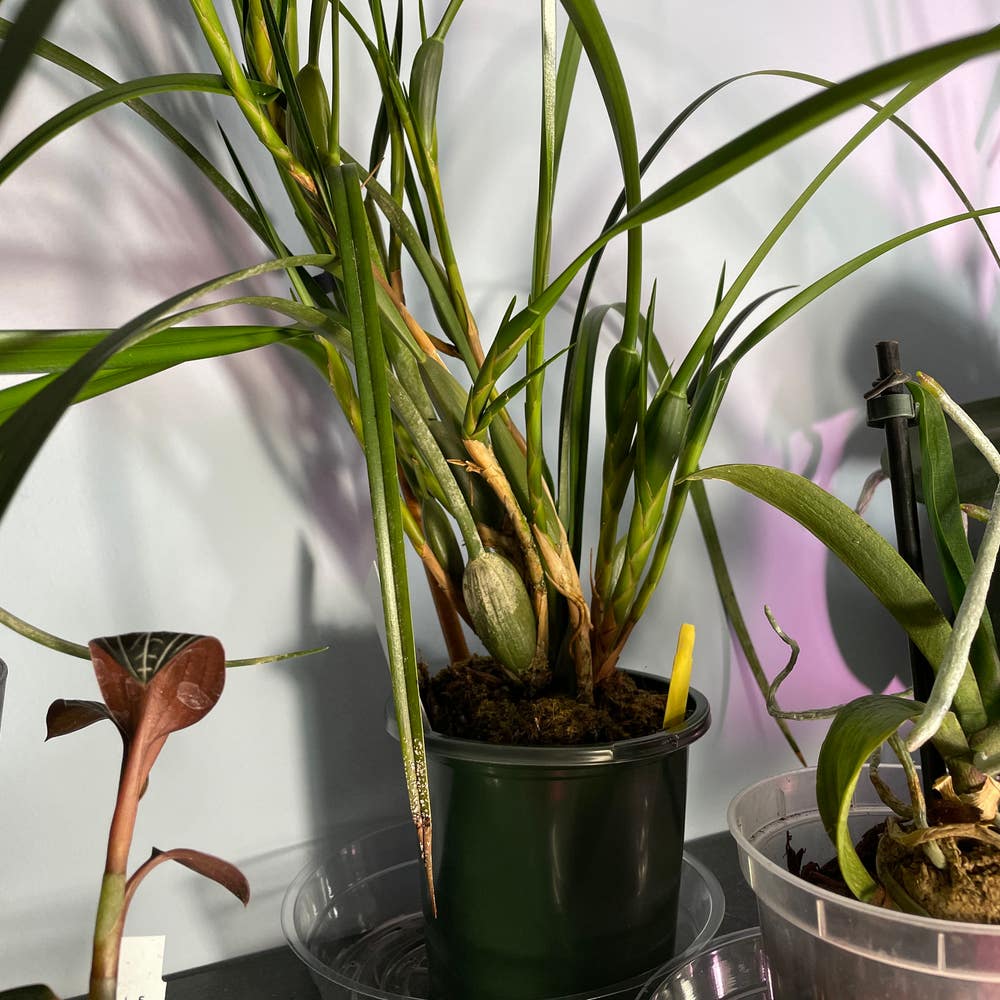
Ultimate Guide to Eulophia norlindhii
Eulophia norlindhii
By the Greg Editorial Team
Feb 27, 2025•13 min read
This article was created with the help of AI so we can cover more plants for you. May contain errors. See one? Report it here.
Discover how to effortlessly grow Eulophia norlindhii, a stunning orchid that brightens any garden! 🌼
- 🌡️💧 Eulophia norlindhii thrives in warm, humid conditions (20-30°C, 50%+ humidity).
- 🌱 Use well-draining soil with pH 6.0-7.0 for optimal growth.
- 🌼 Low maintenance once established, perfect for busy gardeners seeking beauty.
How to Grow
Choosing a Location 🌞
Eulophia norlindhii thrives in a range of light conditions, from full sun to partial shade. Aim for warm temperatures, ideally between 20°C to 30°C (68°F to 86°F), and ensure high humidity levels of 50% or more for optimal growth.
Soil Preparation 🌱
For soil preparation, choose a well-draining mix rich in organic matter. The ideal soil pH is slightly acidic to neutral, ranging from 6.0 to 7.0, to support healthy root development.
Planting Techniques 🌼
When planting, bury the bulbs 2-3 inches deep to provide stability. Space them 12-18 inches apart to allow for ample growth and airflow.
Watering Requirements 💧
Water your Eulophia norlindhii when the top inch of soil feels dry. Use deep watering techniques to encourage robust root growth, but be cautious to avoid waterlogging.
Fertilizing Schedule 🌿
A balanced, slow-release fertilizer with an NPK ratio of 10-10-10 works best. Fertilize every 4-6 weeks during the growing season to keep your plants nourished and thriving.
Pruning and Ongoing Care ✂️
Regular maintenance is key to a healthy plant. Deadhead spent flowers to promote new blooms and inspect your plants frequently for pests and diseases to catch any issues early.
With these guidelines, your Eulophia norlindhii will flourish, setting the stage for a vibrant display in your garden. Next, let’s explore how to propagate this beautiful plant effectively.
Propagation
🌱 Methods of Propagation
Eulophia norlindhii can be propagated through two primary methods: seeds and division. Each method has its own unique benefits and is suitable for different situations.
📋 Step-by-Step Instructions for Each Method
1. Seeds
- Start by collecting seeds from mature pods. This ensures you have viable seeds for planting.
- Sow the seeds in a well-draining medium to promote healthy growth.
- Keep the soil moist until germination occurs, which typically takes 2-4 weeks.
2. Division
- Carefully dig up the established plant during its dormancy. This minimizes stress on the plant.
- Separate the bulbs, ensuring that each bulb has roots attached. This is crucial for successful replanting.
- Replant the bulbs immediately in suitable soil to encourage quick establishment.
⏰ Timing and Conditions for Successful Propagation
For the best results, sow seeds in late spring to early summer. This timing aligns with the plant's natural growth cycle, promoting robust development.
When it comes to division, the ideal times are early spring or fall. These periods allow the plant to recover and thrive in its new location.
With these propagation techniques, you can expand your Eulophia norlindhii collection and enjoy its beauty in multiple spots around your garden. Next, let’s explore the lifecycle of this fascinating plant.
Lifecycle
🌱 Lifecycle Stages
Eulophia norlindhii goes through several distinct stages during its lifecycle.
- Germination: This initial phase takes about 2-4 weeks after sowing seeds.
- Seedling Stage: Following germination, the plant enters the seedling stage, lasting 4-8 weeks until it develops true leaves.
🌿 Vegetative Growth and Flowering
- Vegetative Growth: This stage lasts approximately 2-3 months, during which the plant grows to its mature size.
- Flowering: Typically, flowering occurs in late summer, showcasing the plant's vibrant blooms.
🌾 Seed Production
After flowering, Eulophia norlindhii produces seeds that develop in pods. This stage is crucial for the continuation of the species and allows for propagation.
⏳ Duration to Maturity
Eulophia norlindhii takes about 6-12 months to reach full maturity.
- Growth Rate: The growth rate is moderate and can vary based on environmental conditions.
Understanding these lifecycle stages is essential for successful cultivation and care of this beautiful plant. As you nurture Eulophia norlindhii, you'll witness its transformation from seed to stunning flower, making the wait worthwhile.
Next, let's explore the size of this remarkable plant and what to expect as it grows.
Size
Mature Height and Spread 🌱
Eulophia norlindhii typically reaches a mature height of 30-60 cm (12-24 inches) and spreads about 30-45 cm (12-18 inches). This compact size makes it an excellent choice for various garden settings.
Growth Rate and Time to Reach Full Size ⏳
Under optimal conditions, expect a moderate growth rate, allowing the plant to reach its full size within approximately one year. This steady growth means you won't have to wait long to enjoy its beautiful blooms.
Size Variability Based on Growing Conditions 🌦️
The size of Eulophia norlindhii can vary significantly based on environmental factors. Light, water, and soil quality all play crucial roles in determining how robust your plant will become.
Container vs. Ground Growth
Plants grown in containers may exhibit different growth patterns compared to those in the ground. Container plants often have limited root space, which can restrict their size, while ground-planted specimens typically thrive with more room to spread.
Understanding these size dynamics can help you make informed decisions about where to plant Eulophia norlindhii. This knowledge ensures that you create the best environment for your plants to flourish, leading to a vibrant and healthy garden.
As we explore the next section, we'll delve into the fascinating lifecycle of Eulophia norlindhii and how it develops from seed to bloom.
Roots
Characteristics of the Root System 🌱
Eulophia norlindhii features a fibrous root system that is essential for its stability and nutrient uptake. These roots are shallow and spread out, allowing the plant to efficiently absorb moisture and nutrients from the top layers of the soil.
Common Root-Related Issues ⚠️
Root health is crucial for the overall vitality of Eulophia norlindhii. Two common issues include root rot, which occurs due to overwatering, and being rootbound, where the plant's growth is stunted and roots begin to circle the pot.
Visual Cues for Healthy vs. Unhealthy Roots 👀
Healthy roots are typically firm, white, and well-spread throughout the soil. In contrast, unhealthy roots may appear brown, mushy, or emit a foul smell, indicating serious problems that need addressing.
Tips for Managing Root Problems 🛠️
To prevent root rot, ensure that your plant has proper drainage in its pot or planting area. If you suspect your plant is rootbound, check for roots emerging from drainage holes, which is a clear sign that it’s time to repot.
Understanding the root system of Eulophia norlindhii is vital for its care. By keeping an eye on root health and addressing issues promptly, you can ensure your plant thrives beautifully.
Next, we’ll explore the benefits of growing Eulophia norlindhii, highlighting why this plant is a fantastic addition to your garden.
Benefits
Top 5 Benefits of Growing Eulophia norlindhii 🌺
Attractive Flowers: Eulophia norlindhii produces stunning blooms that can elevate the aesthetic appeal of any garden. Their vibrant colors and unique shapes make them a focal point in tropical and subtropical landscapes.
Pollinator Attraction: These orchids are excellent for attracting pollinators like bees and butterflies. By planting them, you contribute to the health of local ecosystems, supporting biodiversity.
Low Maintenance: Once established, Eulophia norlindhii requires minimal care. This makes them perfect for gardeners who prefer a beautiful garden without the constant upkeep.
Unique Addition: This plant offers a distinctive touch to your garden. Its exotic appearance can set your landscape apart, making it a conversation starter among visitors.
Medicinal Uses: In some cultures, Eulophia norlindhii is valued for its potential medicinal properties. It has been used in traditional practices, showcasing its versatility beyond mere aesthetics.
Cultural Significance and Symbolism 🌍
Eulophia norlindhii holds a special place in various local cultures. It is often associated with traditional medicine, reflecting the deep-rooted connection between plants and cultural practices.
Moreover, this orchid symbolizes beauty and resilience in gardens. Its ability to thrive in diverse conditions serves as a reminder of nature's strength and adaptability. Embracing this plant can inspire a deeper appreciation for the natural world around us.
As you consider adding Eulophia norlindhii to your garden, think about the beauty and ecological benefits it brings. Next, let’s explore how to propagate this remarkable plant and expand your collection.
Companion Plants
🌱 Companion Planting and Its Benefits
Companion planting is a fantastic way to enhance your garden's diversity and improve pest management. By selecting the right plants, you can create a thriving ecosystem that promotes healthy growth through beneficial relationships.
🌿 Compatible Companion Plants
When growing Eulophia norlindhii, consider pairing it with compatible plants like ferns, other orchids, and tropical foliage. These plants share similar humidity and light needs, making them ideal companions.
On the flip side, avoid heavy feeders that compete for nutrients. These plants can hinder the growth of Eulophia norlindhii, leading to suboptimal results.
💭 Final Thoughts
Choosing the right companions not only boosts the health of your Eulophia norlindhii but also creates a vibrant garden space. With thoughtful planning, you can cultivate a flourishing environment that benefits all your plants.
Next, let’s explore the potential toxicity of Eulophia norlindhii to humans, dogs, and cats, ensuring a safe gardening experience for everyone.
Toxicity to Humans
Safety of Eulophia norlindhii for Humans 🌿
Eulophia norlindhii is generally considered safe for humans. Major poison control centers do not list it as toxic, making it a low-risk plant for your garden.
While handling or consuming small amounts is typically safe, caution is advised. Ingesting large quantities may lead to mild skin irritation or digestive discomfort.
Always exercise care with any plant. If you experience unusual symptoms after contact or consumption, seek medical advice promptly.
This plant can be a delightful addition to your space, offering beauty without significant health risks. Enjoy your gardening while keeping safety in mind!
Toxicity to Dogs
Safety of Eulophia norlindhii for Dogs 🐶
Eulophia norlindhii is generally safe for dogs, as it is not listed as toxic by major pet poison control centers. However, if your furry friend munches on a large quantity, they may experience mild gastrointestinal upset.
Proper Placement and Monitoring 🏡
To ensure your dog's safety, keep Eulophia norlindhii out of their reach. It's also wise to monitor their behavior around new plants, just to be on the safe side.
Conclusion 📝
While Eulophia norlindhii poses minimal risk to dogs, being proactive about plant placement and monitoring can help prevent any potential issues. Next, let’s explore how this plant interacts with our feline friends.
Toxicity to Cats
Safety of Eulophia norlindhii for Cats 🐱
Eulophia norlindhii is not considered toxic to cats by major pet poison control centers. This means you can enjoy this beautiful plant without worrying too much about your feline friends.
However, if a cat consumes large quantities, it may experience mild gastrointestinal upset. It's always a good idea to keep an eye on your cat's behavior around new plants, just to be safe.
Proper Placement and Monitoring 🏡
To ensure safety, place Eulophia norlindhii out of reach of curious cats. This simple step can prevent any accidental munching.
Regularly monitor your cat's interactions with the plant. If you notice any unusual behavior or signs of discomfort, consult your veterinarian for advice.
In summary, while Eulophia norlindhii poses minimal risk to cats, vigilance is key to maintaining a harmonious home. Now that you know about its safety, let's explore the potential problems you might encounter while growing this lovely plant.
Problems
🌱 Common Problems Faced When Growing
Growing Eulophia norlindhii can be rewarding, but it comes with its share of challenges. Here are some common problems you might encounter:
- Incorrect watering: Overwatering leads to yellowing leaves, while underwatering causes wilting.
- Incorrect light conditions: Too much sun can scorch the leaves, damaging the plant.
- Incorrect temperature: Cold conditions can stunt growth, hindering development.
- Diseases: Watch out for powdery mildew, rust, and black rot, which can affect overall health.
- Root problems: Root rot and squishy roots are signs of poor drainage or overwatering.
🔍 Identification and Causes of Issues
Identifying these issues early can save your plant. Here’s how to recognize them:
- Overwatering: Yellow leaves signal distress, while underwatering results in droopy, wilted foliage.
- Light issues: Scorched leaves often appear bleached or crispy at the edges.
- Temperature stress: Stunted growth or slow development indicates the plant is too cold.
- Diseases: Look for white powdery spots (powdery mildew), rust-colored spots (rust), or dark patches (black rot).
- Root problems: Healthy roots are firm and white; unhealthy roots are brown, mushy, or emit a foul smell.
🛠️ Solutions for Each Problem
Addressing these problems promptly can help revive your Eulophia norlindhii. Here are some solutions:
- Watering: Adjust your watering schedule. Ensure the top inch of soil dries out before watering again.
- Light conditions: Move the plant to a location with filtered sunlight or partial shade to prevent leaf scorch.
- Temperature: Keep the plant in a warm environment, ideally between 20°C to 30°C (68°F to 86°F).
- Diseases: Remove affected leaves and apply appropriate fungicides to combat diseases.
- Root issues: Ensure proper drainage by using well-draining soil and pots with drainage holes. If root rot occurs, repot the plant with fresh soil.
By staying vigilant and addressing these common problems, you can enjoy a thriving Eulophia norlindhii in your garden. Next, let’s explore the potential pests that could pose a threat to your plant’s health.
Bugs
Potential Pest Issues 🐜
Eulophia norlindhii is generally known for its moderate pest resistance. However, it can still fall prey to a few common pests that may affect its health.
Identification and Damage Caused by Pests 🔍
Identifying pests early can save your plant from significant damage. Here are some pests to watch out for:
- Spider mites: Look for fine webbing and leaf discoloration.
- Scale insects: They leave a sticky residue and can cause leaf drop.
- Mealybugs: These pests appear as cotton-like masses on leaves.
- Aphids: They cause curling leaves and stunted growth.
Effective Treatment Options for Pest Management 💊
Managing pests effectively is key to keeping your Eulophia norlindhii thriving. Here are some treatment options:
- Organic methods: Introduce beneficial insects like ladybugs or use insecticidal soap.
- Chemical control: Apply targeted pesticides if infestations are severe.
Regular monitoring and prompt action can help maintain the health of your plants. By staying vigilant, you can enjoy the beauty of Eulophia norlindhii without the worry of pest damage.
What Eats
Common Animals That May Damage 🦌
Eulophia norlindhii can attract a variety of hungry critters. Common culprits include deer, rabbits, squirrels, and rodents, all of which may find your beautiful plants irresistible.
Signs of Animal Presence and Types of Damage 🐾
Keep an eye out for telltale signs of these animals. Look for browsing on leaves, broken stems, and even footprints around your garden, indicating that your plants are being targeted.
Methods for Deterring or Managing These Animals 🚫
To protect your plants, consider a few effective strategies.
- Chemical repellents: Use sprays designed to deter animals without harming your plants.
- Physical barriers: Fencing or netting can keep larger animals at bay.
- Companion planting: Pairing Eulophia with plants that animals dislike can help create a natural deterrent.
By implementing these methods, you can enjoy the beauty of Eulophia norlindhii without the worry of unwanted nibblers.
Next, let’s explore potential pest issues that can also affect your plant's health.
⚠️ Safety First
This content is for general information and may contain errors, omissions, or outdated details. It is not medical, veterinary advice, or an endorsement of therapeutic claims.
Always consult a qualified healthcare professional before using any plant as food, medicine, or supplement.
Never eat any plant (or feed one to pets) without confirming its identity with at least two trusted sources.
If you suspect poisoning, call Poison Control (800) 222-1222, the Pet Poison Helpline (800) 213-6680, or your local emergency service immediately.
Spotted an error? Please report it here.
Cultivate your Eulophia norlindhii to bloom beautifully 🌼 with Greg's tailored watering and care tips that ensure your plant thrives in its ideal warm and humid environment!