What You Should Know About Eulophia nicobarica
Eulophia nicobarica
By the Greg Editorial Team
Feb 27, 2025•10 min read
This article was created with the help of AI so we can cover more plants for you. May contain errors. See one? Report it here.
Elevate your garden's beauty effortlessly with Eulophia nicobarica, the stunning orchid that thrives in shade! 🌱
- 🌱 Eulophia nicobarica thrives in high humidity and shaded areas for optimal growth.
- 🌿 Use well-draining soil with a pH of 5.5-6.5 for best results.
- 🌼 Regular pruning and fertilizing every 4-6 weeks promote healthy growth and flowering.
How to Grow
Choosing a Location 🌳
Eulophia nicobarica thrives in shaded to partially shaded areas, making it perfect for those cozy garden corners. This plant loves high humidity, so consider placing it in a spot that mimics its tropical origins.
Soil Preparation 🪴
For optimal growth, ensure you use well-draining soil. Aim for a pH level between 5.5 and 6.5 to maximize nutrient availability.
Planting Techniques 🌱
When planting, space your Eulophia nicobarica at least 12-18 inches apart to give them room to flourish. Plant the rhizomes 2-3 inches deep to encourage strong root development.
Watering Requirements 💧
Keep the soil consistently moist, but avoid waterlogging, which can harm the roots. Use a gentle watering method to prevent disturbing the delicate root system.
Fertilizing Schedule 🌼
A balanced orchid fertilizer is your best bet for feeding these beauties. Fertilize every 4-6 weeks during the growing season to keep them healthy and vibrant.
Pruning Practices ✂️
Prune your Eulophia nicobarica after flowering to promote new growth. Focus on removing spent flower spikes and any dead or damaged leaves to maintain plant health.
Ongoing Care 🔍
Regularly monitor your plants for signs of stress or disease, as early detection is key. Adjust your care routine with the changing seasons, particularly in response to temperature and humidity fluctuations.
With these tips, you'll be well on your way to cultivating a thriving Eulophia nicobarica that adds beauty and intrigue to your garden. Next, let's explore how to propagate this stunning plant for even more growth opportunities.
Propagation
Seed Propagation 🌱
Eulophia nicobarica can be propagated from seeds, but it requires specific conditions to thrive. High humidity and warm temperatures are crucial for successful germination, which typically takes about 2-4 weeks.
Division of Rhizomes ✂️
Another effective propagation method is the division of rhizomes. This technique is best performed in early spring, just before new growth begins, ensuring the plant can recover quickly.
To divide the rhizomes, carefully separate them, making sure each division has roots and at least one growth point. This method is relatively easy and can lead to healthy new plants.
By understanding these propagation techniques, you can expand your collection of Eulophia nicobarica and enjoy its beauty in multiple locations. Now, let's explore the lifecycle of this fascinating plant.
Lifecycle
Lifecycle Stages 🌱
Eulophia nicobarica is a perennial plant that showcases a fascinating multi-stage lifecycle. Understanding these stages is crucial for successful cultivation.
Germination Process and Timeline ⏳
Germination typically occurs within 2-4 weeks under optimal conditions. This period is critical as it sets the foundation for healthy growth.
Seedling Stage Characteristics 🌿
During the seedling stage, young plants develop roots and initial leaves. Consistent moisture and humidity are essential for their survival and development.
Vegetative Growth Phase 🌳
As temperatures rise, Eulophia nicobarica enters a rapid vegetative growth phase. This stage focuses on leaf development, which is vital for photosynthesis.
Flowering Period and Seed Production 🌸
Flowering occurs in late spring to early summer, showcasing beautiful blooms. After flowering, the plant produces seeds, continuing its lifecycle.
Lifespan and Growth Rate Specifics 📏
Eulophia nicobarica can live for several years, thriving in ideal conditions. It typically grows at a rate of about 12-18 inches per year, making it a rewarding addition to any garden.
This lifecycle understanding not only enhances your gardening skills but also deepens your appreciation for this unique plant. Next, we will explore the size characteristics of Eulophia nicobarica, including its mature height and spread.
Size
Mature Height and Spread 🌱
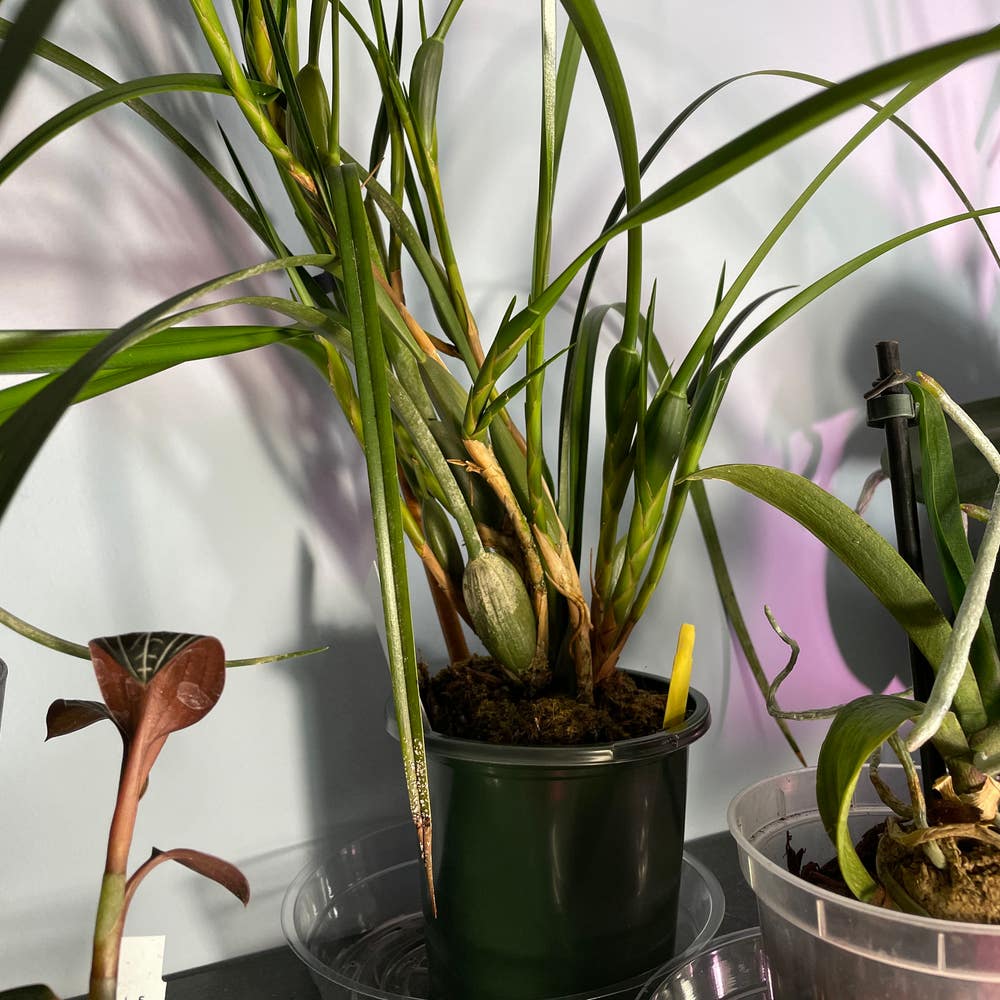
Eulophia nicobarica typically reaches a mature height of 24-36 inches. Its spread can expand to about 12-18 inches wide, making it a striking addition to any garden.
Growth Rate and Factors Affecting Size 📈
The growth rate of Eulophia nicobarica is influenced by several factors, including light, humidity, and soil quality. If conditions are overcrowded or nutrients are insufficient, you may notice variability in size, which can affect the plant's overall health and appearance.
Understanding these aspects of size can help you create the ideal environment for your Eulophia nicobarica. By ensuring optimal conditions, you can enjoy its full potential and vibrant presence in your garden.
Next, let’s explore the fascinating lifecycle of this unique plant.
Roots
Characteristics of the Root System 🌱
Eulophia nicobarica features a fibrous root system that is essential for its growth. These roots typically extend 6-12 inches deep, allowing the plant to anchor itself securely while accessing moisture and nutrients.
Growth Patterns and Spread of Roots 🌍
The roots of Eulophia nicobarica exhibit both horizontal and vertical growth patterns. This dual approach helps the plant efficiently seek out moisture and nutrients in its environment.
Common Root-Related Issues ⚠️
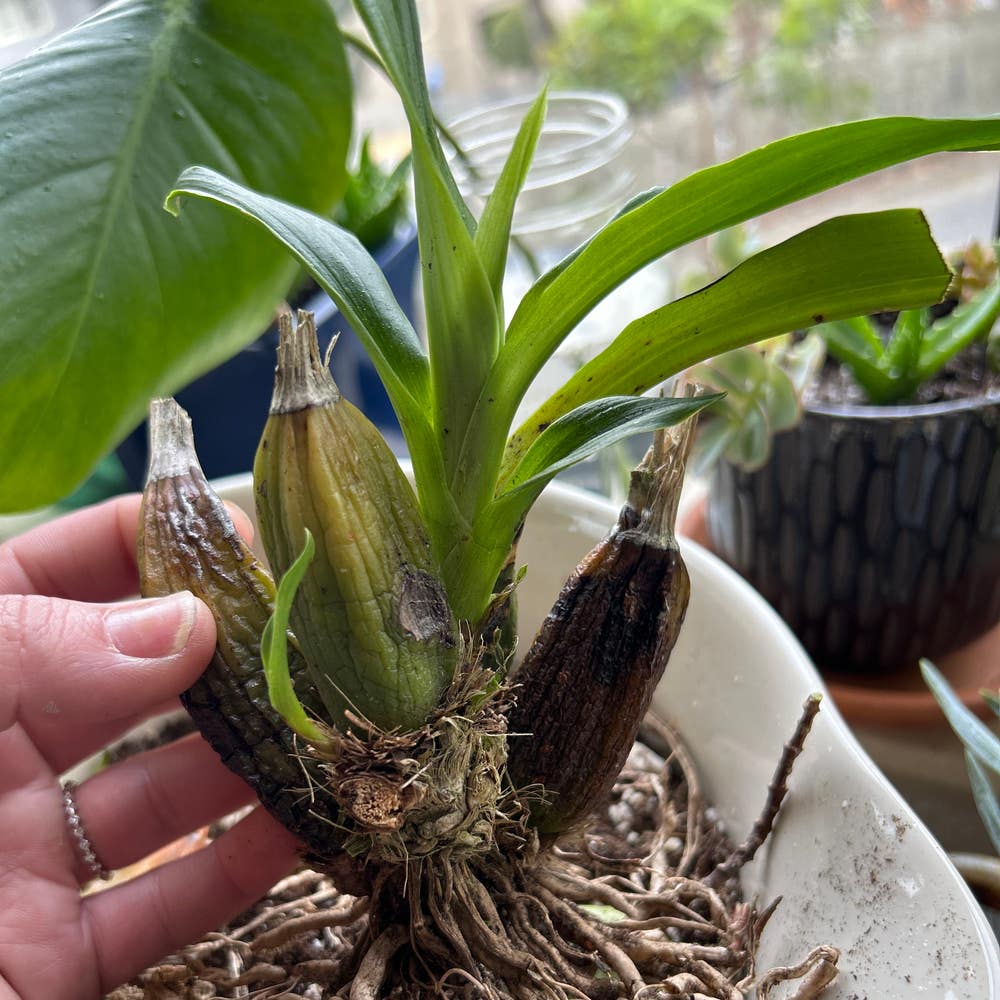
Root health is crucial for the overall vitality of Eulophia nicobarica. Overwatering can lead to root rot, characterized by mushy roots and yellowing leaves. Conversely, a rootbound condition occurs when the roots fill the pot, resulting in stunted growth and roots emerging from drainage holes.
Visual Cues for Healthy vs. Unhealthy Roots 👀
Identifying root health is straightforward. Healthy roots are firm and typically white or light tan in color. In contrast, unhealthy roots may appear dark, mushy, or emit a foul smell, indicating rot.
Understanding these root characteristics and issues can significantly enhance your care for Eulophia nicobarica. By monitoring root health, you can ensure your plant thrives and flourishes in its environment.
Next, let’s explore the benefits of growing this unique orchid and how it can enhance your garden.
Benefits
Top 5 Benefits 🌟
Eulophia nicobarica offers a variety of advantages that make it a fantastic addition to any garden. Here are the top five benefits you can expect:
Aesthetic Appeal: The unique flowers of Eulophia nicobarica add a striking visual element to your garden. Their vibrant colors and intricate shapes can captivate anyone who passes by.
Cultural Significance: This plant holds value in traditional practices within its native regions. Incorporating it into your garden can connect you to rich cultural histories and stories.
Biodiversity: By planting Eulophia nicobarica, you contribute to garden diversity and enhance ecosystem health. This orchid supports various pollinators, promoting a balanced environment.
Low Maintenance: Once established, Eulophia nicobarica requires minimal care. This makes it an ideal choice for busy gardeners or those new to plant care.
Educational Value: Growing Eulophia nicobarica provides opportunities to learn about orchid cultivation and the fascinating symbiotic relationships in nature. It’s a great way to deepen your understanding of plant biology.
Incorporating Eulophia nicobarica into your garden not only beautifies your space but also enriches your gardening experience. With its low maintenance needs and educational potential, it’s a win-win for any plant enthusiast.
Next, let’s explore the best companion plants that thrive alongside Eulophia nicobarica.
Companion Plants
🌱 Companion Planting Benefits
Companion planting is a fantastic way to enhance your garden's diversity. It can also improve pest management, creating a more resilient ecosystem.
🌿 Best Companion Plants
When selecting companions for Eulophia nicobarica, consider ferns. They thrive in similar humidity and shade conditions, making them ideal partners.
Other orchids can also be great companions. They share similar care requirements, allowing them to flourish together without competing for resources.
🚫 Plants to Avoid
Be cautious with heavy feeders. Plants that require high nutrient levels may compete with Eulophia nicobarica, leading to stunted growth or nutrient deficiencies.
By choosing the right companions, you can create a harmonious garden that supports the health and beauty of your Eulophia nicobarica. This thoughtful approach not only enhances your garden's aesthetic but also fosters a thriving plant community.
Next, let’s explore some common problems you might encounter while growing this unique orchid.
Problems
Common Problems 🌱
Eulophia nicobarica can face several challenges that affect its health and growth. Understanding these common problems is key to maintaining a thriving plant.
1. Incorrect Watering 🚰
Watering is crucial for Eulophia nicobarica.
- Overwatered: Symptoms include yellowing leaves and root rot, which can lead to plant decline.
- Underwatered: Signs include wilting and crispy leaf edges, indicating the plant is not receiving enough moisture.
2. Incorrect Light Conditions 💡
Light plays a significant role in the plant's vitality.
- Symptoms: Leaf scorch or leggy growth can indicate too much or too little light, both of which can hinder growth.
3. Incorrect Temperature 🌡️
Temperature fluctuations can stress the plant.
- Symptoms: Stunted growth or leaf drop often occur in extreme temperatures, signaling that the plant is unhappy with its environment.
4. Diseases 🦠
Eulophia nicobarica is susceptible to a few diseases that can be managed with proper care.
- Powdery mildew: Look for white, powdery spots on leaves; treat with fungicides to prevent spread.
- Root rot: Caused by overwatering, improve drainage and reduce watering frequency to combat this issue.
5. Leaf Issues 🍃
Leaf health is a direct reflection of the plant's overall condition.
- Yellowing leaves: This often indicates a nutrient deficiency or overwatering, both of which require immediate attention.
By keeping an eye on these common problems, you can ensure your Eulophia nicobarica remains healthy and vibrant. Next, let’s explore potential pest issues that could also affect your plant’s well-being.
Bugs
🐜 Potential Pest Issues
Eulophia nicobarica is generally a resilient plant, but it can still fall prey to certain pests. Keeping an eye out for these invaders is crucial for maintaining its health.
🔍 Identification and Damage Caused by Pests
Spider Mites
Look for fine webbing and stippled leaves. If you spot these, treat the plant with insecticidal soap to eliminate the infestation.
Mealybugs
These pests appear as white, cotton-like masses on leaves. You can remove them manually or apply neem oil for effective control.
Aphids
These small green or black insects can cause leaf curling. To manage aphids, use insecticidal soap for a quick solution.
Monitoring your Eulophia nicobarica for these pests will help ensure it thrives. If you notice any signs of damage, act promptly to protect your plant.
What Eats
🦌 Common Animals That May Damage
Eulophia nicobarica faces threats from various animals. Deer often leave behind chewed leaves and broken stems, while rabbits can cause significant damage by munching on leaves and stems.
Squirrels are another concern; they may dig around the base of the plant, disrupting the root system. Keeping an eye out for these critters is essential for maintaining the health of your plant.
🕵️♂️ Signs of Animal Presence and Types of Damage
Identifying animal damage is crucial for timely intervention. Look for signs such as droppings, tracks, or chewed foliage, which indicate the presence of these pests.
These signs can help you determine which animal is causing the damage, allowing you to take appropriate action.
🚫 Deterrent Methods
To protect your Eulophia nicobarica, consider using deterrent methods. Chemical repellents, like commercial deer and rabbit sprays, can be effective in keeping these animals at bay.
For a more organic approach, try using garlic spray or planting deterrent plants nearby. These methods not only safeguard your plant but also promote a healthier garden ecosystem.
As you care for your Eulophia nicobarica, staying vigilant against animal threats will ensure its vibrant growth and beauty. Next, let’s explore common problems that can affect this resilient plant.
⚠️ Safety First
This content is for general information and may contain errors, omissions, or outdated details. It is not medical, veterinary advice, or an endorsement of therapeutic claims.
Always consult a qualified healthcare professional before using any plant as food, medicine, or supplement.
Never eat any plant (or feed one to pets) without confirming its identity with at least two trusted sources.
If you suspect poisoning, call Poison Control (800) 222-1222, the Pet Poison Helpline (800) 213-6680, or your local emergency service immediately.
Spotted an error? Please report it here.
Elevate your Eulophia nicobarica care with Greg's tailored reminders 🌱 for humidity and watering, ensuring this stunning orchid thrives beautifully in your home!