🌸 Introduction to Eulophia mumbwaensis
Eulophia mumbwaensis
By the Greg Editorial Team
Feb 27, 2025•12 min read
This article was created with the help of AI so we can cover more plants for you. May contain errors. See one? Report it here.
- 🌞 Eulophia mumbwaensis thrives in 4-6 hours of sunlight for optimal growth.
- 🌱 Well-draining soil with pH 6.0-7.0 is essential for healthy development.
- 💧 Regular watering is key, but allow soil to dry to prevent root rot.
How to Grow
🌞 Choosing a Location
Eulophia mumbwaensis thrives in a variety of light conditions, preferring full sun to partial shade. Aim for 4-6 hours of direct sunlight each day to keep your plants healthy and vibrant.
Temperature is another crucial factor. This plant flourishes in warm environments, ideally between 20°C to 30°C (68°F to 86°F). Moderate humidity levels will also help it thrive, so consider your local climate when selecting a spot.
🌱 Soil Preparation
When it comes to soil, Eulophia mumbwaensis prefers well-draining sandy loam or loamy soil. This ensures that excess water drains away, preventing root rot.
The ideal soil pH is slightly acidic to neutral, ranging from 6.0 to 7.0. Always check your soil's drainage capabilities to create the best environment for your plant.
🌿 Planting Techniques
For planting, tubers should be placed 2-3 inches deep in the soil. This depth allows for proper growth and stability.
Spacing is equally important; plant your Eulophia mumbwaensis tubers 12-18 inches apart. This gives them room to grow without competing for resources.
💧 Watering Requirements
Water your plants regularly, but be mindful to let the soil dry out between watering sessions. This balance is key to preventing overwatering.
When watering, aim to apply water at the base of the plant. This method helps avoid wetting the foliage, which can lead to fungal issues.
🌼 Fertilizing
Use a balanced fertilizer, such as NPK 10-10-10, to nourish your Eulophia mumbwaensis. This will provide the essential nutrients needed for healthy growth.
Fertilize every 4-6 weeks during the growing season. This consistent feeding will support robust development and flowering.
✂️ Pruning and Ongoing Care
Deadheading is an essential practice; remove spent flowers to encourage further blooming. This simple step can significantly enhance the plant's appearance and vitality.
Regularly monitor your plants for pests and diseases. Adjust your care routine as needed to ensure that your Eulophia mumbwaensis remains healthy and thriving.
With these tips, you're well on your way to cultivating a flourishing Eulophia mumbwaensis. Next, let’s explore how to propagate this beautiful plant for even more growth opportunities.
Propagation
🌱 Seed Propagation
To propagate Eulophia mumbwaensis from seeds, start by sowing them in well-draining soil. Keep the soil moist and maintain warm temperatures between 20°C to 25°C (68°F to 77°F) for optimal germination.
Germination typically takes about 2-4 weeks, so be patient as you await those little sprouts. This method is a rewarding way to expand your collection of these beautiful plants.
🥔 Division of Tubers
Dividing tubers is another effective propagation technique. The best time to do this is in early spring, just before new growth begins.
Carefully separate the tubers and replant them immediately to ensure they establish well in their new locations. This method not only helps in propagation but also promotes healthier growth for your Eulophia mumbwaensis.
With these propagation techniques, you can enjoy a thriving garden filled with vibrant Eulophia mumbwaensis plants. Next, let’s explore the lifecycle of this fascinating species.
Lifecycle
Lifecycle Stages 🌱
Eulophia mumbwaensis takes about 2-3 years to reach full maturity from seed or cutting. Initially, seeds germinate within 2-4 weeks, followed by a seedling development phase lasting 6-12 months.
Growth and Flowering 🌼
During its vegetative growth phase, the plant experiences rapid growth for 1-2 years. Flowering typically occurs in summer, showcasing vibrant blooms that can last several weeks.
Seed Production and Lifespan 🌾
This plant can live for several years, with optimal growth seen in the first 3-5 years. After flowering, seed production takes place, with seeds maturing in late summer, ensuring the continuation of its lifecycle.
As you explore the lifecycle of Eulophia mumbwaensis, you'll appreciate the beauty of its growth stages and the importance of proper care to maximize its potential. Next, let's delve into the fascinating world of propagation techniques for this resilient plant.
Size
Mature Height and Spread 🌱
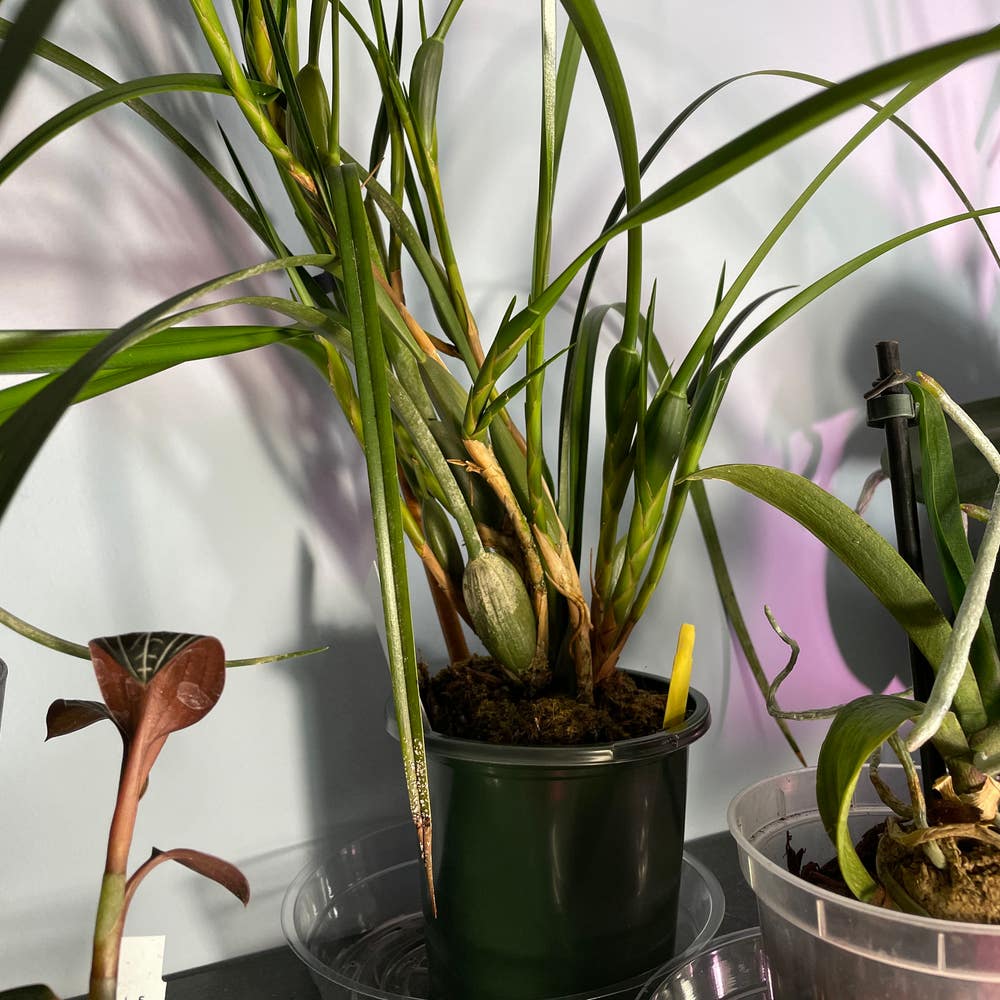
Eulophia mumbwaensis typically reaches a mature height of 30-60 cm (12-24 inches). Its spread can range from 30-45 cm (12-18 inches), depending on the growing conditions.
Growth Rate and Size Variability 📈
This plant has a moderate growth rate, which can be influenced by various environmental factors. Size variability is common, as it can change based on soil quality, light exposure, and watering practices.
Impact of Growing Conditions on Size 🌍
When provided with optimal growing conditions, Eulophia mumbwaensis can achieve larger sizes and more robust growth. Conversely, poor conditions may stunt its growth, leading to smaller plants that may not thrive as well.
Understanding these aspects of size can help you create the best environment for your Eulophia mumbwaensis, ensuring it flourishes beautifully. Next, we’ll explore the fascinating root system of this resilient plant.
Roots
🌱 Characteristics of the Root System
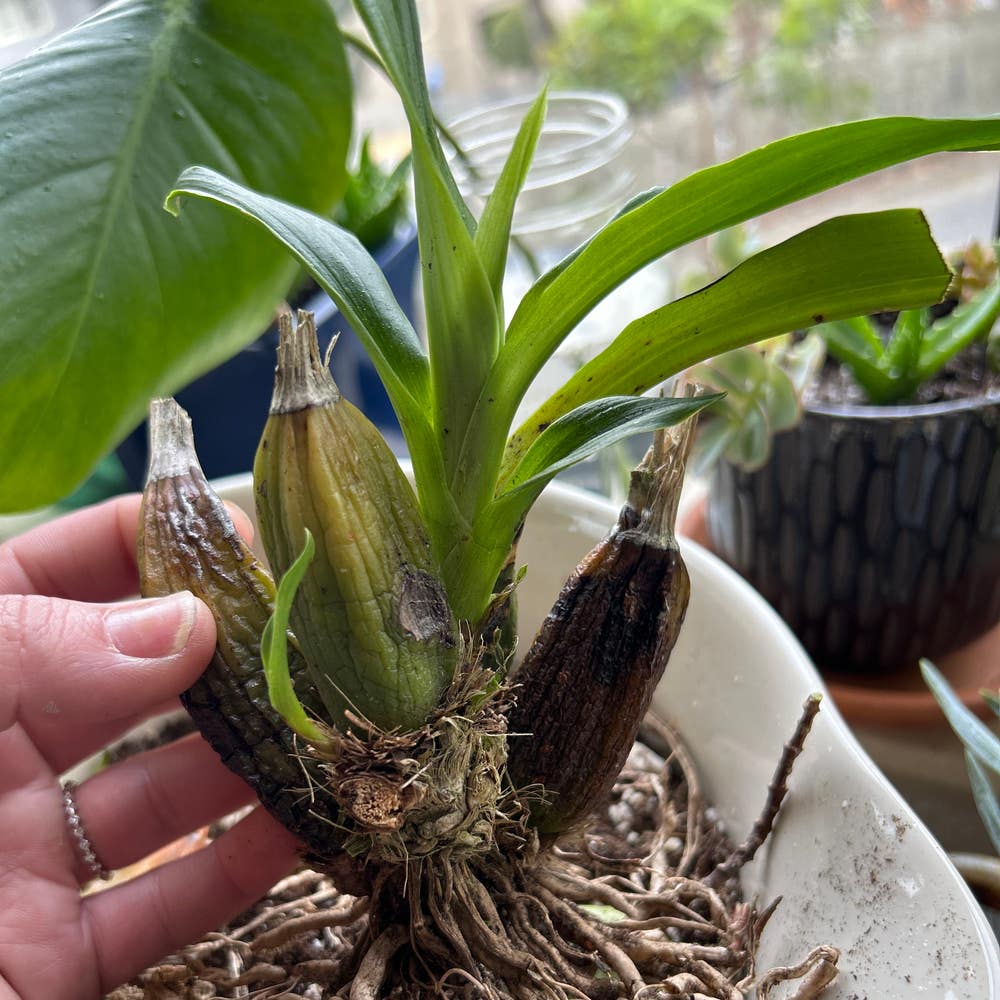
Eulophia mumbwaensis features a tuberous root system, which is excellent for storing water and nutrients. These roots can extend 30-45 cm (12-18 inches) deep and spread horizontally, providing stability to the plant.
⚠️ Common Root-Related Issues
One of the most common problems is root rot, often caused by overwatering. Symptoms include mushy roots and wilting leaves, signaling that your plant needs immediate attention.
Another issue is being rootbound, which occurs when the roots fill the container. Signs of this problem include stunted growth and roots that begin to circle around the pot.
👀 Visual Cues for Healthy vs. Unhealthy Roots
Healthy roots are typically firm, white, and spread evenly throughout the soil. In contrast, unhealthy roots may appear dark, mushy, or even emit a foul smell.
🛠️ Solutions for Root Problems
To combat root rot, reduce watering and enhance drainage in the pot. If your plant is rootbound, consider repotting it into a larger container or dividing the tubers to promote healthy growth.
Understanding the root system of Eulophia mumbwaensis is crucial for its overall health. By addressing these common issues, you can ensure your plant thrives and flourishes.
Next, let's explore the benefits of growing Eulophia mumbwaensis in your garden.
Benefits
💧 Drought Resistance
Eulophia mumbwaensis is a champion when it comes to drought resistance. Once established, it requires significantly less water, making it a low-maintenance choice for busy gardeners.
🌸 Attractive Flowers
This plant is not just functional; it also brings beauty to your garden. Its colorful blooms add visual interest, making it a delightful addition to any landscape.
🌱 Unique Root System
The tuberous root system of Eulophia mumbwaensis is more than just a storage mechanism. It plays a crucial role in improving soil structure, benefiting the surrounding ecosystem.
🏺 Cultural Significance
In many cultures, Eulophia mumbwaensis holds traditional value. It is often used in local customs and traditional medicine, showcasing its importance beyond mere aesthetics.
🦋 Biodiversity
This plant is a friend to local wildlife. By attracting pollinators, it supports biodiversity, making your garden a thriving habitat for various species.
These benefits make Eulophia mumbwaensis a fantastic choice for both novice and experienced gardeners alike. Its resilience and beauty can enhance any garden while contributing positively to the environment.
Companion Plants
🌱 Explanation of Companion Planting
Companion planting is a gardening technique that enhances diversity and pest management by pairing plants that benefit each other. This practice not only boosts plant health but also creates a more vibrant garden ecosystem.
🌼 List of Compatible Companion Plants
When growing Eulophia mumbwaensis, consider these compatible companions:
- Marigolds: Known for their pest-repelling properties, they can help keep harmful insects at bay.
- African Violets: They share similar care needs, making them easy to grow alongside Eulophia.
- Other Drought-Tolerant Plants: These can thrive in similar conditions, promoting a cohesive garden environment.
These companions can improve soil health and deter pests, creating a thriving garden space.
🚫 Plants to Avoid
While some plants thrive alongside Eulophia mumbwaensis, others can hinder its growth. Avoid planting near heavy feeders like tomatoes, as they may compete for nutrients and water. This can lead to stunted growth and reduced flowering.
By carefully selecting companion plants, you can enhance the health and beauty of your garden while ensuring that Eulophia mumbwaensis flourishes. This thoughtful approach not only supports your plants but also fosters a balanced ecosystem in your garden.
Next, let’s explore the fascinating topic of Eulophia mumbwaensis's toxicity to humans, dogs, and cats.
Toxicity to Humans
🛡️ Safety of Eulophia mumbwaensis for Humans
Eulophia mumbwaensis is generally recognized as safe by major poison control centers. You can handle and even ingest it in small amounts without worry.
⚠️ Potential Minor Issues
While it's safe, some individuals may experience mild skin irritation or digestive discomfort if they consume large quantities. It's always wise to be mindful of how your body reacts.
🚨 Cautionary Statement
Although Eulophia mumbwaensis is considered non-toxic, it's best to exercise caution. If you notice any unusual symptoms after handling or consuming the plant, seeking medical advice is a smart move.
This plant can be a delightful addition to your garden, but staying informed about its effects ensures a safe and enjoyable experience. Now, let's explore how Eulophia mumbwaensis interacts with our furry friends!
Toxicity to Dogs
Safety of Eulophia mumbwaensis for Dogs 🐶
Eulophia mumbwaensis is considered safe for dogs, according to veterinary organizations. This means you can enjoy this beautiful plant without worrying about your furry friends.
Potential Minor Issues ⚠️
While generally safe, excessive consumption of the plant may lead to mild gastrointestinal upset in dogs. It's always good to keep an eye on your pet's behavior.
Tips for Introducing Eulophia mumbwaensis to Homes with Dogs 🏡
To ensure a harmonious home, place Eulophia mumbwaensis out of reach of your dogs. Monitoring their behavior around new plants can help prevent any accidental munching.
Cautionary Statement ⚠️
Even though Eulophia mumbwaensis is safe, it's wise to monitor your pets closely. If you notice any unusual symptoms, consulting a veterinarian is always a good idea.
This section highlights the importance of being proactive in caring for both your plants and pets. Now, let's explore how Eulophia mumbwaensis interacts with our feline friends.
Toxicity to Cats
🐱 Safety of Eulophia mumbwaensis for Cats
Eulophia mumbwaensis is considered safe for cats, according to major pet poison control centers. You can rest easy knowing that this plant won't pose a toxic threat to your feline friends.
⚠️ Potential Minor Issues
While generally safe, excessive consumption of Eulophia mumbwaensis may lead to mild gastrointestinal upset. It's always good to keep an eye on your cat's behavior after introducing new plants.
🏡 Tips for Introducing Eulophia mumbwaensis to Homes with Cats
To ensure a harmonious home, place Eulophia mumbwaensis out of reach of your curious cats. Regularly monitor their behavior around the plant to prevent any unwanted nibbling.
👀 Cautionary Statement
Although Eulophia mumbwaensis is deemed safe, it's wise to keep an eye on your pets. If you notice any unusual symptoms, consulting a veterinarian is the best course of action.
With these precautions, you can enjoy the beauty of Eulophia mumbwaensis while keeping your cats safe and sound.
Problems
Common Problems Faced 🌱
Growing Eulophia mumbwaensis can be rewarding, but it comes with its share of challenges. Here are some common issues you might encounter:
- Incorrect watering: Overwatering can lead to root rot, while underwatering causes wilting.
- Incorrect light conditions: Insufficient light results in leggy growth, whereas too much light can scorch the leaves.
- Incorrect temperature: Extreme temperatures can stunt growth or damage foliage.
- Diseases: Fungal issues like powdery mildew and blight can affect plant health.
- Growth problems: Symptoms include not growing, failing to flower, or leaning.
Identification and Solutions for Each Issue 🔍
Identifying problems early is key to maintaining a healthy plant. Here’s how to tackle each issue:
Overwatering: Look for yellowing leaves as a sign. The solution is simple: reduce your watering frequency.
Underwatering: If your plant is wilting, it’s time to increase watering gradually.
Light issues: If your plant is leggy or scorched, adjust its location to better suit its light needs.
Fungal diseases: Treat any signs of fungal infections with fungicides and improve air circulation around the plant.
Growth problems: If your plant isn’t thriving, assess environmental conditions and adjust care accordingly.
By staying vigilant and responsive to these common problems, you can ensure your Eulophia mumbwaensis remains healthy and vibrant. Next, let’s explore the potential pest issues that could affect your plant.
Bugs
Potential Pest Issues 🐛
Eulophia mumbwaensis is generally resilient but can face pest challenges. Keeping an eye on your plants will help you catch any issues early.
List of Pests 🦠
Spider Mites: Look for webbing and stippled leaves. Increase humidity and apply miticides to treat them.
Scale Insects: These pests leave a sticky residue and cause yellowing leaves. Use insecticidal soap for effective control.
Mealybugs: Identified by cotton-like masses on the plant, these bugs can be treated with alcohol swabs or insecticidal soap.
Aphids: If you notice curled leaves, aphids might be the culprit. Neem oil or insecticidal soap can help eliminate them.
Identification and Treatment Options 🔍
Regular monitoring is key to managing pests effectively. If you spot any of these pests, apply the appropriate treatments promptly to keep your Eulophia mumbwaensis thriving.
With a little diligence, you can protect your plants and enjoy their beauty without the worry of pest damage. Next, let’s explore what animals might be interested in munching on your Eulophia mumbwaensis.
What Eats Eulophia mumbwaensis
🦌 Common Animals That May Damage Eulophia mumbwaensis
Eulophia mumbwaensis can attract a variety of hungry critters.
- Deer are notorious for munching on the foliage, leaving behind chewed leaves and broken stems.
- Rabbits may also take a liking to this plant, often resulting in clipped stems and missing foliage.
- Squirrels can be a nuisance too, as they dig up tubers and damage roots in their quest for food.
- Birds might peck at the flowers, causing disturbed soil and unsightly damage.
- Rodents are another threat, burrowing and gnawing on roots, which can severely impact plant health.
🚫 Deterrent Methods
To protect your Eulophia mumbwaensis from these hungry animals, consider a few effective deterrent methods.
Chemical methods: Using repellents or sprays can help keep these pests at bay. Look for products specifically designed for garden use to ensure safety for your plants.
Organic methods: Physical barriers like fencing or netting can provide a more natural solution. These methods not only protect your plants but also maintain the garden's aesthetic appeal.
By implementing these strategies, you can enjoy the beauty of Eulophia mumbwaensis without the worry of unwanted nibblers. Next, let’s explore common problems that can arise while caring for this resilient plant.
⚠️ Safety First
This content is for general information and may contain errors, omissions, or outdated details. It is not medical, veterinary advice, or an endorsement of therapeutic claims.
Always consult a qualified healthcare professional before using any plant as food, medicine, or supplement.
Never eat any plant (or feed one to pets) without confirming its identity with at least two trusted sources.
If you suspect poisoning, call Poison Control (800) 222-1222, the Pet Poison Helpline (800) 213-6680, or your local emergency service immediately.
Spotted an error? Please report it here.
Grow your Eulophia mumbwaensis flourishing 🌱 with Greg's tailored care reminders and expert tips that ensure your plant thrives while boosting local biodiversity!