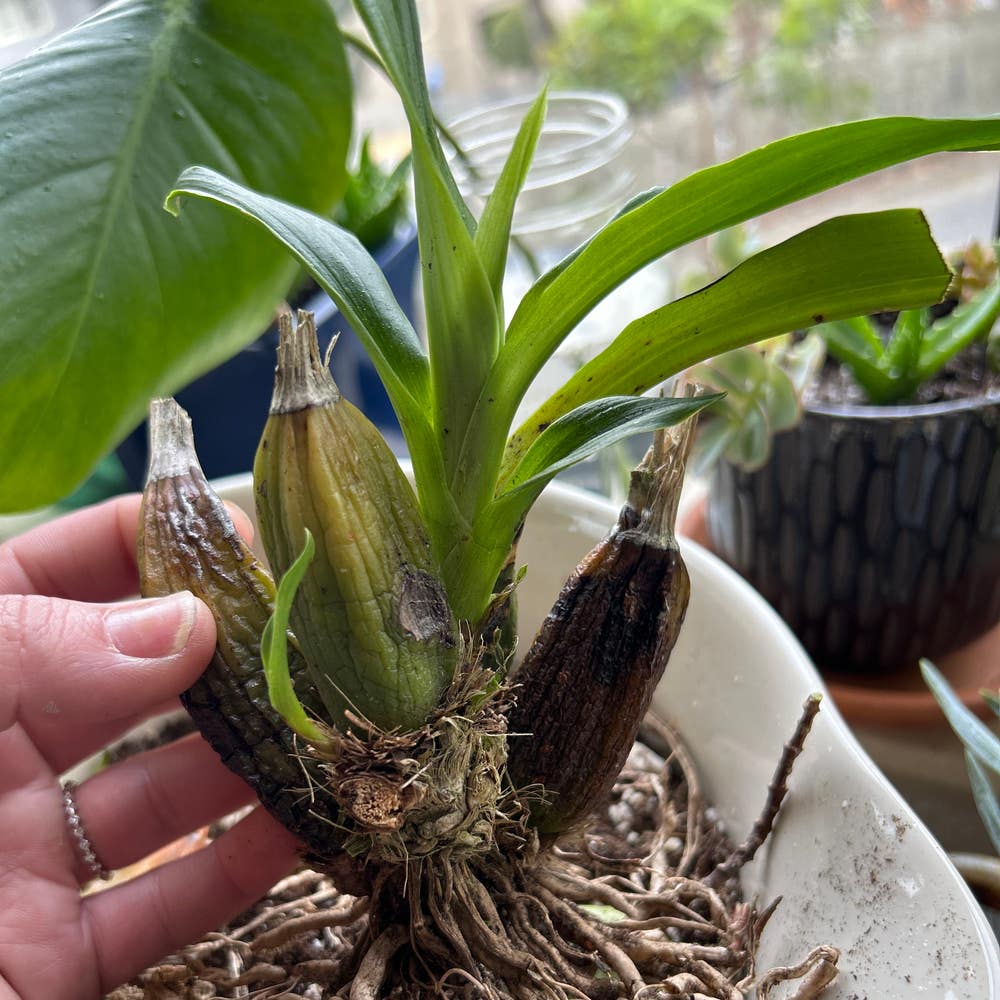
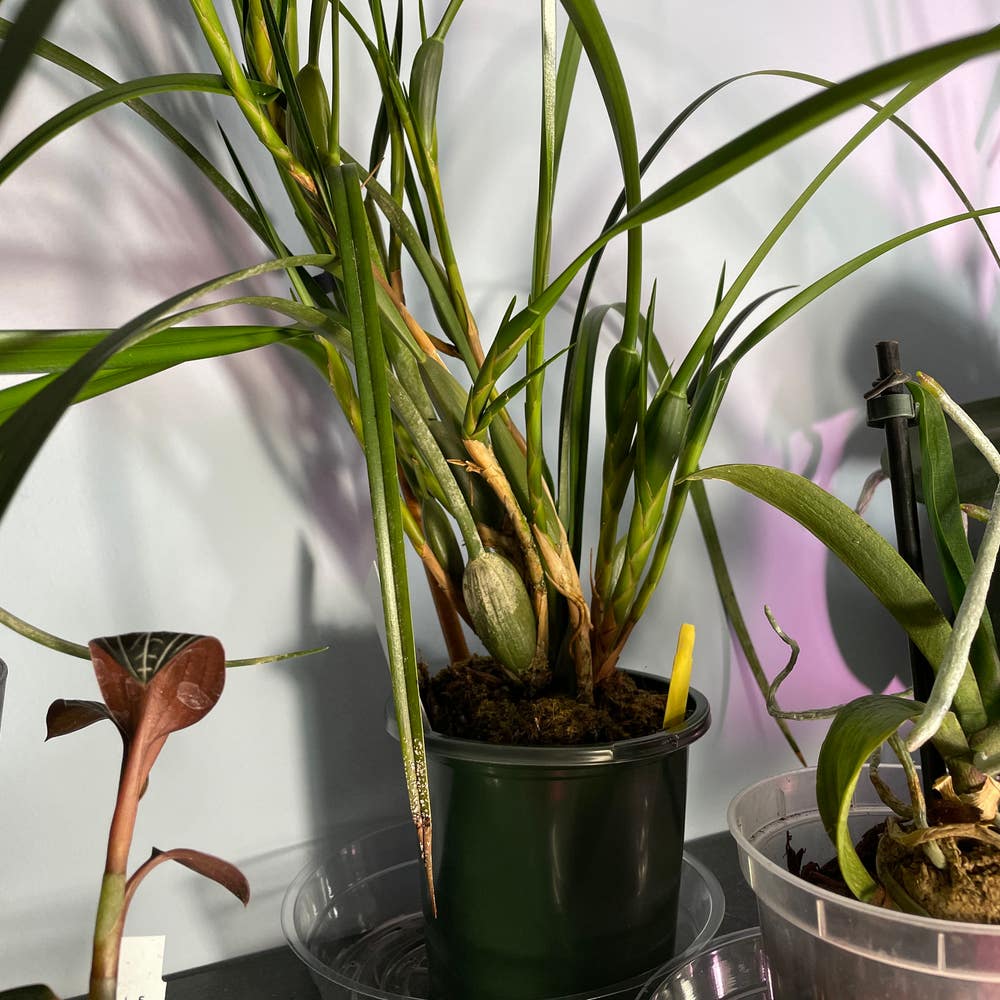
What is a Eulophia moratii? Complete Guide 🌸
Eulophia moratii
By the Greg Editorial Team
Feb 27, 2025•10 min read
This article was created with the help of AI so we can cover more plants for you. May contain errors. See one? Report it here.
Elevate your garden effortlessly with Eulophia moratii, a stunning orchid that thrives with simple care! 🌱
- 🌞 Eulophia moratii thrives in bright, indirect sunlight and prefers 20-30°C temperatures.
- 💧 Maintain humidity between 50-70% for optimal health and growth of Eulophia moratii.
- 🌱 Use well-draining, organic-rich soil with a pH of 5.5-7.0 for best results.
How to Grow
🌞 Choosing a Location
Eulophia moratii thrives in bright, indirect sunlight. Avoid placing it in direct harsh sunlight, which can scorch its delicate leaves.
For temperature, this plant prefers a cozy range between 20°C to 30°C (68°F to 86°F). Maintaining this warmth will help it flourish.
Humidity is crucial; aim for levels between 50-70%. Consider using a humidity tray or misting to keep the air around your plant moist.
🪴 Soil Preparation
When it comes to soil, Eulophia moratii loves a well-draining mix rich in organic matter. A combination of potting soil and orchid bark works wonders.
The optimal soil pH for healthy growth is between 5.5 and 7.0. This range ensures that the plant can absorb nutrients effectively.
Don't forget about drainage! Use pots with drainage holes to prevent root rot, which can be detrimental to your plant's health.
🌱 Planting Techniques
For planting, bury the rhizomes about 2-3 inches deep. This depth helps anchor the plant while allowing it to establish roots.
Space your plants 12-18 inches apart. This spacing promotes airflow and gives each plant room to grow without competition.
💧 Watering Requirements
Water your Eulophia moratii when the top inch of soil feels dry. Typically, this means watering every 1-2 weeks.
When you do water, ensure it’s thorough. Water until it drains from the bottom of the pot, but be careful to avoid waterlogging.
🌼 Fertilizing Schedule
Use a balanced orchid fertilizer, like a 20-20-20 mix, diluted to half strength. This provides essential nutrients without overwhelming the plant.
Fertilize every 4-6 weeks during the growing season, which runs from spring to summer. This timing supports robust growth and flowering.
✂️ Pruning Practices
Prune your Eulophia moratii after it flowers. Remove spent flower spikes and any dead or yellowing leaves to encourage new growth.
Always use clean, sharp scissors for pruning. This prevents damage to the plant and reduces the risk of disease.
🔍 Ongoing Care
Regularly monitor your plant for signs of stress or disease. Catching issues early can make a significant difference in recovery.
Adjust your watering and fertilizing routine based on seasonal changes. This flexibility helps your plant thrive throughout the year.
With these guidelines, you’re well on your way to successfully growing Eulophia moratii. Next, let’s explore how to propagate this beautiful plant!
Propagation
🌱 Seed Propagation
To propagate Eulophia moratii from seeds, start by sowing them in a sterile medium. Keep the seeds moist and warm, ideally around 25°C (77°F), to encourage germination.
Seeds typically germinate within 2-4 weeks under optimal conditions. This process is straightforward, making it an exciting venture for any plant enthusiast.
✂️ Division of Rhizomes
Another effective propagation method is dividing the rhizomes. This is best done in spring when the plant is actively growing, ensuring the divisions are healthy.
When separating the rhizomes, make sure each division has roots and at least one growth point. This technique not only helps in propagation but also promotes a healthier plant overall.
With these propagation methods, you can expand your Eulophia moratii collection or share with fellow gardening enthusiasts. Next, let’s explore the lifecycle of this fascinating plant.
Lifecycle
Lifecycle Stages 🌱
Eulophia moratii is a perennial plant that typically takes about 1-2 years to reach maturity. The germination process is quite efficient, with seeds sprouting within 2-4 weeks under optimal conditions.
Seedling Stage Characteristics 🌿
During the seedling stage, Eulophia moratii develops its roots and leaves, requiring consistent moisture and humidity to thrive. This stage is crucial for establishing a strong foundation for future growth.
Vegetative Growth Phase 🌳
In the vegetative growth phase, the plant experiences rapid growth, especially during warm months. You can expect Eulophia moratii to grow several inches in height, showcasing its robust nature.
Flowering Period and Seed Production 🌸
Flowering typically occurs in late summer, attracting pollinators with its vibrant blooms. These flowers not only enhance the garden's beauty but also produce seeds, contributing to the plant's lifecycle.
Lifespan and Growth Rate Specifics ⏳
With proper care, Eulophia moratii can live for several years, showcasing resilience and vitality. Its growth rate is moderate, allowing the plant to reach full size in about 1-2 years, making it a rewarding addition to any garden.
This lifecycle overview highlights the fascinating journey of Eulophia moratii, from seed to mature plant. Understanding these stages can help you provide the best care and ensure a thriving plant in your garden. Next, let’s explore the size of this remarkable species.
Size
Mature Height and Spread 🌱
Eulophia moratii typically reaches a mature height of 30-60 cm (12-24 inches). Under optimal conditions, it can spread up to 30 cm (12 inches), creating a lovely presence in your garden.
Growth Rate and Time to Full Size ⏳
This plant has a moderate growth rate, achieving its full size in about 1-2 years. However, growth can vary based on factors like light, water, and nutrient availability, so keep an eye on its environment for the best results.
Eulophia moratii is a rewarding addition to any garden, and understanding its size and growth can help you plan your space effectively. Next, let’s explore the fascinating lifecycle of this unique plant.
Roots
Description of the Root System 🌱
Eulophia moratii features a fibrous root system that plays a crucial role in nutrient uptake. These roots are shallow yet spread wide, providing stability to the plant.
Root Depth and Spread 📏
Typically, the roots extend 6-12 inches deep, allowing for adequate moisture absorption. They can also spread significantly outward, so ensure you provide enough space for growth.
Common Root-Related Issues ⚠️
Root rot is a common problem caused by overwatering, which can be avoided by ensuring proper drainage. Additionally, plants can become rootbound when their roots fill the pot; repotting is necessary when roots are visible through drainage holes.
Visual Cues for Healthy vs. Unhealthy Roots 👀
Healthy roots are firm, white, and plump, indicating a thriving plant. In contrast, unhealthy roots appear brown, mushy, or shriveled, signaling potential issues.
Solutions for Root Problems 🛠️
To recognize rootbound plants, look for roots circling the pot. If you notice this, repot into a larger container to give your plant room to grow.
If roots are visibly constricted or unhealthy, take action immediately by repotting. This simple step can rejuvenate your Eulophia moratii and promote healthier growth.
With proper care and attention to root health, your Eulophia moratii can flourish beautifully. Next, let's explore the benefits of this stunning plant and why it deserves a spot in your garden.
Benefits
Attractive Flowers 🌸
Eulophia moratii boasts stunning flowers that can elevate the visual appeal of any garden. Their vibrant colors and unique shapes draw the eye, making them a standout feature in landscapes.
Pollinator-Friendly 🐝
These orchids are a haven for pollinators, attracting bees and butterflies. By planting Eulophia moratii, you contribute to the local ecosystem and enhance biodiversity in your garden.
Low Maintenance 🧑🌾
Once established, Eulophia moratii requires minimal care. This makes it an excellent choice for busy gardeners or those new to plant care.
Unique Aesthetic 🎨
The distinctive flowering spikes of Eulophia moratii add an intriguing element to garden designs. Their unusual form creates interest and can serve as a conversation starter among visitors.
Cultural Significance 🌍
In various cultures, Eulophia moratii is cherished for its beauty and symbolism. Incorporating this plant into your garden not only beautifies your space but also connects you to its rich cultural heritage.
These benefits make Eulophia moratii a fantastic addition to any garden, combining beauty, ecological value, and ease of care. Next, let’s explore the best companion plants to enhance your gardening experience with Eulophia moratii.
Companion Plants
🌱 Explanation of Companion Planting
Companion planting is a gardening technique that enhances diversity and promotes healthy growth. By pairing plants that benefit each other, you can improve pest management and create a more vibrant garden ecosystem.
🌿 List of Compatible Companion Plants
When growing Eulophia moratii, consider companions like ferns, other orchids, and shade-loving plants. These selections thrive in similar humidity and light conditions, making them ideal partners.
🤝 Explanation of Symbiotic Relationships and Garden Diversity
Companion plants can deter pests and improve soil health, creating a symbiotic relationship that benefits all involved. This diversity not only enhances the beauty of your garden but also increases resilience against diseases and pests.
🚫 Plants to Avoid Near Eulophia moratii
It's best to avoid planting heavy feeders or those requiring dry conditions, such as succulents, near Eulophia moratii. These plants can compete for resources and disrupt the delicate balance needed for healthy growth.
By choosing the right companions, you can create a thriving environment for your Eulophia moratii, ensuring it flourishes alongside its plant friends. Next, let’s explore some common problems that may arise in your garden and how to tackle them effectively.
Problems
Common Problems 🌱
Eulophia moratii can face several challenges that affect its health and growth.
- Incorrect watering: Overwatering can lead to root rot, while underwatering may cause wilting.
- Incorrect light conditions: Excessive direct sunlight can scorch the leaves, leading to damage.
- Incorrect temperature: Extreme temperatures can hinder growth and overall plant vitality.
Diseases and Their Symptoms 🦠
Fungal diseases can also pose a threat to your plant's health.
- Fungal issues: Look out for powdery mildew, which appears as white powdery spots, and rust, characterized by orange spots on leaves.
- Root problems: Root rot manifests as mushy roots and stunted growth, indicating serious issues.
Solutions for Each Identified Problem 🛠️
Addressing these problems promptly can save your Eulophia moratii from decline.
- Overwatering: Allow the soil to dry out between waterings to prevent root rot.
- Light issues: If you notice leaf scorch, move the plant to a location with filtered light.
- Temperature: Maintain stable temperatures within the preferred range to support healthy growth.
By staying vigilant and responsive to these common problems, you can ensure your Eulophia moratii thrives beautifully. Next, let’s explore potential pest issues that may arise.
Bugs
Potential Pest Issues 🐜
Eulophia moratii is generally a tough plant, showing moderate resistance to pests. However, it can still fall victim to a few common nuisances that every gardener should be aware of.
Identification of Common Pests 🔍
Spider Mites: Look for tiny webs and stippled leaves, which indicate their presence. These pests thrive in dry conditions and can quickly multiply if not addressed.
Mealybugs: Identified by their white, cotton-like masses on stems and leaves, mealybugs can be quite damaging if left unchecked.
Damage Caused by Pests and Treatment Options 💥
Spider Mites: These pests can cause leaf yellowing and overall plant stress. To combat them, apply insecticidal soap or neem oil, ensuring thorough coverage of affected areas.
Mealybugs: They stunt growth and can lead to a decline in plant health. Remove them by hand or use a cotton swab dipped in alcohol for effective treatment.
By staying vigilant and addressing these pest issues promptly, you can keep your Eulophia moratii thriving. Next, let’s explore what animals might pose a threat to your plant.
What Eats Eulophia moratii
🦌 Common Animals That May Damage
Eulophia moratii can attract a few hungry visitors. Deer are known to browse on its leaves, leaving behind chewed foliage as evidence of their snacking.
Rabbits also find this plant appealing, often nibbling on young shoots. If you notice clipped stems, it’s likely these furry friends are the culprits.
🐿️ Signs of Animal Presence and Types of Damage
Squirrels can be a nuisance too, as they may dig around the roots. Look for disturbed soil as a sign of their activity.
Birds might peck at the flowers, leading to missing blooms. Keep an eye out for any signs of these feathered pests to protect your plant.
🚫 Deterrent Methods for Managing Animal Threats
To keep these animals at bay, consider using chemical repellents designed for garden use. These can help deter deer and rabbits effectively.
Alternatively, you can opt for organic methods. Employ barriers like fencing or plant deterrent herbs nearby to create a natural shield around your Eulophia moratii.
With a little effort, you can safeguard your plant from these hungry intruders!
⚠️ Safety First
This content is for general information and may contain errors, omissions, or outdated details. It is not medical, veterinary advice, or an endorsement of therapeutic claims.
Always consult a qualified healthcare professional before using any plant as food, medicine, or supplement.
Never eat any plant (or feed one to pets) without confirming its identity with at least two trusted sources.
If you suspect poisoning, call Poison Control (800) 222-1222, the Pet Poison Helpline (800) 213-6680, or your local emergency service immediately.
Spotted an error? Please report it here.
Unlock the beauty of Eulophia moratii 🌼 in your garden with Greg's custom care tips and watering reminders that will keep your plant thriving all year round!