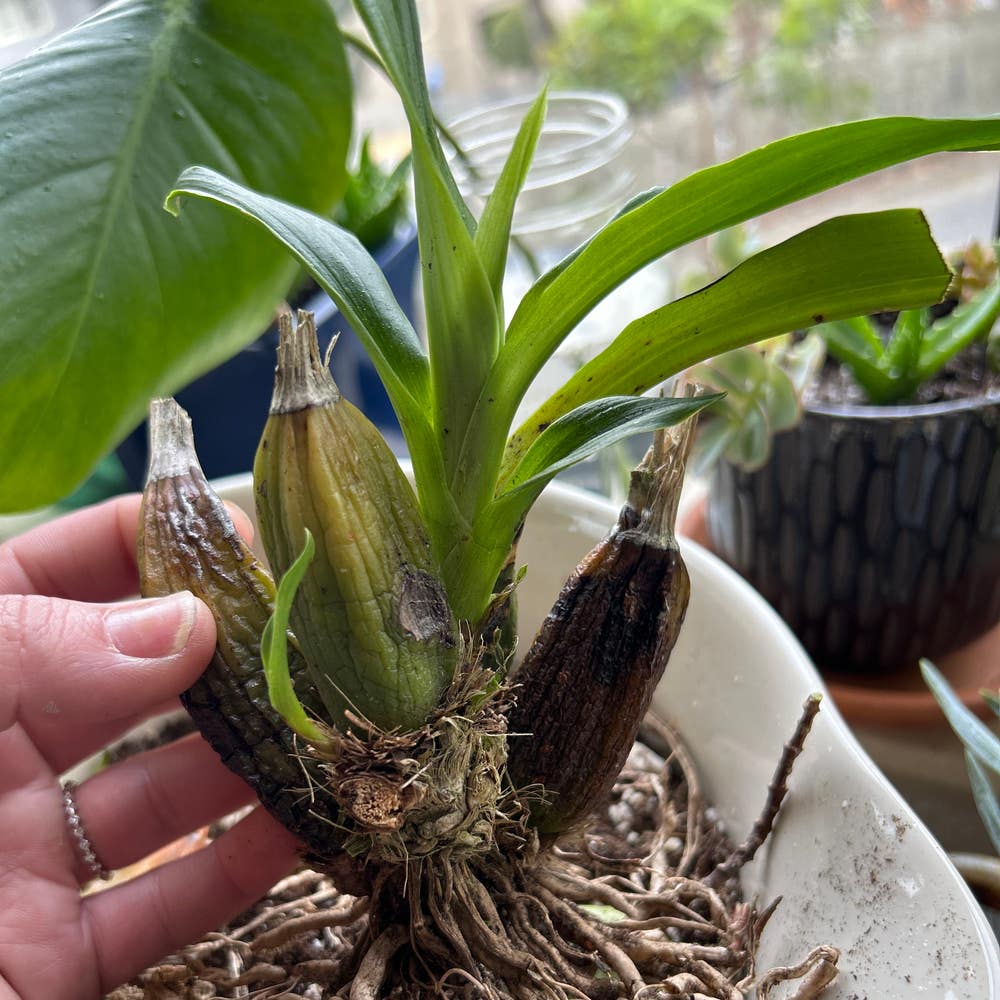
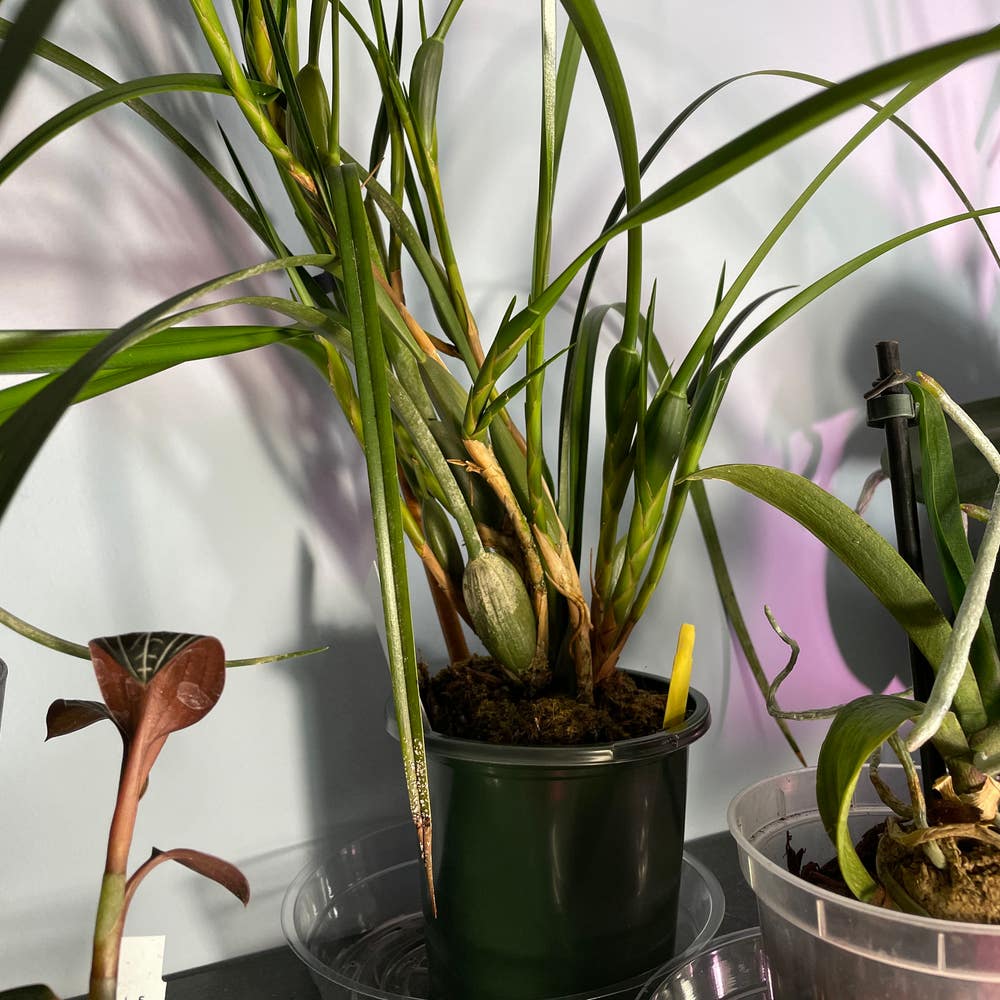
🌸 All About Eulophia monticola: Essential Facts
Eulophia monticola
By the Greg Editorial Team
Feb 27, 2025•10 min read
This article was created with the help of AI so we can cover more plants for you. May contain errors. See one? Report it here.
- 🌞 Eulophia monticola thrives in full sun to partial shade; ideal temperatures are 20°C to 30°C.
- 🌱 Use well-draining, organic-rich soil with a pH of 6.0 to 7.0 for optimal growth.
- 🌼 Regular watering and fertilizing every 4-6 weeks ensure healthy growth and beautiful blooms.
How to Grow
Choosing a Location 🌞
Eulophia monticola thrives in a variety of light conditions, from full sun to partial shade. Aim for temperatures between 20°C to 30°C (68°F to 86°F) and moderate humidity, mimicking its native tropical environment.
Soil Preparation 🌱
For optimal growth, use well-draining soil rich in organic matter. The ideal pH level ranges from slightly acidic to neutral (pH 6.0 to 7.0), ensuring the roots can absorb nutrients effectively.
Planting Techniques 🌿
When planting, bury the tubers 2-4 inches deep to provide stability. Space them 12-18 inches apart to allow for healthy growth and airflow.
Watering Requirements 💧
Regular watering is crucial; keep the soil moist but avoid sogginess. A gentle spray from a watering can or hose will help prevent root disturbance while providing adequate moisture.
Fertilizing Schedule 🌼
Utilize a balanced, slow-release fertilizer with an NPK ratio of 10-10-10. Fertilize every 4-6 weeks during the growing season to support robust growth.
Pruning and Ongoing Care ✂️
Deadheading spent flowers encourages new blooms, enhancing the plant's beauty. Additionally, trim any yellowing leaves to promote healthy growth and maintain a tidy appearance.
With these guidelines, you'll be well on your way to cultivating a thriving Eulophia monticola. Next, let’s explore how to propagate this stunning plant for even more beauty in your garden.
Propagation
🌱 Seed Propagation
To propagate Eulophia monticola from seeds, start by soaking them in water for 24 hours. This simple step kickstarts the germination process, setting the stage for healthy growth.
For optimal results, create a warm and humid environment. These conditions mimic the plant's natural habitat, ensuring successful germination and robust seedlings.
🪴 Division of Tubers
Dividing tubers is another effective propagation method. The best time to do this is in early spring, just before new growth begins.
When dividing, carefully separate the tubers and replant them immediately. This technique not only helps in propagation but also rejuvenates the plant, promoting healthier growth.
With these propagation methods, you can expand your Eulophia monticola collection and enjoy its beauty in multiple spots around your garden. Next, let’s explore the lifecycle of this fascinating plant.
Lifecycle
Germination and Growth Stages 🌱
Eulophia monticola is a perennial plant, meaning it can live for several years, bringing beauty to your garden season after season.
The journey from seed to full maturity takes about 2-3 years, with the plant gradually developing its unique characteristics along the way.
Growth Rate 📈
This orchid has a moderate growth rate, which can vary with the seasons. During optimal conditions, you’ll see it thrive, while cooler or less favorable weather may slow its progress.
Understanding these growth stages helps you appreciate the patience required to cultivate this stunning plant.
Size
Mature Dimensions 🌱
Eulophia monticola reaches a mature height of 12 to 24 inches (30 to 60 cm) and spreads about 12 to 18 inches (30 to 45 cm) wide. This compact size makes it an excellent choice for various garden settings.
Growth Rate and Size Variability 📈
The growth rate of Eulophia monticola is moderate, influenced by environmental conditions such as light and water availability. Size variability can occur due to differences in soil quality and care, so providing optimal conditions is key to achieving its full potential.
This plant's adaptability allows it to thrive in diverse environments, making it a versatile addition to your garden. As you nurture it, you'll witness its growth journey, which can be both rewarding and visually stunning.
Roots
Characteristics of the Root System 🌱
Eulophia monticola features a tuberous root system designed to store essential nutrients and water. These roots can extend between 6 to 12 inches deep and spread outwards up to 18 inches, providing a stable foundation for the plant.
Common Root-Related Issues ⚠️
One of the most common problems is root rot, which occurs due to overwatering. Symptoms include mushy roots that can lead to plant decline, while being rootbound happens when the roots fill their container, resulting in stunted growth.
Tips for Managing Root Problems 🛠️
To identify rootbound plants, look for roots growing out of the drainage holes. Solutions include repotting into a larger container or dividing the tubers to promote healthier growth.
Understanding the root system of Eulophia monticola is crucial for successful cultivation. With proper care and attention, you can ensure your plant thrives and flourishes.
Benefits
Top 5 Benefits of Growing Eulophia monticola 🌸
1. Aesthetic Appeal
Eulophia monticola boasts unique flowering spikes that can elevate the beauty of any garden. Their striking appearance adds a touch of elegance and intrigue to your outdoor space.
2. Cultural Significance
In various regions, this plant holds cultural importance and is often utilized in traditional medicine. Growing it can connect you to these rich practices and histories.
3. Biodiversity
Adding Eulophia monticola to your garden enhances biodiversity. This contributes positively to ecosystem health, supporting a variety of wildlife and plant species.
4. Low Maintenance
Once established, Eulophia monticola requires minimal care. Its resilience makes it an excellent choice for gardeners seeking beauty without the burden of constant upkeep.
5. Attracts Pollinators
The flowers of Eulophia monticola are a magnet for pollinators like bees and butterflies. By planting this species, you help support these vital creatures and promote a thriving garden ecosystem.
Incorporating Eulophia monticola into your garden not only beautifies your space but also enriches the environment. Next, let’s explore how to propagate this remarkable plant for even more benefits.
Companion Plants
🌱 Explanation of Companion Planting
Companion planting is a gardening technique that pairs plants together to enhance growth and improve pest management. This method not only boosts plant health but also increases garden diversity, creating a more vibrant ecosystem.
🌼 List of Compatible Companion Plants
When growing Eulophia monticola, consider these compatible companions:
- Ferns: Thrive in similar conditions and provide a lush backdrop.
- Other Orchids: Share care requirements, making them ideal partners.
- Shade-Tolerant Perennials: Complement the growing environment without competing for light.
These plants work well together due to their similar care needs and natural pest-repellent properties, fostering a harmonious garden.
🚫 Plants to Avoid Planting Near
While some plants thrive alongside Eulophia monticola, others can hinder its growth. Avoid planting near:
- Heavy Feeders: These plants, such as tomatoes or corn, compete for nutrients, potentially stunting the growth of your orchids.
Choosing the right companions can lead to a flourishing garden, while the wrong ones may create unnecessary challenges. By understanding these relationships, you can cultivate a thriving environment for your Eulophia monticola.
Next, let’s explore the fascinating benefits of growing this unique orchid.
Toxicity to Humans
Safety of Eulophia monticola Around Humans 🛡️
Eulophia monticola is not listed as toxic, making it a safe choice for gardens and homes. You can handle this plant without fear, but be aware that excessive contact may cause mild skin irritation.
If ingested in large quantities, it could lead to minor digestive discomfort. Always exercise caution with any plant, and if you experience unusual symptoms, seek medical advice promptly.
This plant can be a beautiful addition to your space, allowing you to enjoy its unique features without worrying about toxicity. Now that you know it's safe, let's explore how it interacts with our furry friends!
Toxicity to Dogs
Safety of Eulophia monticola Around Dogs 🐶
Eulophia monticola is considered safe for dogs, according to pet poison control centers. This means you can enjoy this beautiful plant without worrying about your furry friends getting harmed.
While it's not toxic, consuming large quantities may lead to mild gastrointestinal upset. It's always best to monitor your dog's behavior around new plants, just to be safe.
Tips for Introducing to Homes with Dogs 🏡
When introducing Eulophia monticola into your home, consider proper placement. Keep the plant out of reach to prevent any curious pups from nibbling.
Monitoring your dog's interactions with the plant can help ensure a harmonious coexistence. With a little care, you can enjoy the beauty of this orchid without any concerns for your canine companions.
As we move forward, let's explore how Eulophia monticola interacts with our feline friends.
Toxicity to Cats
Safety of Eulophia monticola Around Cats 🐱
Eulophia monticola is considered safe for cats, according to veterinary organizations. This means you can enjoy its beauty without worrying about your feline friends.
Potential Minor Issues ⚠️
While not toxic, ingesting large quantities may cause mild gastrointestinal upset in cats. It's always best to monitor your pet's behavior around any plant.
Tips for Introducing to Homes with Cats 🏡
When introducing Eulophia monticola into your home, consider proper placement to keep it out of reach. Regularly observe your cat's interactions with the plant to ensure they don't nibble on it excessively.
This way, you can enjoy the vibrant blooms while keeping your furry companions safe and sound.
Problems
Common Problems Faced When Growing 🌱
Growing Eulophia monticola can be rewarding, but it comes with its share of challenges. Understanding these common problems can help you maintain a healthy plant.
Incorrect Watering 🚰
Watering is crucial for Eulophia monticola's health. Overwatering leads to yellowing leaves, while underwatering causes wilting.
Incorrect Light Conditions 💡
Light conditions significantly impact growth. If your plant is leggy, it may not be getting enough light, whereas scorched leaves indicate too much direct sunlight.
Diseases 🦠
Fungal diseases can pose a threat to your plant. Watch out for powdery mildew and root rot, which can develop in overly damp conditions.
By keeping an eye on these issues, you can ensure your Eulophia monticola thrives. Next, let’s explore how to effectively manage pests that may disrupt your plant’s growth.
Bugs
🐛 Potential Pest Issues
Eulophia monticola is generally a resilient plant, but it can still fall prey to certain pests. Keeping an eye out for these invaders is crucial to maintaining the health of your plant.
🕷️ Common Pests
- Spider Mites: These tiny pests can cause significant damage by sucking the sap from leaves, leading to discoloration and webbing.
- Mealybugs: Recognizable by their cotton-like appearance, mealybugs can weaken your plant by feeding on its juices.
🔍 Identification and Damage
Identifying these pests early can save your Eulophia monticola from serious harm. Look for signs like yellowing leaves, webbing, or a sticky residue on the foliage, which indicates pest activity.
🛠️ Management Strategies
To manage these pests, consider using insecticidal soap or neem oil. Regularly inspecting your plants and maintaining good air circulation can also help prevent infestations.
✅ Conclusion
While Eulophia monticola is tough, vigilance against pests is key. By staying proactive, you can ensure your plant thrives, leading to a vibrant garden display. Next, let’s explore what animals might be tempted to munch on your beautiful Eulophia monticola.
What Eats Eulophia monticola
🦌 Common Animals That May Damage
Eulophia monticola can attract a few hungry visitors in your garden. Deer are notorious for munching on these plants, leaving behind chewed leaves and broken stems as evidence of their feasting.
Rabbits also enjoy nibbling on the lower foliage, which can lead to unsightly damage. If you notice signs of these critters, it’s time to take action.
🚫 Methods for Deterring
To protect your beloved Eulophia monticola, consider using chemical deterrents that can keep these animals at bay. Additionally, physical barriers like fences or netting can provide effective protection against both deer and rabbits.
By implementing these strategies, you can enjoy the beauty of your plants without the worry of them becoming a snack for local wildlife.
⚠️ Safety First
This content is for general information and may contain errors, omissions, or outdated details. It is not medical, veterinary advice, or an endorsement of therapeutic claims.
Always consult a qualified healthcare professional before using any plant as food, medicine, or supplement.
Never eat any plant (or feed one to pets) without confirming its identity with at least two trusted sources.
If you suspect poisoning, call Poison Control (800) 222-1222, the Pet Poison Helpline (800) 213-6680, or your local emergency service immediately.
Spotted an error? Please report it here.
Eulophia monticola is a stunning orchid that can thrive 🌼 in your garden with Greg's personalized watering reminders and tailored fertilization tips to help you cultivate beauty effortlessly!