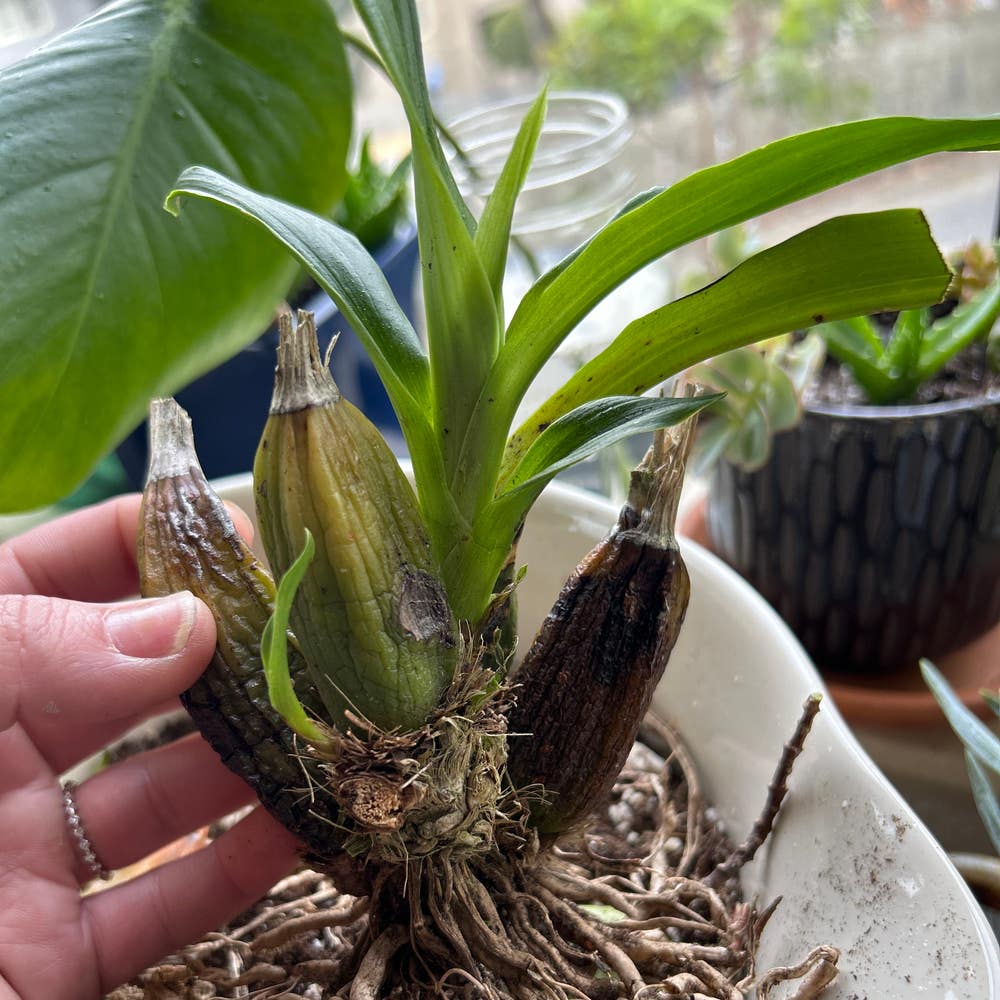
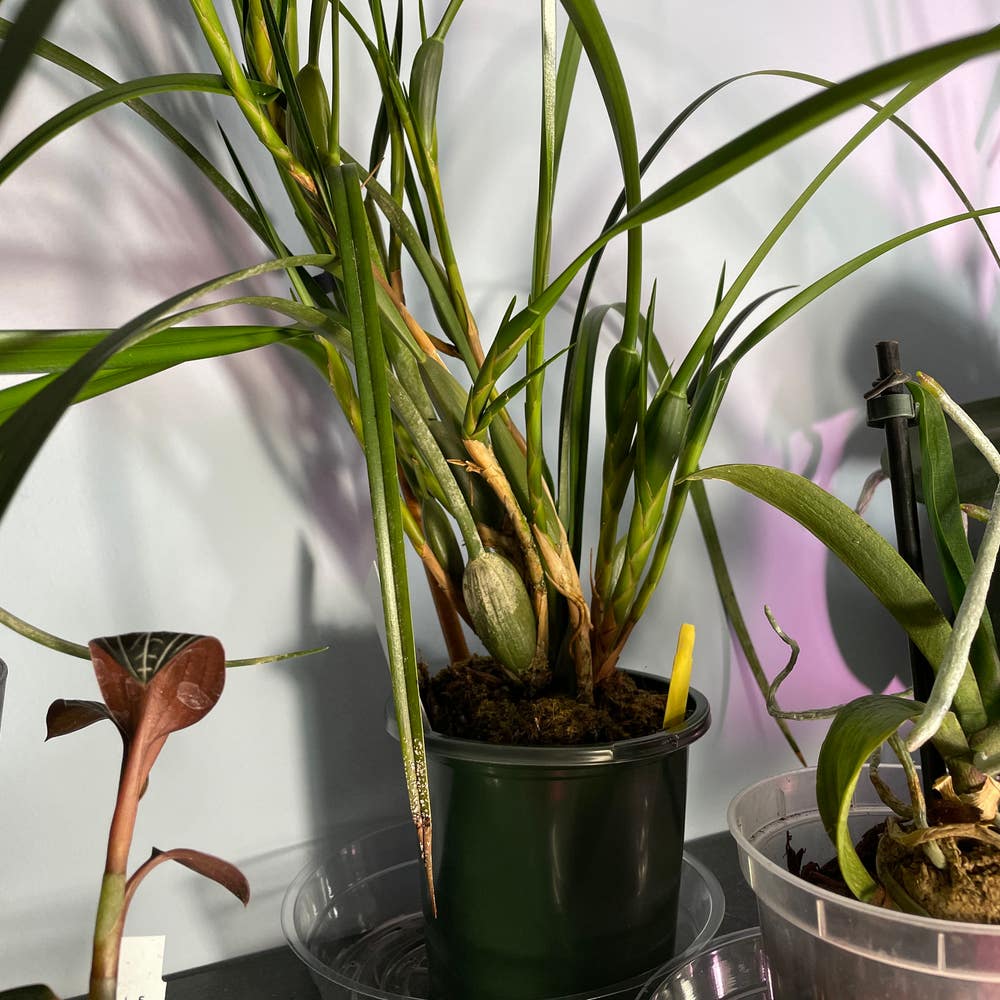
🌸 Understanding Eulophia monotropis: The Basics
Eulophia monotropis
By the Greg Editorial Team
Feb 27, 2025•10 min read
This article was created with the help of AI so we can cover more plants for you. May contain errors. See one? Report it here.
Unlock the secrets to thriving Eulophia monotropis 🌿 and elevate your garden with this stunning orchid's beauty and resilience!
- 🌞🌿 Eulophia monotropis thrives in warm, humid climates with partial shade.
- 💧 Consistent watering and well-draining soil are key for healthy growth.
- 🐞 Regular monitoring for pests and diseases ensures plant vitality and resilience.
How to Grow
🌍 Choosing a Location
Eulophia monotropis thrives in environments that offer full shade to partial sun. This orchid prefers warm, tropical climates, making it ideal for gardens that mimic these conditions.
High humidity is essential for its growth. Aim for a consistently humid environment to keep your plant happy and healthy.
🌱 Soil Preparation
For optimal growth, use well-draining soil rich in organic matter. This ensures that the roots have access to nutrients without becoming waterlogged.
The ideal soil pH for Eulophia monotropis is slightly acidic to neutral, ranging from 6.0 to 7.0. Proper drainage is crucial, as waterlogged conditions can lead to root rot.
🌿 Planting Techniques
When planting, place rhizomes 2-3 inches deep in the soil. This depth helps protect the roots while allowing for adequate growth.
Space the rhizomes 12-18 inches apart to ensure they have enough room to flourish. Proper spacing promotes healthy air circulation and growth.
💧 Watering Requirements
Keep the soil consistently moist but avoid sogginess. This balance is key to preventing root rot and ensuring your plant thrives.
Water at the base of the plant to minimize the risk of fungal issues. This method directs moisture where it’s needed most.
🌼 Fertilizing Schedule
Use a balanced orchid fertilizer, such as a 20-20-20 formula, for best results. This type of fertilizer provides essential nutrients that support growth.
Fertilize every 4-6 weeks during the growing season to keep your Eulophia monotropis healthy and vibrant. Regular feeding helps promote robust growth and flowering.
🛠️ Ongoing Care
Regularly monitor your plant for signs of stress or disease. Early detection is crucial for maintaining plant health.
Adjust care based on seasonal changes. This might include modifying watering frequency or providing additional humidity during drier months.
Transitioning to the next section, understanding propagation techniques will help you expand your collection of Eulophia monotropis and share this beautiful plant with others.
Propagation
🌱 Seed Propagation
Seed propagation of Eulophia monotropis is an exciting journey that begins with the right conditions. This process requires warm temperatures and high humidity to encourage germination, which typically takes about 2-4 weeks.
✂️ Division of Rhizomes
Another effective method for propagation is the division of rhizomes. The best time to do this is in early spring, when the plant is actively growing.
To successfully divide the rhizomes, carefully separate them, ensuring that each piece has roots attached. This technique not only promotes new growth but also helps maintain the health of the parent plant.
With these propagation methods, you can expand your Eulophia monotropis collection or share the beauty of this unique plant with friends. Next, let's explore the lifecycle of this fascinating perennial.
Lifecycle
Lifecycle Overview 🌱
Eulophia monotropis is a perennial plant, meaning it can thrive for several years, bringing beauty to your garden season after season. Its growth unfolds through distinct stages: germination, seedling stage, vegetative growth, flowering, and seed production.
During germination, the seeds require warm temperatures and high humidity to sprout. This initial phase is crucial, as it sets the foundation for the plant's future development.
Once germination occurs, the plant enters the seedling stage, where it begins to establish itself. This stage is characterized by the development of leaves and roots, preparing the plant for the next phase.
As it transitions into vegetative growth, Eulophia monotropis focuses on building a robust structure. This phase can last for several months, during which the plant grows taller and wider, soaking up nutrients and sunlight.
The flowering stage is a highlight of the lifecycle, showcasing the plant's unique blooms. These flowers not only add aesthetic appeal but also attract pollinators, enhancing the local ecosystem.
Finally, the plant produces seeds, completing its lifecycle. Eulophia monotropis has a slow growth rate, so patience is key as it matures over time.
Understanding this lifecycle helps you provide the right care at each stage, ensuring your Eulophia monotropis thrives beautifully. Next, let’s explore how to grow this fascinating plant effectively.
Size
🌱 Growth Habits
Eulophia monotropis is a striking plant that typically reaches a mature height of 12 to 24 inches. With a spread of 12 to 18 inches, it creates a lovely presence in any garden.
⏳ Timeframe to Maturity
This perennial takes its time, usually requiring 3 to 5 years to reach full maturity. Patience is key, as the slow growth rate allows the plant to develop a robust structure.
📏 Size Variability
Several factors influence the size of Eulophia monotropis. Light exposure, soil quality, and water availability all play significant roles in determining how large and healthy your plant will grow.
Understanding these growth habits can help you create the ideal environment for your Eulophia monotropis. With the right care, you can enjoy its beauty for years to come.
Next, let’s explore the fascinating lifecycle of this unique plant.
Roots
Root System Characteristics 🌱
Eulophia monotropis features a unique root system characterized by fleshy, water-storing roots. These roots are essential for the plant's survival, allowing it to thrive in varying moisture conditions.
Depth and Spread 🌍
Typically, the roots are shallow but can spread widely. This adaptability helps the plant access nutrients and water from a larger area, enhancing its resilience.
Common Issues ⚠️
However, gardeners should be aware of common issues such as root rot and rootbound plants. Overwatering can lead to root rot, while confined spaces can cause roots to become tangled and stunted.
Visual Cues 👀
Recognizing healthy versus unhealthy roots is crucial for maintaining plant health. Healthy roots are firm and white, while unhealthy roots may appear brown and mushy, signaling a need for immediate attention.
Understanding the root system of Eulophia monotropis is vital for successful cultivation. With proper care, these roots will support the plant's growth and longevity, ensuring a thriving addition to your garden.
Next, let’s explore the benefits this remarkable plant brings to your garden ecosystem.
Benefits
Top 5 Benefits 🌟
Eulophia monotropis offers a range of benefits that make it a fantastic addition to any garden.
Aesthetic Appeal
The unique flowers of Eulophia monotropis are a visual treat, adding vibrant colors and intriguing shapes that enhance the beauty of your garden. Their striking appearance can serve as a focal point, drawing the eye and sparking conversation.
Pollinator Attraction
This plant is a magnet for pollinators, supporting local ecosystems by attracting bees, butterflies, and other beneficial insects. By planting Eulophia monotropis, you contribute to the health of your garden and the environment.
Drought Resistance
Eulophia monotropis is adaptable to varying water conditions, making it a resilient choice for gardeners. Its drought resistance means you can enjoy its beauty without the constant worry of watering.
Soil Improvement
As Eulophia monotropis decomposes, it contributes organic matter to the soil, enhancing its quality. This natural process improves soil structure and fertility, benefiting surrounding plants.
Medicinal Uses
Traditionally, Eulophia monotropis has been used in herbal remedies, showcasing its versatility beyond mere aesthetics. Its medicinal properties add another layer of value, making it a plant worth considering for both beauty and health benefits.
Incorporating Eulophia monotropis into your garden not only beautifies your space but also supports biodiversity and improves soil health. Next, let's explore the fascinating world of companion planting and how to pair this plant with others for optimal growth.
Companion Plants
Companion Planting 🌱
Companion planting is a fantastic way to enhance your garden's diversity and improve pest management. By selecting the right plants to grow alongside Eulophia monotropis, you can create a thriving ecosystem that benefits all your plants.
Benefits of Companion Planting 🌼
- Diversity: Mixing different plants can attract beneficial insects and improve pollination.
- Pest Management: Certain plants can deter pests, reducing the need for chemical treatments.
Compatible Plants 🌿
When choosing companions for Eulophia monotropis, consider these options:
- Ferns: These shade-loving plants thrive in similar conditions and add lush greenery.
- Shade-Tolerant Flowers: Varieties like hostas or astilbes can complement the aesthetic while thriving in similar light conditions.
- Ground Covers: Plants like creeping thyme can help retain moisture and suppress weeds.
Incompatible Plants 🚫
Be mindful of plants that may not play well with Eulophia monotropis:
- Aggressive Weeds: These can compete for nutrients and water, stunting growth.
- High Nutrient Demands: Plants that require a lot of nutrients can overshadow your orchids, leading to poor health.
By carefully selecting companion plants, you can create a harmonious garden that not only looks beautiful but also supports the health of Eulophia monotropis. This thoughtful approach to planting will lead to a more resilient and vibrant garden.
Transition to the Next Topic 🔄
With a solid understanding of companion planting, let's explore the common issues that can arise in your garden and how to effectively manage them.
Problems
Common Issues 🌱
Growing Eulophia monotropis can be rewarding, but it’s essential to be aware of common problems that may arise. Addressing these issues promptly can ensure your plant thrives.
Incorrect Watering 🚰
Watering is crucial for Eulophia monotropis. Overwatering can lead to yellowing leaves and root rot, while underwatering may cause wilting and browning tips.
Incorrect Light Conditions ☀️
Light plays a significant role in plant health. Too much sunlight can scorch the leaves, while insufficient light can stunt growth and lead to leggy stems.
Diseases 🦠
Fungal diseases, such as powdery mildew, can be a concern. Look for white, powdery spots on leaves, which indicate a need for better air circulation and possibly fungicide treatment.
Root Problems 🥴
Healthy roots are vital for your plant's success. Signs of root rot include a foul smell and mushy roots, while rootbound plants may show stunted growth and poor water absorption.
By keeping an eye on these common issues, you can maintain the health of your Eulophia monotropis and enjoy its beauty for years to come. Next, let’s explore the pests that might threaten your plant’s well-being.
Bugs
🐛 Pest Issues
Eulophia monotropis is generally resilient, but it can still fall prey to certain pests. Understanding these threats is key to maintaining a healthy plant.
🦠 Common Pests
- Spider Mites: These tiny pests can cause significant damage by sucking the sap from leaves, leading to discoloration.
- Mealybugs: Recognizable by their white, cottony appearance, mealybugs can weaken your plant by feeding on its juices.
- Aphids: These small, green insects can multiply quickly and create a sticky residue known as honeydew, which attracts other pests.
🧪 Treatment Options
When it comes to dealing with pests, you have options.
- Organic Solutions: Neem oil and insecticidal soap are effective and environmentally friendly choices.
- Chemical Treatments: If the infestation is severe, consider using chemical pesticides, but always follow the manufacturer's instructions for safe application.
Regular monitoring is essential. By keeping an eye on your Eulophia monotropis, you can catch pest issues early and take action before they escalate.
Next, let’s explore the animal threats that can also impact your plant's health.
What Eats
🦌 Animal Threats
Eulophia monotropis faces threats from various animals that may find its foliage appealing. Common culprits include deer, rabbits, and squirrels, all of which can cause significant damage to your plants.
🕵️♂️ Signs of Damage
Identifying animal damage is crucial for timely intervention. Look for tracks, droppings, and nibbled leaves as indicators that your Eulophia is under attack.
🚧 Deterrent Methods
To protect your plants, consider using a combination of deterrent methods. Chemical repellents can be effective, but physical barriers like fences or netting often provide the best defense against these hungry visitors.
By staying vigilant and employing these strategies, you can help ensure your Eulophia monotropis thrives despite the challenges posed by local wildlife. Next, let’s explore common problems that can affect your plant's health.
⚠️ Safety First
This content is for general information and may contain errors, omissions, or outdated details. It is not medical, veterinary advice, or an endorsement of therapeutic claims.
Always consult a qualified healthcare professional before using any plant as food, medicine, or supplement.
Never eat any plant (or feed one to pets) without confirming its identity with at least two trusted sources.
If you suspect poisoning, call Poison Control (800) 222-1222, the Pet Poison Helpline (800) 213-6680, or your local emergency service immediately.
Spotted an error? Please report it here.
Unlock the secrets to thriving Eulophia monotropis 🌿 with Greg's tailored care reminders and expert tips that ensure your plant flourishes in its perfect environment!