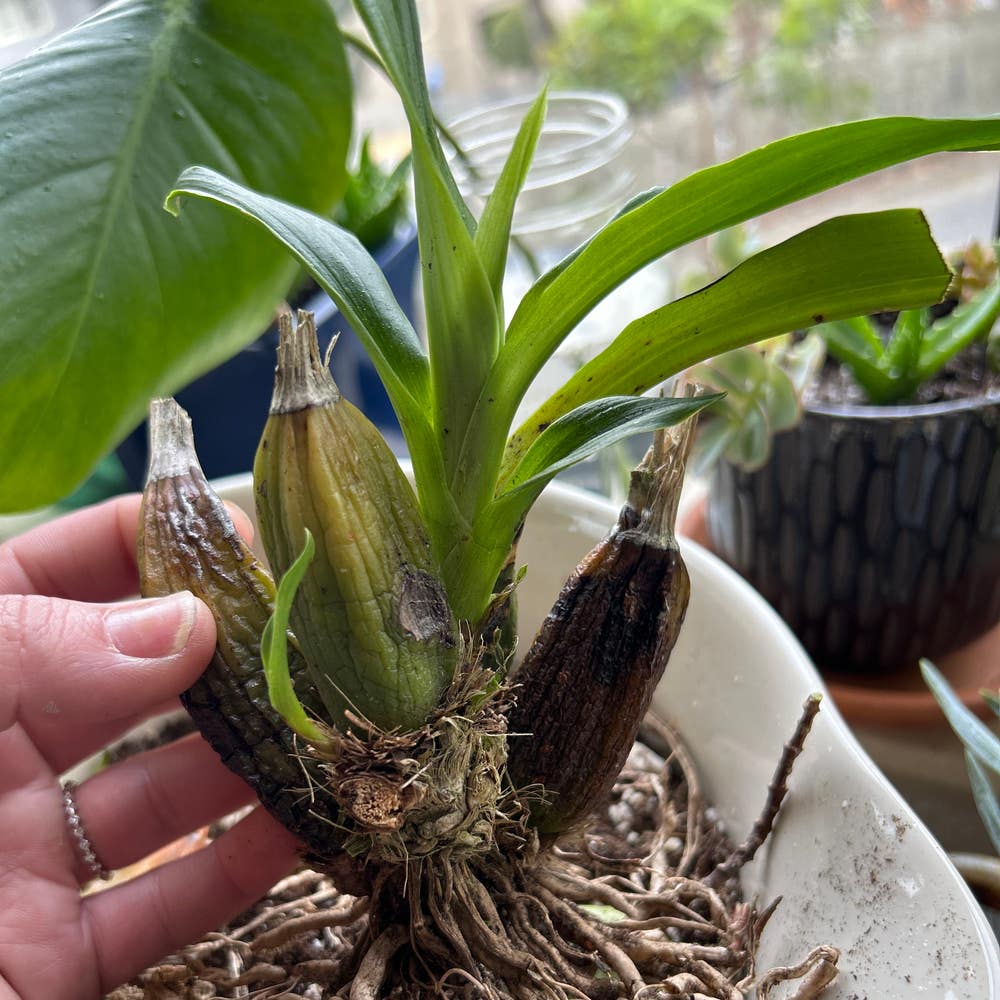
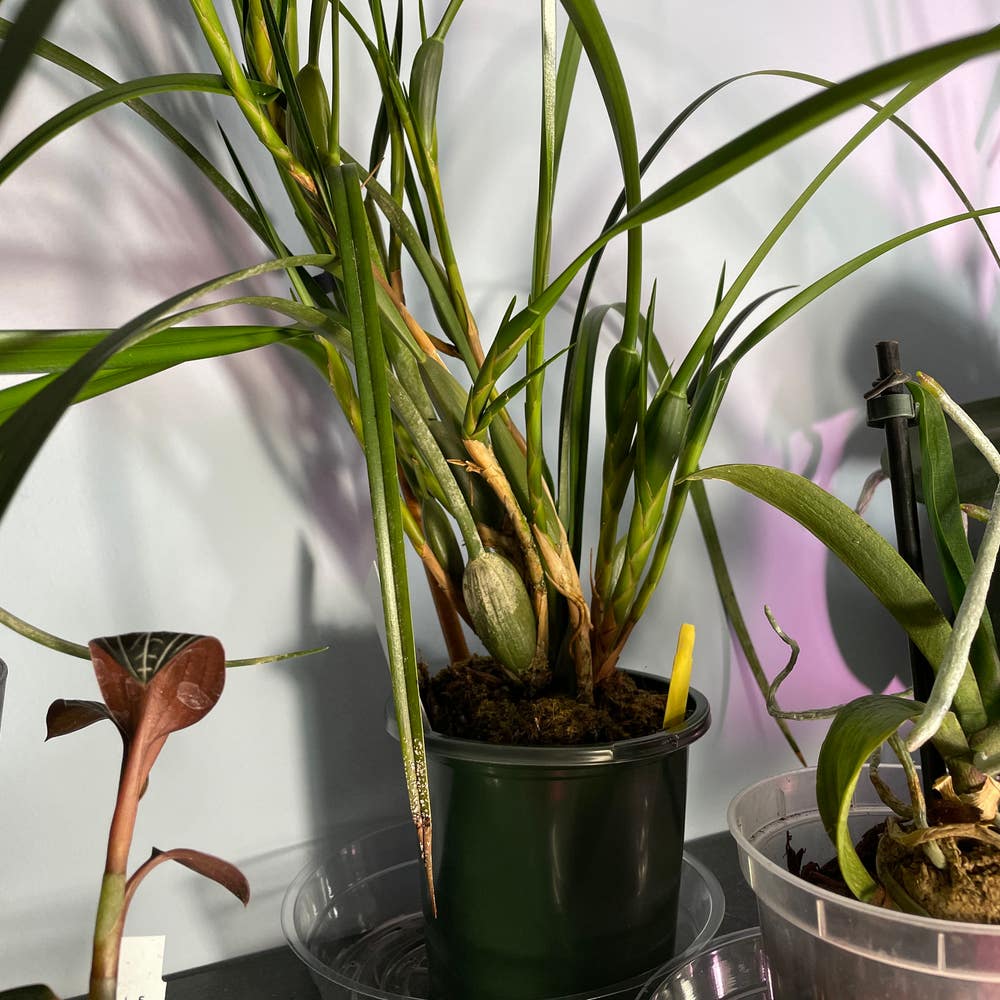
All About Eulophia micrantha: Essential Facts 🌸
Eulophia micrantha
By the Greg Editorial Team
Feb 27, 2025•14 min read
This article was created with the help of AI so we can cover more plants for you. May contain errors. See one? Report it here.
Discover the beauty and resilience of Eulophia micrantha, a low-maintenance gem for your garden! 🌱
- 🌞 Eulophia micrantha thrives in partial shade to full sun; choose the right location!
- 🌱 Well-draining, nutrient-rich soil with pH 6.0-7.0 is essential for optimal growth.
- 🌼 Regular watering and monthly fertilization support healthy growth and flowering.
How to Grow
Choosing a Location 🌞
Eulophia micrantha thrives in light conditions ranging from partial shade to full sun. When deciding on a placement, consider whether it will be outdoors or indoors, and always protect it from strong winds to ensure healthy growth.
Soil Preparation 🌱
For optimal growth, Eulophia micrantha prefers well-draining, nutrient-rich soil. Aim for a pH level between 6.0 and 7.0, and consider adding amendments like compost or sand to enhance soil quality.
Planting Techniques 🌼
The best time to plant Eulophia micrantha is in spring or early summer. When planting, ensure the tubers are placed at a depth of about 2 to 3 inches, and space them approximately 12 to 18 inches apart for optimal growth.
Watering Requirements 🚰
Watering should be done regularly, keeping the soil consistently moist but not soggy. Watch for signs of overwatering, such as yellowing leaves, and underwatering, which may cause wilting; proper drainage is crucial to prevent root rot.
Fertilizing Schedule 🍽️
Use a balanced NPK fertilizer to nourish your Eulophia micrantha. Apply it monthly during the growing season, and keep an eye out for signs of nutrient deficiency, like stunted growth or discoloration.
Pruning and Ongoing Care ✂️
Prune your Eulophia micrantha as needed to maintain its shape and health. Deadheading spent flowers is essential, along with seasonal care tasks like checking for pests and ensuring adequate moisture.
Outdoor vs. Container Growing 🏡
Growing Eulophia micrantha in containers requires different care than ground planting. Choose containers that are at least 12 inches deep, allowing for healthy root growth, and enjoy the benefits of mobility and better control over soil conditions.
Transitioning to the next section, let's explore how to propagate this resilient plant effectively.
Propagation
Seed Propagation 🌱
Collecting seeds from Eulophia micrantha is straightforward. Wait until the seed pods dry out and turn brown, then carefully harvest the seeds.
Prepare the seeds by soaking them in water for a few hours before planting. This helps to soften the seed coat and promotes better germination.
For optimal germination conditions, place the seeds in a warm, humid environment. A temperature range of 70-75°F (21-24°C) is ideal, and using a seed-starting mix can enhance success.
Division of Tubers 🌿
The best time to divide tubers is in early spring, just before the growing season begins. This timing allows the plant to recover quickly and thrive.
To divide the tubers, gently lift them from the soil and use a clean, sharp knife to cut them into sections, ensuring each piece has at least one healthy eye. Replant the divisions immediately to minimize stress.
Cutting Propagation Methods ✂️
When selecting stems for cuttings, choose healthy, vigorous growth from the current season. Avoid any stems that show signs of disease or damage.
For rooting, use a well-draining medium like perlite or a mix of potting soil and sand. Keep the cuttings in a warm, humid environment, and mist them regularly to maintain moisture.
By following these propagation methods, you can successfully expand your Eulophia micrantha collection and enjoy its beauty in your garden. Next, let's explore the lifecycle of this fascinating plant.
Lifecycle
Lifecycle Overview 🌱
Eulophia micrantha undergoes a fascinating lifecycle that includes several distinct stages: germination, seedling, vegetative growth, flowering, and seed production. Each stage plays a crucial role in the plant's development and overall health.
Duration of Each Stage
- Germination: This initial phase typically lasts 2 to 4 weeks, depending on environmental conditions.
- Seedling: Once germinated, seedlings take about 4 to 8 weeks to establish themselves.
- Vegetative Growth: This stage can last several months, as the plant focuses on growing leaves and roots.
- Flowering: Eulophia micrantha usually flowers in late spring to early summer, lasting for about 4 to 6 weeks.
- Seed Production: After flowering, the plant can produce seeds within a few weeks, completing its lifecycle.
Overall Lifespan ⏳
The overall lifespan of Eulophia micrantha can vary, but with proper care, it can thrive for several years. Factors such as climate, soil quality, and care practices significantly influence its longevity.
Timeframe to Reach Full Size 📏
Typically, Eulophia micrantha reaches its full size within 1 to 2 years. However, growth speed can be affected by several factors, including light exposure, watering practices, and nutrient availability.
Understanding these stages and their durations helps you provide the best care for your plant, ensuring it flourishes throughout its lifecycle. Now that you know how Eulophia micrantha grows, let’s explore how to propagate this beautiful plant effectively.
Size
Mature Height and Spread 🌱
Eulophia micrantha typically reaches a mature height of about 12 to 24 inches, with a spread of approximately 12 to 18 inches. However, these dimensions can vary significantly depending on growing conditions such as soil quality, light exposure, and water availability.
Growth Rate Specifics 📈
On average, Eulophia micrantha exhibits a moderate growth rate, often achieving noticeable growth within a single growing season. Factors like temperature, humidity, and nutrient availability can greatly influence this rate, making it essential to provide optimal conditions for robust development.
Understanding the size and growth characteristics of Eulophia micrantha is crucial for planning your garden layout. With the right care, this plant can thrive and add beauty to your space. Next, let’s explore the fascinating lifecycle of Eulophia micrantha and how it progresses through its various stages.
Roots
Characteristics of the Root System 🌱
Eulophia micrantha features a unique tuberous root system that plays a crucial role in its growth. These tubers store essential nutrients and water, allowing the plant to thrive even in less-than-ideal conditions.
Root Depth and Spread 📏
Typically, the roots of Eulophia micrantha extend to a depth of about 12 to 18 inches and can spread outwards significantly. Providing ample root space is vital for healthy growth, as it allows the plant to access nutrients and moisture efficiently.
Common Root-Related Issues ⚠️
Root rot is a common problem for Eulophia micrantha, often caused by overwatering or poor drainage. To prevent this, ensure the soil is well-draining and monitor moisture levels closely.
Identifying Healthy vs. Unhealthy Roots 🧐
Healthy roots are usually firm and have a light tan or white color. In contrast, unhealthy roots may appear mushy or discolored, indicating potential issues that need addressing.
Recognizing Rootbound Conditions 🔒
Rootbound occurs when a plant's roots grow too densely within its container, restricting growth. Symptoms include stunted growth and roots growing out of the drainage holes, signaling that it's time to repot or divide the plant for better health.
Understanding the root system of Eulophia micrantha is essential for successful cultivation. With proper care and attention to root health, you can ensure your plant thrives beautifully. Next, let’s explore the benefits of growing this remarkable plant in your garden.
Benefits
List of 5 Benefits 🌼
Eulophia micrantha offers a range of benefits that make it a fantastic addition to any garden.
- Aesthetic Appeal: With its unique flowers and lush foliage, this plant enhances the beauty of any landscape.
- Attracts Pollinators: Its vibrant blooms are a magnet for bees and butterflies, promoting biodiversity.
- Drought Resistance: This hardy plant can thrive in dry conditions, making it ideal for low-water gardens.
- Low Maintenance Requirements: Eulophia micrantha is easy to care for, requiring minimal attention once established.
- Edible Tubers: The tubers are not only edible but also have potential culinary uses, adding a practical aspect to its beauty.
Cultural Significance and Symbolism 🌍
Eulophia micrantha holds a rich cultural significance across various societies. Historically, it has been used in traditional medicine and rituals, showcasing its importance beyond mere aesthetics.
Symbolically, this plant represents resilience and adaptability, reflecting its ability to thrive in diverse environments. Its presence in gardens can evoke feelings of harmony and connection to nature, making it more than just a decorative element.
As you consider adding Eulophia micrantha to your garden, think about the beauty and cultural depth it brings. Next, let’s explore the fascinating world of companion plants that can enhance your gardening experience even further.
Companion Plants
🌱 Explanation of Companion Planting
Companion planting is a gardening strategy that involves growing different plants together for mutual benefits. This practice can enhance growth, deter pests, and improve overall garden diversity.
By pairing compatible plants, you can create a thriving ecosystem that supports healthy growth and reduces the need for chemical interventions. It's a natural way to boost your garden's resilience.
🌼 Best Companion Plants
Here are some excellent companions for Eulophia micrantha:
- Marigolds: These vibrant flowers repel nematodes and other pests.
- Basil: Enhances the flavor of nearby plants and attracts beneficial insects.
- Nasturtiums: Act as a trap crop, drawing pests away from more vulnerable plants.
These plants work together in symbiotic relationships, providing benefits like pest control and improved pollination. They create a balanced environment that supports the health of Eulophia micrantha.
🚫 Plants to Avoid
While some plants thrive together, others can hinder growth. Avoid planting Eulophia micrantha near:
- Cabbage family: These can compete for nutrients and space.
- Potatoes: They may attract similar pests, increasing the risk of infestations.
- Fennel: Known to inhibit the growth of many garden plants.
Steering clear of these companions helps maintain a healthy garden ecosystem, ensuring your Eulophia micrantha flourishes.
With the right companions, your garden can become a vibrant, productive space. Next, let's explore the fascinating world of Eulophia micrantha's propagation methods.
Toxicity to Humans
Safety Overview 🛡️
Eulophia micrantha is completely safe for humans. According to poison control centers, there are no toxic effects associated with this plant.
While handling the plant, you might experience minor irritation if you have sensitive skin. However, ingestion is generally not a concern, making it a great addition to your garden without the worry of toxicity.
In summary, Eulophia micrantha offers beauty and intrigue without posing health risks. You can enjoy its presence in your home or garden, knowing it’s safe for you and your family.
Next, let's explore its safety for our furry friends!
Toxicity to Dogs
🐶 Safety Overview
Eulophia micrantha is completely nontoxic to dogs, making it a safe addition to your garden. Veterinary organizations confirm that this plant poses no significant health risks to our furry friends.
⚠️ Minor Issues from Consumption
While the plant is safe, some dogs might experience mild gastrointestinal upset if they consume large quantities. It's always a good idea to monitor your pet and consult a vet if you notice any unusual behavior after they've been nibbling on your plants.
In summary, you can enjoy the beauty of Eulophia micrantha without worrying about your dog's safety. With its vibrant presence in your garden, you can create a pet-friendly environment that both you and your canine companion can appreciate.
Toxicity to Cats
Safety Overview 🐾
Eulophia micrantha is completely nontoxic to cats, making it a safe addition to your home or garden. According to various pet poison control centers, there are no harmful effects associated with this plant.
Minor Consumption Issues 🐱
While the plant is safe, minor issues can arise from consumption. Cats may experience mild gastrointestinal upset if they nibble on the leaves, but this is generally not a cause for concern.
Conclusion 📝
In summary, Eulophia micrantha poses no toxicity risks to your feline friends. Feel free to enjoy this beautiful plant without worrying about your cat's safety!
Problems
Common Problems 🌱
Eulophia micrantha, while resilient, can face several common issues that may hinder its growth. Understanding these challenges is key to maintaining a healthy plant.
Incorrect Watering 🚰
Watering can be tricky. Overwatering leads to root rot, while underwatering can cause wilting and stress.
- Signs of Overwatering: Yellowing leaves, mushy roots.
- Signs of Underwatering: Drooping leaves, dry soil.
Light Conditions ☀️
This plant thrives in partial shade to full sun. Insufficient light can stunt growth, while too much direct sunlight may scorch the leaves.
- Symptoms of Poor Light: Leggy growth, pale leaves.
- Solution: Adjust placement to ensure optimal light exposure.
Temperature Issues 🌡️
Eulophia micrantha prefers moderate temperatures. Extreme heat or cold can stress the plant, affecting its overall health.
- Signs of Temperature Stress: Leaf drop, slow growth.
- Solution: Move indoors or provide shade during extreme weather.
Diseases 🦠
Fungal infections can be a concern, particularly in overly moist conditions. Watch for signs of disease to act quickly.
- Common Diseases: Root rot, leaf spot.
- Prevention: Ensure good drainage and air circulation.
Root Problems 🌿
Healthy roots are vital for nutrient uptake. Issues like root rot or being rootbound can severely impact growth.
- Identifying Root Problems: Check for mushy or discolored roots.
- Solution: Repot if rootbound; improve drainage to prevent rot.
Leaf Issues 🍃
Leaves can show signs of distress due to pests or environmental factors. Yellowing or browning edges often indicate underlying problems.
- Common Leaf Problems: Pests, nutrient deficiencies.
- Solution: Inspect for pests and adjust fertilization as needed.
Growth Problems 📉
If your Eulophia micrantha isn’t growing as expected, it may be due to a combination of the above factors.
- Signs of Poor Growth: Stunted size, lack of blooms.
- Solution: Evaluate care routine and adjust watering, light, and nutrients.
By keeping an eye on these common problems, you can ensure your Eulophia micrantha thrives. Next, let’s explore how to propagate this beautiful plant for even more growth opportunities.
Bugs
🐛 Potential Pest Issues
Eulophia micrantha is generally resilient, but it can still fall prey to a few common pests. Understanding their resistance and susceptibility is key to maintaining a healthy plant.
👀 Common Pests to Watch For
Spider Mites: These tiny pests thrive in dry conditions, often causing stippling on leaves. Regular misting can help deter them.
Scale Insects: These pests appear as small, brown bumps on stems and leaves. Treat them with insecticidal soap or neem oil for effective control.
Fungus Gnats: Often found in overly moist soil, these pests can harm roots. Allowing the soil to dry out between waterings can help manage their population.
Mealybugs: Recognizable by their white, cottony appearance, mealybugs can weaken your plant. A cotton swab dipped in alcohol can effectively remove them.
Aphids: These small, green insects can cluster on new growth. They can be controlled with a strong spray of water or insecticidal soap.
Whiteflies: These pests can cause yellowing leaves and stunted growth. Sticky traps can help monitor and reduce their numbers.
Weevils: These beetles can damage roots and leaves. Handpicking and maintaining soil health are effective prevention strategies.
🛠️ Treatment Strategies
To keep Eulophia micrantha thriving, regular monitoring is essential. If you spot any pests, act quickly to minimize damage.
Preventive Measures: Maintain good air circulation and avoid overwatering to create an environment less favorable for pests.
Natural Remedies: Introduce beneficial insects like ladybugs, which can help control aphid populations naturally.
Chemical Treatments: If infestations become severe, consider using organic pesticides as a last resort. Always follow application instructions carefully.
By staying vigilant and employing these strategies, you can protect your Eulophia micrantha from pests and ensure its vibrant growth. Next, let’s explore what animals might be attracted to this beautiful plant and how to manage their interactions.
What Eats
🐇 Common Animals
Eulophia micrantha can attract a variety of animals, both beneficial and problematic. Common visitors include rabbits, deer, and various insects, all of which may find the plant's foliage and tubers appealing.
🕵️♂️ Signs of Animal Presence and Damage
Look for telltale signs of animal activity around your plants. Chewed leaves, missing tubers, and droppings can indicate that your Eulophia micrantha is being targeted by hungry critters.
🚫 Deterrent Methods for Managing Animal Interactions
To protect your plants, consider implementing a few deterrent strategies.
- Physical Barriers: Fencing or netting can keep larger animals like deer and rabbits at bay.
- Repellents: Use commercial animal repellents or homemade solutions like garlic spray to discourage pests.
- Companion Planting: Planting strong-smelling herbs nearby can mask the scent of Eulophia micrantha, making it less appealing to herbivores.
By being proactive, you can enjoy the beauty of Eulophia micrantha without the worry of unwanted munchers. Next, let’s explore the potential pest issues that can affect this resilient plant.
⚠️ Safety First
This content is for general information and may contain errors, omissions, or outdated details. It is not medical, veterinary advice, or an endorsement of therapeutic claims.
Always consult a qualified healthcare professional before using any plant as food, medicine, or supplement.
Never eat any plant (or feed one to pets) without confirming its identity with at least two trusted sources.
If you suspect poisoning, call Poison Control (800) 222-1222, the Pet Poison Helpline (800) 213-6680, or your local emergency service immediately.
Spotted an error? Please report it here.
Eulophia micrantha is a stunning and hardy plant that thrives in diverse light conditions, and with Greg's customized care tips 🌱, you’ll get the precise watering reminders and nutrient advice needed to help it flourish beautifully!