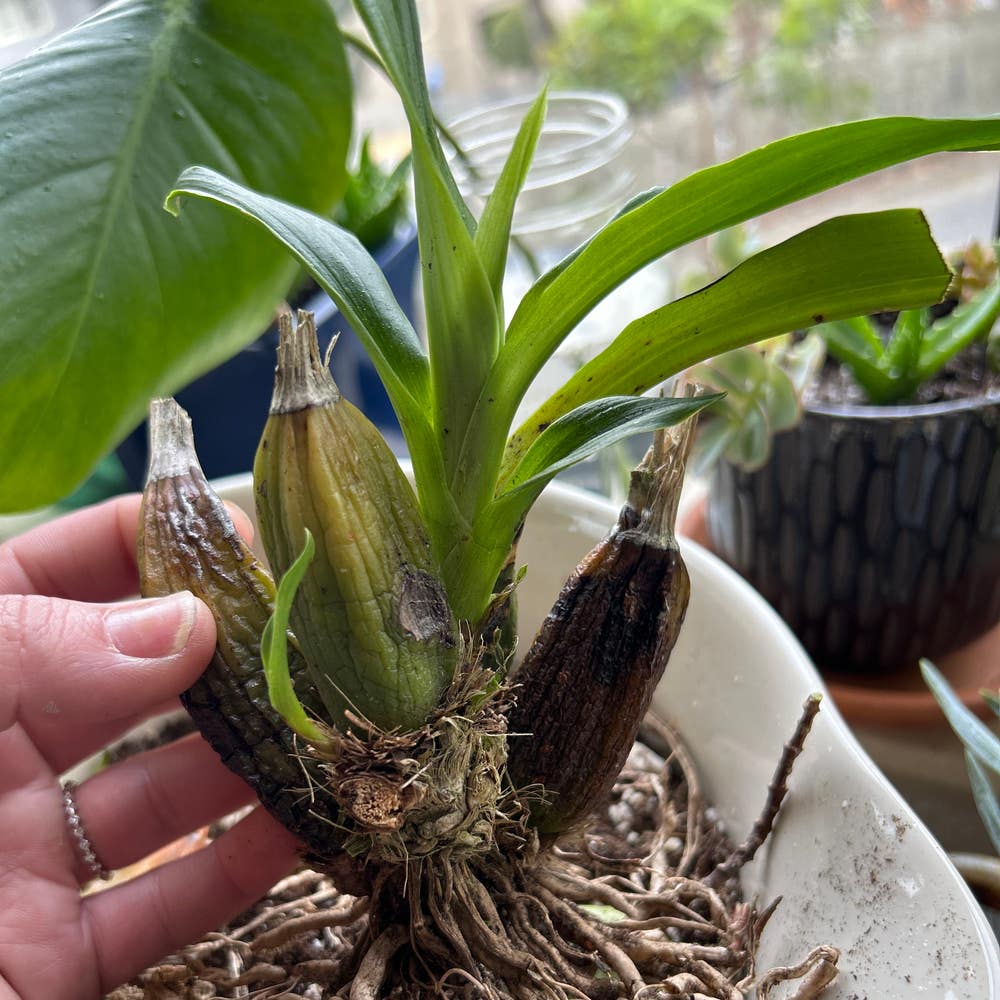
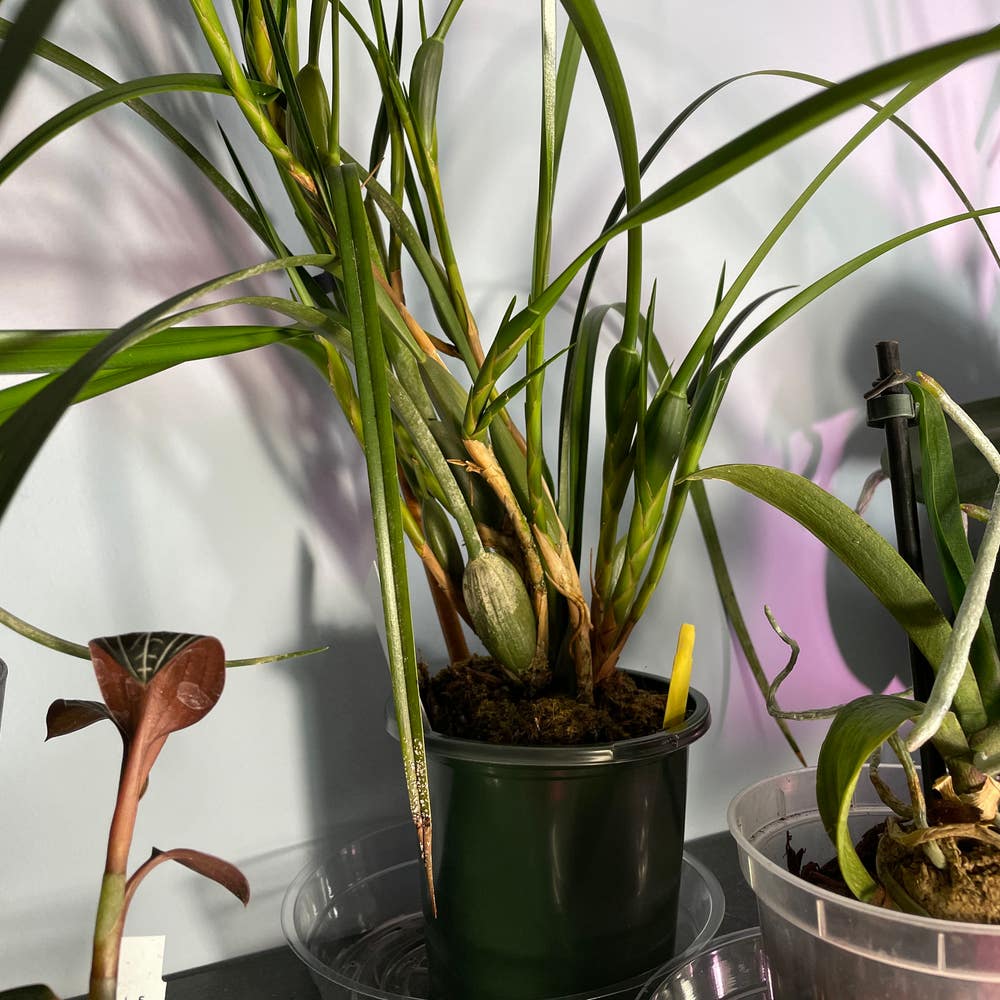
🌸 Overview of Eulophia mannii
Eulophia mannii
By the Greg Editorial Team
Feb 27, 2025•9 min read
This article was created with the help of AI so we can cover more plants for you. May contain errors. See one? Report it here.
Unlock the beauty of Eulophia mannii 🌼 and learn how to cultivate this stunning orchid in your garden! 🌱
- 🌱 Eulophia mannii thrives in partial shade with high humidity and warm temperatures.
- 🌿 Use well-draining, organic-rich soil with a pH of 6.0 to 7.0 for growth.
- 🐛 Regularly check for pests and maintain moisture to prevent root rot and stunted growth.
How to Grow
🌍 Choosing a Location
Eulophia mannii thrives in partial shade, making it essential to avoid direct sunlight. Aim for temperatures between 20°C to 30°C (68°F to 86°F) and maintain high humidity levels of 60-80% for optimal growth.
🌱 Soil Preparation
For soil preparation, choose a well-draining mix rich in organic matter. The ideal soil pH is slightly acidic to neutral, ranging from 6.0 to 7.0, and ensure good drainage to prevent root rot.
🌿 Planting Techniques
When planting, place rhizomes 2-3 inches deep in the soil. Space your plants 12-18 inches apart to give them room to grow and flourish.
💧 Watering Requirements
Water Eulophia mannii regularly to keep the soil consistently moist but not waterlogged. A watering can or drip irrigation is best to avoid wetting the foliage, which can lead to fungal issues.
🌼 Fertilizing Schedule
Use a balanced orchid fertilizer (20-20-20) to nourish your plants. Fertilize every 4-6 weeks during the growing season to support healthy growth and flowering.
✂️ Pruning and Ongoing Care
After flowering, remove any dead or yellowing leaves to keep your plant healthy. Use clean, sharp scissors to prune, ensuring you don’t damage the remaining foliage.
With these guidelines, you’ll set the stage for a thriving Eulophia mannii. Next, let’s explore how to propagate this beautiful plant for even more growth!
Propagation
🌱 Seed Propagation
To propagate Eulophia mannii from seeds, start by sowing them in a sterile medium. Keep the medium moist and maintain high humidity; under optimal conditions, germination typically takes 2-3 weeks.
✂️ Division of Rhizomes
Dividing rhizomes is another effective propagation method. The best time to do this is in spring when the plant is actively growing. Carefully separate the rhizomes, ensuring that each division has roots and at least one growth point for successful establishment.
This propagation knowledge not only helps expand your collection but also ensures healthy growth for your Eulophia mannii. Next, let’s explore the lifecycle of this fascinating plant and how it develops over time.
Lifecycle
Lifecycle Stages 🌱
Eulophia mannii is a perennial plant that takes about 2-3 years to reach maturity. The journey begins with the germination period, where seeds sprout within 2-3 weeks under optimal conditions.
Once germinated, the plant enters the seedling stage, lasting several months as it establishes its roots. Following this, it enters a rapid vegetative growth phase that lasts 1-2 years, during which the plant expands significantly.
Flowering typically occurs in late spring to early summer, showcasing its beautiful blooms. After flowering, the plant produces seeds that mature in late summer, completing the lifecycle.
Growth Timeline ⏳
So, how long until Eulophia mannii is fully grown? Expect approximately 2-3 years for it to reach its full potential.
The growth rate is moderate, influenced by the care it receives and the conditions in which it’s grown. With the right environment, you can enjoy the beauty of this unique plant in just a few years!
As you nurture your Eulophia mannii, remember that patience is key. Each stage of its lifecycle offers a chance to appreciate its development and beauty.
Size
Mature Height and Spread 🌱
Eulophia mannii typically reaches a mature height of 30-60 cm (12-24 inches). Under optimal conditions, it can spread up to 30 cm (12 inches), creating a lovely presence in your garden.
Growth Rate and Factors Affecting Size 📈
This orchid has a moderate growth rate, which can be influenced by several factors. Light, water, and nutrient availability play crucial roles in determining how quickly and robustly your plant will grow.
Size Variability 📏
The size of Eulophia mannii can vary based on environmental conditions and care practices. Providing the right balance of care will help ensure your plant thrives and reaches its full potential.
As you nurture your Eulophia mannii, keep these size factors in mind to foster a healthy, vibrant plant. Next, let's explore the fascinating root system that supports its growth.
Roots
Characteristics of the Root System 🌱
Eulophia mannii features a fibrous root system that is essential for its growth and stability. Typically, these roots grow to a depth of 6-12 inches and can spread laterally up to 12 inches, allowing the plant to absorb nutrients effectively.
Common Root-Related Issues ⚠️
One of the most common problems faced by Eulophia mannii is root rot, which occurs due to overwatering. Symptoms include mushy roots and yellowing leaves, signaling that the plant is in distress.
Another issue is becoming rootbound, which happens when the roots fill the pot. Signs of this condition include stunted growth and roots emerging from the drainage holes, indicating that it's time to repot.
Visual Cues for Healthy vs. Unhealthy Roots 👀
Healthy roots are firm and exhibit a white or light tan color, indicating vitality. In contrast, unhealthy roots appear dark, mushy, or may even emit a foul smell, suggesting that immediate action is needed to save the plant.
Understanding these root characteristics and issues is crucial for maintaining the health of your Eulophia mannii. By keeping an eye on root health, you can ensure your plant thrives and flourishes.
Next, let's explore the benefits of growing Eulophia mannii and how it can enhance your garden.
Benefits
Top 5 Benefits 🌟
Eulophia mannii is not just a pretty face in the garden; it offers a range of benefits that make it a worthwhile addition to any landscape.
1. Aesthetic Appeal
The unique flowering spikes of Eulophia mannii can transform your garden into a vibrant oasis. Their striking appearance adds a touch of elegance and intrigue.
2. Cultural Significance
In various African cultures, this plant holds traditional medicinal value and plays a role in rituals. Its historical importance enriches its presence in gardens.
3. Biodiversity
Eulophia mannii contributes to garden diversity, supporting a healthy ecosystem. By planting it, you help create a balanced environment for various species.
4. Pollinator Attraction
The flowers of Eulophia mannii are a magnet for bees and other beneficial insects. This makes it an excellent choice for those looking to support local pollinator populations.
5. Air Purification
Beyond beauty, this plant helps improve air quality by filtering pollutants. Adding Eulophia mannii to your space not only enhances aesthetics but also promotes a healthier atmosphere.
Incorporating Eulophia mannii into your garden is a win-win situation. Not only do you get to enjoy its beauty, but you also contribute positively to your environment and community.
Next, let’s explore the best companion plants that thrive alongside Eulophia mannii.
Companion Plants
Best Companion Plants 🌿
When growing Eulophia mannii, consider pairing it with ferns. They thrive in similar humidity levels and provide the shade that this orchid prefers.
Other orchids also make excellent companions. They share care requirements and create a stunning visual display in your garden.
Adding herbs like basil or mint can be beneficial too. These plants not only complement Eulophia mannii but also help repel pests that might otherwise cause trouble.
Plants to Avoid 🚫
On the flip side, steer clear of heavy feeders like tomatoes. These plants can compete for nutrients, potentially stunting the growth of your Eulophia mannii.
Choosing the right companions can enhance your garden's health and beauty. With the right mix, you can create a thriving ecosystem that supports your Eulophia mannii and keeps it flourishing.
Next, let's explore some common problems you might encounter while caring for this unique orchid.
Problems
🌱 Common Problems
Incorrect Watering
Watering is a crucial aspect of caring for Eulophia mannii. Overwatering leads to yellowing leaves and root rot, while underwatering results in wilting and dry leaf tips.
Incorrect Light Conditions
Light conditions can make or break your plant's health. Symptoms of incorrect lighting include leaf scorch or etiolation, where the plant stretches towards the light. To remedy this, adjust the light exposure to ensure it receives partial shade.
Incorrect Temperature
Temperature plays a significant role in plant vitality. If your Eulophia mannii experiences stunted growth or leaf drop, it may be a sign of temperature stress. Keep the plant within its preferred temperature range of 20°C to 30°C (68°F to 86°F) for optimal growth.
🦠 Diseases
Diseases can also pose a threat to your plant's health. Powdery mildew appears as white fungal growth on leaves and can be treated with fungicides. Root rot, often caused by overwatering, can be mitigated by improving drainage and reducing watering frequency.
🍃 Leaf Issues
Leaf issues are common indicators of underlying problems. Scorching, caused by excessive direct sunlight, can be resolved by relocating the plant to a shadier spot. Yellowing leaves may signal nutrient deficiency or overwatering, prompting a review of your care routine.
Understanding these common problems will help you maintain a healthy Eulophia mannii. By addressing watering, light, temperature, diseases, and leaf issues, you can ensure your plant thrives. Next, let’s explore potential pest issues that could affect your plant's health.
Bugs
Potential Pest Issues 🐜
Eulophia mannii can attract a variety of pests that may threaten its health. Identifying these pests early is crucial for effective management.
Spider Mites
These tiny pests create fine webs on the leaves, often indicating an infestation. To treat spider mites, apply insecticidal soap thoroughly to the affected areas.
Scale Insects
Scale insects appear as hard, shell-like bumps on stems. They can be removed manually or treated with horticultural oil to eliminate them effectively.
Mealybugs
Characterized by white, cottony masses on leaves, mealybugs can weaken your plant. Treat them with neem oil for a natural solution that disrupts their lifecycle.
Aphids
Aphids are small green or black insects that cluster on new growth. Control them using insecticidal soap or introduce ladybugs, which are natural predators.
Prevention Tips 🚫
To keep your Eulophia mannii thriving, regularly inspect your plants for signs of pests. Early detection and prompt action can save your plant from severe damage.
Conclusion 🎉
Maintaining vigilance against pests is key to a healthy Eulophia mannii. With proper care and timely interventions, you can enjoy the beauty of this unique plant without the worry of pest infestations. Next, let’s explore what animals might be interested in munching on your Eulophia mannii.
What Eats Eulophia mannii
Common Animals 🦌
Eulophia mannii can attract a variety of hungry critters.
- Deer: Look for chewed leaves and broken stems as telltale signs of their presence.
- Rabbits: These little nibblers leave behind clipped stems and missing foliage.
- Squirrels: They may dig around the base, disturbing the soil and leaving a mess.
- Birds: Watch for missing blooms, as they can peck at the flowers.
- Rodents: Gnaw marks and burrowing indicate these pests are nearby.
Deterrent Methods 🚫
Protecting your Eulophia mannii from these animals is essential for its health.
- Chemical repellents: Consider using commercial deer or rodent repellents to keep them at bay.
- Organic methods: Planting deterrent herbs like mint can help, or you can use physical barriers such as fencing to create a protective shield.
By being proactive, you can enjoy the beauty of Eulophia mannii without the worry of unwanted visitors.
⚠️ Safety First
This content is for general information and may contain errors, omissions, or outdated details. It is not medical, veterinary advice, or an endorsement of therapeutic claims.
Always consult a qualified healthcare professional before using any plant as food, medicine, or supplement.
Never eat any plant (or feed one to pets) without confirming its identity with at least two trusted sources.
If you suspect poisoning, call Poison Control (800) 222-1222, the Pet Poison Helpline (800) 213-6680, or your local emergency service immediately.
Spotted an error? Please report it here.
Unlock the full potential of your Eulophia mannii 🌿 with Greg's personalized care tips and watering reminders, ensuring your plant thrives beautifully in its ideal environment!