🌸 Eulophia macowanii: A Comprehensive Overview
Eulophia macowanii
By the Greg Editorial Team
Feb 27, 2025•11 min read
This article was created with the help of AI so we can cover more plants for you. May contain errors. See one? Report it here.
Elevate your garden's beauty and resilience with Eulophia macowanii—easy to grow and stunning! 🌱🌸
- 🌞 Eulophia macowanii thrives in full sun and well-drained, sandy or loamy soil.
- 💧 Water carefully to prevent root rot; let soil dry between waterings.
- 🌱 Prune after flowering and monitor for pests to maintain plant health.
How to Grow
🌍 Choosing a Location
Eulophia macowanii thrives in warm, well-drained areas. It prefers full sun but can tolerate partial shade, making it versatile for various garden settings.
Consider whether you want to grow it outdoors or in containers. Container growing allows for easier mobility and control over soil conditions.
🏗️ Soil Preparation
This plant flourishes in sandy or loamy substrates. Well-draining soil is crucial to prevent root rot and promote healthy growth.
Enhance soil fertility by adding organic matter. Compost or well-rotted manure can significantly improve soil quality.
🌱 Planting Techniques
For optimal growth, plant Eulophia macowanii 2-3 inches deep. Space the plants 12-18 inches apart to ensure they have room to thrive.
The best time to plant is during the spring when temperatures are consistently warm.
💧 Watering Requirements
Establish a watering schedule based on soil moisture. Eulophia macowanii prefers its soil to dry out between waterings.
Watch for signs of overwatering, like yellowing leaves, or underwatering, which can cause wilting. Adjust your watering routine accordingly.
🌿 Fertilizing Schedule
Use a balanced NPK fertilizer to nourish your plants. Apply it monthly during the growing season for best results.
Keep an eye out for signs of nutrient deficiency, such as stunted growth or discoloration, and adjust your fertilization as needed.
✂️ Pruning Methods
Prune Eulophia macowanii after flowering to maintain its health. Focus on removing dead or damaged leaves to encourage new growth.
Regular pruning not only keeps the plant looking tidy but also promotes better air circulation and overall vitality.
🔍 Ongoing Care Tips
Monitor your plant's growth and health regularly. Adjust care practices based on seasonal changes to ensure optimal conditions.
Don't overlook the importance of pest and disease prevention. Regular checks can help you catch issues early and keep your plant thriving.
With these guidelines, you're well on your way to successfully growing Eulophia macowanii. Next, let’s explore how to propagate this beautiful plant for even more blooms!
Propagation
🌱 Seed Propagation
Seed propagation is an exciting way to grow Eulophia macowanii. Timing is crucial; collect seeds when they are fully mature, typically in late summer.
For successful germination, maintain optimal conditions: temperatures between 70°F and 80°F and consistent moisture are key. Expect seeds to germinate within 2-4 weeks, so patience is essential during this phase.
✂️ Division of Rhizomes
Dividing rhizomes is another effective propagation method, best done in early spring or fall. Ensure you have a clean, sharp knife ready to make precise cuts.
To successfully divide, carefully cut the rhizomes into sections, ensuring each piece has at least one growing bud. Replant these sections in well-prepared soil, and watch them thrive in their new homes.
With these propagation techniques, you can expand your Eulophia macowanii collection or share the beauty of this plant with friends. Next, let’s explore the lifecycle of this fascinating perennial.
Lifecycle
Lifecycle Overview 🌱
Eulophia macowanii is classified as a perennial, meaning it lives for multiple years. Its lifecycle progresses through distinct stages, starting from seed germination to full maturity.
Germination Process 🌧️
For successful germination, Eulophia macowanii seeds require optimal conditions, including warmth and moisture. Typically, seeds germinate within 2-4 weeks when provided with the right environment.
Seedling Development 🌿
Once germinated, seedlings exhibit unique characteristics, such as small leaves and a delicate structure. During this stage, they need consistent moisture and protection from harsh conditions to thrive.
Vegetative Growth Phase 🌳
The vegetative growth phase is where the plant establishes itself. This phase usually lasts 1-2 years, during which the plant focuses on developing a robust root system and foliage.
Flowering and Seed Production 🌸
Flowering occurs approximately 2-3 years after planting, marking a significant milestone in the plant's lifecycle. During this time, Eulophia macowanii produces seeds, ensuring its continuation for future generations.
Lifespan and Growth Rate ⏳
Under optimal conditions, Eulophia macowanii can live for 5-10 years. Its growth rate is moderate, with plants reaching maturity in about 2-3 years, making it a rewarding addition to any garden.
This lifecycle overview highlights the resilience and beauty of Eulophia macowanii, setting the stage for understanding its care and cultivation. Next, we will explore the various propagation methods to expand your collection of this stunning plant.
Size
🌱 Mature Height and Spread
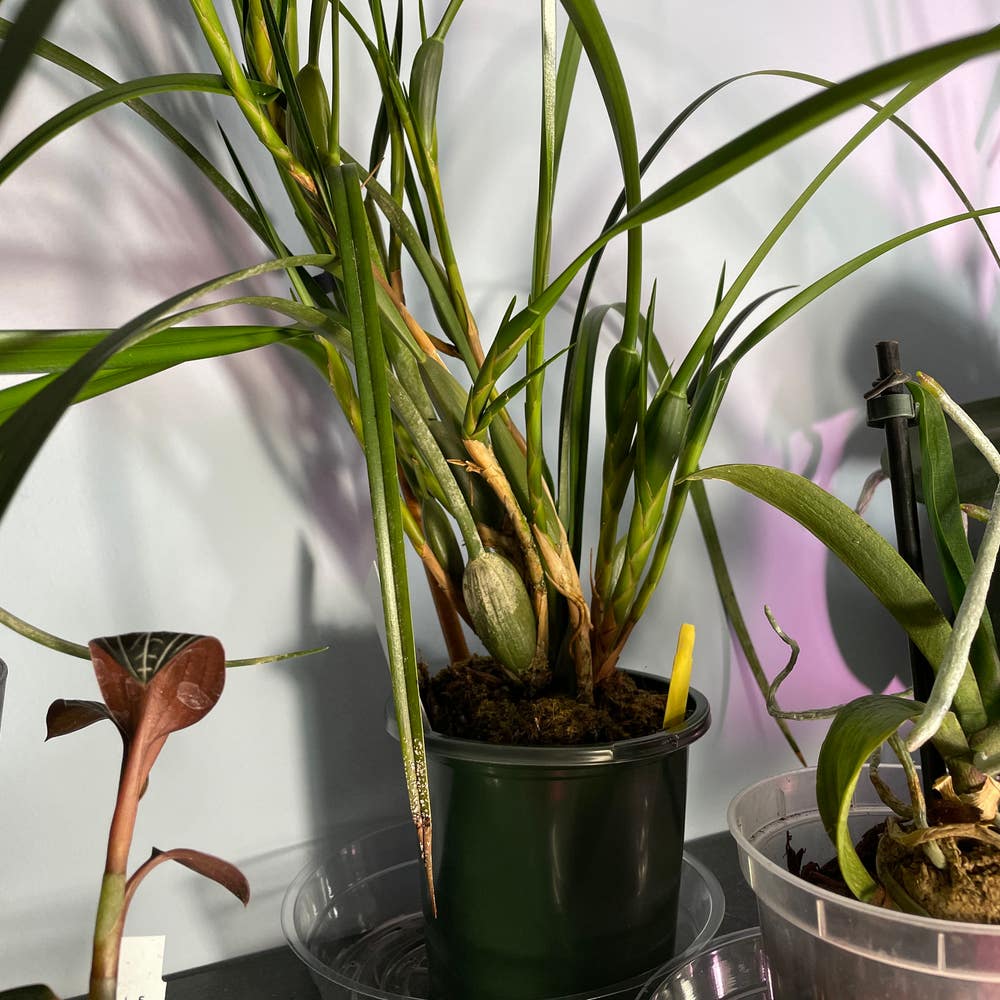
Eulophia macowanii typically reaches a mature height of 12 to 24 inches. Its spread can range from 12 to 18 inches wide, making it a manageable addition to various garden spaces.
🌿 Growth Habits and Variability
The growth rate of Eulophia macowanii can vary significantly based on environmental conditions. Factors such as soil quality, water availability, and sunlight exposure play crucial roles in determining how robustly this plant will thrive.
📏 Factors Affecting Size
Environmental conditions, including temperature and humidity, directly influence the size of Eulophia macowanii. Additionally, care practices like fertilization and watering can either enhance or hinder its growth potential.
Understanding these aspects will help you create the ideal environment for your Eulophia macowanii, ensuring it flourishes beautifully in your garden. Next, let’s explore the fascinating lifecycle of this resilient plant.
Roots
🌱 Root System Characteristics
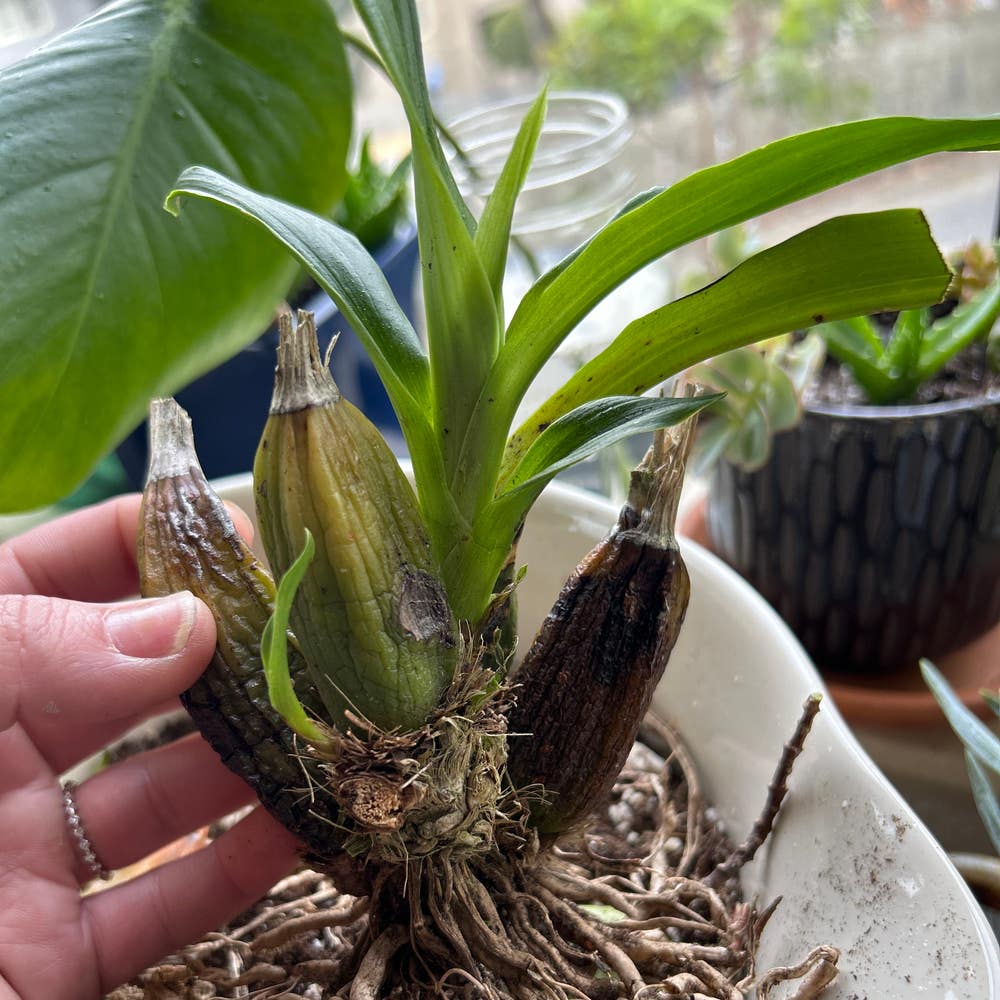
Eulophia macowanii boasts a fleshy, water-storing root system. This unique structure is crucial for the plant's health, allowing it to thrive in varying conditions.
📏 Depth and Spread of Roots
Typically, the roots extend 6-12 inches deep. However, they can spread wider than the plant's canopy, ensuring stability and access to nutrients.
⚠️ Common Root-Related Issues
Root rot is a common concern, often caused by overwatering or poor drainage. To prevent this, ensure your plant has well-draining soil and avoid excessive moisture.
🔍 Identifying Healthy vs. Unhealthy Roots
Healthy roots are firm and white, indicating vitality. In contrast, unhealthy roots may show signs of discoloration or mushiness, signaling potential problems.
🌿 Recognizing Rootbound Conditions
When roots fill the pot, the plant is considered rootbound. To remedy this, repotting and root pruning techniques can help rejuvenate your Eulophia macowanii, promoting healthier growth.
Understanding the root system of Eulophia macowanii is essential for its care. By monitoring root health and addressing issues promptly, you can ensure your plant thrives beautifully. Next, let’s explore the benefits this stunning plant brings to your garden.
Benefits
Top 5 Benefits 🌟
Eulophia macowanii offers a range of benefits that make it a fantastic addition to any garden. Here are the top five reasons to consider this remarkable plant.
1. Aesthetic Appeal
The striking flowers of Eulophia macowanii can transform your garden into a vibrant oasis. Their unique shapes and colors not only catch the eye but also create a stunning focal point.
2. Drought Tolerance
This plant is resilient in dry conditions, making it an excellent choice for water-wise gardening. Its ability to thrive with minimal water helps conserve resources while maintaining a lush appearance.
3. Pollinator Attraction
Eulophia macowanii plays a vital role in supporting local ecosystems. Its flowers attract various pollinators, including bees and butterflies, which are essential for a healthy garden.
4. Unique Foliage
The plant's distinctive leaves add diversity to your plant collection. Their texture and form can complement other plants, enhancing the overall visual interest of your garden.
5. Cultural Significance
In many cultures, Eulophia macowanii holds symbolic meaning. Incorporating this plant into your garden can connect you to these rich traditions and stories, adding depth to your gardening experience.
These benefits not only enhance your garden's beauty but also contribute positively to the environment. As you consider adding Eulophia macowanii to your collection, think about how it can enrich your gardening journey and support local wildlife.
Next, let's explore the concept of companion planting and how Eulophia macowanii can thrive alongside other plants.
Companion Plants
🌱 Concept of Companion Planting
Companion planting is the practice of growing different plants together for mutual benefits. This technique can enhance growth, improve pest management, and create a more vibrant garden ecosystem.
🌼 Best Companion Plants
When selecting companions for Eulophia macowanii, consider plants with similar care needs. Some excellent choices include:
- Marigolds: These flowers repel pests and attract beneficial insects.
- Basil: Known for its aromatic leaves, basil can deter harmful insects while enhancing the flavor of nearby plants.
- Nasturtiums: These vibrant flowers not only add beauty but also act as a trap crop for aphids, keeping them away from your Eulophia.
Companion plants can provide pest-repellent properties and visual appeal, making your garden both functional and attractive.
🚫 Plants to Avoid
While many plants can thrive alongside Eulophia macowanii, some should be avoided. Plants that compete for resources, such as:
- Tall grasses: They can overshadow Eulophia, limiting sunlight exposure.
- Heavy feeders: Plants that require a lot of nutrients may deplete the soil, leaving your Eulophia undernourished.
Choosing the right companions is crucial for maintaining a healthy garden. By understanding which plants work well together, you can create a thriving environment for your Eulophia macowanii.
Transitioning to the next section, let's explore common problems that can arise while growing this beautiful plant.
Problems
🌱 Common Problems
1. Incorrect Watering
Watering is crucial for Eulophia macowanii, but getting it right can be tricky. Symptoms like wilting or yellowing leaves often indicate issues—either overwatering or underwatering.
To fix this, adjust your watering schedule based on the soil's moisture level. Always check the soil before watering to ensure you're meeting your plant's needs.
2. Incorrect Light Conditions
Light conditions can make or break your plant's health. If you notice leggy growth or scorched leaves, it’s a sign that your Eulophia macowanii isn't getting the right amount of light.
Relocating your plant to a spot with appropriate light conditions can help restore its vigor. Aim for a balance between full sun and partial shade for optimal growth.
3. Incorrect Temperature
Temperature fluctuations can stress your plant. Symptoms like stunted growth or leaf drop suggest that your Eulophia macowanii is exposed to extreme temperatures.
To remedy this, provide shade during hot spells or warmth during cold snaps. Keeping your plant in a stable environment promotes healthy growth.
4. Diseases
Diseases can sneak up on your Eulophia macowanii, with powdery mildew and rust being common culprits. Look for signs like fungal growth on leaves to catch these issues early.
Improving air circulation around your plant and applying fungicides can help manage these diseases effectively. Regular monitoring is key to preventing outbreaks.
5. Leaf Issues
Leaf problems can signal underlying issues. Yellowing or fuzzy growth often points to nutrient deficiencies or pest infestations.
Adjust your fertilization routine and inspect for pests to address these concerns. Healthy leaves are a sign of a thriving plant, so keep a close eye on them.
📚 Conclusion
By being aware of these common problems and their solutions, you can ensure your Eulophia macowanii thrives. Next, let’s explore potential pest issues that may affect your plant’s health.
Bugs
🐛 Potential Pest Issues
Eulophia macowanii is generally resilient against pests, making it a robust choice for gardeners. However, vigilance is key, as even the hardiest plants can face challenges from common pests.
🔍 Identification of Pests
Watch out for spider mites, aphids, and mealybugs. Signs of infestation include visible pests on the leaves and noticeable damage, such as discoloration or holes.
⚠️ Damage Caused by Pests
Pests can cause significant issues, leading to leaf curling and stunted growth. This not only affects the plant's appearance but can also hinder its overall health.
🧪 Treatment Options
For organic treatment, consider using neem oil or insecticidal soap, which are effective and environmentally friendly. If infestations persist, chemical treatments may be necessary, but use them judiciously to protect beneficial insects.
Understanding these pest dynamics will help you keep your Eulophia macowanii thriving. Next, let’s explore how to prevent and manage common problems that may arise during its growth.
What Eats
Common Animals 🦌
Eulophia macowanii can attract a variety of herbivores. Common culprits include deer, rabbits, and squirrels, all of which may find the plant's foliage appealing.
Signs of Animal Presence 🐾
Identifying animal activity around your plants is crucial. Look for tracks, droppings, and chewed foliage as clear indicators that herbivores are nearby.
Types of Damage 🥴
Damage from these animals can manifest in several ways. You might notice browsing on leaves or even uprooting of the plants, which can severely impact their health.
Deterrent Methods 🚫
To protect your Eulophia macowanii, consider using deterrent methods. Chemical repellents can be effective, but organic options like companion planting and physical barriers often work just as well, providing a more sustainable approach.
By implementing these strategies, you can safeguard your plants and enjoy their beauty without the worry of unwanted nibblers. Next, let’s explore common problems that may arise in your gardening journey.
⚠️ Safety First
This content is for general information and may contain errors, omissions, or outdated details. It is not medical, veterinary advice, or an endorsement of therapeutic claims.
Always consult a qualified healthcare professional before using any plant as food, medicine, or supplement.
Never eat any plant (or feed one to pets) without confirming its identity with at least two trusted sources.
If you suspect poisoning, call Poison Control (800) 222-1222, the Pet Poison Helpline (800) 213-6680, or your local emergency service immediately.
Spotted an error? Please report it here.
Eulophia macowanii is a stunning addition to any garden, and with Greg's custom care reminders 🌱, you can effortlessly nurture it to thrive while attracting pollinators and enriching your ecosystem!