🌸 Understanding Eulophia macaulayi: The Basics
Eulophia macaulayi
By the Greg Editorial Team
Feb 27, 2025•9 min read
This article was created with the help of AI so we can cover more plants for you. May contain errors. See one? Report it here.
Unlock the beauty of Eulophia macaulayi in your garden with simple care tips! 🌱✨
- 🌞 Eulophia macaulayi needs 4-6 hours of sunlight for optimal growth.
- 💧 Water when the top inch is dry to prevent root rot.
- 🌱 Low maintenance and attractive to pollinators, perfect for busy gardeners!
How to Grow
🌞 Choosing a Location
To thrive, Eulophia macaulayi needs the right light. Aim for a spot that offers full sun to partial shade, providing 4-6 hours of direct sunlight daily.
Temperature is another key factor. This plant prefers a cozy range of 20°C to 30°C (68°F to 86°F) and enjoys high humidity levels between 50-70% for optimal growth.
🌱 Soil Preparation
The foundation of your plant's health lies in the soil. Use a well-draining mix rich in organic matter to support its growth.
For the best results, maintain a slightly acidic to neutral pH, ideally between 6.0 and 7.0. If planting in a garden, consider amending the soil with perlite or sand to ensure proper drainage.
🌿 Planting Techniques
When it comes to planting, depth matters. Place rhizomes 2-3 inches deep in the soil to give them a solid start.
Spacing is equally important. Keep plants 12-18 inches apart to allow ample room for growth and airflow.
💧 Watering Requirements
Watering should be done thoughtfully. Check the top inch of soil; if it feels dry, it’s time to water.
When you do, ensure you water thoroughly until excess drains out. This helps avoid waterlogging, which can harm the roots.
🌼 Fertilizing Schedule
A balanced orchid fertilizer, like a 20-20-20 mix, is ideal for Eulophia macaulayi. Fertilize every 4-6 weeks during the growing season to keep your plant nourished.
✂️ Pruning and Ongoing Care
Regular maintenance is key to a flourishing plant. Deadhead spent flowers to encourage new blooms and keep the plant looking tidy.
Additionally, make it a habit to check for pests and diseases. Adjust your care routine as needed to ensure your plant remains healthy and vibrant.
By following these guidelines, you'll set the stage for a thriving Eulophia macaulayi that brings beauty and life to your garden. Next, let’s explore how to propagate this stunning plant for even more growth opportunities.
Propagation
🌱 Seed Propagation
To propagate Eulophia macaulayi from seeds, start by soaking them in water for 24 hours. After soaking, sow the seeds in a sterile medium to ensure they have the best chance of germinating.
Maintaining high humidity and warmth is crucial during this process. Aim for a temperature around 25°C (77°F) to create an ideal environment for germination.
✂️ Division of Rhizomes
Dividing rhizomes is another effective propagation method, best performed in early spring when the plant is actively growing. This timing ensures that the divisions have the energy to establish themselves quickly.
When dividing, carefully separate the rhizomes, making sure each division has roots and at least one growth point. This will help the new plants thrive and flourish in their new locations.
With these propagation techniques, you can easily expand your Eulophia macaulayi collection. Next, let’s explore the lifecycle of this fascinating plant and understand its growth stages.
Lifecycle
Lifecycle Stages 🌱
Eulophia macaulayi goes through several distinct stages in its lifecycle. These include seed or cutting, germination, seedling stage, vegetative growth, flowering, and seed production.
Lifespan ⏳
In optimal conditions, this plant typically enjoys a lifespan of 3 to 5 years. This longevity allows gardeners to appreciate its beauty and benefits over multiple seasons.
Growth Timeline 📅
Expect Eulophia macaulayi to reach its full size in approximately 2 to 3 years. This moderate growth rate makes it a manageable choice for both novice and experienced gardeners alike.
As you cultivate this resilient plant, you'll witness its transformation through these stages, adding a vibrant touch to your garden. Next, let's explore how to grow Eulophia macaulayi effectively.
Size
Mature Dimensions 🌱
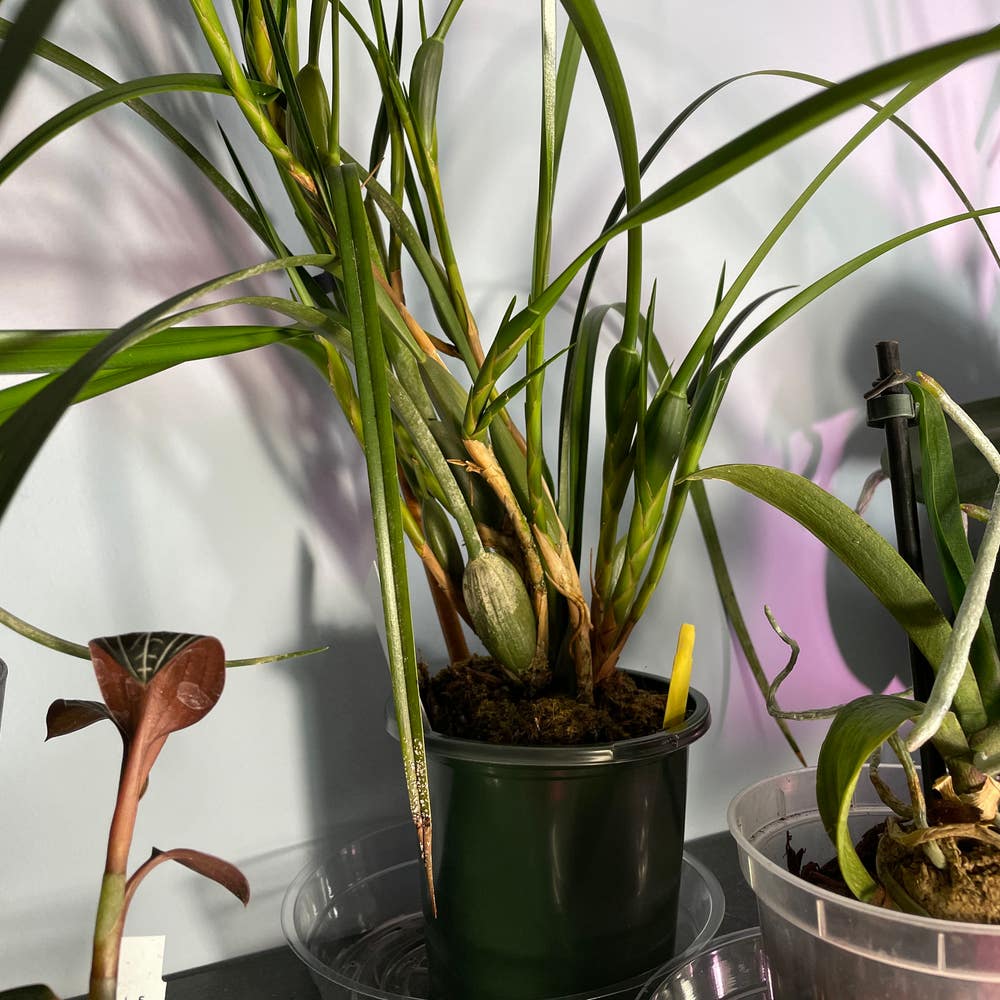
Eulophia macaulayi can grow to impressive heights, reaching between 30 to 60 cm (12 to 24 inches). Its spread is equally notable, expanding to about 30 to 45 cm (12 to 18 inches), making it a striking addition to any garden.
Growth Rate ⏳
This orchid has a moderate growth rate, typically taking 2 to 3 years to reach its full size. It's important to note that growth can vary significantly depending on whether the plant is in a container or garden setting, with container plants often experiencing more limited growth due to space constraints.
In summary, understanding the size and growth characteristics of Eulophia macaulayi is essential for planning your garden layout. With the right conditions, this orchid can thrive and become a beautiful focal point in your landscape.
Roots
🌱 Characteristics
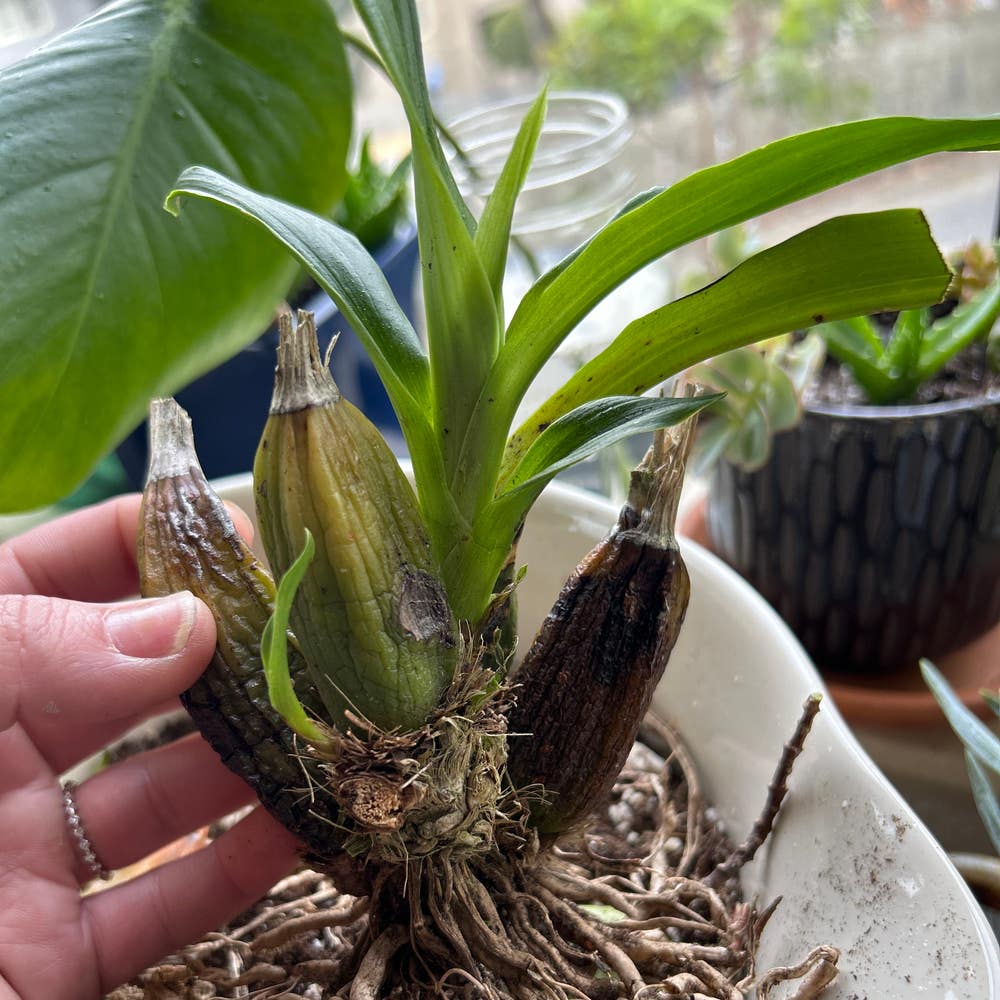
Eulophia macaulayi features a rhizomatous root system that is essential for its growth. These roots typically extend 6-12 inches deep and spread horizontally, allowing the plant to absorb nutrients efficiently.
⚠️ Common Issues
One of the most common problems is root rot, which occurs due to overwatering. Symptoms include mushy roots and yellowing leaves, signaling that the plant is in distress.
Another issue is becoming rootbound, which happens when the roots fill the pot. Signs of this condition include stunted growth and circling roots, indicating that the plant needs more space.
👀 Visual Cues
Healthy roots are firm, white, and spread throughout the pot, showcasing a thriving plant. In contrast, unhealthy roots appear dark, mushy, or foul-smelling, indicating a need for immediate attention.
🛠️ Solutions
If you notice your plant is rootbound, it's time to repot it into a larger container. This will give the roots room to grow and flourish.
To prevent these issues, ensure proper drainage and avoid overwatering. Regularly check the soil moisture to keep your Eulophia macaulayi healthy and vibrant.
With the right care, your plant will thrive, showcasing its beautiful blooms and contributing to your garden's ecosystem. Next, let's explore the benefits of growing Eulophia macaulayi and how it can enhance your gardening experience.
Benefits
Top 5 Benefits 🌼
Eulophia macaulayi offers a range of advantages that make it a fantastic addition to any garden.
Attractive Flowers: Its stunning blooms enhance garden aesthetics, adding vibrant colors and unique shapes.
Pollinator-Friendly: This plant attracts bees and butterflies, supporting local ecosystems and promoting biodiversity.
Low Maintenance: Once established, Eulophia macaulayi requires minimal care, making it perfect for busy gardeners.
Potential Medicinal Properties: In various traditional practices, this orchid is believed to possess medicinal benefits, adding to its allure.
Biodiversity Contribution: By incorporating this plant into your garden, you help foster a diverse ecosystem that benefits other flora and fauna.
Cultural Significance 🌍
Beyond its physical beauty, Eulophia macaulayi holds cultural significance in many societies. It symbolizes resilience and beauty, representing strength and growth in various traditions.
This connection to cultural values adds depth to its presence in gardens, making it not just a plant, but a meaningful addition to your landscape.
As you consider adding Eulophia macaulayi to your garden, think about the beauty and benefits it brings, both visually and ecologically. Next, let’s explore how to propagate this remarkable plant for even more growth and beauty in your garden.
Companion Plants
🌱 Companion Planting
Companion planting is a fantastic way to enhance garden diversity and improve pest management. By choosing the right plants to grow alongside Eulophia macaulayi, you can create a thriving ecosystem that benefits all your plants.
🤝 Compatible Companions
When selecting companions for Eulophia macaulayi, consider ferns, other orchids, and shade-tolerant perennials. These plants share similar care needs and can help repel pests, making them ideal partners in your garden.
🚫 Plants to Avoid
On the flip side, steer clear of heavy feeders like tomatoes. These plants can compete for nutrients, potentially hindering the growth of your Eulophia macaulayi and disrupting the balance in your garden.
By thoughtfully choosing companion plants, you can create a harmonious garden environment that supports the health and beauty of Eulophia macaulayi. Next, let’s explore some common problems you might encounter while growing this stunning orchid.
Problems
Common Problems 🌱
1. Incorrect Watering
Watering issues are the most common problems faced by Eulophia macaulayi. Underwatering leads to wilting, while overwatering causes yellowing leaves.
To resolve this, adjust your watering frequency based on the moisture level of the soil. Always check the top inch of soil before watering.
2. Incorrect Light Conditions
Light conditions can significantly impact growth. If your plant exhibits leggy growth, it may not be receiving enough light, while scorched leaves indicate too much direct sunlight.
To fix this, simply move your plant to a location that provides the appropriate light exposure. Aim for a balance between full sun and partial shade.
3. Incorrect Temperature
Temperature fluctuations can stunt growth or cause leaf drop. Eulophia macaulayi thrives in a temperature range of 20°C to 30°C (68°F to 86°F).
To maintain optimal conditions, monitor the temperature regularly and make adjustments as needed. Keeping your plant in a stable environment is key.
4. Diseases
Fungal diseases like powdery mildew or rust can plague your plant if not addressed. Symptoms include visible fungal growth and discoloration.
To combat these issues, improve air circulation around the plant and apply fungicides as necessary. Regular inspections can help catch problems early.
5. Leaf Issues
Leaf problems often signal underlying issues. Yellowing leaves may indicate nutrient deficiencies or pests, while fuzzy growth can suggest mold or mildew.
Inspect your plant closely for pests and adjust your care routine accordingly. Addressing these issues promptly can help maintain your plant's health.
With these common problems in mind, you can better care for your Eulophia macaulayi. Understanding these challenges will lead to a more vibrant and resilient plant. Next, let's explore potential pest issues that could affect your plant's health.
Bugs
🐞 Potential Pest Issues
Eulophia macaulayi is generally tough against pests, but it's not invincible. Certain insects can still pose a threat, so it's essential to keep an eye out.
🔍 Identification and Damage
Spider Mites: Look for fine webbing and stippled leaves, which indicate these tiny pests are at work.
Scale Insects: They leave behind a sticky residue and can cause yellowing leaves, making your plant look unhealthy.
Mealybugs: These pests appear as cotton-like masses on stems and leaves, signaling a need for immediate action.
🧴 Treatment Options
To combat these pests, consider using insecticidal soap or neem oil, both effective and relatively safe for your plants. You can also introduce beneficial insects like ladybugs, which will help keep the pest population in check naturally.
By staying vigilant and proactive, you can ensure your Eulophia macaulayi thrives despite potential pest challenges. Next, let’s explore the common problems that can arise while caring for this beautiful plant.
What Eats
Common Animals 🦌
Eulophia macaulayi faces threats from various animals, including deer, rabbits, squirrels, and rodents. These creatures can wreak havoc on your plants if not managed properly.
Signs of Damage 🐾
Keep an eye out for signs of damage, such as chewed leaves, missing flowers, or droppings near your plants. These indicators can help you identify which critters are causing trouble.
Deterrent Methods 🚫
To protect your plants, consider using chemical methods like commercial repellents. Alternatively, you can opt for organic solutions, such as homemade garlic spray or planting deterrent species nearby to keep pests at bay.
By being proactive and observant, you can ensure that your Eulophia macaulayi thrives despite potential threats. Next, let’s explore common problems that can affect its health and growth.
⚠️ Safety First
This content is for general information and may contain errors, omissions, or outdated details. It is not medical, veterinary advice, or an endorsement of therapeutic claims.
Always consult a qualified healthcare professional before using any plant as food, medicine, or supplement.
Never eat any plant (or feed one to pets) without confirming its identity with at least two trusted sources.
If you suspect poisoning, call Poison Control (800) 222-1222, the Pet Poison Helpline (800) 213-6680, or your local emergency service immediately.
Spotted an error? Please report it here.
Nurture your Eulophia macaulayi to bloom brilliantly 🌼 with Greg's custom watering alerts and expert care tips that keep your orchid thriving in any environment!