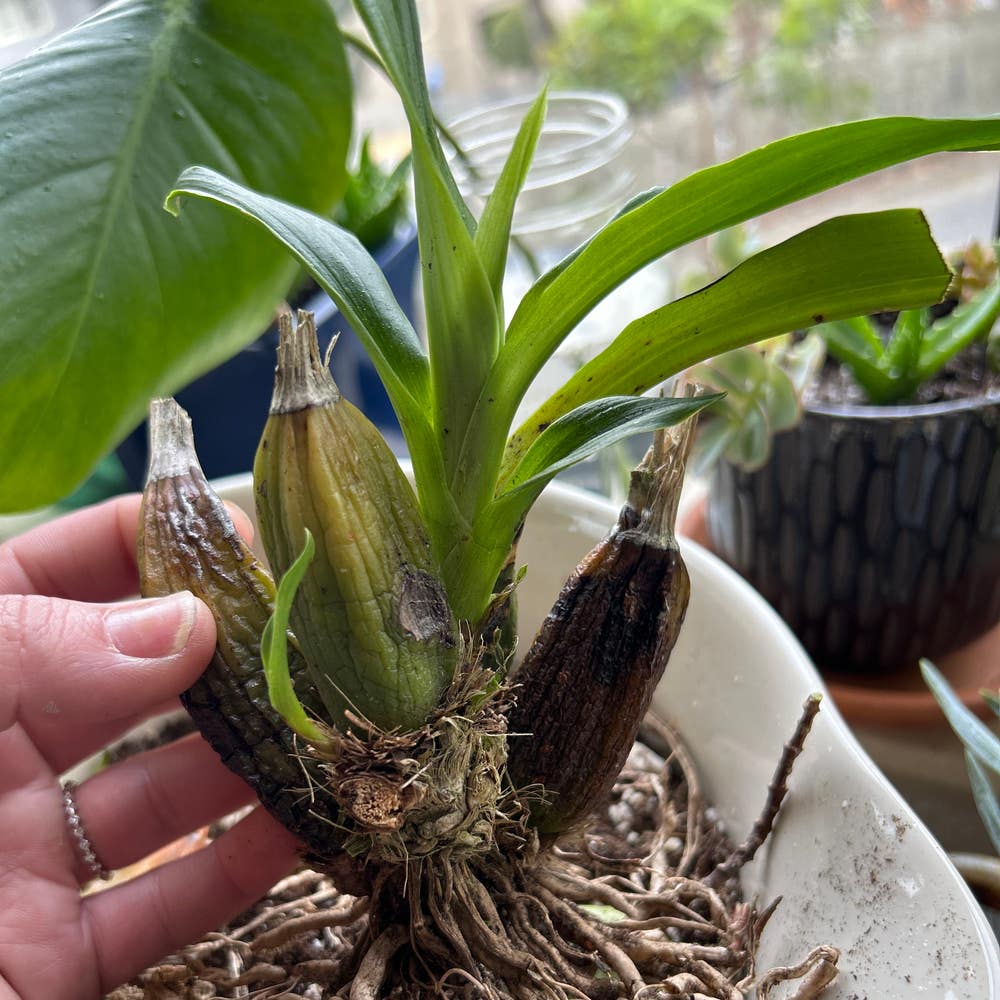
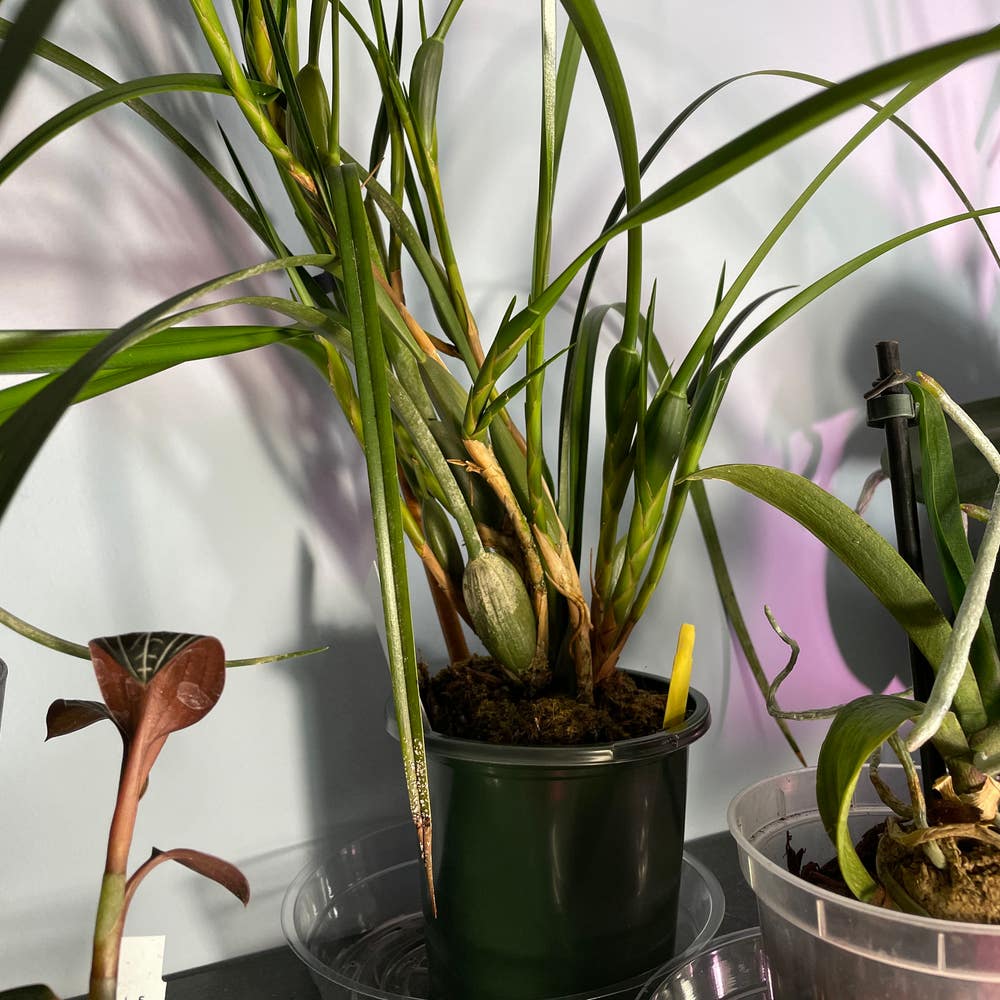
What You Should Know About Eulophia lubbersiana 🌸
Eulophia lubbersiana
By the Greg Editorial Team
Feb 27, 2025•11 min read
This article was created with the help of AI so we can cover more plants for you. May contain errors. See one? Report it here.
Elevate your garden with Eulophia lubbersiana, a stunning, low-maintenance plant that attracts pollinators! 🌼🌱
- 🌞 Eulophia lubbersiana thrives in 4-6 hours of sunlight for optimal growth.
- 🌱 Use well-draining, organic-rich soil with a pH of 6.0 to 7.0.
- 🐛 Manage pests and diseases to maintain plant health and attract pollinators.
How to Grow
Choosing a Location 🌞
Selecting the right location for your Eulophia lubbersiana is crucial for its growth. Aim for a spot that receives full sun to partial shade, ideally with 4-6 hours of direct sunlight daily.
Temperature also plays a significant role. This plant thrives in an ideal range of 20°C to 30°C (68°F to 86°F) and enjoys high humidity levels between 50-70% for optimal growth.
Soil Preparation 🌱
Soil preparation is key to ensuring your plant's health. Use well-draining soil rich in organic matter to provide the nutrients it needs.
The ideal soil pH for Eulophia lubbersiana is slightly acidic to neutral, ranging from 6.0 to 7.0. Good drainage is essential to prevent root rot, so make sure your planting area allows excess water to escape.
Planting Techniques 🌿
When it comes to planting, depth and spacing matter. Plant your Eulophia lubbersiana 2-3 inches deep to give it a solid foundation.
Ensure you space the plants 12-18 inches apart. This allows for adequate growth and air circulation, which is vital for their overall health.
Watering Requirements 💧
Watering your plant correctly is essential for its vitality. Check the top inch of soil; if it feels dry, it's time to water.
Use a watering can or hose with a gentle spray. This method helps avoid disturbing the roots while ensuring the plant receives the moisture it needs.
Fertilizing Schedule 🌼
A balanced fertilizing schedule will support your plant's growth. Use a balanced orchid fertilizer, such as a 20-20-20 mix.
Fertilize every 4-6 weeks during the growing season. This will provide the necessary nutrients to keep your Eulophia lubbersiana thriving.
Pruning and Ongoing Care ✂️
Regular care is vital for maintaining your plant's health. Deadhead spent flowers to encourage new blooms and keep the plant looking fresh.
Additionally, make it a habit to check for pests and diseases. Adjust your care routine as needed to ensure your plant remains healthy and vibrant.
With these guidelines, you’ll be well on your way to cultivating a thriving Eulophia lubbersiana. Next, let’s explore how to propagate this beautiful plant for even more growth opportunities!
Propagation
Seed Propagation 🌱
To propagate Eulophia lubbersiana from seeds, start by soaking the seeds in water for 24 hours. This simple step kickstarts the germination process, setting the stage for healthy growth.
For optimal results, create a warm, humid environment with indirect light. This will mimic the plant's natural habitat and encourage robust seedling development.
Division of Rhizomes ✂️
Another effective propagation method is dividing the rhizomes. The best time to do this is in early spring, just before new growth begins.
When dividing, carefully separate the rhizomes and replant them in well-draining soil. This technique not only helps in propagation but also promotes healthier plants by reducing overcrowding.
With these propagation methods, you can expand your Eulophia lubbersiana collection and enjoy its beauty in multiple spots around your garden. Next, let's explore the lifecycle of this fascinating plant.
Lifecycle
Lifecycle Overview 🌱
Eulophia lubbersiana undergoes a fascinating lifecycle that includes several distinct stages. It starts from seeds or cuttings, progressing through germination, the seedling stage, vegetative growth, flowering, and finally, seed production.
Time to Maturity ⏳
This plant typically takes about 1-2 years to reach full maturity. During this period, you can expect a moderate growth rate, with flowering usually occurring in the second year.
Growth Rate 📈
The growth rate of Eulophia lubbersiana is influenced by various factors, including environmental conditions. Providing optimal care can enhance its development, leading to a vibrant display of flowers in due time.
Summary 📚
Understanding the lifecycle of Eulophia lubbersiana is essential for successful cultivation. With patience and proper care, you can enjoy its beautiful blooms and unique presence in your garden.
Next, we will explore the size of this remarkable plant and what to expect as it matures.
Size
Mature Dimensions 🌱
Eulophia lubbersiana reaches a mature height of 30-60 cm (12-24 inches) and spreads out to about 30-45 cm (12-18 inches). This compact size makes it an excellent choice for various garden settings.
Growth Rate and Size Variability 📈
The growth rate of Eulophia lubbersiana is moderate, influenced by environmental conditions such as light and moisture. Size can vary significantly based on soil quality, light exposure, and watering practices, so providing optimal care is key to achieving its full potential.
As you nurture your Eulophia lubbersiana, remember that consistent care will lead to healthier plants. Next, let’s explore the fascinating lifecycle of this unique orchid.
Roots
🌱 Root System Characteristics
Eulophia lubbersiana features a rhizomatous root system, which means it grows horizontal underground stems. This type of root system is typically shallow, allowing the plant to spread out rather than grow deep.
⚠️ Common Root-Related Issues
One of the most common problems with Eulophia lubbersiana is root rot, often caused by overwatering. Symptoms include mushy roots and wilting leaves, signaling that the plant is struggling.
Another issue is being rootbound, where the roots become cramped in their pot. Signs of this include stunted growth and roots visibly growing out of the drainage holes.
🛠️ Tips for Managing Root Problems
To prevent root rot, ensure your plant has proper drainage and avoid overwatering. It's crucial to let the top inch of soil dry out before watering again.
If you suspect your plant is rootbound, check for roots circling the pot. If you find this, it’s time to repot into a larger container to give your plant room to thrive.
With these tips, you can keep your Eulophia lubbersiana healthy and flourishing. Next, let’s explore the benefits of this beautiful plant and why it deserves a spot in your garden.
Benefits
Top 5 Benefits 🌟
Eulophia lubbersiana offers a range of advantages that make it a fantastic choice for any garden. Here are the top five benefits:
Attractive Flowers: The vibrant blooms of Eulophia lubbersiana can significantly enhance your garden's aesthetics, adding a splash of color and charm.
Pollinator-Friendly: These plants attract essential pollinators like bees and butterflies, supporting local ecosystems and promoting biodiversity.
Unique Addition: As a tropical and subtropical plant, Eulophia lubbersiana stands out, bringing a unique flair to your garden that can impress visitors.
Potential Medicinal Uses: In traditional practices, this plant has been noted for its potential medicinal properties, making it not just beautiful but also beneficial.
Low Maintenance: Once established, Eulophia lubbersiana requires minimal care, making it perfect for busy gardeners who want to enjoy a lush garden without the hassle.
These benefits make Eulophia lubbersiana a worthy addition to any garden, whether you're a seasoned gardener or just starting out. With its beauty and ease of care, it’s sure to bring joy and vibrancy to your outdoor space.
As we explore further, let’s dive into the best practices for companion planting with Eulophia lubbersiana to maximize its benefits.
Companion Plants
🌱 Companion Planting Benefits
Companion planting is a fantastic way to boost your garden's health and productivity. By pairing plants that support each other, you can create a thriving ecosystem that enhances growth and deters pests.
🤝 Compatible Companion Plants
When growing Eulophia lubbersiana, consider companions like ferns, other orchids, and shade-tolerant perennials. These plants share similar care needs and can help repel pests, making your garden more resilient.
🚫 Plants to Avoid
It's best to steer clear of heavy feeders or plants that thrive in dry conditions. These plants can compete for nutrients and moisture, potentially stunting the growth of your Eulophia lubbersiana.
Incorporating the right companions can elevate your gardening experience. With thoughtful planning, you can create a vibrant and harmonious garden space that flourishes together.
Toxicity to Humans
Safety Overview 🛡️
Eulophia lubbersiana is generally considered safe for humans, as it is not listed as toxic by major poison control centers and health organizations. You can handle and even ingest it in small amounts without significant risk, though be aware that large quantities might cause mild skin irritation or digestive discomfort.
While it's always wise to exercise caution with any plant, Eulophia lubbersiana stands out as a low-risk option for gardeners and plant enthusiasts. This makes it a great choice for those looking to enhance their gardens without worrying about toxicity issues.
In summary, enjoy the beauty of Eulophia lubbersiana with peace of mind, knowing it poses minimal risk to you and your loved ones. Now, let’s explore how this plant interacts with our furry friends!
Toxicity to Dogs
Safety Overview 🐶
Eulophia lubbersiana is generally safe for dogs, as it is not listed as toxic by major pet poison control centers and veterinary organizations.
However, if your dog consumes a large amount, it may experience mild gastrointestinal upset.
Monitoring Your Dog 👀
Keep an eye on your furry friend after they’ve been around the plant.
If you notice any unusual behavior, it’s best to consult your veterinarian.
Plant Placement 🏡
To avoid any potential issues, consider placing Eulophia lubbersiana out of your dog's reach.
This simple precaution can help ensure a harmonious relationship between your pet and your plants.
In summary, while Eulophia lubbersiana poses minimal risk to dogs, a little vigilance goes a long way in keeping your pet safe.
Next, let’s explore how this plant interacts with our feline friends.
Toxicity to Cats
🛡️ Safety Overview
Eulophia lubbersiana is considered safe for cats, as it is not listed as toxic by major pet poison control centers and veterinary organizations.
While your feline friend can nibble on this plant without serious consequences, excessive consumption may lead to mild gastrointestinal upset.
To keep your cat safe, monitor their behavior around the plant and consider placing it out of reach. This way, you can enjoy the beauty of Eulophia lubbersiana without worrying about your pet's health.
As you explore the wonders of this plant, remember that a little caution goes a long way in ensuring a harmonious home for both plants and pets.
Problems
Common Problems Faced 🌱
Growing Eulophia lubbersiana can be rewarding, but it comes with its share of challenges. Understanding these common problems will help you keep your plant healthy and thriving.
Incorrect Watering 🚰
Watering is crucial for Eulophia lubbersiana. Overwatering can lead to yellowing leaves, while underwatering causes wilting.
Incorrect Light Conditions ☀️
Light conditions are equally important. Too much sun can scorch the leaves, whereas too little light can result in etiolation, where the plant stretches toward the light source.
Diseases 🦠
Fungal diseases can also pose a threat. Watch out for powdery mildew and root rot, which can devastate your plant if not addressed promptly.
Leaf Issues 🍃
Leaf problems are common indicators of distress. You might notice scorching, yellowing, or even fuzzy growth on the leaves, signaling that something is off.
Growth Problems 📉
Lastly, keep an eye on the overall growth of your plant. Signs like stunted growth, leaning, or a leggy appearance can indicate underlying issues that need your attention.
By staying vigilant and addressing these problems early, you can ensure your Eulophia lubbersiana remains a vibrant addition to your garden. Next, let’s explore the potential pest issues that could affect your plant.
Bugs
Potential Pest Issues 🐛
Eulophia lubbersiana can face pest challenges, but it also shows a surprising level of resistance. This resilience makes it a great choice for gardeners who want beauty without constant worry.
Relevant Pests 🦠
Several pests may target your Eulophia lubbersiana, so it's essential to stay vigilant.
Spider Mites 🕷️
These tiny pests leave fine webbing and cause stippled leaves. If you notice these signs, treat your plant with insecticidal soap to eliminate them effectively.
Scale Insects 🐌
Scale insects can be sneaky, leaving behind sticky residue and causing yellowing leaves. You can remove them manually or apply horticultural oil for a more thorough approach.
Mealybugs 🧼
Look for cotton-like masses on your plant's leaves, which indicate mealybug infestations. Treat these pests with neem oil or alcohol swabs to keep your plant healthy.
By staying proactive and addressing these potential pest issues, you can ensure your Eulophia lubbersiana thrives beautifully. Next, let’s explore what animals might be interested in munching on your plant.
What Eats Eulophia lubbersiana
🦌 Common Animals That May Damage
Eulophia lubbersiana can attract a variety of garden pests.
- Deer: Look for signs like chewed leaves and broken stems, which indicate their presence.
- Rabbits: These critters often leave clipped stems and missing foliage as evidence of their munching.
- Squirrels and Rodents: Digging around the base and nibbling on roots are telltale signs of these small mammals.
🚫 Deterrent Methods
Protecting your Eulophia lubbersiana from these animals is essential for its health.
- Chemical Deterrents: You can use commercial repellents or whip up homemade solutions, such as garlic spray, to keep them at bay.
- Organic Control Methods: Consider installing fencing or planting deterrent species nearby to create a natural barrier.
By implementing these strategies, you can enjoy your Eulophia lubbersiana without the worry of unwanted nibblers. Now, let’s explore how to manage common problems that may arise while growing this beautiful plant.
⚠️ Safety First
This content is for general information and may contain errors, omissions, or outdated details. It is not medical, veterinary advice, or an endorsement of therapeutic claims.
Always consult a qualified healthcare professional before using any plant as food, medicine, or supplement.
Never eat any plant (or feed one to pets) without confirming its identity with at least two trusted sources.
If you suspect poisoning, call Poison Control (800) 222-1222, the Pet Poison Helpline (800) 213-6680, or your local emergency service immediately.
Spotted an error? Please report it here.
Nurture your Eulophia lubbersiana to stunning heights 🌱 with Greg's custom watering alerts and expert care tips that ensure your plant thrives effortlessly!