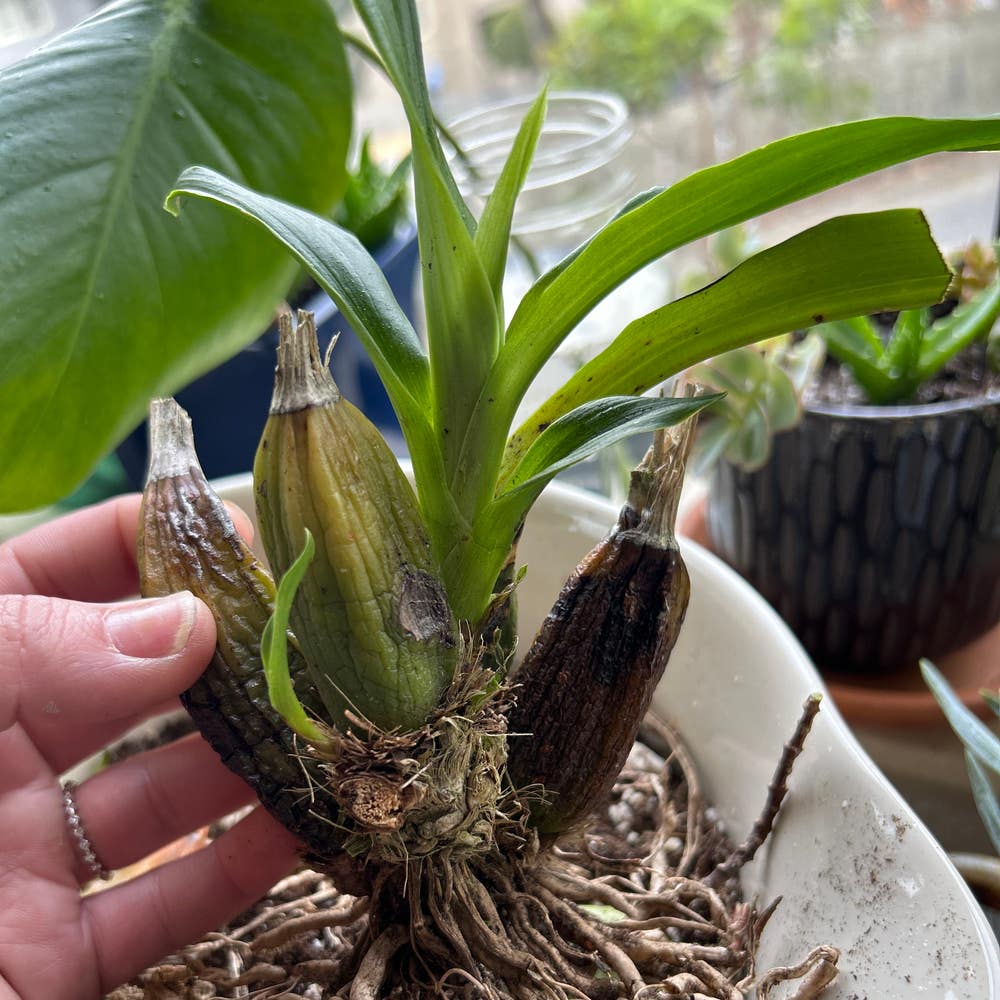
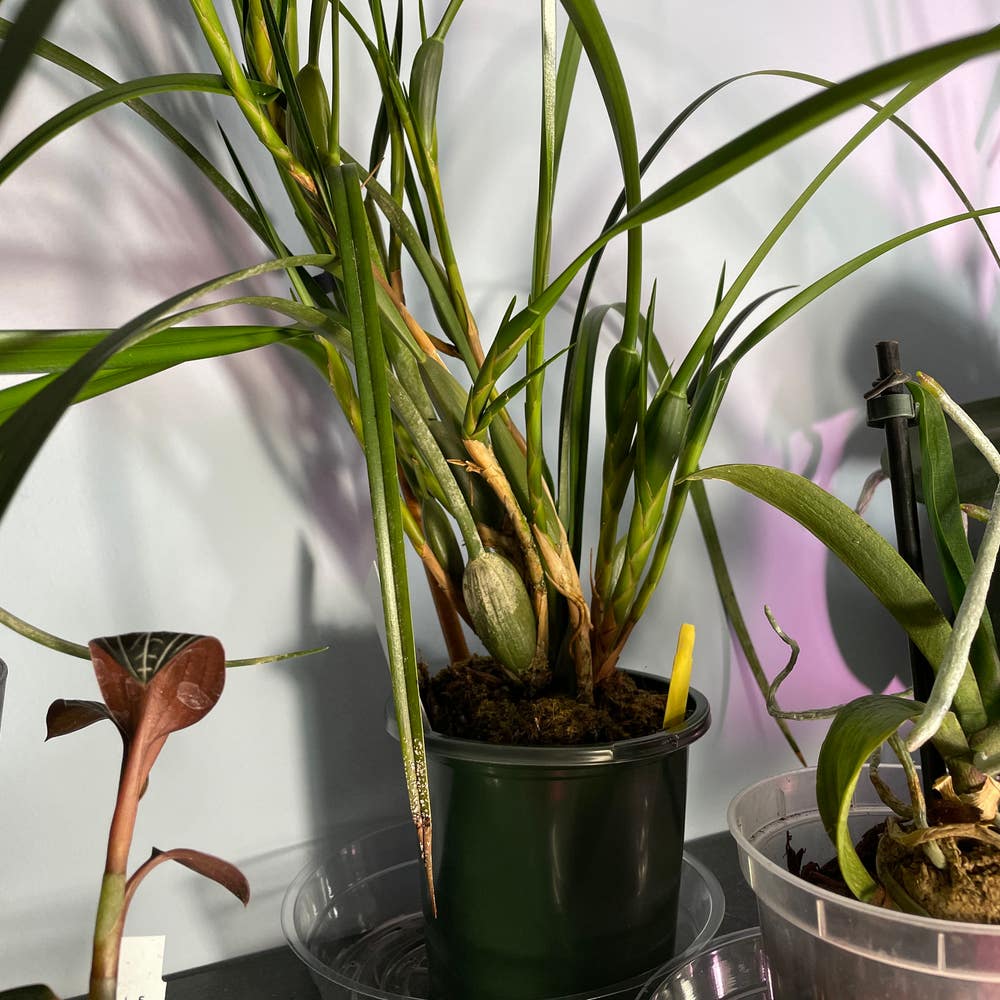
🌸 All About Eulophia lonchophylla: Essential Facts
Eulophia lonchophylla
By the Greg Editorial Team
Feb 27, 2025•10 min read
This article was created with the help of AI so we can cover more plants for you. May contain errors. See one? Report it here.
- 🌱 Eulophia lonchophylla thrives in warm, humid climates with partial shade for best growth.
- 🌿 Use well-draining soil with pH 6.0-7.0 to ensure optimal plant health.
- 🌼 Monthly fertilization during the growing season supports nourishment and vibrant blooms.
How to Grow
🌞 Choosing a Location
Eulophia lonchophylla thrives in warm, humid climates with partial shade. When deciding between outdoor or container growing, consider your local climate and available space.
🌱 Soil Preparation
For optimal growth, use well-draining, fertile soil. Aim for a pH level between 6.0 and 7.0, which is slightly acidic to neutral.
🌿 Planting Techniques
Plant your Eulophia lonchophylla 2-3 inches deep in the soil. Ensure you space them 12-18 inches apart to allow for healthy growth.
💧 Watering Requirements
Keep the soil consistently moist but avoid waterlogging. Watch for signs of overwatering, like yellowing leaves, or underwatering, which may cause wilting.
🌼 Fertilizing Schedule
Use a balanced NPK fertilizer to nourish your plants. Fertilize monthly during the growing season for the best results.
✂️ Pruning Methods
Prune your Eulophia lonchophylla after flowering to encourage new growth. Focus on removing any dead or damaged leaves to keep the plant healthy.
🔍 Ongoing Care Tips
Regularly monitor humidity levels and adjust your watering accordingly. Additionally, keep an eye out for pests and diseases to ensure your plant remains vibrant and healthy.
With these care tips, your Eulophia lonchophylla will flourish beautifully. Next, let’s explore how to propagate this stunning plant effectively.
Propagation
🌱 Seed Propagation Steps
To start propagating Eulophia lonchophylla from seeds, begin by collecting seeds from mature flowers. Once you have your seeds, sow them in a sterile, well-draining medium to ensure they have the best chance of germinating.
Next, maintain humidity and warmth to create an ideal environment for germination. This process typically requires patience, as it can take a few weeks for the seeds to sprout.
✂️ Division Propagation Steps
Another effective method is division propagation. First, identify mature rhizomes that are ready for separation.
Carefully separate these rhizomes, ensuring they have healthy roots attached. Replant them immediately in suitable soil to promote quick establishment.
🌟 Tips for Successful Propagation
For successful propagation, maintaining proper moisture and temperature during germination is crucial.
Additionally, always use sterile tools to prevent disease, ensuring your plants have the best start possible.
By following these steps, you can enjoy the rewarding experience of growing Eulophia lonchophylla from seeds or divisions.
Next, let’s explore the lifecycle of this fascinating plant and understand its growth stages.
Lifecycle
🌱 Overview of Lifecycle Stages
Eulophia lonchophylla is a perennial plant that showcases a fascinating multi-stage lifecycle. Each stage contributes to its growth and eventual flowering, making it a rewarding plant to cultivate.
🌱 Germination Process
The germination process typically takes 2-4 weeks under optimal conditions. This initial phase is crucial for establishing a strong foundation for the plant's future growth.
🌱 Seedling Stage Development
During the seedling stage, you'll notice the emergence of initial leaf growth and root establishment. This stage sets the groundwork for the plant's health and vigor.
🌱 Vegetative Growth Phase
The vegetative growth phase lasts between 6-12 months, leading up to maturity. During this time, the plant focuses on developing its foliage and root system.
🌱 Flowering and Seed Production
Flowering usually occurs in late spring to early summer, marking a vibrant period for Eulophia lonchophylla. After successful pollination, the plant produces seeds, ensuring the continuation of its lifecycle.
🌱 Lifespan and Growth Timeline
Under optimal conditions, Eulophia lonchophylla can live for 5-10 years. It has a moderate growth rate, reaching full maturity in about 2-3 years, rewarding gardeners with its beauty and resilience.
This lifecycle overview highlights the importance of each stage in nurturing this remarkable plant. Next, we will explore the various factors that influence its size and growth.
Size
Mature Height and Spread 🌱
Eulophia lonchophylla typically reaches an average height of 12 to 24 inches. Its spread can range from 12 to 18 inches wide, making it a compact yet striking addition to your garden.
Growth Rate and Size Variability 📈
The size of Eulophia lonchophylla can vary significantly based on several factors. Key influences include soil quality, light exposure, and watering practices, all of which play a crucial role in determining its overall growth.
Factors Affecting Size in Different Growing Conditions 🌍
When comparing growth in containers versus garden beds, notable differences emerge. Plants in garden beds often achieve larger sizes due to unrestricted root growth and better access to nutrients, while container-grown plants may remain smaller but can still thrive with proper care.
Understanding these size dynamics can help you make informed decisions about where to plant your Eulophia lonchophylla. Whether you choose a garden bed or a container, ensuring optimal conditions will lead to a healthy and vibrant plant.
Roots
Characteristics of the Root System 🌱
Eulophia lonchophylla features a rhizomatous root system, which allows it to spread effectively. This type of root structure helps the plant establish itself in various environments.
Root Depth and Spread 📏
Typically, the roots extend to a depth of 6-12 inches. However, they can spread several feet horizontally, making them quite adaptable.
Common Root-Related Issues ⚠️
One of the most common problems is root rot, often caused by overwatering. Signs of unhealthy roots include dark, mushy textures that indicate decay.
Identifying Healthy vs. Unhealthy Roots ✅
Healthy roots are firm and exhibit a white or light tan color. In contrast, unhealthy roots will feel soft, appear dark, or emit a foul smell.
Recognizing Rootbound Plants and Solutions 🔄
If you notice roots growing out of the drainage holes, your plant may be rootbound. The solution is simple: repot it into a larger container to give it room to grow.
Understanding the root system of Eulophia lonchophylla is crucial for its overall health. By monitoring root conditions, you can ensure your plant thrives and flourishes.
Next, let’s explore the benefits of growing this unique plant and how it can enhance your garden.
Benefits
🌼 Top 5 Benefits of Growing Eulophia lonchophylla
Eulophia lonchophylla offers numerous advantages for gardeners and nature enthusiasts alike. Here are the top five benefits of cultivating this stunning plant.
1. Aesthetic Appeal
The striking flowers of Eulophia lonchophylla can transform any garden into a vibrant display. Their unique shape and colors add a touch of elegance, making them a favorite among plant lovers.
2. Pollinator Attraction
These flowers are not just beautiful; they also play a crucial role in attracting pollinators. Bees and butterflies are drawn to their nectar, supporting local ecosystems and enhancing biodiversity.
3. Cultural Significance
In various regions, Eulophia lonchophylla holds cultural importance, often being used in traditional medicine. This connection to heritage adds depth to the experience of growing this plant.
4. Low Maintenance
Once established, Eulophia lonchophylla requires minimal care. This makes it an excellent choice for busy gardeners or those new to plant care, allowing you to enjoy its beauty without constant attention.
5. Adaptability
This plant thrives in a range of soil conditions, showcasing its versatility. Whether in a garden bed or a container, Eulophia lonchophylla can flourish, making it suitable for various gardening styles.
Growing Eulophia lonchophylla not only beautifies your space but also supports the environment and requires little effort. Next, let’s explore the concept of companion planting and how it can enhance your gardening experience.
Companion Plants
🌱 Concept of Companion Planting
Companion planting is all about creating a harmonious garden ecosystem. By pairing plants that benefit each other, you can enhance garden diversity and improve pest management.
🌼 Best Companion Plants
When growing Eulophia lonchophylla, consider companions like ferns, shade-tolerant perennials, and other orchids. These plants share similar care needs and contribute to a visually appealing garden.
🚫 Plants to Avoid
It's wise to steer clear of heavy feeders that may compete for nutrients. These plants can hinder the growth of your Eulophia lonchophylla, leading to less vibrant blooms and overall health.
By choosing the right companions, you can create a thriving garden that not only looks good but also supports the health of your Eulophia lonchophylla. Next, let’s explore the common problems you might face while growing this beautiful plant.
Problems
Common Problems Faced 🌱
1. Incorrect Watering
Watering issues are a common challenge for Eulophia lonchophylla. Symptoms like wilting or yellowing leaves indicate that your plant may be suffering.
To remedy this, adjust your watering frequency based on the soil's moisture level. Always check the soil before watering to ensure it’s not too dry or overly saturated.
2. Incorrect Light Conditions
Light conditions can significantly impact growth. If you notice leaf scorch or leggy growth, your plant might be getting too much direct sunlight.
In this case, consider moving your Eulophia lonchophylla to a shadier location. This adjustment can help restore its health and vigor.
3. Incorrect Temperature
Temperature fluctuations can also pose problems. Symptoms such as stunted growth or leaf drop suggest that your plant is not in its ideal temperature range.
To prevent this, ensure that temperatures remain consistent and within the recommended range for optimal growth.
4. Diseases
Eulophia lonchophylla can be susceptible to diseases like powdery mildew and rust. These issues can hinder your plant's growth and overall health.
To combat these diseases, improve air circulation around your plant and apply fungicides as needed. Keeping a close eye on your plant can help catch these problems early.
5. Growth Problems
If your plant is not growing or fruiting, it may be time to evaluate your care practices. Symptoms of growth problems can be frustrating, but they often indicate underlying issues.
Take a step back and assess your watering, light, and temperature conditions. Adjusting these factors can lead to a healthier, more productive plant.
Conclusion 🌼
By being aware of these common problems and their solutions, you can ensure your Eulophia lonchophylla thrives. With a little attention and care, you can enjoy the beauty and benefits of this remarkable plant. Next, let’s explore the fascinating world of pests that may affect your plant.
Bugs
🐜 Potential Pest Issues
Eulophia lonchophylla is known for its moderate pest resistance, but it can still attract a few unwelcome guests. Keeping an eye out for pests is essential to maintain the health of your plant.
🔍 Identification and Damage Caused by Specific Pests
- Spider Mites: Look for fine webbing and stippled leaves, which indicate these tiny pests are at work.
- Scale Insects: These pests leave a sticky residue and can cause yellowing leaves, making them easy to spot.
- Mealybugs: Identified by cotton-like masses on stems and leaves, mealybugs can quickly become a nuisance.
🧪 Effective Treatment Options
To combat these pests, consider using neem oil or insecticidal soap, both of which are effective and environmentally friendly.
Regular monitoring is key; catching infestations early can save your plant from significant damage. Stay proactive, and your Eulophia lonchophylla will thrive!
As we move forward, let’s explore how to protect your plant from common animal threats.
What Eats
Common Animals That May Damage 🦌
Eulophia lonchophylla can attract a variety of hungry critters. Deer, rabbits, and squirrels are known to nibble on its leaves, potentially causing significant damage to your plant.
Signs of Animal Presence and Damage 🐾
Keep an eye out for signs of these animals. Chewed leaves, tracks, and droppings are clear indicators that your plant has become a snack for local wildlife.
Deterrent Methods 🚫
To protect your plant, consider using deterrent methods. Chemical repellents, such as commercial deer repellents, can be effective, while organic options like planting deterrent herbs such as lavender or employing physical barriers can also help keep these pests at bay.
By taking these precautions, you can enjoy the beauty of Eulophia lonchophylla without the worry of it becoming a meal for local animals. Now, let’s explore common problems that can arise while growing this beautiful plant.
⚠️ Safety First
This content is for general information and may contain errors, omissions, or outdated details. It is not medical, veterinary advice, or an endorsement of therapeutic claims.
Always consult a qualified healthcare professional before using any plant as food, medicine, or supplement.
Never eat any plant (or feed one to pets) without confirming its identity with at least two trusted sources.
If you suspect poisoning, call Poison Control (800) 222-1222, the Pet Poison Helpline (800) 213-6680, or your local emergency service immediately.
Spotted an error? Please report it here.
Cultivate a thriving Eulophia lonchophylla 🌿 with Greg's personalized care tips and watering reminders, ensuring your plant flourishes beautifully for years to come!