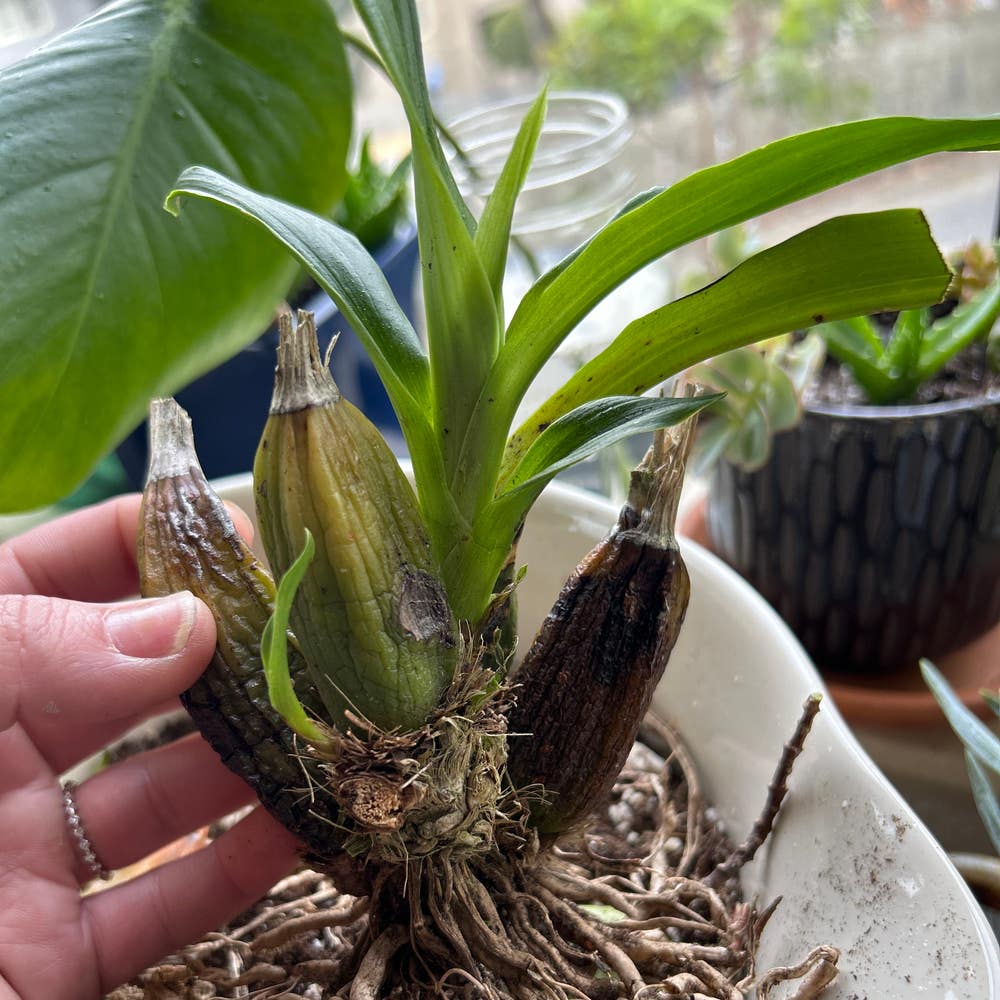
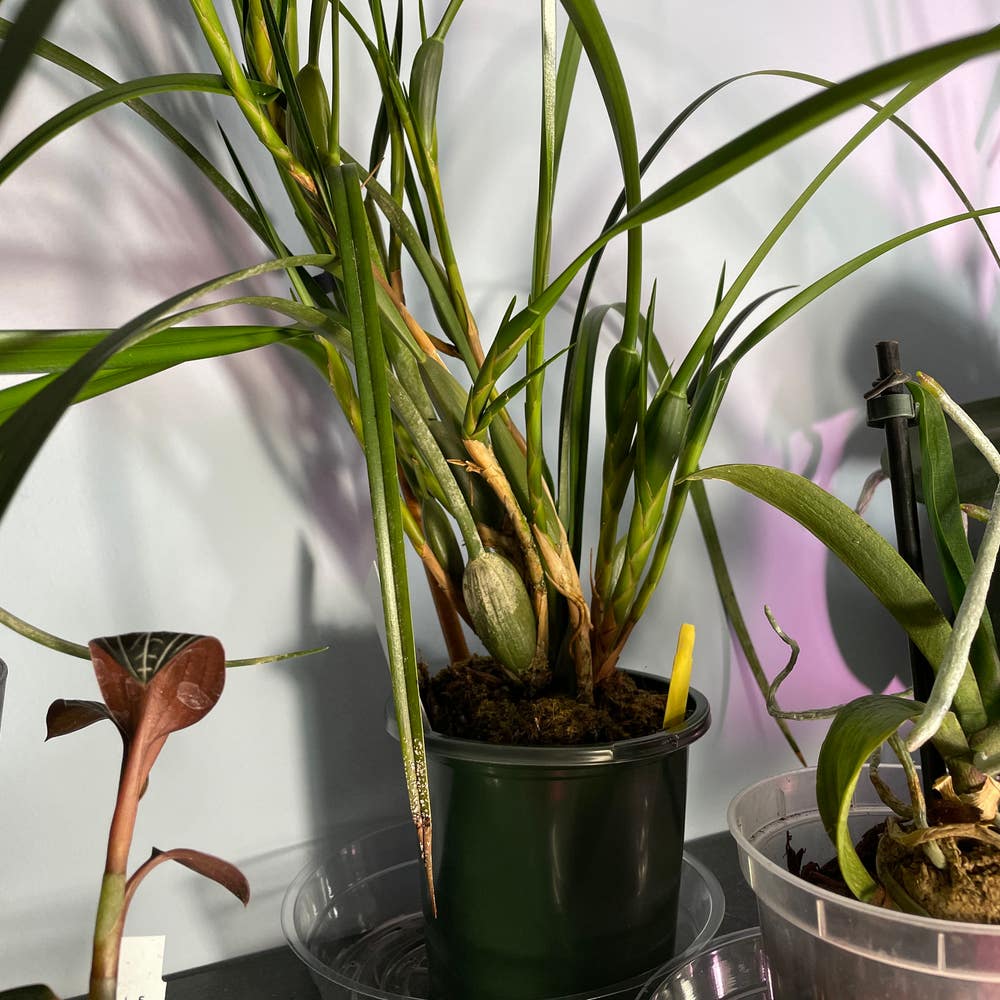
What is a Eulophia leontoglossa? Complete Guide 🌸
Eulophia leontoglossa
By the Greg Editorial Team
Feb 27, 2025•11 min read
This article was created with the help of AI so we can cover more plants for you. May contain errors. See one? Report it here.
Discover how to effortlessly grow Eulophia leontoglossa 🌱 and elevate your garden with its stunning blooms!
- 🌞 Eulophia leontoglossa thrives in bright, indirect sunlight and prefers 20-30°C temperatures.
- 💧 Water when the top inch of soil is dry, typically every 1-2 weeks.
- 🌱 Non-toxic to pets, making it a safe choice for households with animals.
How to Grow
🌞 Choosing a Location
Eulophia leontoglossa thrives in bright, indirect sunlight. Avoid placing it in harsh, direct sunlight, as this can damage the leaves.
For optimal growth, maintain temperatures between 20°C to 30°C (68°F to 86°F). This range helps the plant flourish and develop vibrant blooms.
Humidity is also crucial; moderate levels are ideal. Consider using a humidity tray or misting the plant to create a suitable environment.
🌱 Soil Preparation
When it comes to soil, Eulophia leontoglossa prefers well-draining, organic-rich mixes. An orchid potting mix is a great choice to ensure proper drainage and nutrient availability.
Aim for a slightly acidic to neutral soil pH, ideally between 6.0 and 7.0. This pH range supports healthy root development.
Always ensure your pots have drainage holes. This prevents waterlogging, which can lead to root rot.
🌿 Planting Techniques
Proper spacing is essential for healthy growth. Space your plants 12-18 inches apart to allow them room to expand.
When planting, bury the rhizomes 1-2 inches below the soil surface. This depth helps anchor the plant while allowing for adequate growth.
💧 Watering Requirements
Water your Eulophia leontoglossa when the top inch of soil feels dry. This typically means watering every 1-2 weeks, depending on environmental conditions.
When watering, do so thoroughly until water drains from the bottom. Avoid letting the plant sit in standing water, as this can cause root problems.
🌼 Fertilizing Schedule
Use a balanced orchid fertilizer, such as a 20-20-20 mix, diluted to half strength. This provides essential nutrients without overwhelming the plant.
Fertilize every 4-6 weeks during the growing season, which runs from spring to summer. This schedule supports robust growth and flowering.
✂️ Pruning and Ongoing Care
Regular maintenance is key to a thriving plant. Deadhead spent flowers to encourage new blooms and keep the plant looking fresh.
Additionally, trim any yellow or damaged leaves. This promotes healthy growth and prevents potential disease spread.
With these care tips, your Eulophia leontoglossa will flourish beautifully. Next, let’s explore how to propagate this stunning plant!
Propagation
🌱 Seed Propagation
To propagate Eulophia leontoglossa from seeds, start by sowing them in a sterile medium. Keep the seeds moist and warm, ideally around 25°C (77°F), to encourage germination.
Typically, you can expect seeds to sprout within 4-6 weeks. This process requires patience, but the reward of nurturing new plants is well worth the wait.
✂️ Division of Rhizomes
Another effective propagation method is dividing the rhizomes. The best time for this is in spring when the plant is actively growing.
When dividing, carefully separate the rhizomes, ensuring that each division has roots and at least one growth bud. This technique not only helps in propagation but also promotes healthier growth for the parent plant.
By mastering these propagation methods, you can expand your Eulophia leontoglossa collection and share this beautiful plant with friends or enhance your garden's diversity.
Lifecycle
Lifecycle Stages 🌱
Eulophia leontoglossa is a perennial plant that takes about 2-3 years to reach full maturity. During this time, seeds germinate within 4-6 weeks, and seedlings spend several months developing before establishing themselves.
Growth and Flowering 🌸
Active growth for this orchid occurs in spring and summer, with flowering typically happening in late summer. After the blooms fade, seed pods begin to develop, which can take several months to mature.
Lifespan and Growth Timeline ⏳
With proper care, Eulophia leontoglossa can live for several years. It has a moderate growth rate, achieving full size in approximately 2-3 years, making it a rewarding addition to your garden.
This lifecycle overview highlights the importance of patience and care in cultivating this beautiful orchid. Next, we will explore how to effectively propagate Eulophia leontoglossa to expand your collection.
Size
Mature Height and Spread 🌱
Eulophia leontoglossa typically reaches a mature height of 30-60 cm (12-24 inches). It can also spread up to 30 cm (12 inches) wide, making it a lovely addition to any garden.
Growth Rate and Size Variability 📈
This plant has a moderate growth rate, which can be influenced by various environmental conditions. Factors like light and soil quality can lead to size variability, so keep an eye on your plant's surroundings.
Impact of Growing Conditions on Size 🌍
To achieve optimal growth, ensure your Eulophia leontoglossa is planted in well-draining soil with adequate light. Conversely, poor conditions such as overwatering or insufficient light can stunt its growth, so be mindful of its needs.
As you cultivate this beautiful plant, remember that the right care can lead to impressive results. Next, let’s explore the fascinating root system of Eulophia leontoglossa and how it contributes to its overall health.
Roots
Root System Characteristics 🥕
Eulophia leontoglossa features a fibrous root system that is essential for its growth. These roots typically grow shallow but spread widely, allowing the plant to efficiently absorb moisture.
Common Root-Related Issues 🚨
Root rot is a common problem, often caused by overwatering. Symptoms include mushy roots and wilting leaves, signaling that immediate action is needed.
Another issue is becoming rootbound, which occurs when the roots fill the pot. Signs of this condition include stunted growth and roots emerging from the drainage holes.
Visual Cues for Healthy vs. Unhealthy Roots 👀
Healthy roots are firm, white, and crisp, indicating a thriving plant. In contrast, unhealthy roots appear brown, mushy, or slimy, which can lead to serious problems if not addressed.
Solutions for Root Problems 🛠️
To prevent root rot, ensure proper drainage and avoid overwatering your plant. If your Eulophia leontoglossa becomes rootbound, it's time to repot it into a larger container to give the roots room to grow.
Understanding these root characteristics and issues will help you maintain a healthy Eulophia leontoglossa. Next, let’s explore the benefits of this beautiful plant and why it deserves a spot in your garden.
Benefits
Top 5 Benefits 🌟
Eulophia leontoglossa offers a range of advantages for gardeners and plant enthusiasts alike. Here are the top five benefits that make this orchid a fantastic addition to your collection:
Ornamental Appeal: The unique flowers of Eulophia leontoglossa can significantly enhance the aesthetics of any garden. Their striking appearance draws attention and adds a touch of elegance.
Cultural Significance: In some African cultures, this plant is valued for its medicinal properties. It plays a role in traditional practices, showcasing its importance beyond mere decoration.
Biodiversity: Incorporating Eulophia leontoglossa into your garden contributes to biodiversity. It supports ecosystem health by providing habitat and food for various organisms.
Pollinator Attraction: The flowers are not just beautiful; they attract bees and other beneficial insects. This makes them a great choice for those looking to support local pollinator populations.
Low Maintenance: Once established, Eulophia leontoglossa requires minimal care. This makes it an ideal option for busy gardeners or those new to plant care.
These benefits highlight why Eulophia leontoglossa is a worthy addition to any garden. Its combination of beauty, cultural relevance, and ecological contributions makes it a standout choice for plant lovers.
As you consider adding this orchid to your collection, keep in mind the various aspects of its care and growth. Understanding how to properly nurture it will ensure you reap all these benefits.
Companion Plants
🌱 Companion Planting Benefits
Companion planting is a fantastic way to enhance your garden's diversity. It can improve growth and help manage pests naturally, creating a healthier ecosystem for your Eulophia leontoglossa.
🤝 Compatible Companion Plants
When selecting companions, consider other orchids, ferns, and shade-tolerant perennials. These plants share similar care requirements, making them ideal partners that can also help deter pests.
🚫 Plants to Avoid
Be cautious with heavy feeders or plants that require excessive moisture. These can compete for resources, potentially harming your Eulophia leontoglossa's growth and health.
By choosing the right companions, you can create a thriving garden that supports your Eulophia leontoglossa while minimizing pest issues. Next, let’s explore the plant's safety profile regarding toxicity to humans, dogs, and cats.
Toxicity to Humans
Safety Profile 🛡️
Eulophia leontoglossa is not considered toxic to humans by major poison control centers. This means you can handle and even ingest it in small amounts without significant risk.
Minor Issues from Excessive Contact or Ingestion 🚨
While generally safe, excessive contact or ingestion may lead to mild skin irritation or digestive discomfort. It's always wise to be cautious and aware of your body's reactions.
Caution Statement ⚠️
Although Eulophia leontoglossa is deemed safe, it's best to exercise caution. If you experience any unusual symptoms, seeking medical advice is a smart move.
As you explore the fascinating world of Eulophia leontoglossa, remember that knowledge is power. Understanding its safety profile not only enhances your gardening experience but also ensures a healthy environment for you and your loved ones.
Toxicity to Dogs
Safety Profile 🐶
Eulophia leontoglossa is not listed as toxic to dogs by major pet poison control centers. This means that, in general, it is safe to have around your furry friends, although minor issues may arise from excessive consumption.
Tips for Introducing to Homes with Dogs 🏡
To ensure a harmonious coexistence, keep your Eulophia leontoglossa plants out of reach of curious dogs. It's also wise to monitor their behavior around new plants, watching for any unusual interest that could lead to nibbling.
Caution Statement ⚠️
While Eulophia leontoglossa is considered safe for dogs, it's always best to keep an eye on your pets. If you notice any unusual symptoms, consulting a veterinarian is a prudent step to take.
This section wraps up the safety considerations for dogs, leading us to explore the plant's toxicity to cats next.
Toxicity to Cats
Safety Profile 🐱
Eulophia leontoglossa is not listed as toxic to cats by major pet poison control centers. This means you can enjoy this beautiful plant without worrying about your feline friends.
Tips for Introducing to Homes with Cats 🏡
To keep your curious cats safe, position the Eulophia leontoglossa where they can't easily access it. It's also wise to monitor their behavior around the plant, watching for any unusual interest or nibbling.
Caution Statement ⚠️
While Eulophia leontoglossa is generally safe for cats, it's always best to keep an eye on your pets. If you notice any unusual symptoms, consult a veterinarian for peace of mind.
With these precautions, you can enjoy the beauty of Eulophia leontoglossa while ensuring your cats remain safe and healthy.
Problems
Common Problems 🌱
Eulophia leontoglossa can face several challenges that affect its health and growth.
- Incorrect watering: Overwatering can lead to root rot, while underwatering causes the plant to wilt.
- Incorrect light conditions: Insufficient light results in leggy growth, whereas too much direct sunlight can scorch the leaves.
- Diseases: Fungal issues like powdery mildew and black rot may arise, especially in humid conditions.
Symptoms and Solutions 🛠️
Identifying symptoms early can save your plant from serious damage.
Overwatering: Look for yellowing leaves as a sign. To remedy this, reduce your watering frequency and allow the soil to dry out between sessions.
Light issues: If you notice leggy growth, it’s time to adjust the plant's location for optimal light exposure. Aim for bright, indirect sunlight to keep it thriving.
Root problems: Mushy roots indicate trouble. Improve drainage by repotting into a container with better drainage or adjusting your watering habits.
By staying vigilant and addressing these common problems, you can ensure your Eulophia leontoglossa remains healthy and vibrant. Next, let’s explore the potential pest issues that could affect your plant.
Bugs
🐜 Potential Pest Issues
Eulophia leontoglossa is generally a resilient plant, but it can still attract certain pests. Keeping an eye out for these common nuisances can help maintain its health.
🧼 Identification and Treatment Options
Spider Mites
Look for webbing and stippled leaves as telltale signs of spider mites. Treat them effectively with insecticidal soap to eliminate these pests.
Mealybugs
These pests appear as white, cotton-like masses on leaves. You can remove them by hand or apply neem oil for a more thorough treatment.
Aphids
Small and green, aphids can be a nuisance. Control their population using insecticidal soap or by introducing natural predators into your garden.
By staying vigilant and addressing these pest issues promptly, you can ensure your Eulophia leontoglossa thrives beautifully. Next, let’s explore what animals might be tempted to munch on this lovely plant.
What Eats
🦌 Common Animals That May Damage the Plant
Eulophia leontoglossa can attract various garden visitors, including deer, rabbits, and squirrels. These animals may find the plant's foliage appealing, leading to potential damage.
👀 Signs of Animal Presence and Damage
Keep an eye out for signs of animal activity, such as chewed leaves and broken stems. If left unchecked, this damage can escalate quickly, impacting the plant's health and growth.
🚫 Deterrent Methods
To protect your Eulophia leontoglossa, consider using chemical repellents specifically designed for garden use. Alternatively, you can employ organic methods, such as physical barriers like fencing or netting, to keep these hungry critters at bay.
By taking proactive measures, you can enjoy the beauty of your Eulophia leontoglossa without the worry of unwanted nibblers. Next, let’s explore the common problems that can arise while caring for this stunning plant.
⚠️ Safety First
This content is for general information and may contain errors, omissions, or outdated details. It is not medical, veterinary advice, or an endorsement of therapeutic claims.
Always consult a qualified healthcare professional before using any plant as food, medicine, or supplement.
Never eat any plant (or feed one to pets) without confirming its identity with at least two trusted sources.
If you suspect poisoning, call Poison Control (800) 222-1222, the Pet Poison Helpline (800) 213-6680, or your local emergency service immediately.
Spotted an error? Please report it here.
Cultivating your Eulophia leontoglossa can be a breeze 🌬️ with Greg's tailored care reminders and expert tips, ensuring it thrives in the perfect conditions for stunning blooms!