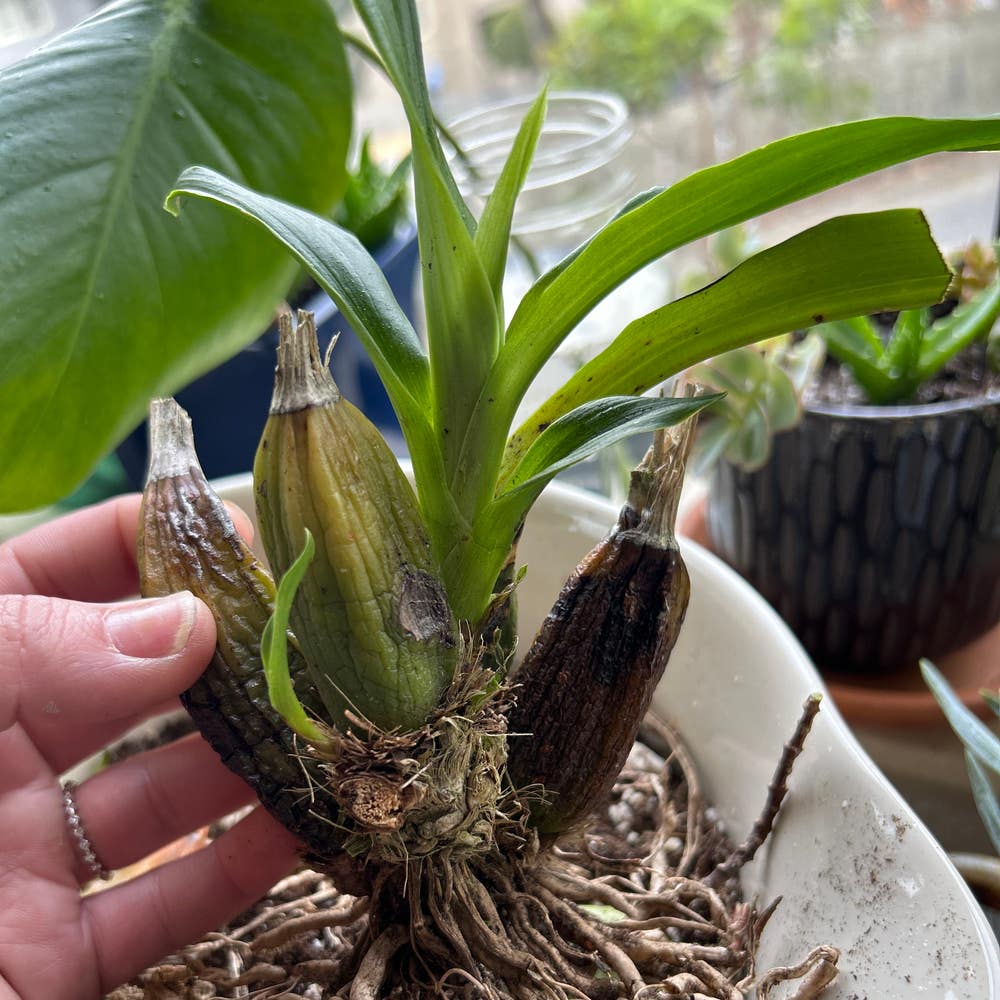
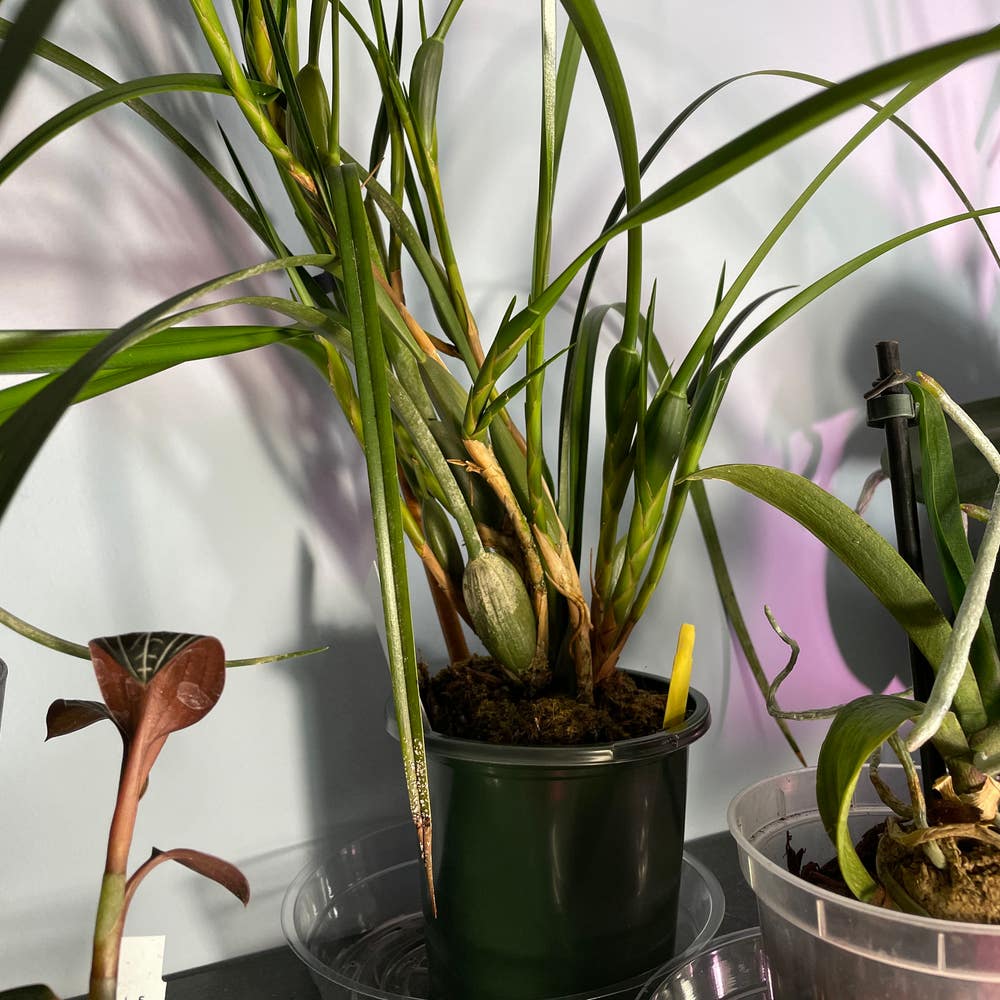
What You Should Know About Eulophia lejolyana 🌸
Eulophia lejolyana
By the Greg Editorial Team
Feb 27, 2025•11 min read
This article was created with the help of AI so we can cover more plants for you. May contain errors. See one? Report it here.
Elevate your garden with Eulophia lejolyana, a vibrant orchid that thrives with easy care! 🌼🌱
- 🌡️💧 Eulophia lejolyana thrives in warm, humid conditions (20-30°C, 60% humidity).
- 🌱 Use well-draining soil with pH 6.0-7.0 for optimal growth.
- 🐾 Safe for pets - Eulophia lejolyana is non-toxic to humans, dogs, and cats.
How to Grow
Choosing a Location 🌞
Eulophia lejolyana thrives in a range of light conditions, from full sun to partial shade. Aim for warm temperatures between 20°C to 30°C (68°F to 86°F) and ensure high humidity levels of 60% or more for optimal growth.
Soil Preparation 🌱
For soil preparation, choose a well-draining mix rich in organic matter. The ideal pH is slightly acidic to neutral, ranging from 6.0 to 7.0, and proper drainage is crucial to prevent root rot.
Planting Techniques 🌿
When planting, dig a hole that is 2-3 inches deep. Space each plant 12-18 inches apart to allow for healthy growth and airflow.
Watering Requirements 💧
Water your Eulophia lejolyana when the top inch of soil feels dry. Use deep watering techniques to encourage robust root development.
Fertilizing Schedule 🌼
A balanced orchid fertilizer with a ratio of 20-20-20 is recommended. Fertilize monthly during the growing season, which spans spring and summer, to support healthy growth.
Pruning and Ongoing Care ✂️
Regularly deadhead spent flowers to promote new blooms. Additionally, conduct routine inspections for pests and diseases to maintain plant health.
With these guidelines, you're well on your way to cultivating a thriving Eulophia lejolyana. Next, let's explore how to propagate this beautiful orchid for even more growth opportunities.
Propagation
🌱 Seed Propagation
To propagate Eulophia lejolyana from seeds, start by soaking the seeds in water for 24 hours. This initial step helps kickstart the germination process, after which you can sow them in a sterile medium.
For optimal germination, maintain warm temperatures and high humidity. These conditions mimic the plant's natural habitat, ensuring a higher success rate for your seeds.
🌿 Division of Tubers
Dividing tubers is another effective propagation method, best performed in early spring before new growth begins. This timing allows the plant to recover quickly and thrive after division.
When separating the tubers, take care to ensure that each piece has roots attached. This practice promotes healthy growth and increases the chances of successful propagation.
With these propagation techniques, you can expand your Eulophia lejolyana collection or share with fellow plant enthusiasts. Next, let’s explore the lifecycle of this fascinating plant.
Lifecycle
Growth Stages 🌱
Eulophia lejolyana undergoes several distinct growth stages throughout its lifecycle. These include germination, seedling development, vegetative growth, flowering, and seed production.
Lifespan 🌼
This orchid is a perennial plant, meaning it can thrive for several years under the right conditions. With proper care, you can enjoy its beauty and benefits for a long time.
Growth Rate 📈
The growth rate of Eulophia lejolyana is moderate, typically reaching full maturity within 1 to 2 years. This steady progression allows gardeners to witness the plant's transformation and enjoy its blooms in a relatively short timeframe.
As you cultivate Eulophia lejolyana, understanding its lifecycle will help you provide the best care possible. Next, let’s explore the mature dimensions of this fascinating plant.
Size
Mature Dimensions 🌱
Eulophia lejolyana can reach impressive heights, typically growing between 30 to 60 cm (12 to 24 inches). Its mature spread ranges from 30 to 45 cm (12 to 18 inches), making it a striking addition to any garden.
Growth Rate 🚀
This orchid exhibits a moderate growth rate, which can vary based on environmental conditions. With the right care, you can expect it to flourish and reach full maturity within 1 to 2 years.
Understanding the size and growth characteristics of Eulophia lejolyana helps you plan its placement in your garden effectively. Next, let’s explore its unique root system and what makes it thrive.
Roots
Characteristics 🌱
Eulophia lejolyana features a tuberous root system that excels in storing nutrients and water. This adaptation allows the plant to thrive even in less-than-ideal conditions.
Root Depth 🌍
Typically, the roots are shallow, but they can spread widely. This characteristic helps the plant access moisture and nutrients from a larger area.
Common Issues ⚠️
While the roots are resilient, they can face some challenges. Root rot is a common problem, often caused by overwatering, while rootbound symptoms may arise if the plant is confined to a small pot.
Visual Cues 👀
To ensure your Eulophia lejolyana remains healthy, pay attention to visual cues. Healthy roots are firm and white, while unhealthy roots may appear brown and mushy, signaling the need for immediate action.
Understanding the root system of Eulophia lejolyana is crucial for its overall health. With proper care, you can prevent common issues and enjoy a flourishing plant.
Transition to Next Section 🔄
Next, we will explore the benefits of growing Eulophia lejolyana, highlighting its aesthetic appeal and ecological contributions.
Benefits
Top 5 Benefits 🌟
Eulophia lejolyana offers a range of benefits that make it a fantastic addition to any garden.
Aesthetic Appeal
The unique flowering spikes of this orchid are a visual treat. They add a splash of color and intrigue, enhancing the overall beauty of your garden.
Biodiversity
This plant is a magnet for pollinators like bees and butterflies. By attracting these creatures, it contributes to a healthier ecosystem.
Soil Improvement
As the tubers decompose, they enrich the soil. This natural process boosts soil fertility, benefiting surrounding plants.
Medicinal Uses
Eulophia lejolyana has traditional uses in herbal remedies. Its medicinal properties have been valued in various cultures for generations.
Cultural Significance
This orchid symbolizes resilience in many cultures. Its enduring nature inspires appreciation and respect for the natural world.
Incorporating Eulophia lejolyana into your garden not only beautifies your space but also supports biodiversity and enriches the soil. Next, let’s explore how to propagate this remarkable plant for even more benefits!
Companion Plants
Best Companions 🌿
When growing Eulophia lejolyana, selecting the right companion plants can enhance both aesthetics and plant health. Consider pairing it with other orchids, ferns, and shade-tolerant plants.
These companions share similar care requirements, making maintenance easier. Additionally, they can help deter pests, creating a more harmonious garden environment.
Benefits of Companion Planting 🌼
Companion planting not only beautifies your garden but also promotes biodiversity. By attracting beneficial insects, such as pollinators, these plants can improve the overall health of your garden ecosystem.
Moreover, the diverse foliage and blooms can create a stunning visual contrast, making your garden a true focal point. Embrace the synergy of companion planting to elevate your gardening experience with Eulophia lejolyana.
As you explore the world of companion plants, you'll find that they can significantly contribute to the success of your Eulophia lejolyana. Next, let’s delve into the fascinating topic of toxicity and safety for humans and pets.
Toxicity to Humans
🛡️ Safety Overview
Eulophia lejolyana is not listed as toxic by major poison control centers, making it a safe choice for gardens and homes.
While it's always wise to handle any plant with care, the general safety of this orchid means there's minimal risk of irritation from contact. Enjoy the beauty of this plant without worrying about harmful effects on yourself or your loved ones.
In summary, Eulophia lejolyana offers a vibrant addition to your space without the toxicity concerns that some other plants may pose. This makes it an excellent option for both novice and experienced gardeners alike.
As we explore further, let’s dive into the fascinating world of Eulophia lejolyana's effects on pets, starting with its safety for dogs.
Toxicity to Dogs
Safety Overview 🐶
Eulophia lejolyana is considered safe for dogs, as it is not toxic according to veterinary organizations. This means you can enjoy this beautiful orchid without worrying about your furry friends getting sick.
General Safety 🐾
While it's always wise to monitor your pets around plants, the risk of health issues from Eulophia lejolyana is low. Just keep an eye on their behavior, as with any plant, to ensure they don’t munch on it excessively.
This plant can be a lovely addition to your garden, allowing you to appreciate its beauty without the stress of toxicity. Now that you know it's safe for dogs, let's explore how to care for this stunning orchid!
Toxicity to Cats
Safety Overview 🐱
Eulophia lejolyana is not considered toxic to cats, according to major pet poison control centers. This means you can enjoy this beautiful orchid in your home without worrying about your feline friends.
General Safety 🛡️
While the plant poses minimal risk of irritation from contact, it's always wise to monitor your pets. If your cat shows unusual behavior after interacting with any plant, consult your veterinarian for peace of mind.
Conclusion 🌼
With Eulophia lejolyana, you can cultivate a stunning garden or indoor space without the stress of toxicity to your cats. This makes it a fantastic choice for pet owners who want to add a touch of nature to their surroundings.
Next, let’s explore the potential problems that can arise when growing this lovely orchid.
Problems
🌱 Common Issues
Growing Eulophia lejolyana can be rewarding, but it's essential to be aware of common problems that may arise. Let's dive into the most frequent issues and how to identify them.
💧 Incorrect Watering
Watering is crucial for the health of your Eulophia lejolyana. Overwatering can lead to yellowing leaves and root rot, while underwatering may cause wilting and dry leaf tips.
- Signs of Overwatering: Look for mushy roots and a foul smell from the soil.
- Signs of Underwatering: Check for dry, crispy leaves and soil that pulls away from the pot.
☀️ Incorrect Light Conditions
Light plays a vital role in the growth of your plant. Too much direct sunlight can scorch the leaves, while too little light can stunt growth and reduce flowering.
- Symptoms of Too Much Light: Leaves may become bleached or develop brown spots.
- Symptoms of Too Little Light: The plant may become leggy, with elongated stems reaching for the light.
🦠 Diseases
Eulophia lejolyana can also fall victim to fungal diseases, which can be detrimental if not addressed promptly.
- Powdery Mildew: This appears as a white, powdery coating on leaves and can be treated with fungicides or by improving air circulation.
- Rust: Look for orange or brown spots on the undersides of leaves, which can weaken the plant.
By keeping an eye on these common issues, you can ensure your Eulophia lejolyana thrives. Next, let’s explore how to effectively propagate this beautiful plant for even more growth!
Bugs
🐛 Pest Issues
Eulophia lejolyana can face a variety of pest challenges, but understanding its pest resistance can help you maintain a healthy plant. Generally, this orchid is moderately resistant to pests, but vigilance is key to preventing infestations.
🦠 Common Pests
Here are some common pests that may target your Eulophia lejolyana:
Spider Mites: Tiny and often invisible, these pests thrive in dry conditions. Look for fine webbing and yellowing leaves as signs of an infestation.
Scale Insects: These pests appear as small, brownish bumps on stems and leaves. They can be removed with a cotton swab dipped in alcohol.
Mealybugs: Recognizable by their white, cotton-like appearance, mealybugs can weaken your plant. Treat them with insecticidal soap or neem oil.
Aphids: These small, green insects cluster on new growth. They can be controlled with a strong spray of water or insecticidal soap.
Whiteflies: These tiny, white flying insects can cause significant damage. Yellow sticky traps can help monitor and reduce their population.
🔍 Identification and Treatment
Identifying pests early is crucial for effective treatment. Regularly inspect your Eulophia lejolyana for any unusual signs, such as discoloration or sticky residue.
If you spot pests, act quickly. Use organic treatments like neem oil or insecticidal soap to minimize harm to beneficial insects. Always follow the manufacturer's instructions for application.
By staying proactive and informed about pest issues, you can ensure your Eulophia lejolyana thrives in your garden. Next, let’s explore the common problems that can affect this beautiful orchid.
What Eats
🦌 Common Animals
Eulophia lejolyana can attract a variety of garden visitors, including deer, rabbits, and squirrels. These animals may browse on the plant, leaving behind telltale signs of nibbling and damage patterns that can be quite noticeable.
🚫 Deterrent Methods
To protect your Eulophia lejolyana from these hungry critters, consider using both chemical and organic control methods. Chemical repellents can deter animals effectively, while organic options, such as planting companion plants that they dislike or using natural deterrents, can provide a more eco-friendly approach.
By being proactive about these potential threats, you can enjoy the beauty of your Eulophia lejolyana without the worry of it becoming a snack for local wildlife.
⚠️ Safety First
This content is for general information and may contain errors, omissions, or outdated details. It is not medical, veterinary advice, or an endorsement of therapeutic claims.
Always consult a qualified healthcare professional before using any plant as food, medicine, or supplement.
Never eat any plant (or feed one to pets) without confirming its identity with at least two trusted sources.
If you suspect poisoning, call Poison Control (800) 222-1222, the Pet Poison Helpline (800) 213-6680, or your local emergency service immediately.
Spotted an error? Please report it here.
Nurture your Eulophia lejolyana 🌱 to bloom beautifully by using Greg's personalized care tips and watering reminders for thriving plants in your home!