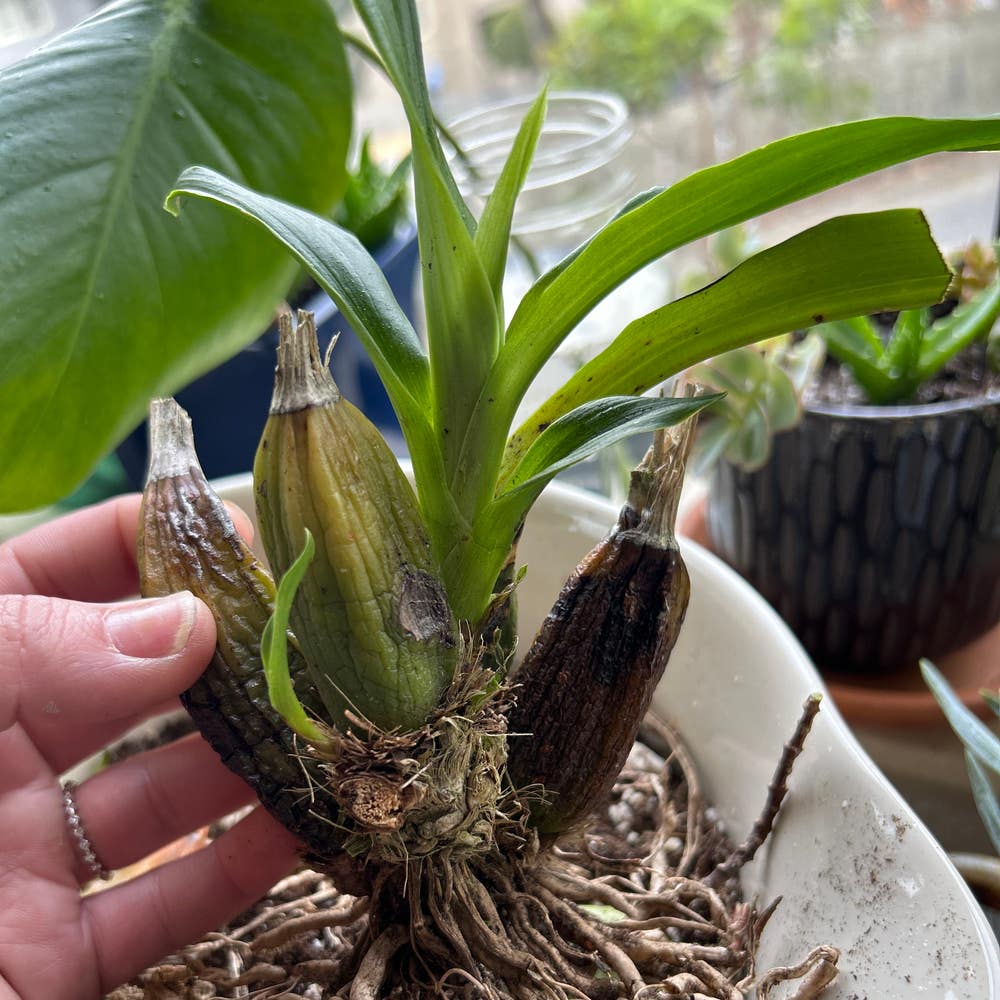
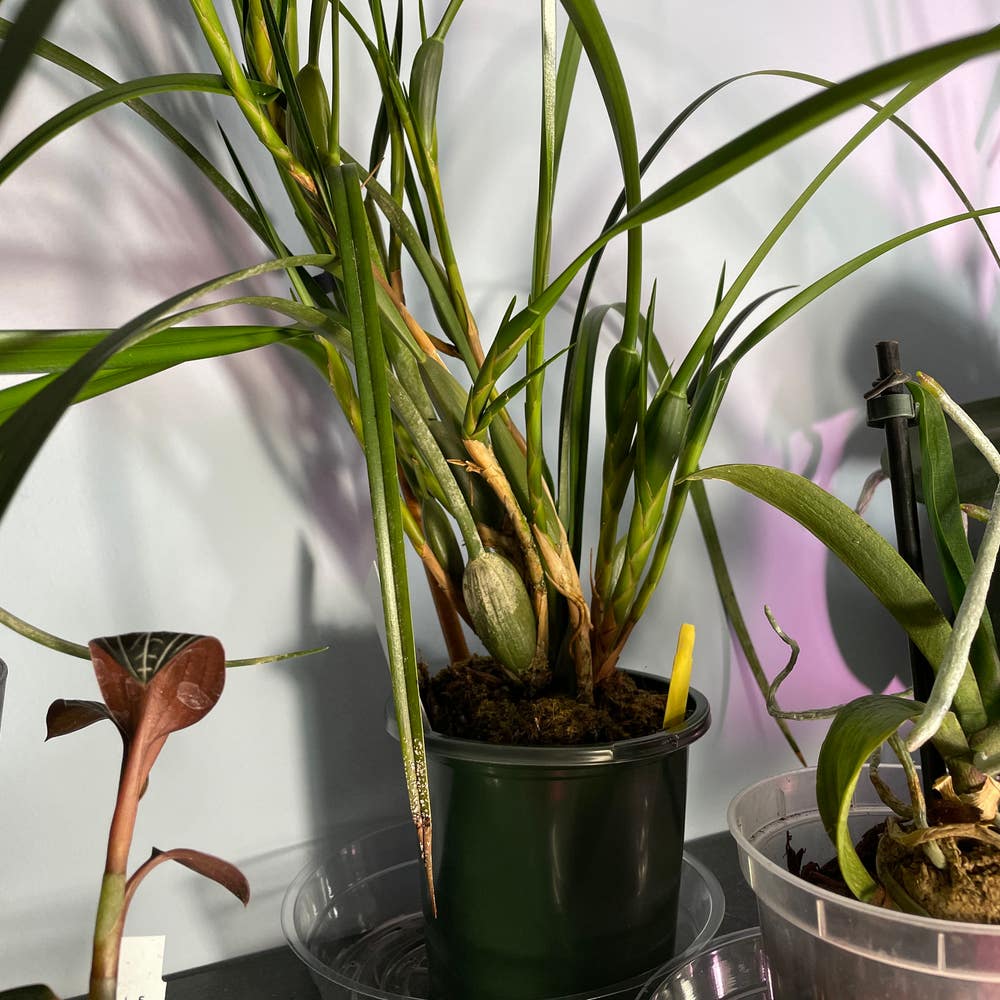
🌸 Ultimate Guide to Eulophia leachii
Eulophia leachii
By the Greg Editorial Team
Feb 27, 2025•10 min read
This article was created with the help of AI so we can cover more plants for you. May contain errors. See one? Report it here.
- 🌞 Eulophia leachii thrives in warm, partial shade with temperatures between 20°C to 30°C.
- 🌱 Use well-draining, organic soil with a pH of 6.0 to 7.0 for optimal growth.
- 💧 Water when the top inch is dry to prevent root rot and ensure healthy growth.
How to Grow
Choosing a Location 🌳
To thrive, Eulophia leachii prefers partial shade, protecting it from harsh direct sunlight. It flourishes in warm, tropical conditions, ideally between 20°C to 30°C (68°F to 86°F).
Soil Preparation 🪴
For optimal growth, use well-draining soil rich in organic matter. Aim for a pH level between 6.0 and 7.0, which is slightly acidic to neutral.
Planting Techniques 🌱
When planting, dig a hole that is 2-3 inches deep. Space each plant 12-18 inches apart to allow for healthy growth and airflow.
Watering Requirements 💧
Water your Eulophia leachii when the top inch of soil feels dry. Be cautious to avoid waterlogging by ensuring proper drainage.
Fertilizing Schedule 🌼
Utilize a balanced orchid fertilizer, such as 20-20-20. Apply it every 4-6 weeks during the growing season for best results.
Pruning Methods ✂️
Prune your plant after flowering to encourage new growth. Focus on removing any dead or damaged leaves and spent flower spikes.
Ongoing Care Tips 🔍
Keep an eye on moisture levels by using a moisture meter for accuracy. Adjust your care routine based on seasonal changes to meet the plant's needs.
With these guidelines, you'll be well on your way to cultivating a thriving Eulophia leachii. Next, let's explore how to propagate this beautiful plant effectively.
Propagation
🌱 Seed Propagation
To propagate Eulophia leachii from seeds, start by preparing a sterile medium. This ensures a clean environment for germination, which typically takes about 2-3 weeks under optimal conditions.
✂️ Division Propagation
Division is another effective method, best performed in spring or early summer. Carefully separate clumps of the plant and replant them in new locations to encourage healthy growth.
Propagation not only helps expand your collection but also strengthens your connection with this beautiful orchid. Whether you choose seeds or division, both methods offer a rewarding gardening experience.
Lifecycle
Lifecycle Stages 🌱
Eulophia leachii undergoes several distinct stages throughout its lifecycle. These include germination, seedling development, vegetative growth, flowering, and seed production.
Each stage is crucial for the plant's overall health and productivity. Under optimal conditions, Eulophia leachii can reach full maturity in just 2-3 years, making it a relatively quick-growing option for gardeners.
Germination 🌱
The lifecycle begins with germination, where seeds sprout and establish their first roots. This stage typically takes place in a controlled environment, ensuring the right moisture and temperature levels.
Seedling Development 🌱
Once germinated, the plant enters the seedling stage. Here, it focuses on developing its initial leaves and strengthening its root system, setting the foundation for future growth.
Vegetative Growth 🌱
As Eulophia leachii progresses, it enters vegetative growth. During this phase, the plant expands its foliage and prepares for the flowering stage, which is essential for reproduction.
Flowering 🌸
The flowering stage is a highlight of the lifecycle, showcasing the plant's striking blooms. This is not only visually appealing but also vital for attracting pollinators.
Seed Production 🌱
Finally, after flowering, Eulophia leachii produces seeds. This stage ensures the continuation of the species, allowing for new plants to emerge and thrive.
Understanding these lifecycle stages helps you appreciate the growth process of Eulophia leachii. With proper care, you can witness each phase unfold beautifully in your garden.
As we explore the size of Eulophia leachii next, you'll see how its growth can be influenced by these lifecycle stages.
Size
Mature Height and Spread 🌱
Eulophia leachii typically reaches an average height of 30 to 60 cm (12 to 24 inches). Its spread ranges from 30 to 45 cm (12 to 18 inches), making it a compact yet striking addition to any garden.
Growth Rate and Size Variability 📈
This orchid exhibits a moderate growth rate, adding about 15 to 30 cm (6 to 12 inches) each year. However, the size can vary significantly based on growing conditions and care, so keep an eye on its environment for optimal results.
As you nurture your Eulophia leachii, remember that its growth can be influenced by factors like light, water, and soil quality. Adjusting these elements can help you achieve the best size and health for your plant.
Next, let’s explore the fascinating root system of Eulophia leachii and how it contributes to the plant's overall health and resilience.
Roots
Root System Characteristics 🌱
Eulophia leachii boasts a unique root system characterized by fleshy, water-storing roots. These roots are typically shallow but can spread widely, allowing the plant to access moisture efficiently.
Common Root-Related Issues ⚠️
One of the most common problems with Eulophia leachii is root rot, which often results from overwatering and poor drainage. Signs of unhealthy roots include blackened, mushy roots that indicate the plant is struggling.
Maintaining proper watering practices and ensuring good drainage can help prevent these issues. By keeping an eye on your plant's roots, you can promote a healthier growth environment.
As we explore the lifecycle of Eulophia leachii, understanding its roots will help you appreciate how this plant thrives in various conditions.
Benefits
Top 5 Benefits 🌟
Eulophia leachii offers a range of benefits that make it a fantastic addition to any garden. Here are the top five reasons to consider this striking plant.
Aesthetic Appeal
The vibrant flowers of Eulophia leachii are a feast for the eyes. Their unique shapes and colors can elevate the beauty of any garden space.
Pollinator Attraction
This plant plays a vital role in supporting local ecosystems. By attracting bees and butterflies, it helps promote biodiversity in your garden.
Drought Tolerance
Thanks to its unique root system, Eulophia leachii can thrive in varying moisture conditions. This drought tolerance makes it a resilient choice for gardeners.
Cultural Significance
Eulophia leachii holds a special place in traditional practices and local folklore. Its cultural importance adds depth to its presence in your garden.
Versatility
Whether you prefer garden beds or container growing, this plant fits the bill. Its adaptability allows it to flourish in various settings, making it a versatile choice for any gardener.
Incorporating Eulophia leachii into your garden not only enhances its beauty but also contributes positively to the environment. Next, let’s explore how to propagate this remarkable plant for even more growth and beauty.
Companion Plants
Best Companion Plants 🌿
When growing Eulophia leachii, choosing the right companion plants can enhance both aesthetics and care. Consider ferns, shade-tolerant flowers, and other orchids as ideal partners.
These companions share similar care needs, making maintenance easier. Their diverse textures and colors can create a visually appealing garden space, while also providing a supportive environment for Eulophia leachii to thrive.
Why Choose These Companions? 🤔
- Ferns: They thrive in similar light conditions and add lush greenery.
- Shade-Tolerant Flowers: These blooms can brighten up the area without competing for sunlight.
- Other Orchids: They often require similar humidity and watering, creating a harmonious planting scheme.
By selecting these companion plants, you not only enhance the beauty of your garden but also promote a healthy ecosystem. This thoughtful pairing can lead to a flourishing garden that showcases the unique charm of Eulophia leachii.
As you plan your garden, remember that the right companions can make all the difference. Next, let’s explore the fascinating topic of Eulophia leachii's toxicity to humans, dogs, and cats.
Toxicity to Humans
Safety Overview 🛡️
Eulophia leachii is not listed as toxic by major poison control centers, making it a safe choice for your garden. You can handle and even ingest small amounts without worry, but it's always wise to exercise caution with any plant.
General Safety ⚠️
While this orchid is generally considered safe, it's important to monitor for any unusual symptoms after contact or ingestion. If you experience any adverse reactions, seek medical advice promptly.
Cautionary Measures 👀
Always remember that individual reactions can vary. Keeping a watchful eye on how you and others interact with the plant can help ensure a safe and enjoyable gardening experience.
As we explore the next section, let’s dive into how Eulophia leachii interacts with our furry friends.
Toxicity to Dogs
Safety Overview 🐶
Eulophia leachii is not listed as toxic by major pet poison control centers. This means your furry friends can safely roam around it without immediate concern.
Potential Minor Issues 🤢
While generally safe, consuming large quantities of this plant may lead to mild gastrointestinal upset in dogs. It's always wise to keep an eye on your pet's behavior after they’ve been near any plant.
Tips for Pet Owners 🐾
To ensure your dog's safety, keep Eulophia leachii out of reach of curious noses. Regularly monitor your pet for any unusual symptoms, and consult a vet if you notice anything concerning.
With these precautions, you can enjoy the beauty of Eulophia leachii in your garden without worrying about your canine companions. Next, let's explore how this plant interacts with our feline friends.
Toxicity to Cats
Safety Overview 🐱
Eulophia leachii is not listed as toxic by major pet poison control centers. This means that, generally, it’s safe for your feline friends.
Potential Minor Issues 🩹
While the plant is considered safe, consuming large quantities may lead to mild gastrointestinal upset in cats. It's always a good idea to keep an eye on your pet's behavior after they’ve been near the plant.
Tips for Cat Owners 🏠
To ensure your cat stays safe, keep Eulophia leachii elevated or out of reach. Regularly monitor your cat for any unusual symptoms, especially if they show interest in nibbling on the leaves.
This knowledge allows you to enjoy the beauty of Eulophia leachii without worrying about your furry companions. Now, let’s explore common problems that might arise when growing this unique plant.
Problems
Common Problems with Eulophia leachii 🌱
Growing Eulophia leachii can be rewarding, but it’s not without its challenges. Understanding common problems can help you maintain a healthy plant.
Incorrect Watering 🚰
Watering is crucial for Eulophia leachii. Overwatering can lead to yellowing leaves, while underwatering results in drooping foliage.
Incorrect Light Conditions ☀️
Light conditions play a significant role in the plant's health. Too much sun can scorch the leaves, while insufficient light can cause leggy growth.
Diseases 🦠
Fungal diseases can be a concern. Watch out for powdery mildew and root rot, which can compromise your plant's vitality.
Leaf Issues 🍃
Leaf problems can manifest in various ways. Look for signs of scorching, yellowing, or fuzzy growth, which indicate underlying issues that need addressing.
By keeping an eye on these common problems, you can ensure your Eulophia leachii thrives. Next, let’s explore potential pest issues that could affect your plant's health.
Bugs
Potential Pest Issues 🐜
Eulophia leachii can attract a variety of pests that may threaten its health. Common culprits include spider mites, scale insects, mealybugs, aphids, and whiteflies.
Signs of Infestation 🚨
These pests can cause noticeable damage, leading to leaf discoloration, wilting, and stunted growth. Keeping an eye out for these symptoms is crucial for maintaining your plant's vitality.
Prevention and Control 🛡️
To prevent infestations, regularly inspect your plants and maintain good air circulation. If you spot pests, consider using insecticidal soap or neem oil as effective treatments.
Monitoring and Maintenance 🔍
Regularly check the undersides of leaves, as many pests like to hide there. Early detection is key to managing pest issues before they escalate.
Final Thoughts 💭
By staying vigilant and proactive, you can protect your Eulophia leachii from these pesky invaders. With proper care, your plant can thrive, showcasing its beauty without the interference of unwanted bugs.
Next, let’s explore what animals might be interested in munching on your Eulophia leachii.
What Eats Eulophia leachii
Common Animals 🦌
Eulophia leachii, while a stunning addition to any garden, can attract a variety of hungry critters. The most common threats include deer, rabbits, squirrels, birds, rodents, and groundhogs.
Signs of Animal Presence 🐾
To protect your plants, keep an eye out for signs of these animals. Look for tracks, droppings, and visible damage to the plant, which can indicate that your Eulophia leachii is on the menu.
Understanding these potential threats can help you take proactive measures to safeguard your plants. With a little vigilance, you can enjoy the beauty of Eulophia leachii without unwelcome visitors munching on your prized blooms.
As we move forward, let’s explore how to tackle common problems that may arise while growing this beautiful orchid.
⚠️ Safety First
This content is for general information and may contain errors, omissions, or outdated details. It is not medical, veterinary advice, or an endorsement of therapeutic claims.
Always consult a qualified healthcare professional before using any plant as food, medicine, or supplement.
Never eat any plant (or feed one to pets) without confirming its identity with at least two trusted sources.
If you suspect poisoning, call Poison Control (800) 222-1222, the Pet Poison Helpline (800) 213-6680, or your local emergency service immediately.
Spotted an error? Please report it here.
Nurture your Eulophia leachii to bloom brilliantly 🌸 with Greg's tailored care reminders and expert tips that ensure your orchid thrives in its ideal environment!