Everything You Need to Know About Eulophia latifolia
Eulophia latifolia
By the Greg Editorial Team
Feb 27, 2025•12 min read
This article was created with the help of AI so we can cover more plants for you. May contain errors. See one? Report it here.
- 🌱 Eulophia latifolia thrives in partial shade and adapts to various light conditions.
- 💧 Consistent moisture is key; avoid waterlogging for optimal growth.
- 🌿 Non-toxic to pets and humans, but minor skin irritation may occur for sensitive individuals.
How to Grow
Choosing a Location 🌳
Eulophia latifolia thrives in partial shade but is adaptable to various light conditions. When deciding between outdoor and container growing, consider that outdoor settings often provide natural drainage and space, while containers allow for mobility and controlled environments.
Soil Preparation 🪴
For optimal growth, ensure you use well-draining soil. Enhancing soil fertility with organic matter, such as compost, can significantly benefit your plants.
Planting Techniques 🌱
When planting tubers, aim for a depth of about 3 to 4 inches. Additionally, maintain a spacing of 12 to 18 inches between plants to promote healthy growth and airflow.
Watering Requirements 💧
Keep the soil consistently moist, but avoid waterlogging. Watch for signs of overwatering, such as yellowing leaves, or underwatering, indicated by wilting.
Fertilizing Schedule 🌼
A balanced NPK fertilizer is ideal for Eulophia latifolia. Fertilize during the growing season, ideally every 4 to 6 weeks, to support robust growth.
Pruning and Ongoing Care ✂️
Regular pruning helps maintain plant health by removing dead or damaged leaves. Adjust your care routine seasonally, ensuring adequate protection during colder months and proper hydration in warmer weather.
With these foundational steps, you can cultivate a thriving Eulophia latifolia that enhances your garden's beauty and biodiversity. Next, let’s explore the various propagation methods to expand your collection of this stunning plant.
Propagation
🌱 Seed Propagation
Sowing seeds of Eulophia latifolia is a straightforward process. Start by planting seeds at a depth of about 1/4 inch, ensuring they are spaced approximately 2 inches apart in well-draining soil.
For optimal germination, maintain a warm environment with consistent moisture. A temperature range of 70-75°F is ideal, and covering the seeds with a light layer of soil can help retain moisture.
✂️ Division of Tubers
Dividing tubers is a great way to propagate Eulophia latifolia. The best time to divide is during the plant's dormant season, typically in late fall or early spring.
To divide, carefully lift the tubers from the soil and use a clean, sharp knife to cut them into sections, ensuring each piece has at least one healthy bud. Replant the divided tubers at the same depth they were growing, spacing them adequately for future growth.
🌼 Offsets and Cuttings
Offsets are small bulbs that develop around the main tuber and can be easily separated for propagation. Look for offsets that are at least a few inches in size, as these will have a better chance of thriving when replanted.
For cuttings, take a healthy section of the tuber and allow it to callous over for a day or two before planting. This helps prevent rot and encourages successful rooting in well-draining soil.
With these propagation methods, you can expand your Eulophia latifolia collection and enjoy its beauty in multiple locations. Next, let's explore the lifecycle of this fascinating plant.
Lifecycle
Lifecycle Stages 🌱
Eulophia latifolia progresses through distinct stages from seed or cutting to maturity. Initially, it starts as a seed, which germinates into a seedling, followed by a vegetative growth phase, and ultimately leads to flowering and seed production.
Germination Process 🌧️
For successful germination, Eulophia latifolia requires warm temperatures and consistent moisture. Ensure the seeds are planted at the right depth and in well-draining soil to promote healthy sprouting.
Seedling Development 🌿
Healthy seedlings exhibit vibrant green leaves and sturdy stems. Look for signs of growth such as new leaf formation and robust root systems, which indicate that your plant is thriving.
Vegetative Growth Phase 🌳
During the vegetative phase, the plant focuses on leaf and root development. This stage is characterized by rapid growth, where the plant establishes itself and prepares for future flowering.
Flowering and Seed Production 🌼
Eulophia latifolia typically flowers in late summer to early fall. To encourage seed production, provide optimal light and nutrients during this period, ensuring the plant has the energy it needs to bloom.
Lifespan and Growth Rate ⏳
This plant can take about 2 to 3 years to reach full maturity. Its growth rate can vary based on environmental conditions, such as light, water, and soil quality, influencing how quickly it develops.
With a solid understanding of the lifecycle of Eulophia latifolia, you can better nurture your plant through each stage. Next, let’s explore how to effectively propagate this fascinating species.
Size
Mature Height and Spread 🌱
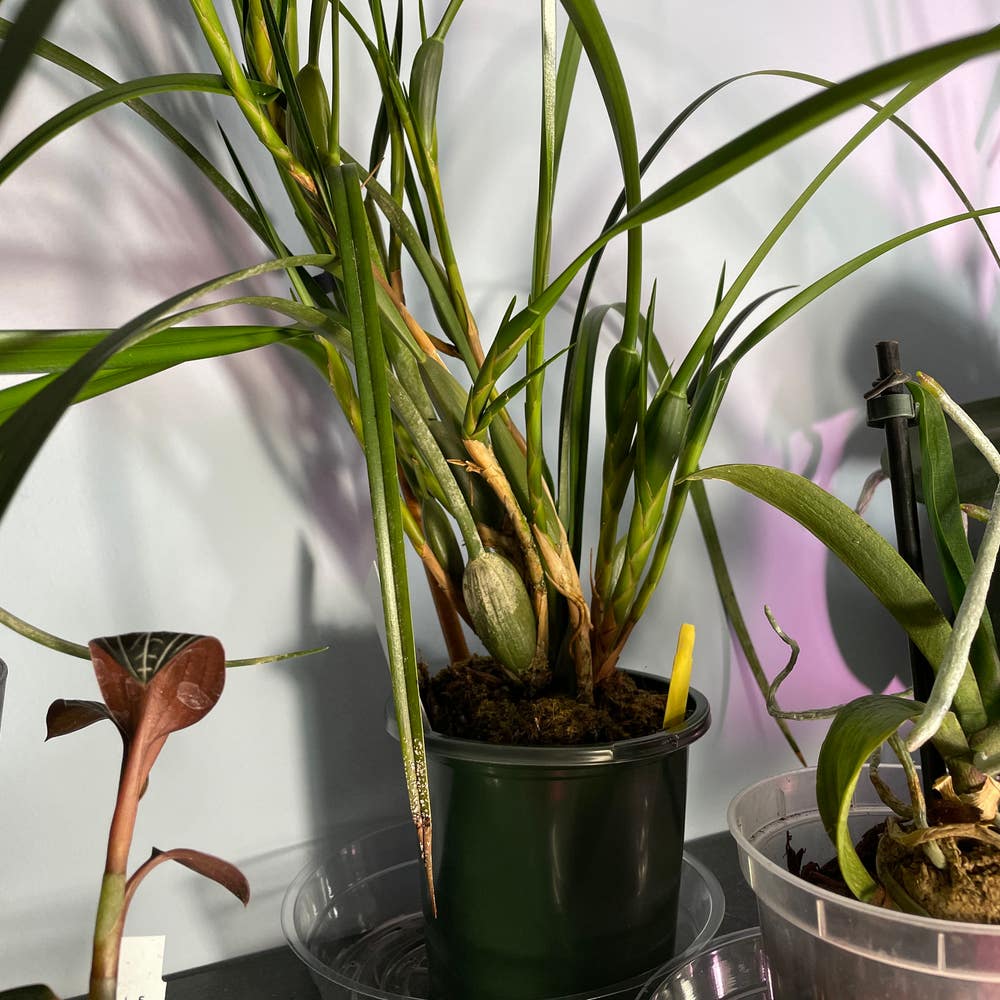
Eulophia latifolia typically reaches a mature height of about 18 to 24 inches. Its spread can vary, often extending to around 12 to 18 inches, making it a compact yet striking addition to your garden.
Growth Rate and Size Variability 📈
The growth rate of Eulophia latifolia can be influenced by several factors. These include the quality of care it receives, environmental conditions, and the specific growing medium used.
Factors Affecting Size ⚖️
Light, water, and soil quality play crucial roles in determining the size of Eulophia latifolia. Adequate sunlight encourages robust growth, while consistent watering and nutrient-rich soil help the plant thrive to its full potential.
Understanding these aspects will not only enhance your gardening experience but also ensure that your Eulophia latifolia flourishes beautifully. Next, we will explore the fascinating world of the plant's roots and their significance.
Roots
🌱 Characteristics of the Root System
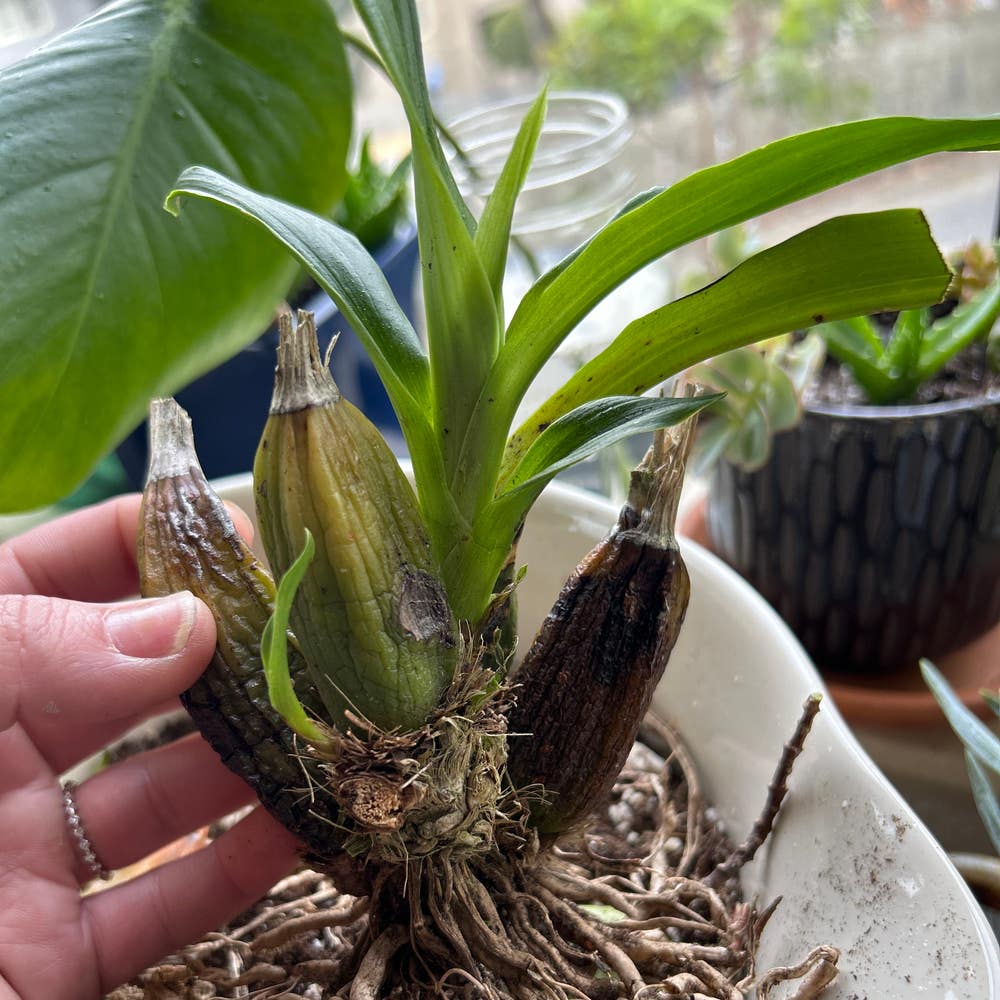
Eulophia latifolia features a unique tuberous root system that plays a crucial role in its growth and survival. These tubers store nutrients and water, allowing the plant to thrive in varying conditions.
📏 Root Depth and Spread
Typically, the roots of Eulophia latifolia can extend to a depth of about 12 inches, depending on soil conditions. In well-draining soils, the spread can reach up to 24 inches, providing stability and access to nutrients.
⚠️ Common Root-Related Issues
Root rot is a significant concern for Eulophia latifolia, often caused by overwatering or poorly draining soil. Other issues include pest infestations that can compromise root health, leading to stunted growth.
🌿 Healthy vs. Unhealthy Roots
Healthy roots are firm and white, indicating vitality and proper nutrient absorption. In contrast, unhealthy roots may appear brown, mushy, or have a foul odor, signaling potential rot or disease.
🔒 Recognizing Rootbound Plants
A rootbound plant will exhibit signs such as stunted growth and roots emerging from drainage holes. To remedy this, gently remove the plant from its container, trim any circling roots, and repot it in a larger space to encourage healthy growth.
Understanding the root system of Eulophia latifolia is essential for successful cultivation. With proper care, you can ensure your plant thrives and flourishes. Next, let’s explore the benefits of growing this remarkable plant.
Benefits
Top 5 Benefits 🌟
Eulophia latifolia offers a range of benefits that make it a fantastic addition to any garden. Here are the top five:
Aesthetic Appeal: With its lush foliage and unique flowers, Eulophia latifolia adds beauty to landscapes, making it a favorite among gardeners.
Low Maintenance: This plant thrives in various conditions and requires minimal care, perfect for busy individuals or novice gardeners.
Biodiversity Support: By cultivating Eulophia latifolia, you contribute to local biodiversity, providing habitat and food for pollinators and other wildlife.
Soil Improvement: Its root system helps aerate the soil, enhancing drainage and promoting healthier soil conditions for surrounding plants.
Medicinal Uses: Traditionally, parts of Eulophia latifolia have been used in herbal remedies, showcasing its potential health benefits.
Cultural Significance 🌍
Eulophia latifolia holds cultural significance in various regions, often associated with traditional practices and local folklore. In some cultures, it symbolizes resilience and adaptability, reflecting the plant's ability to thrive in diverse environments. Additionally, its use in traditional medicine highlights the deep-rooted connection between nature and cultural heritage. Embracing this plant not only enriches your garden but also honors the traditions and stories intertwined with its existence.
As you consider adding Eulophia latifolia to your garden, think about how it can enhance not just your space, but also your understanding of the natural world. Next, let’s explore how to propagate this remarkable plant effectively.
Companion Plants
🌱 Concept of Companion Planting
Companion planting is the practice of growing different plants together for mutual benefits. This technique can enhance growth, deter pests, and improve overall garden health.
🌼 Best Companion Plants
Here are some excellent companions for Eulophia latifolia:
- Marigolds: Their strong scent repels many pests, protecting your Eulophia.
- Basil: This herb can enhance the flavor of nearby plants and deter harmful insects.
- Nasturtiums: They attract aphids away from your Eulophia, acting as a trap crop.
🚫 Plants to Avoid
While some plants thrive together, others can hinder growth. Avoid planting Eulophia latifolia near:
- Cabbage family: These can compete for nutrients and space.
- Potatoes: They may attract pests that could harm your Eulophia.
- Fennel: This plant can inhibit the growth of nearby species.
🌍 Benefits of Companion Planting
Companion planting not only boosts garden diversity but also aids in pest control. By strategically placing plants together, you create a balanced ecosystem that can lead to healthier growth and a more vibrant garden.
This approach encourages beneficial insects while minimizing the need for chemical interventions, making your gardening experience more sustainable and enjoyable.
Toxicity to Humans
Safety Around Humans 🛡️
Eulophia latifolia is considered non-toxic to humans, making it a safe choice for gardens and homes. However, minor issues can arise, such as skin irritation for sensitive individuals when handling the plant.
Recommendations for Caution ⚠️
While the plant poses minimal risk, it's wise to monitor for any unusual symptoms after contact. If any adverse reactions occur, seeking medical advice is recommended to ensure safety and peace of mind.
As you explore the joys of growing Eulophia latifolia, remember that being informed is key to a successful gardening experience. Next, let’s delve into how this plant interacts with our furry friends—dogs!
Toxicity to Dogs
Safety Around Dogs 🐶
Eulophia latifolia is considered non-toxic to dogs, making it a safe choice for pet owners. While the plant poses no significant health risks, some dogs may experience mild gastrointestinal upset if they consume large quantities.
Tips for Introducing to Homes 🏡
When introducing Eulophia latifolia into your home, consider placing it in areas that are less accessible to your dog. Monitor your pet's behavior around the plant, especially during the initial days, to ensure they don’t show excessive curiosity or chewing tendencies.
By keeping an eye on your furry friend, you can enjoy the beauty of this plant without worry. Transitioning to the next topic, let’s explore how Eulophia latifolia interacts with our feline companions.
Toxicity to Cats
🐱 Safety Around Cats
Eulophia latifolia is considered non-toxic to cats, making it a safe addition to your home. However, while the plant poses no significant health risks, some cats may experience mild gastrointestinal upset if they nibble on the leaves.
🏡 Tips for Introducing to Homes
When introducing Eulophia latifolia to your home, consider placing it in a location that is out of reach of curious paws. Monitor your cat's behavior around the plant to ensure they don't show excessive interest, and be prepared to relocate it if necessary to keep both your plant and pet safe.
Problems
Common Problems 🌱
Eulophia latifolia can face a few common issues that may hinder its growth. Understanding these problems is the first step to ensuring your plant thrives.
Identifying Symptoms and Causes 🔍
Yellowing Leaves: This often indicates overwatering or nutrient deficiency. Check your watering schedule and consider fertilizing.
Wilting: Wilting leaves can signal underwatering or root rot. Assess soil moisture and inspect roots for damage.
Stunted Growth: If your plant isn’t growing as expected, it may be rootbound or lacking nutrients. Evaluate pot size and soil quality.
Brown Leaf Tips: This can result from low humidity or too much direct sunlight. Adjust your plant's location or increase humidity levels.
Pest Infestations: Look for signs like webbing or holes in leaves. Pests can weaken your plant and should be addressed promptly.
Solutions for Each Problem 🛠️
Yellowing Leaves: Reduce watering frequency and apply a balanced fertilizer to restore nutrients.
Wilting: Water the plant thoroughly and check for root rot. If roots are mushy, trim the affected areas.
Stunted Growth: Repot your plant into a larger container and refresh the soil to provide more nutrients.
Brown Leaf Tips: Move your plant to a shadier spot or use a humidity tray to maintain moisture in the air.
Pest Infestations: Use insecticidal soap or neem oil to treat affected areas and prevent further damage.
By recognizing these common problems and implementing effective solutions, you can keep your Eulophia latifolia healthy and flourishing. Next, let’s explore how to manage pests that may threaten your plant’s well-being.
Bugs
🐞 Potential Pest Issues
Eulophia latifolia is generally resilient but can face pest challenges. Understanding its resistance and susceptibility is key to maintaining a healthy plant.
🔍 Identification and Damage
Several pests can affect Eulophia latifolia, including:
- Aphids: Small, green or black insects that cluster on new growth, causing curling leaves.
- Mealybugs: White, cotton-like pests that can weaken the plant by sucking sap.
- Spider Mites: Tiny, spider-like creatures that create fine webs and cause stippling on leaves.
Each of these pests can lead to significant damage if not addressed promptly.
🛠️ Effective Treatment Options
To manage pest issues effectively, consider the following treatments:
- Insecticidal Soap: A safe option for controlling soft-bodied insects like aphids and mealybugs.
- Neem Oil: This natural pesticide disrupts the life cycle of pests and is effective against spider mites.
- Regular Monitoring: Keep an eye on your plants for early signs of infestation, allowing for quicker intervention.
By staying vigilant and using these treatments, you can protect your Eulophia latifolia from common pests and ensure its thriving growth.
What Eats
🐇 Common Animals
Eulophia latifolia can attract a variety of animals that may munch on its leaves or flowers. Common culprits include rabbits, deer, and various insects, all of which can cause noticeable damage if left unchecked.
👀 Signs of Animal Presence
To protect your plant, be vigilant for signs of animal activity. Look for chewed leaves, droppings near the plant, or tracks in the soil, which can indicate that your Eulophia is being targeted.
🚫 Deterrent Methods
Preventing damage from these hungry visitors can be achieved through several methods.
- Chemical Deterrents: Use commercial repellents that are safe for plants but unpleasant for animals.
- Organic Solutions: Consider natural deterrents like garlic spray or cayenne pepper, which can effectively keep animals at bay.
- Physical Barriers: Installing fencing or using row covers can provide a protective shield against larger animals.
By employing these strategies, you can help ensure your Eulophia latifolia thrives without unwanted nibbling. Next, let’s explore the common problems that may arise while growing this resilient plant.
⚠️ Safety First
This content is for general information and may contain errors, omissions, or outdated details. It is not medical, veterinary advice, or an endorsement of therapeutic claims.
Always consult a qualified healthcare professional before using any plant as food, medicine, or supplement.
Never eat any plant (or feed one to pets) without confirming its identity with at least two trusted sources.
If you suspect poisoning, call Poison Control (800) 222-1222, the Pet Poison Helpline (800) 213-6680, or your local emergency service immediately.
Spotted an error? Please report it here.
Grow a thriving Eulophia latifolia 🌿 with Greg's personalized care tips and reminders that ensure your plant flourishes beautifully in your garden!