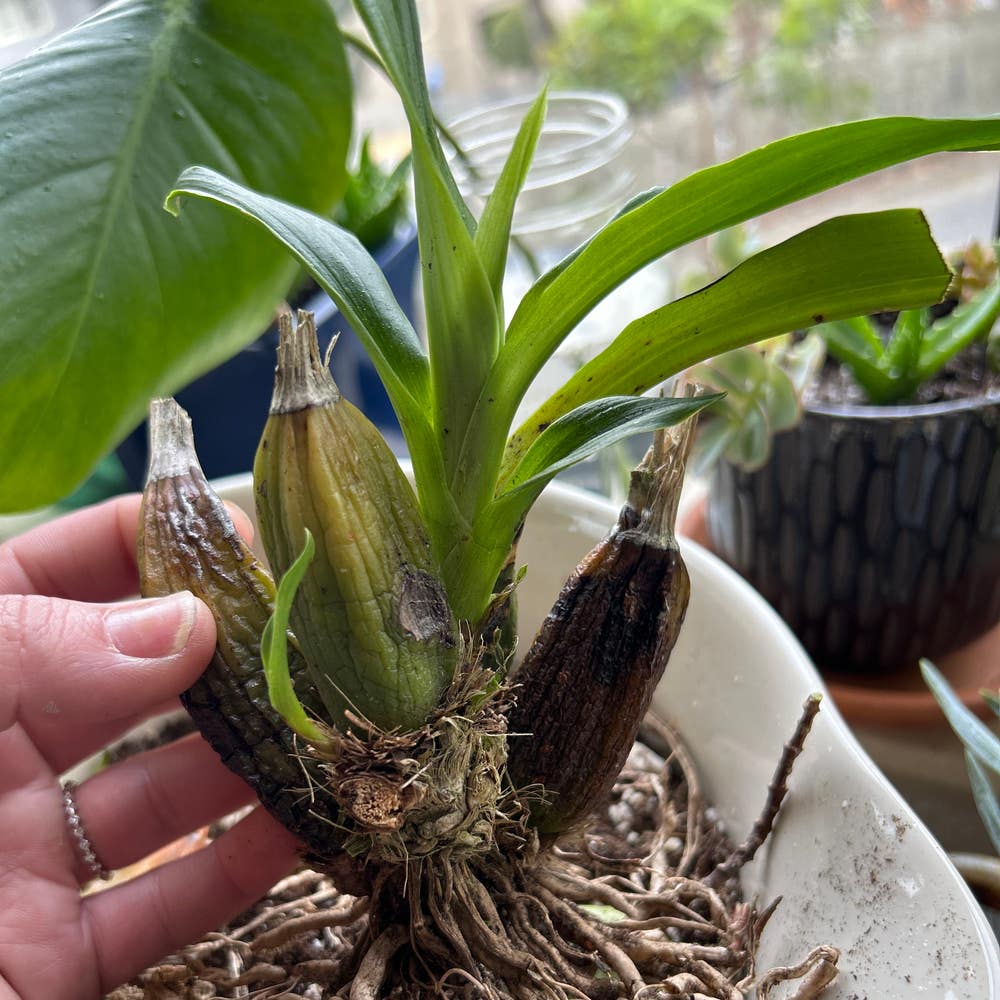
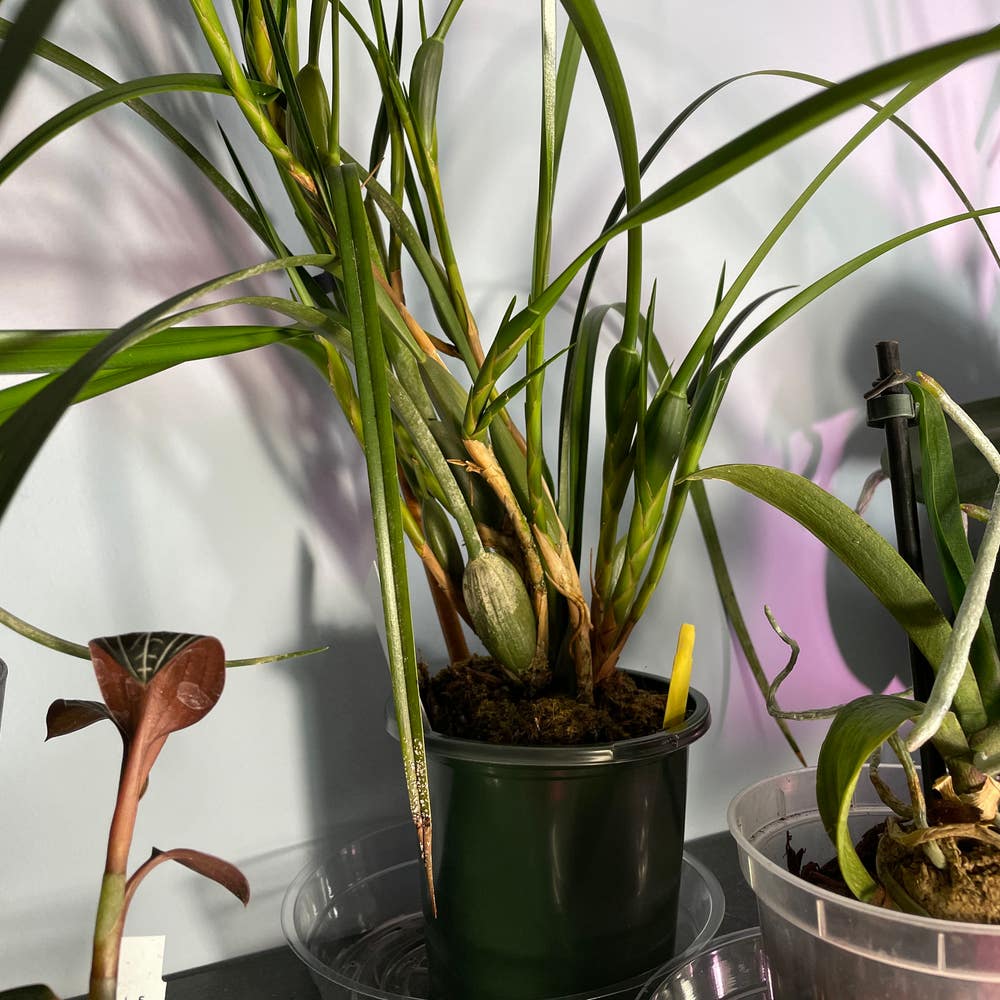
🌸 Ultimate Guide to Eulophia lanceata
Eulophia lanceata
By the Greg Editorial Team
Feb 27, 2025•8 min read
This article was created with the help of AI so we can cover more plants for you. May contain errors. See one? Report it here.
Elevate your garden effortlessly with Eulophia lanceata, a beautiful, low-maintenance plant that offers unique benefits! 🌱
- 🌱 Eulophia lanceata thrives in partial shade and adapts to various light conditions.
- 💧 Consistent moisture without waterlogging is key for healthy growth and root health.
- 🌼 This plant attracts pollinators and enhances garden aesthetics with its striking flowers.
How to Grow
Choosing a Location 🌳
Eulophia lanceata thrives in partial shade but can adapt to various light conditions. It's essential to protect the plant from strong winds and extreme temperatures to ensure healthy growth.
Soil Preparation 🏞️
For optimal growth, use well-draining soil enriched with organic matter. Aim for a soil pH between 6.0 and 7.0, which is slightly acidic to neutral.
Planting Techniques 🌱
When planting, dig a hole 2-3 inches deep to accommodate the roots. Space the plants 12-18 inches apart to allow for proper air circulation and growth.
Watering Requirements 💧
Keep the soil consistently moist, but avoid waterlogging, which can harm the roots. Watch for signs of overwatering, like yellowing leaves, or underwatering, indicated by wilting.
Fertilizing Schedule 🌼
Use a balanced NPK fertilizer to provide essential nutrients. Fertilize every 4-6 weeks during the growing season for the best results.
Pruning Methods ✂️
Prune Eulophia lanceata after flowering to promote new growth. Focus on removing dead or damaged leaves and spent flower spikes to keep the plant healthy.
Ongoing Care 🏡
If growing in containers, ensure they have adequate drainage and are the right size for the plant. Adjust care seasonally, protecting the plant from frost and extreme heat to maintain its vitality.
With these guidelines, you'll be well on your way to cultivating a thriving Eulophia lanceata. Next, let's explore how to propagate this beautiful plant effectively.
Propagation
🌱 Seed Propagation Steps
To start propagating Eulophia lanceata from seeds, begin by soaking them in water for 24 hours. This simple step helps to soften the seed coat and encourages germination.
Next, create a warm and humid environment for the seeds. They thrive best under indirect light, so consider placing them in a bright spot that avoids harsh sunlight.
✂️ Division of Rhizomes Method
Dividing rhizomes is another effective propagation method, ideally performed in spring or fall. Timing is crucial, as this ensures the plant can recover and grow vigorously.
When you're ready, carefully separate the rhizomes. Make sure to replant them immediately to minimize stress and promote healthy growth.
🌼 Offsets and Bulb Propagation
Offsets are small bulbs that appear at the base of the Eulophia lanceata plant. Identifying these offsets is straightforward; look for clusters that can be gently removed.
Once located, replant the offsets in well-draining soil. This method is easy and can quickly expand your collection of this beautiful plant.
With these propagation techniques, you can enjoy the beauty of Eulophia lanceata in multiple spots around your garden. Now, let’s explore the benefits of this stunning plant!
Benefits
Top 5 Benefits 🌟
Eulophia lanceata is not just a pretty face in the garden; it offers a range of benefits that make it a fantastic choice for any plant lover.
Ornamental Appeal: The striking flowering spikes of Eulophia lanceata bring vibrant colors and unique shapes to your garden, enhancing its overall aesthetics. These blooms can serve as a focal point, drawing the eye and sparking conversation.
Low Maintenance: Once established, this plant requires minimal care, making it perfect for busy gardeners. Its resilience means you can enjoy its beauty without constant attention.
Biodiversity: Eulophia lanceata attracts a variety of pollinators and beneficial insects, contributing to a healthier ecosystem. This plant plays a role in supporting local wildlife, which is essential for a balanced garden.
Cultural Significance: In many regions, Eulophia lanceata is valued for its traditional medicinal uses. This connection to local practices adds depth to its presence in your garden, linking nature with culture.
Edible Uses: Some parts of the plant can be used in culinary applications, offering a unique twist to your cooking. This versatility allows you to enjoy the plant not just visually but also as part of your meals.
Eulophia lanceata is more than just a plant; it’s an asset to your garden that combines beauty, ease of care, and cultural richness. As we explore further, you'll discover how to propagate and care for this remarkable species.
Companion Plants
🌱 Companion Planting Benefits
Companion planting is a fantastic way to enhance your garden's diversity and improve pest management. By strategically selecting plants that support each other, you can create a thriving ecosystem that benefits all your plants.
🌿 Compatible Companion Plants
When it comes to Eulophia lanceata, consider pairing it with ferns, shade-tolerant perennials, and certain herbs. These companions share similar care needs and can help repel pests that might otherwise target your orchids.
- Ferns: Their lush foliage complements the delicate flowers of Eulophia lanceata while thriving in similar light conditions.
- Shade-Tolerant Perennials: These plants can fill in gaps and provide a vibrant backdrop without competing for resources.
- Herbs: Certain herbs not only enhance your garden's aesthetics but also deter pests, making them ideal companions.
🚫 Plants to Avoid
While companion planting can be beneficial, some plants should be avoided. Heavy feeders, like corn or tomatoes, can compete for nutrients and water, potentially stunting the growth of your Eulophia lanceata.
By carefully selecting your companion plants, you can create a harmonious garden that flourishes together. This thoughtful approach not only enhances the beauty of your space but also promotes a healthier growing environment.
Next, let's explore the common problems that can affect Eulophia lanceata and how to address them effectively.
Problems
Common Problems 🌱
Eulophia lanceata can face a few challenges that may hinder its growth. Understanding these common problems is key to keeping your plant healthy and thriving.
Incorrect Watering 🚰
One of the most frequent issues is incorrect watering. Symptoms include wilting or yellowing leaves, which can signal either overwatering or underwatering.
- Causes: Overwatering often leads to root rot, while underwatering can cause stress to the plant.
- Solutions: Adjust your watering schedule based on soil moisture. Always check the top inch of soil; if it feels dry, it’s time to water.
Incorrect Light Conditions 💡
Another critical factor is light exposure. If your Eulophia lanceata exhibits leggy growth or scorched leaves, it’s likely struggling with light conditions.
- Causes: Too much direct sunlight can scorch the leaves, while insufficient light can lead to weak, elongated growth.
- Solutions: Move your plant to a more suitable location where it can receive partial shade or filtered light.
Diseases 🦠
Diseases can also plague your Eulophia lanceata, with powdery mildew, rust, and black rot being the most common. Look out for fungal growth on leaves as a telltale sign of trouble.
- Symptoms: Fungal infections typically manifest as white powdery spots or discoloration on the leaves.
- Solutions: Improve air circulation around the plant and apply fungicides as needed to combat these issues.
By addressing these common problems promptly, you can ensure your Eulophia lanceata remains healthy and vibrant. Next, let’s explore potential pest issues that could affect your plant.
Bugs
🐞 Potential Pest Issues
Eulophia lanceata is generally resilient against pests, but it can still face challenges from certain invaders. Keeping an eye out for these pests is crucial to maintaining the health of your plants.
🕷️ Spider Mites
Spider mites are tiny but can cause significant damage.
- Symptoms: Look for fine webbing and stippled leaves, which indicate their presence.
- Treatment: To combat spider mites, increase humidity around the plant and apply miticides as needed.
🐜 Scale Insects
Scale insects can also be a nuisance for Eulophia lanceata.
- Symptoms: You may notice sticky residue on leaves and yellowing foliage.
- Treatment: Neem oil or insecticidal soap can effectively manage scale infestations.
By staying vigilant and addressing these pest issues promptly, you can ensure your Eulophia lanceata thrives in your garden. Next, let’s explore what animals might be tempted to snack on your beautiful plants.
What Eats Eulophia lanceata
🐾 Common Garden Animals
Eulophia lanceata can attract a few common garden animals that may munch on its foliage. Understanding these potential threats can help you safeguard your plants effectively.
🦌 Deer
Deer are notorious for snacking on a variety of garden plants, including Eulophia lanceata.
Signs of Damage: Look for browsing on leaves and stems, which often leaves jagged edges.
Deterrent Methods: To keep deer at bay, consider installing fencing around your garden or using repellents that deter these graceful grazers.
🐇 Rabbits
Rabbits can also pose a threat to your Eulophia lanceata.
Signs of Damage: If you notice cleanly cut leaves and stems, it's likely the work of these furry nibblers.
Deterrent Methods: Physical barriers, such as wire mesh or garden fencing, can effectively protect your plants. Additionally, using repellents can help discourage rabbits from making your garden their buffet.
By being aware of these common garden animals and their signs, you can take proactive measures to protect your Eulophia lanceata. Next, let’s explore some of the problems that can affect its growth and health.
⚠️ Safety First
This content is for general information and may contain errors, omissions, or outdated details. It is not medical, veterinary advice, or an endorsement of therapeutic claims.
Always consult a qualified healthcare professional before using any plant as food, medicine, or supplement.
Never eat any plant (or feed one to pets) without confirming its identity with at least two trusted sources.
If you suspect poisoning, call Poison Control (800) 222-1222, the Pet Poison Helpline (800) 213-6680, or your local emergency service immediately.
Spotted an error? Please report it here.
Transform your garden into a pollinator paradise 🐝 with Greg's tailored care reminders and expert tips for thriving Eulophia lanceata!