🌸 Everything You Need to Know About Eulophia katangensis
Eulophia katangensis
By the Greg Editorial Team
Feb 27, 2025•10 min read
This article was created with the help of AI so we can cover more plants for you. May contain errors. See one? Report it here.
Elevate your garden with Eulophia katangensis, a stunning orchid that thrives with simple care! 🌿
- 🌞 Eulophia katangensis thrives in warm climates with partial shade to full sun.
- 🌱 Well-draining, organic-rich soil is essential for optimal growth and health.
- 🐾 Non-toxic to pets, making it a safe addition to your garden!
How to Grow
Choosing a Location 🌞
Eulophia katangensis thrives in a variety of light conditions, preferring partial shade to full sun. For optimal growth, aim for warm climates with temperatures between 20°C to 30°C (68°F to 86°F) and maintain high humidity levels of 60% or more.
Soil Preparation 🌱
This plant flourishes in well-draining soil rich in organic matter. Aim for a slightly acidic to neutral pH, ideally between 6.0 and 7.0, and ensure proper drainage to prevent waterlogged conditions.
Planting Techniques 🌿
When planting, bury tubers 2-3 inches deep to encourage healthy growth. Space them 12-18 inches apart to allow for adequate air circulation and nutrient access.
Watering Requirements 💧
Regular watering is essential to keep the soil moist but not soggy. Water at the base of the plant to prevent wetting the foliage, which can lead to fungal issues.
Fertilizing Schedule 🌾
Use a balanced NPK fertilizer, such as 10-10-10, to provide essential nutrients. Fertilize every 4-6 weeks during the growing season for best results.
Pruning and Ongoing Care ✂️
To encourage new blooms, regularly deadhead spent flowers. Additionally, trim any yellowing leaves to maintain overall plant health and vigor.
Outdoor vs. Container Growing Considerations 🏡
Growing Eulophia katangensis outdoors allows it to benefit from natural conditions and ample space. If opting for container growing, ensure the pot is large enough and has proper drainage holes to support healthy root development.
Transitioning to the next section, let's explore how to propagate this beautiful plant effectively.
Propagation
🌱 Seed Propagation
To propagate Eulophia katangensis from seeds, start by soaking them for 24 hours before planting. This simple step helps kickstart the germination process, which thrives in a warm, humid environment.
✂️ Division of Tubers
Dividing tubers is best done in early spring or fall. Carefully separate the tubers and replant them immediately to ensure they continue to thrive.
🌿 Offsets and Cuttings
Offsets are another effective way to propagate this plant. Select healthy offsets from the main plant, then place them in well-draining soil and water lightly to encourage growth.
With these propagation techniques, you can easily expand your Eulophia katangensis collection or share it with fellow gardening enthusiasts. Next, let’s explore the lifecycle of this fascinating plant.
Lifecycle
Stages of Growth 🌱
Eulophia katangensis progresses through several distinct stages: seed, seedling, vegetative growth, flowering, and seed production. As a perennial, it typically enjoys a lifespan of several years, allowing gardeners to appreciate its beauty over time.
Germination and Growth Timeline ⏳
Under optimal conditions, germination takes about 2-4 weeks, setting the stage for robust growth. Once germinated, the plant reaches full maturity in approximately 1-2 years, rewarding patience with stunning blooms and lush foliage.
This lifecycle highlights the importance of nurturing Eulophia katangensis through each phase. Understanding these stages helps ensure successful cultivation and a thriving plant in your garden.
As we explore the next section on size, keep in mind how these growth stages influence the dimensions of your Eulophia katangensis.
Size
Mature Dimensions 🌱
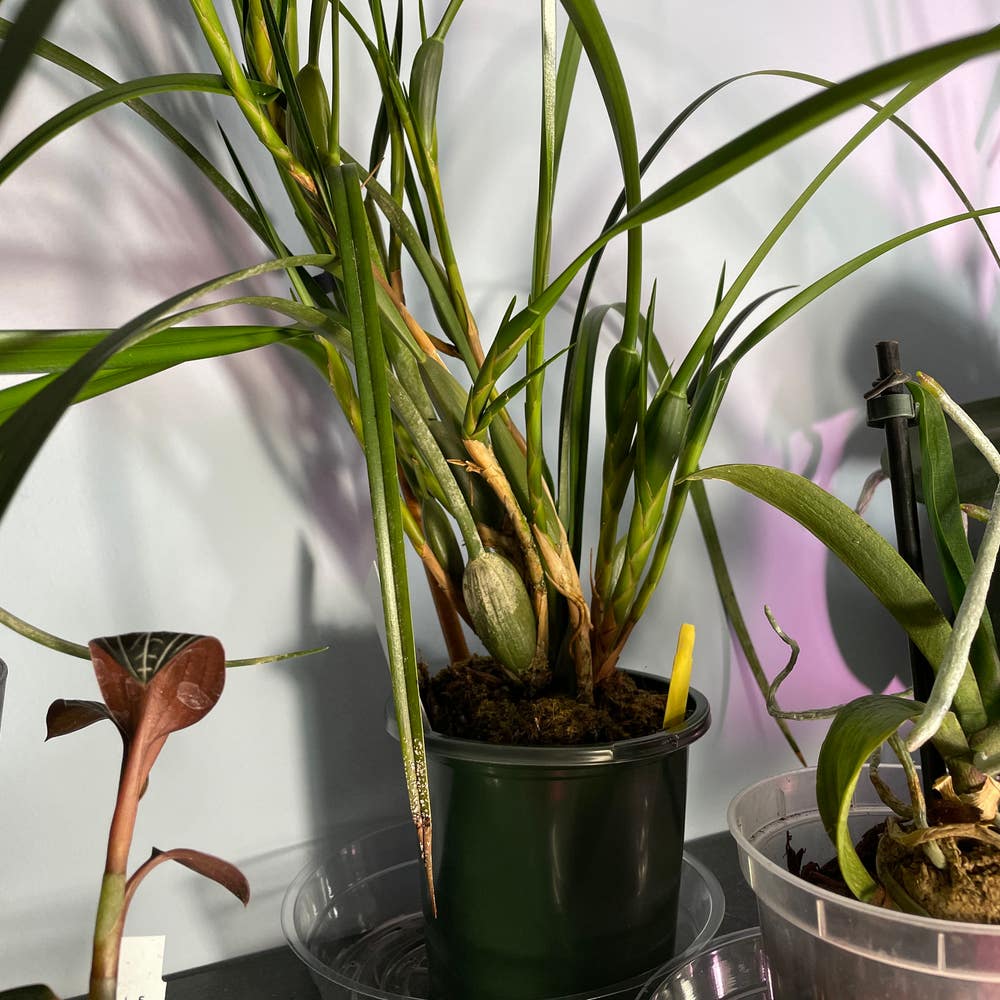
Eulophia katangensis typically reaches a height of 30 to 60 cm (12 to 24 inches). Its spread can extend up to 30 cm (12 inches) wide, making it a lovely addition to any garden.
Growth Rate ⏳
Under ideal conditions, this plant takes about 1 to 2 years to reach its full size. However, factors like light, water, and soil quality can influence its growth rate, leading to some variability in dimensions.
As you plan your garden, keep these size considerations in mind to ensure Eulophia katangensis has enough space to thrive. Next, let’s explore the fascinating lifecycle of this unique plant.
Roots
Characteristics 🌱
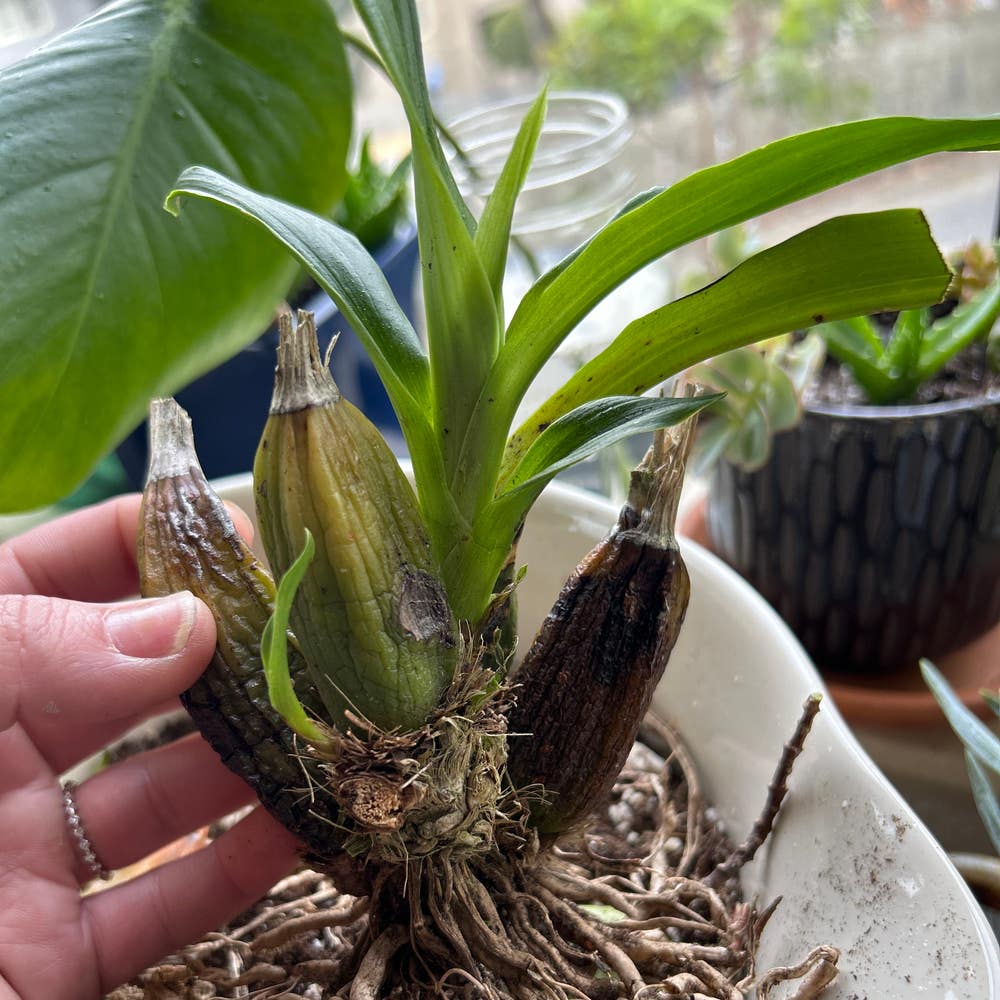
Eulophia katangensis features a tuberous root system that effectively stores nutrients and water. These roots can extend up to 30 cm (12 inches) deep, allowing the plant to thrive in various conditions.
Common Issues ⚠️
One of the most common problems is root rot, which occurs due to overwatering. Symptoms include mushy roots that can lead to plant decline.
Another issue is becoming rootbound, which happens when the roots fill the pot. Signs of this condition include stunted growth and a lack of vigor.
Visual Cues 👀
Healthy roots are characterized by their firmness and white color, indicating vitality. In contrast, unhealthy roots may appear dark, mushy, or emit a foul smell, signaling that something is wrong.
Understanding these root characteristics and issues is crucial for maintaining the health of your Eulophia katangensis. By keeping an eye on root health, you can ensure your plant thrives and flourishes.
Next, we'll explore the benefits of growing this unique orchid, highlighting its aesthetic and ecological contributions.
Benefits
Top 5 Benefits 🌟
Eulophia katangensis is not just a pretty face in the garden; it offers a range of benefits that make it a fantastic addition to any landscape.
Aesthetic Appeal
The unique flowers and lush foliage of Eulophia katangensis can elevate the beauty of your garden. Their striking appearance draws the eye and adds a touch of elegance.
Drought Resistance
Thanks to its tuberous roots, this plant can withstand dry spells. This resilience makes it a smart choice for gardeners looking to conserve water.
Biodiversity
Eulophia katangensis attracts a variety of pollinators and beneficial insects. This not only enhances the ecosystem but also supports the health of your garden.
Cultural Significance
In some regions, this plant is valued for its traditional medicinal uses. Incorporating it into your garden can connect you to cultural practices and heritage.
Educational Value
Growing Eulophia katangensis provides insights into orchid care and propagation. It’s a great opportunity for both novice and experienced gardeners to expand their knowledge.
These benefits make Eulophia katangensis a worthy addition to your gardening endeavors. Next, let’s explore how to propagate this remarkable plant for even more growth and beauty.
Companion Plants
🌱 Companion Planting
Companion planting is all about pairing compatible species to create a thriving garden ecosystem. This practice enhances growth, improves pest management, and boosts overall garden diversity.
🌿 Compatible Plants
When it comes to Eulophia katangensis, consider planting it alongside ferns, other orchids, and shade-tolerant plants. These companions share similar humidity and light requirements, making them ideal partners in your garden.
🚫 Incompatible Plants
On the flip side, avoid planting heavy feeders near Eulophia katangensis. These plants compete for nutrients, which can hinder the growth and health of your orchids.
By choosing the right companions, you can create a harmonious garden environment that supports the flourishing of Eulophia katangensis. This thoughtful approach not only enhances your garden's beauty but also promotes a healthy ecosystem.
Toxicity to Humans
🛡️ Safety Overview
Eulophia katangensis is considered non-toxic by major health organizations. This means you can enjoy its beauty without worrying about harmful effects on humans.
⚠️ Minor Issues
While generally safe, there can be minor issues like mild skin irritation or digestive discomfort if large quantities are ingested. It's always wise to exercise caution with any plant.
🚑 Caution
If you experience unusual symptoms after contact or consumption, consult a doctor. Staying informed helps ensure a safe and enjoyable gardening experience.
This plant's non-toxic nature makes it a great choice for gardens, allowing you to appreciate its unique beauty without concern. Now, let’s explore its safety regarding our furry friends!
Toxicity to Dogs
Safety Overview 🐶
Eulophia katangensis is a safe choice for dog owners, as it is not listed as toxic by pet poison control centers. However, if your dog consumes large amounts, it may experience mild gastrointestinal upset.
Monitoring Behavior 👀
To keep your furry friend safe, it's wise to position the plant out of reach. Always keep an eye on your dog's behavior around the plant, especially if they show curiosity.
Conclusion 🎉
With its non-toxic status, Eulophia katangensis can be a beautiful addition to your garden without the worry of harming your canine companions. Just remember to monitor their interactions to ensure a harmonious coexistence.
Next, let's explore the plant's toxicity to cats and how to keep them safe.
Toxicity to Cats
Safety Overview 🐱
Eulophia katangensis is considered non-toxic to cats, according to pet poison control centers. This means you can enjoy this beautiful plant without worrying about your feline friends getting sick.
Minor Issues 🚨
While generally safe, excessive consumption may lead to mild gastrointestinal upset in cats. It's always a good idea to monitor your pet's behavior if they show interest in nibbling on the leaves.
Tips for Care 🛡️
To keep your curious cats safe, position your Eulophia katangensis where they can't easily access it. Regularly check on your plants and your pets to ensure a harmonious environment.
This way, you can enjoy the beauty of your plant while keeping your furry companions out of harm's way.
Problems
Common Issues 🌱
Growing Eulophia katangensis can be rewarding, but it's essential to watch for common problems.
Incorrect Watering
Overwatering can lead to yellowing leaves, while underwatering causes drooping. Finding the right balance is crucial for healthy growth.
Incorrect Light Conditions
Too much sun can scorch the leaves, while too little light results in etiolated growth. Assessing your plant's light exposure is vital for its well-being.
Diseases
Fungal issues like powdery mildew and black rot can affect your plant's health. Keeping an eye out for these diseases will help you take action early.
Solutions 💡
To keep your Eulophia katangensis thriving, adjust your care practices.
Establish a Consistent Watering Schedule
Regular watering helps maintain soil moisture without drowning the roots. Aim for a routine that suits your plant's needs.
Improve Light Conditions
Evaluate the light your plant receives and make necessary adjustments. Providing the right amount of light will enhance growth and prevent stress.
By addressing these common issues proactively, you can enjoy a flourishing Eulophia katangensis in your garden. Next, let’s explore potential pest problems that may arise.
Bugs
🐜 Potential Pest Issues
Eulophia katangensis is generally resilient against pests, but it can still fall victim to certain nuisances. Keeping an eye out for these pests is essential to maintain the health of your plant.
🕷️ Common Pests
Spider Mites: Look for fine webbing and stippled leaves, which indicate their presence. These tiny pests can quickly multiply and cause significant damage if not addressed.
Mealybugs: Identified by their white, cotton-like masses on stems and leaves, mealybugs can weaken your plant. They suck sap from the plant, leading to stunted growth and overall decline.
🧴 Treatment Options
To combat these pests, consider using organic treatments like neem oil or insecticidal soap. These options are effective and less harmful to the environment.
Regular inspection is key to preventing infestations. Maintaining plant health through proper care will also help deter pests from making your Eulophia katangensis their home.
By staying vigilant and proactive, you can enjoy a thriving plant free from unwanted visitors. Next, let’s explore what animals might be interested in munching on your Eulophia katangensis.
What Eats Eulophia katangensis
🦌 Common Animals
Eulophia katangensis can attract a variety of wildlife, particularly deer and rabbits. Look for signs like chewed leaves and broken stems from deer, while rabbits often leave evidence of nibbling on the lower foliage.
🚫 Damage and Deterrence
If you notice missing leaves, droppings, or tracks around your plants, it’s likely that these animals are feasting on your Eulophia katangensis. To protect your plants, consider using chemical deterrents or organic methods like fencing to keep these hungry visitors at bay.
By being proactive, you can enjoy the beauty of your orchids without the worry of unwanted munchers!
⚠️ Safety First
This content is for general information and may contain errors, omissions, or outdated details. It is not medical, veterinary advice, or an endorsement of therapeutic claims.
Always consult a qualified healthcare professional before using any plant as food, medicine, or supplement.
Never eat any plant (or feed one to pets) without confirming its identity with at least two trusted sources.
If you suspect poisoning, call Poison Control (800) 222-1222, the Pet Poison Helpline (800) 213-6680, or your local emergency service immediately.
Spotted an error? Please report it here.
Ensure your Eulophia katangensis blooms beautifully 🌼 with Greg's custom watering alerts and expert care tips tailored just for your plant's needs!